No te vayas sin conocer la historia Suscribete
IAudioGuia iaudioguia
Audio Guides of Nara

Audio Guide of Monte Wakakusa

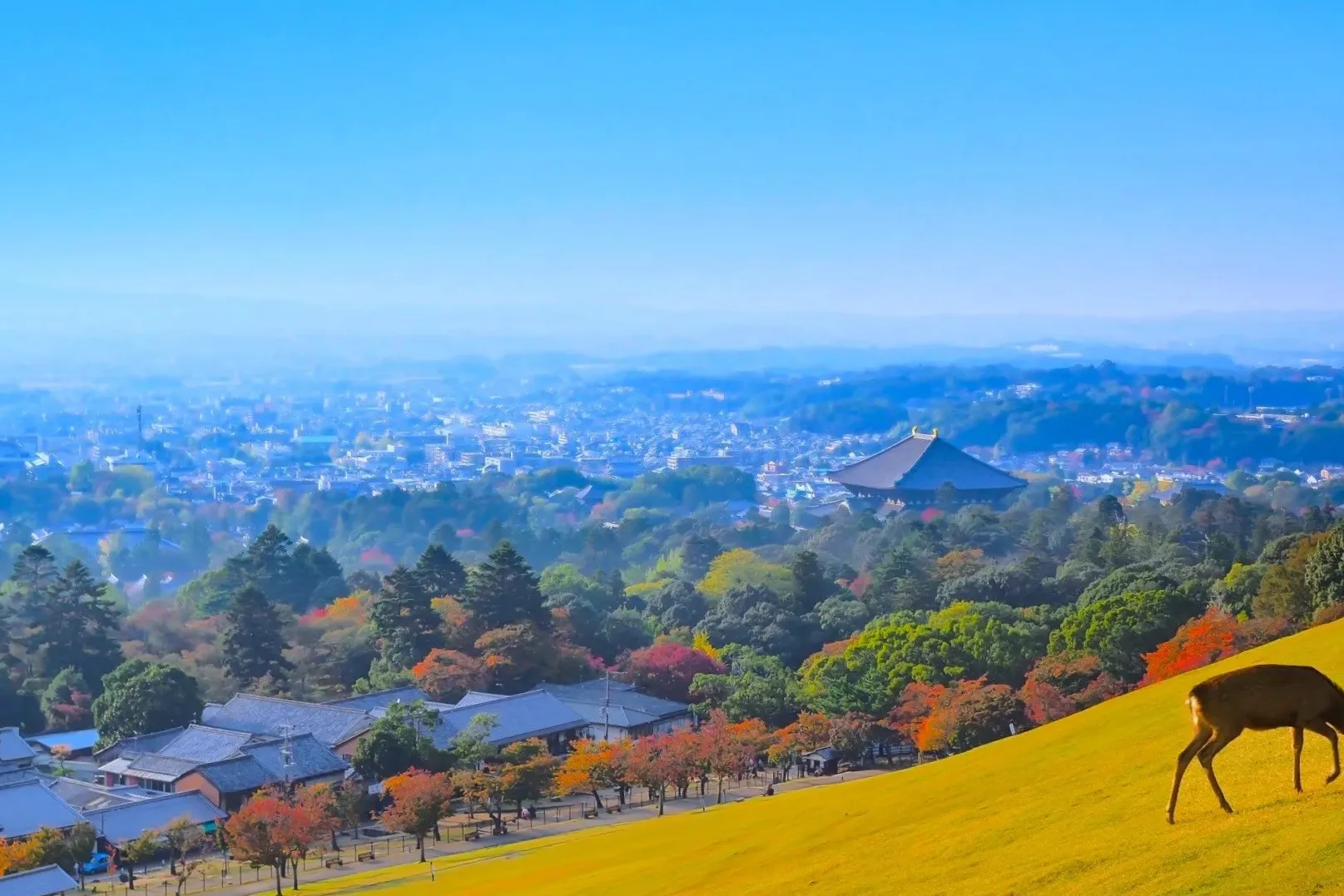
¿Sabías que esta pacífica colina se prende fuego cada invierno por una antigua pelea de monjes? Sube y descubre por qué.

✓ What guidebooks don't tell you
✓ Secrets other tourists miss
✓ Listen while you explore
Discover everything
00:00
00:00
Rate this audio guide

📖 Audio Guide Chapters

6 chapters

1. The burning born from an epic feud

🔒 Premium Content

Subscribe to access all chapters of this audio guide.

2. Clues in the grass that reveal forgotten battles

🔒 Premium Content

Subscribe to access all chapters of this audio guide.

3. Bad-tempered monks and forbidden loves

🔒 Premium Content

Subscribe to access all chapters of this audio guide.

4. The wild side guidebooks leave out

🔒 Premium Content

Subscribe to access all chapters of this audio guide.

5. Sharp eyes for hidden treasures

🔒 Premium Content

Subscribe to access all chapters of this audio guide.

6. The echo you carry in your soul

🔒 Premium Content

Subscribe to access all chapters of this audio guide.

❓ Frequently Asked Questions

What are the visiting hours for Mount Wakakusa and how can I get to the summit?

Mount Wakakusa is generally open to the public from mid-March to mid-December. There are two main trails: the main route starting near Nara Park and a secondary route. You can find more details about specific hours and access on the official Nara Park page.

Do I have to pay to climb Mount Wakakusa or is it free?

Yes, there is a small admission fee to access Mount Wakakusa, usually 150 yen for adults and 50 yen for children. This fee helps with the maintenance of the park and its facilities. You can check the Nara Park website for updates.

How much time should I set aside to go up and down Mount Wakakusa and enjoy the views?

Normally, it is recommended to allow between 1.5 and 2 hours to go up and down Mount Wakakusa at a relaxed pace, stopping to enjoy the views. If you plan to have a picnic or simply relax at the top, consider adding an extra hour to your visit.

What history is behind Mount Wakakusa, or what makes it special?

Mount Wakakusa is famous for the annual Yakiuchi, or Wakakusa Yamayaki, festival, held on the fourth Saturday of January. During this event, the mountain’s dry grass is burned, which is believed to drive away wild boars and protect the city of Nara. It is an impressive spectacle with a long tradition.

When is the best time of year or day to visit Mount Wakakusa?

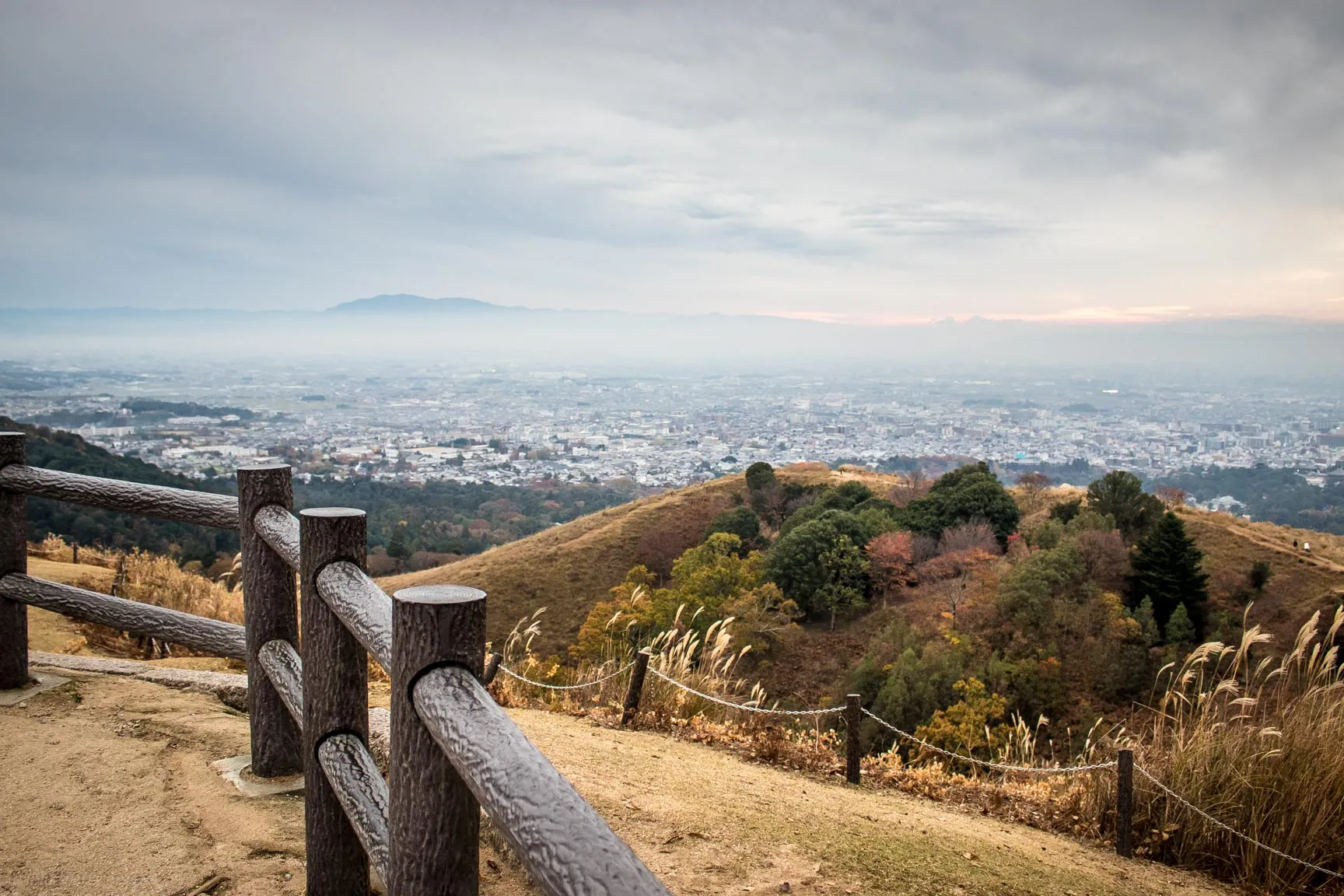
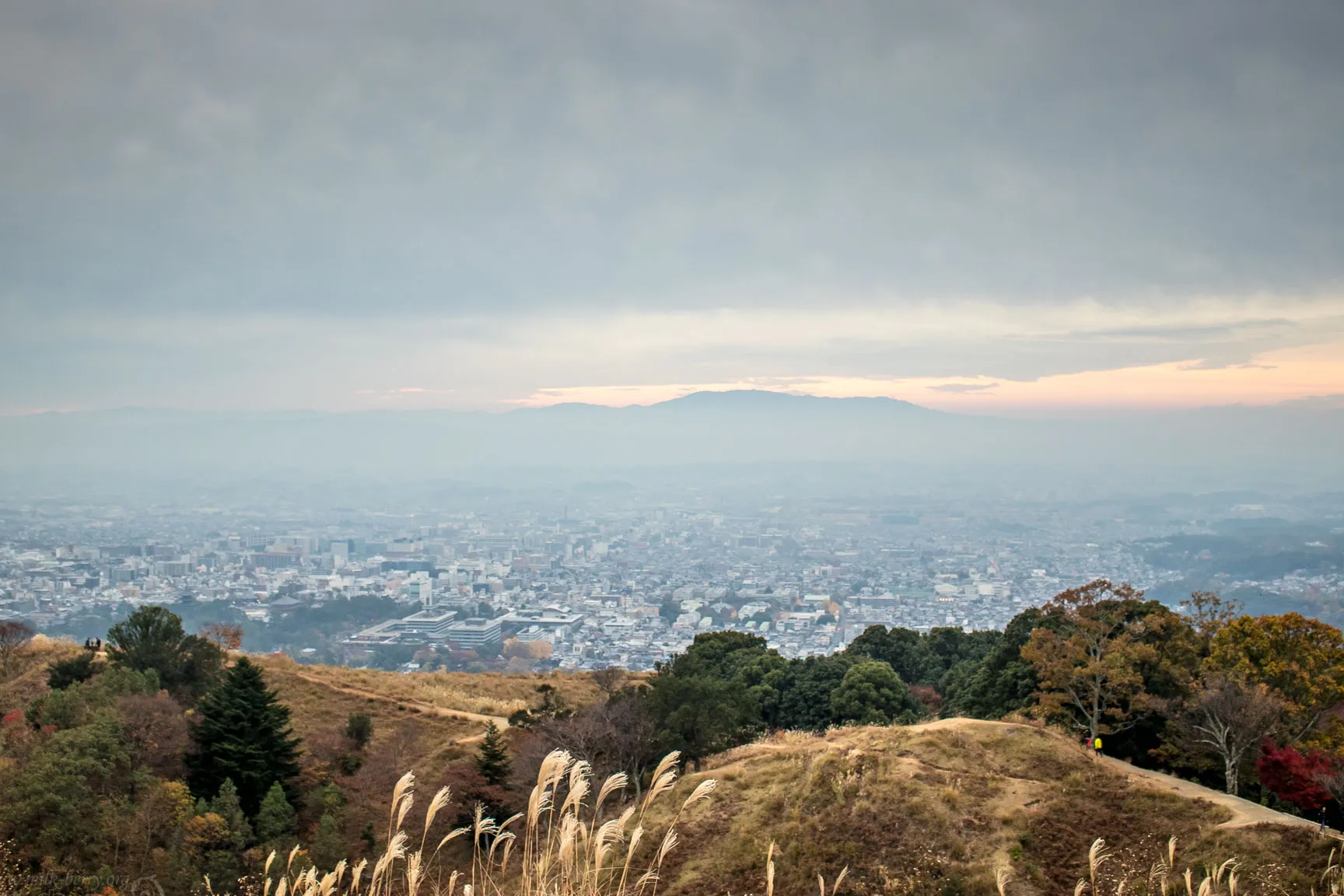
Spring (March-May) and autumn (September-November) are ideal because of the pleasant weather and beautiful scenery. To enjoy the best panoramic views, especially sunset over Nara, I recommend going up late in the afternoon. In summer it can get very hot.

Is Mount Wakakusa accessible for people using wheelchairs or with reduced mobility?

Unfortunately, the trails on Mount Wakakusa are natural terrain with slopes and, in some sections, steps, which makes it not very accessible for wheelchair users or people with very limited mobility. There are no suitable ramps or elevators to reach the summit.

After visiting Mount Wakakusa, what other attractions are nearby to visit in Nara?

Of course! Mount Wakakusa is in the heart of Nara, within walking distance of Nara Park, home to wild deer. You can also visit Tōdai-ji Temple with its Great Buddha, or Kasuga Taisha Shrine, both very close by.

Any practical tips to make the most of my visit to Mount Wakakusa?

Of course! Wear comfortable walking shoes, bring enough water, and pack a small picnic if you want to enjoy the views from the top. Don’t forget your camera to capture the beautiful scenery and the stunning view of Nara. Be prepared to come across some friendly deer roaming the area!

¿Prefieres escuchar en español?

🇪🇸 Escucha la audioguía de Monte Wakakusa en español