No te vayas sin conocer la historia Suscribete
IAudioGuia iaudioguia
Audio Guides of Kioto

Audio Guide of Sanjūsangen-dō

Donde 1001 dioses te observan y una flecha cambió la historia

✓ What guidebooks don't tell you
✓ Secrets other tourists miss
✓ Listen while you explore
Discover everything
00:00
00:00

📖 Audio Guide Chapters

6 chapters

1. The Day Arrows Rained Down

🔒 Premium Content

Subscribe to access all chapters of this audio guide.

2. The Mystery of Pillar Number 33

🔒 Premium Content

Subscribe to access all chapters of this audio guide.

3. The Emperor, the Samurai, and the Curse

🔒 Premium Content

Subscribe to access all chapters of this audio guide.

4. 1,001 Gods... and a Mathematical Trick

🔒 Premium Content

Subscribe to access all chapters of this audio guide.

5. 28 Guardians That Put You to Shame

🔒 Premium Content

Subscribe to access all chapters of this audio guide.

6. Say Goodbye Like a Samurai

🔒 Premium Content

Subscribe to access all chapters of this audio guide.

❓ Frequently Asked Questions

What are the opening hours of Sanjūsangen-dō Temple and how do I get there?

Sanjūsangen-dō Temple normally opens from 8:30 a.m. to 5:00 p.m. (from 9:00 a.m. to 4:00 p.m. from November to March). To get there, you can take bus number 206 or 208 from Kyoto Station and get off at the 'Hakubutsukan-Sanjusangendo-mae' stop. It is a very accessible temple. You can find more details on its official website: Sanjūsangen-dō Official Website.

How much is admission to Sanjūsangen-dō Temple, and are there any discounts?

General admission for adults costs 600 yen. Middle school and elementary school students pay 400 yen and 300 yen respectively. There are currently no significant discounts for large groups or seniors, but it is always a good idea to check the official website before your visit in case of any temporary promotions. You can find full pricing information here: Sanjūsangen-dō Prices.

How much time should I plan for visiting Sanjūsangen-dō Temple?

To fully enjoy the 1,001 Kannon statues, I recommend setting aside between 45 minutes and 1 hour. If you are especially interested in art or history, you may want to stay a bit longer. But with that amount of time, you will have a complete and meaningful experience.

What is the history behind the temple’s thousand statues and their meaning?

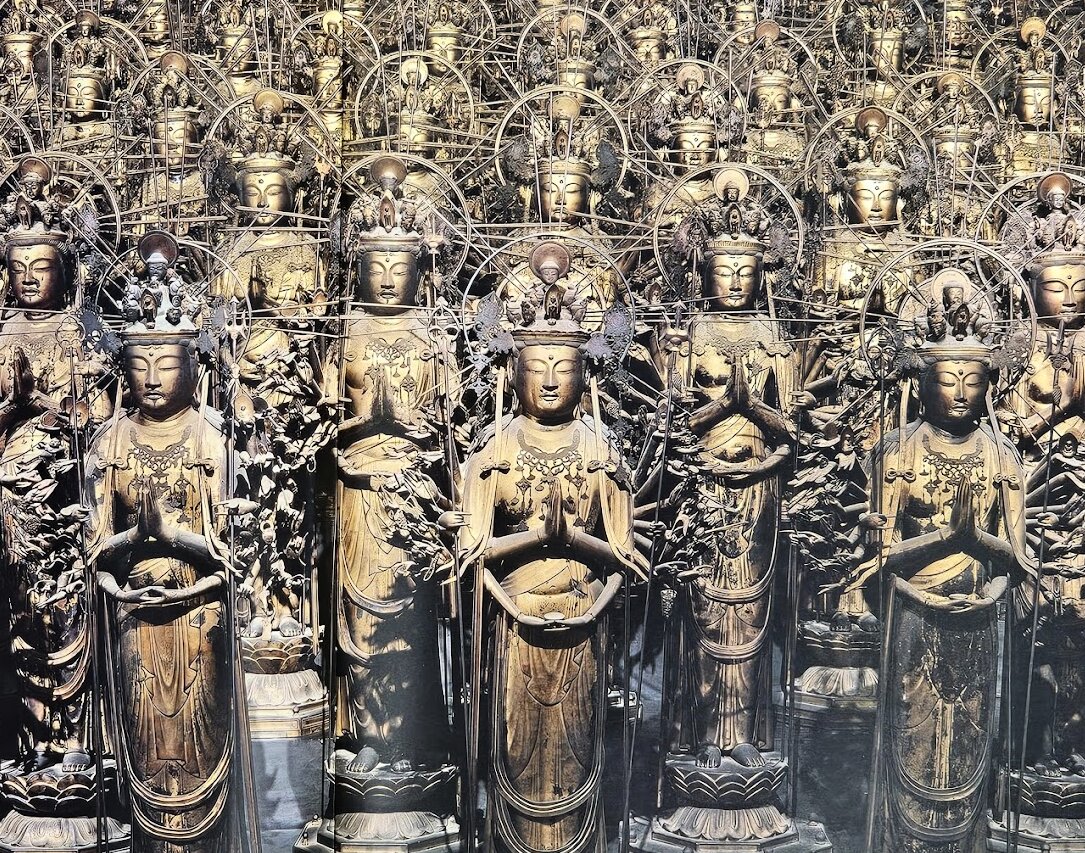
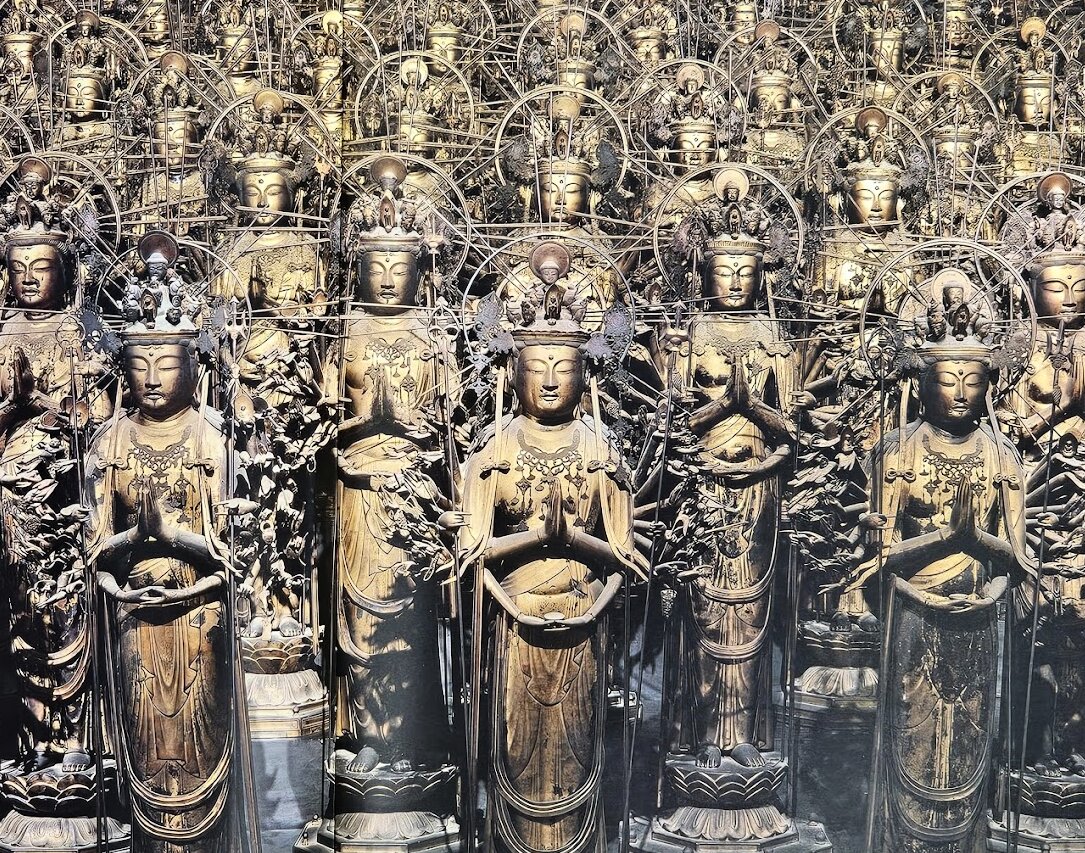
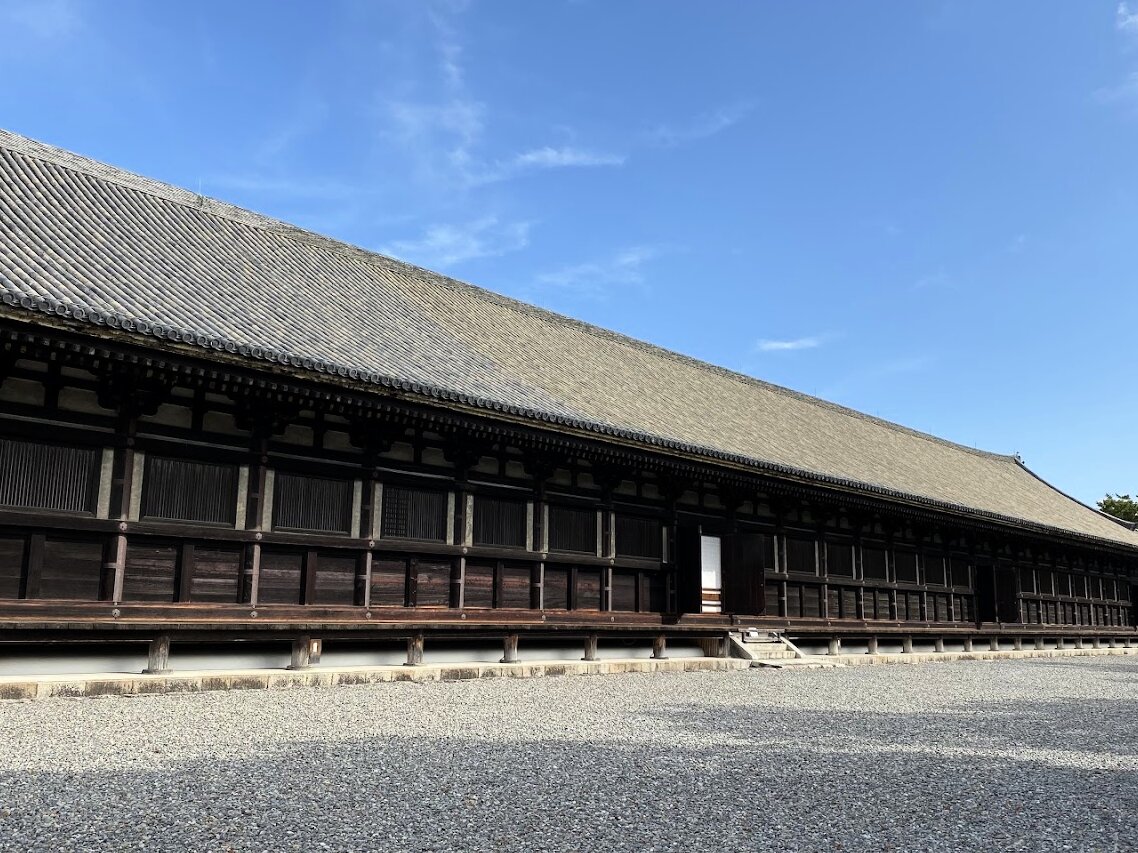
Sanjūsangen-dō Temple is famous for its 1,001 thousand-armed Kannon statues, which date from the 12th century. Kannon is the goddess of mercy in Buddhism, and each statue, although similar, has subtle differences. The vast gallery that houses them is meant to symbolize Kannon’s ability to see and help all suffering beings. It is a place of great spiritual and artistic significance in Japan.

What is the best time to visit Sanjūsangen-dō Temple to avoid crowds?

For a quieter experience, I recommend visiting the temple early in the morning, right when it opens, or later in the afternoon, about an hour before closing. Weekdays are always less crowded than weekends. Autumn (November) and spring (April) are the busiest seasons because of the pleasant weather.

Is Sanjūsangen-dō Temple accessible for people using wheelchairs or with reduced mobility?

Yes, Sanjūsangen-dō Temple has made efforts to be accessible. Although it is a historic building, the main entrance and most of the route through the statue gallery have ramps and are suitable for wheelchairs. Accessible restrooms are available. For specific details or assistance, I recommend contacting them directly at +81-75-561-0467.

Are there other interesting attractions near Sanjūsangen-dō Temple that I can visit the same day?

Absolutely! Nearby, you can visit the Kyoto National Museum, ideal for lovers of art and history. Kiyomizu-dera Temple, another of Kyoto’s icons, is also relatively close and can be reached by a short bus ride or even a pleasant walk. In addition, the Gion district, famous for its teahouses and geisha, is just a short distance away.

Any practical tips to make the most of my visit to Sanjūsangen-dō Temple?

I recommend wearing shoes that are easy to remove, as in certain areas of the temple you will need to take them off. Photography is prohibited inside the main hall to protect the statues, so put away your camera and take your time to appreciate every detail. Do not forget to bring a small notebook for your reflections—it is a unique and inspiring place!

¿Prefieres escuchar en español?

🇪🇸 Escucha la audioguía de Sanjūsangen-dō en español