No te vayas sin conocer la historia Suscribete
IAudioGuia iaudioguia
Audio Guides of Kioto

Audio Guide of Pure Water Temple

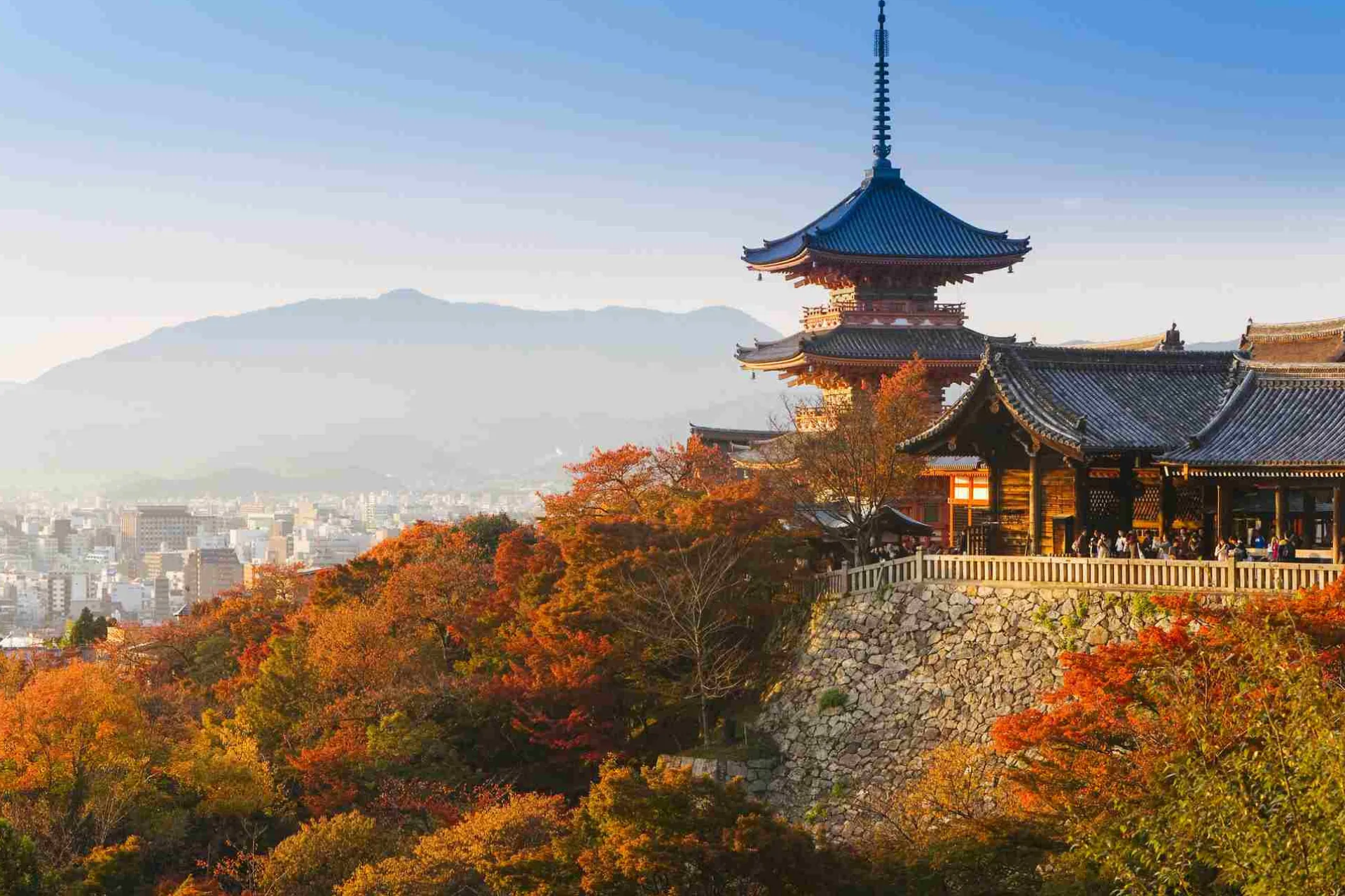
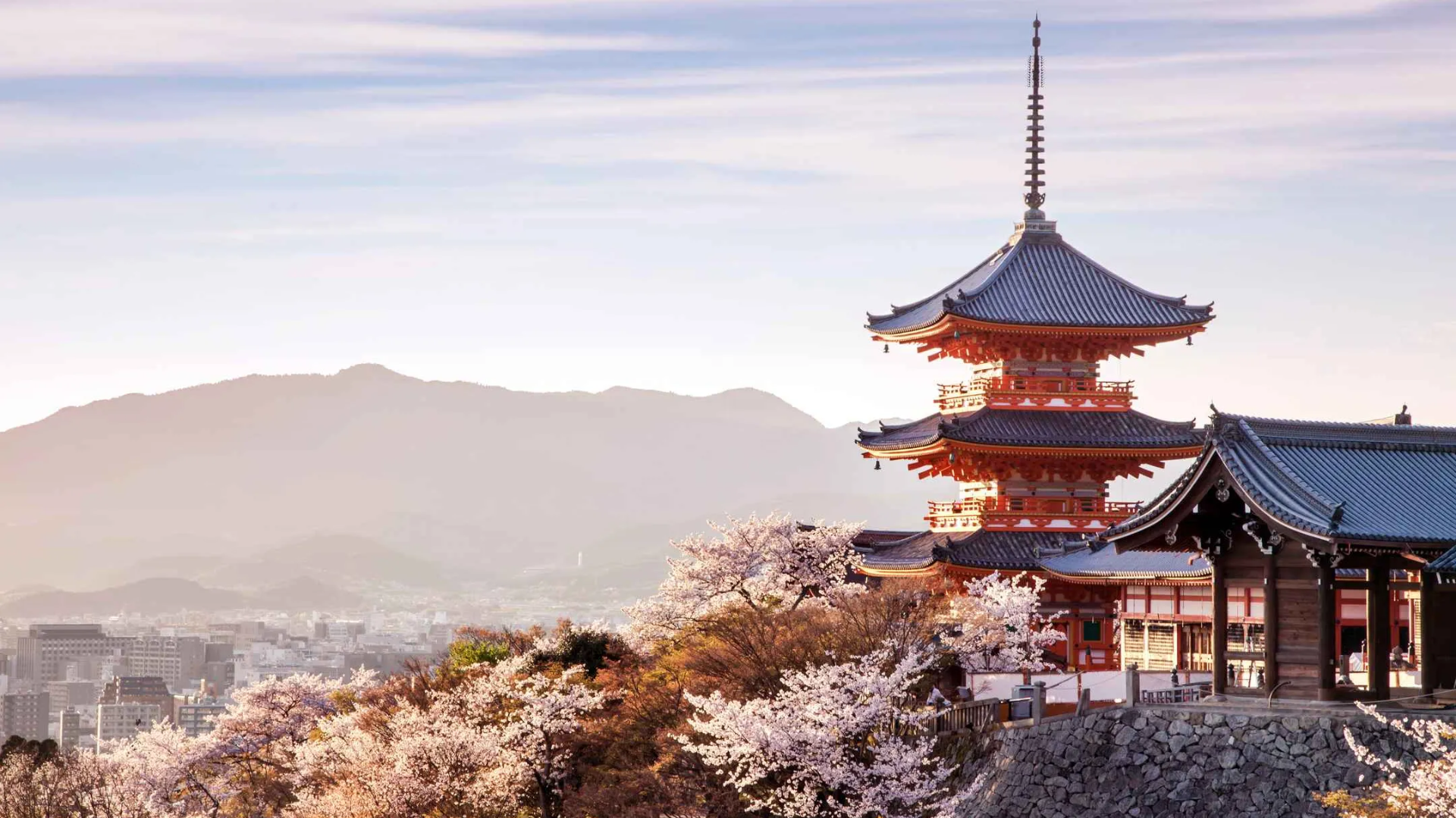
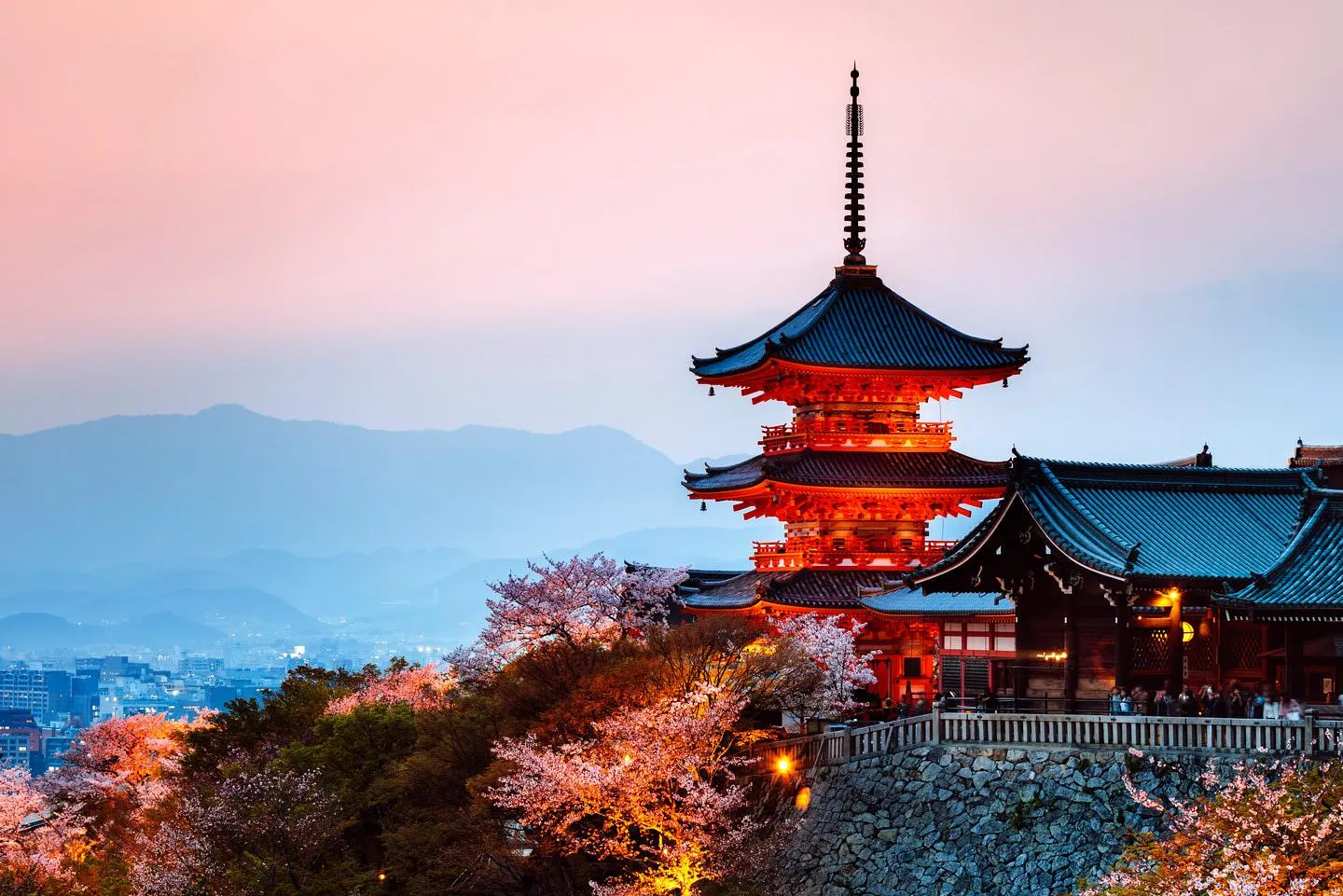
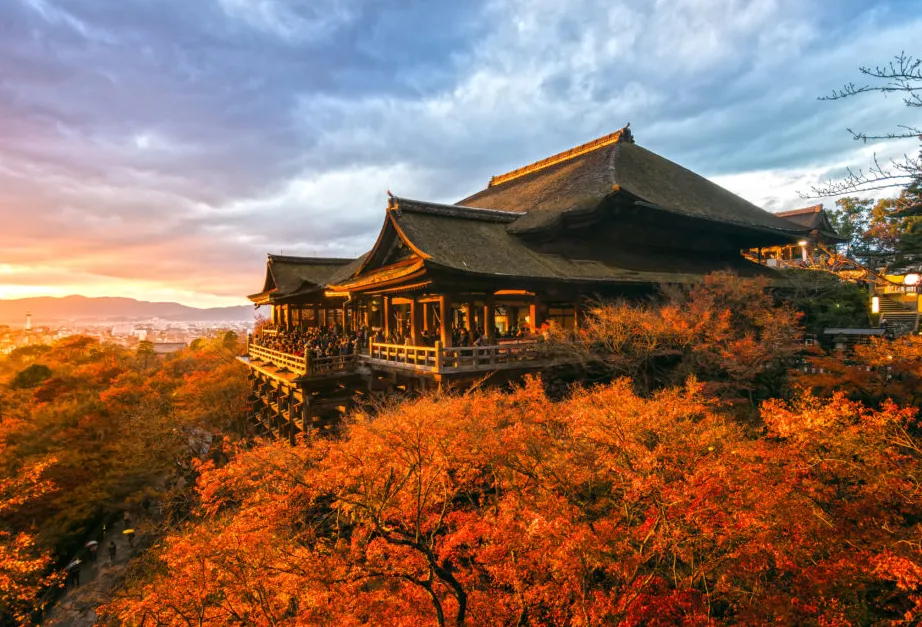
The Pure Water Temple, known as Kiyomizu-dera, is a UNESCO World Heritage Site famous for its spectacular wooden stage and sacred waterfall.

✓ What guidebooks don't tell you
✓ Secrets other tourists miss
✓ Listen while you explore
Discover everything
00:00
00:00
Rate this audio guide

📖 Audio Guide Chapters

6 chapters

1. Introduction and History

🔒 Premium Content

Subscribe to access all chapters of this audio guide.

2. Architecture and Design

🔒 Premium Content

Subscribe to access all chapters of this audio guide.

3. Art and Decoration

🔒 Premium Content

Subscribe to access all chapters of this audio guide.

4. Historical Figures

🔒 Premium Content

Subscribe to access all chapters of this audio guide.

5. Curiosities and Legends

🔒 Premium Content

Subscribe to access all chapters of this audio guide.

6. Cultural Importance and Legacy

🔒 Premium Content

Subscribe to access all chapters of this audio guide.

❓ Frequently Asked Questions

What time does Kiyomizu-dera open, and until when can I visit?

Kiyomizu-dera is usually open from 6:00 AM to 6:00 PM, although hours may vary by season or special events. It is always a good idea to check the official website before your visit to confirm.

Do I have to pay to enter Kiyomizu-dera, or is it free?

Yes, admission to Kiyomizu-dera is paid. In general, the price is around 400 yen for adults, although there may be discounts for children or groups. It is a very reasonable price for the experience it offers.

How much time do I need to explore Kiyomizu-dera without rushing?

To fully enjoy Kiyomizu-dera, including its main buildings, a walk through the grounds, and the spectacular views, we recommend allowing between 1.5 and 2.5 hours. That gives you time to take in the atmosphere and snap plenty of photos.

What makes Kiyomizu-dera so historically special? I’d like to understand its importance.

Founded in 778, Kiyomizu-dera is one of Kyoto’s oldest and most revered temples and is recognized as a UNESCO World Heritage Site. It is famous for its impressive wooden main hall, built without a single nail, and for being a pilgrimage site dedicated to Kannon, the goddess of mercy, offering blessings for health and good fortune.

Is there a best time of day or season to visit Kiyomizu-dera for the best experience?

To avoid the crowds and enjoy beautiful light, I suggest visiting early in the morning. As for the best season, spring, with the cherry blossoms in bloom, or autumn, with the vibrant fall foliage, are spectacular and offer unforgettable scenery.

Is Kiyomizu-dera accessible for wheelchair users or people with reduced mobility?

Access to Kiyomizu-dera can be challenging for people with reduced mobility because of the slopes and stairs in some areas. However, improvements have been made, and some parts of the complex are accessible. I recommend checking the official website or contacting them directly for detailed information about accessible routes.

Since I’ll be at Kiyomizu-dera, what other interesting places can I visit nearby?

There is plenty to see. Very close by, you can stroll through the charming streets of Higashiyama, including Sannenzaka and Ninenzaka, filled with traditional shops and tea houses. The lovely Kodai-ji Temple is also nearby, and a little farther on you will find the lively Gion district.

Do you have any practical tips to make the most of my visit to Kiyomizu-dera?

Wear comfortable shoes, as you will do quite a bit of walking. Consider arriving early to avoid the crowds, and enjoy a walk around Higashiyama before or after your visit. Don’t forget to try the water from Otowa Falls for good fortune and take plenty of photos from the main stage—the views are stunning.

¿Prefieres escuchar en español?

🇪🇸 Escucha la audioguía de Pure Water Temple en español