
No te vayas sin conocer la historia Suscribete
IAudioGuia iaudioguia
Audio Guides of Kioto

Audio Guide of Gion

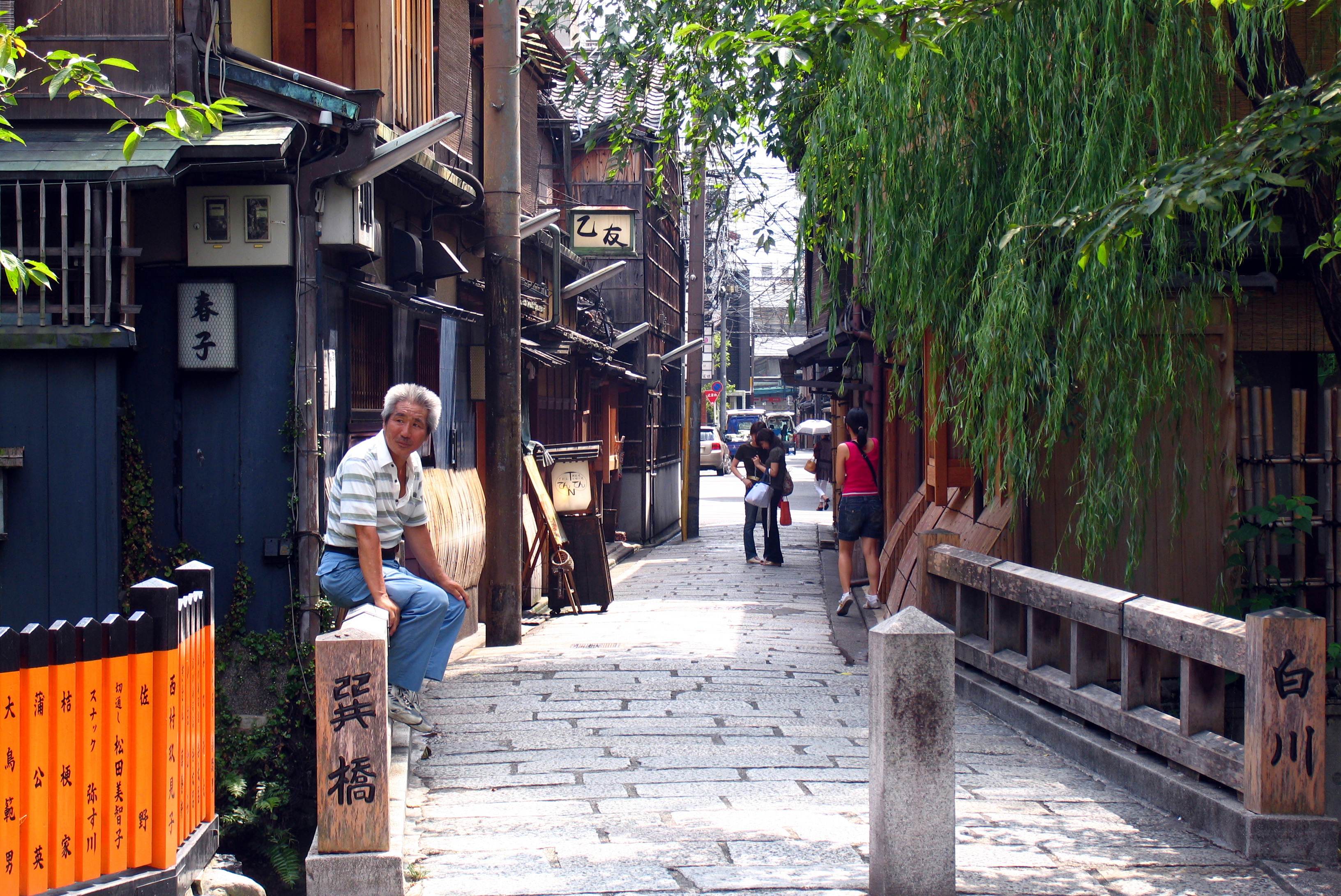
Gion is Kyoto’s iconic geisha district, where Japanese tradition comes alive in its historic streets and teahouses.

✓ What guidebooks don't tell you
✓ Secrets other tourists miss
✓ Listen while you explore
Discover everything
00:00
00:00
Rate this audio guide

📖 Audio Guide Chapters

6 chapters

1. Introduction and History

🔒 Premium Content

Subscribe to access all chapters of this audio guide.

2. Architecture and Design

🔒 Premium Content

Subscribe to access all chapters of this audio guide.

3. Art and Decoration

🔒 Premium Content

Subscribe to access all chapters of this audio guide.

4. Historical Figures

🔒 Premium Content

Subscribe to access all chapters of this audio guide.

5. Curiosities and Legends

🔒 Premium Content

Subscribe to access all chapters of this audio guide.

6. Cultural Importance and Legacy

🔒 Premium Content

Subscribe to access all chapters of this audio guide.

❓ Frequently Asked Questions

What are Gion’s visiting hours, and how can I get there?

Gion is a historic district, not an attraction with fixed opening and closing hours like a museum. You can stroll through its streets at any time of day or night. It is best explored on foot to fully absorb its atmosphere. The main streets are Shijo-dori, Hanami-koji, and Pontocho, all easily accessible by public transport from anywhere in Kyoto. You can find more details about the district on its Wikipedia page.

Do I need to pay an entrance fee or ticket to visit Gion?

No, access to Gion is completely free. It is a living district where you can walk its streets, admire the traditional architecture, and look for geishas or maiko. However, if you choose to visit a specific teahouse, theater, or restaurant, you will need to pay for its services.

How much time is recommended for visiting Gion?

To get a good first impression and enjoy a relaxed walk through its main streets such as Hanami-koji, it is recommended to spend at least 2 to 3 hours. If you plan to dine in one of its restaurants or enjoy a performance, your visit could last significantly longer.

What is Gion’s historical and cultural importance in Kyoto?

Gion is Japan’s most famous and traditional geisha district, with a rich history stretching back centuries. It originally emerged as a place of entertainment for pilgrims visiting nearby Yasaka Shrine. Today, it is a living symbol of traditional Japanese culture, where you can still glimpse the elegance and artistry of geishas and maiko. Its cultural significance is described in detail on Gion’s Wikipedia page.

What is the best time of day or year to visit Gion?

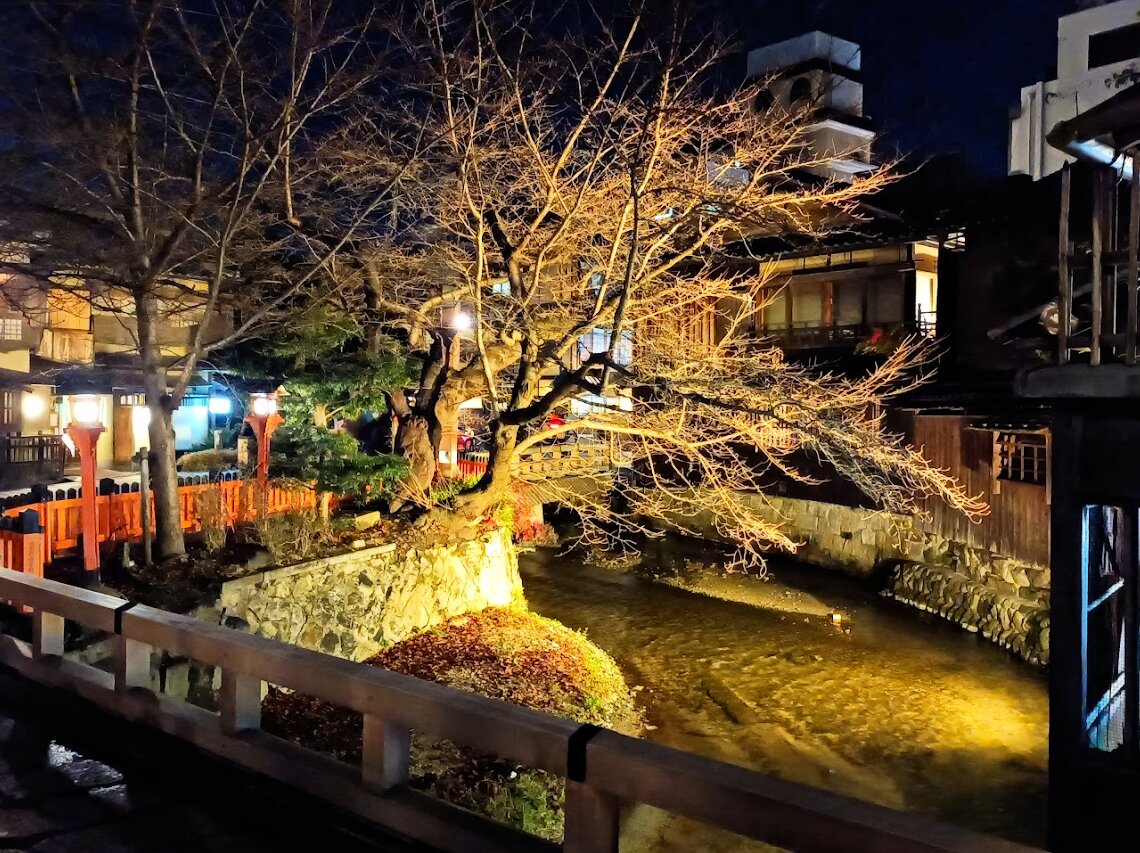
Without a doubt, the best time to visit Gion is at dusk, just before and after nightfall. That is when you are most likely to see geishas and maiko on their way to engagements. As for the best season, spring (late March to early April) for the cherry blossoms and autumn (November) for the colorful foliage are spectacular.

Is Gion accessible for people with reduced mobility or wheelchair users?

In general, Gion’s main streets are flat and paved, making them easier to navigate for people with reduced mobility and wheelchair users. However, some side streets or alleys may be narrower or cobbled. Public transport in Kyoto is usually accessible, but it is always advisable to check the availability of ramps or elevators at specific train or bus stations.

What other attractions or places of interest can I visit near Gion?

Gion is surrounded by remarkable sights. You should not miss Yasaka Shrine just to the east, the temples and historic streets of Higashiyama to the south, or a walk along the Kamo River to the west. Many visitors also enjoy the Pontocho district, another geisha quarter across the river.

What practical tips would you give me to make the most of my visit to Gion?

For an authentic and respectful experience, walk calmly through the streets and remain discreet if you see a geisha; do not harass her or try to photograph her without permission. Dress comfortably for walking and consider booking dinner at a traditional restaurant in advance if you want to sample the local cuisine. And do not forget to bring a camera for its picturesque urban scenery!

¿Prefieres escuchar en español?

🇪🇸 Escucha la audioguía de Gion en español