No te vayas sin conocer la historia Suscribete
IAudioGuia iaudioguia
Audio Guides of Miyajima

Audio Guide of Daishoin Temple

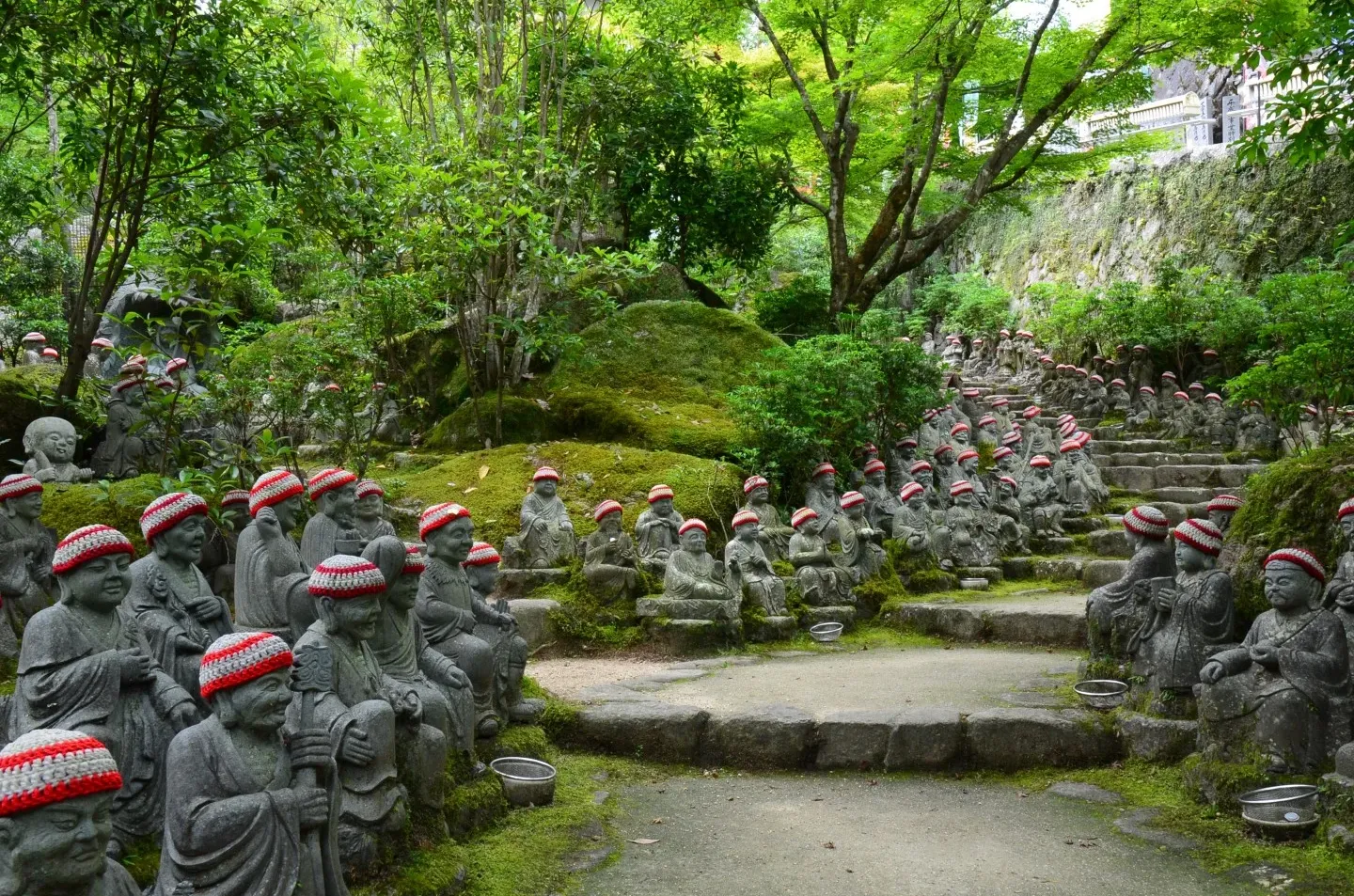
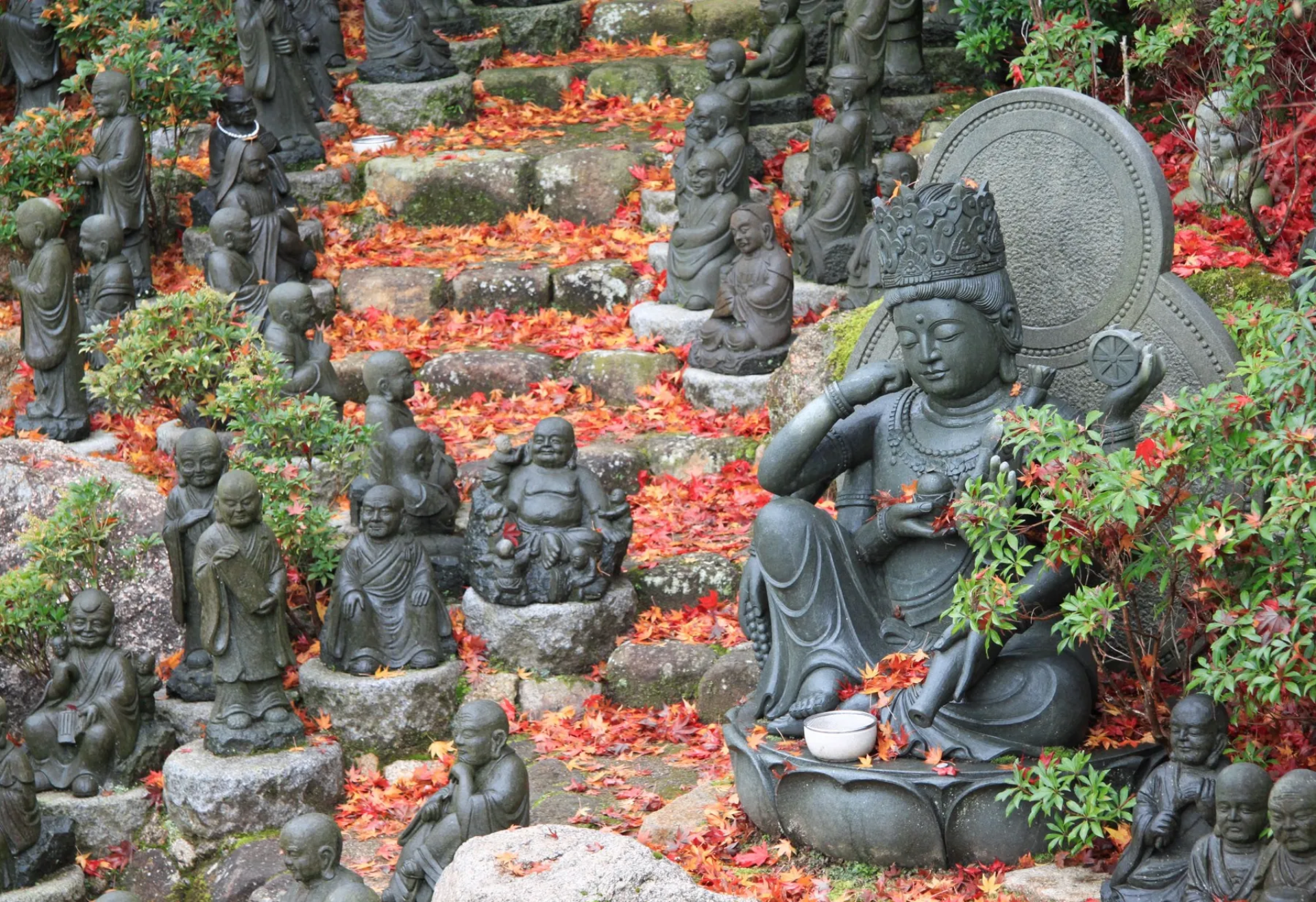
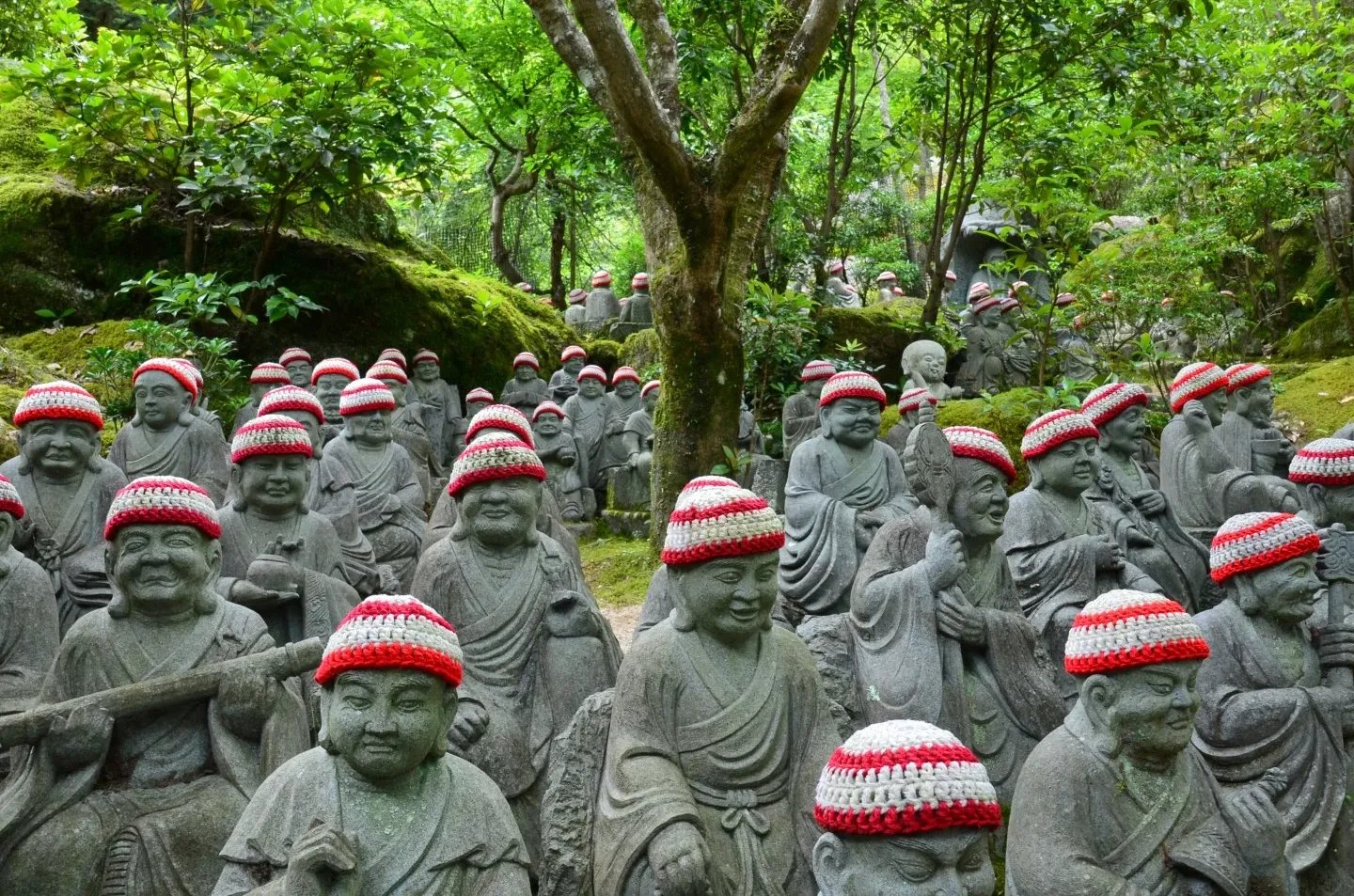
En la montaña sagrada de Miyajima, 500 rostros te observan con secretos que ningún turista común descubre: risas, dramas y un monje que nunca murió.

✓ What guidebooks don't tell you
✓ Secrets other tourists miss
✓ Listen while you explore
Discover everything
00:00
00:00

📖 Audio Guide Chapters

6 chapters

1. The monk who cheated death

🔒 Premium Content

Subscribe to access all chapters of this audio guide.

2. Stones that hold the echoes of dragons

🔒 Premium Content

Subscribe to access all chapters of this audio guide.

3. Forbidden loves between monks and mermaids

🔒 Premium Content

Subscribe to access all chapters of this audio guide.

4. The well that never runs dry and other absurdities

🔒 Premium Content

Subscribe to access all chapters of this audio guide.

5. The winking Rakan and the mark of the typhoon

🔒 Premium Content

Subscribe to access all chapters of this audio guide.

6. The echo that changes you forever

🔒 Premium Content

Subscribe to access all chapters of this audio guide.

❓ Frequently Asked Questions

What time does Daishoin Temple open, and how can I get there?

Daishoin Temple is generally open from 8:00 AM to 5:00 PM. You can easily reach it on foot from Itsukushima Shrine by walking uphill. I recommend checking its official website to confirm any schedule changes: Daishoin Official Website.

Is there an admission fee to visit Daishoin Temple?

No, and that is one of the best things about it! Admission to Daishoin Temple is free. That means you can explore all its corners at your own pace without worrying about your budget.

How much time is recommended for a visit to Daishoin?

To fully enjoy Daishoin Temple and its many halls, statues, and gardens, I suggest setting aside between 1.5 and 2 hours. You might even want longer if you love details and photography.

What is the main history or significance of this temple on Miyajima?

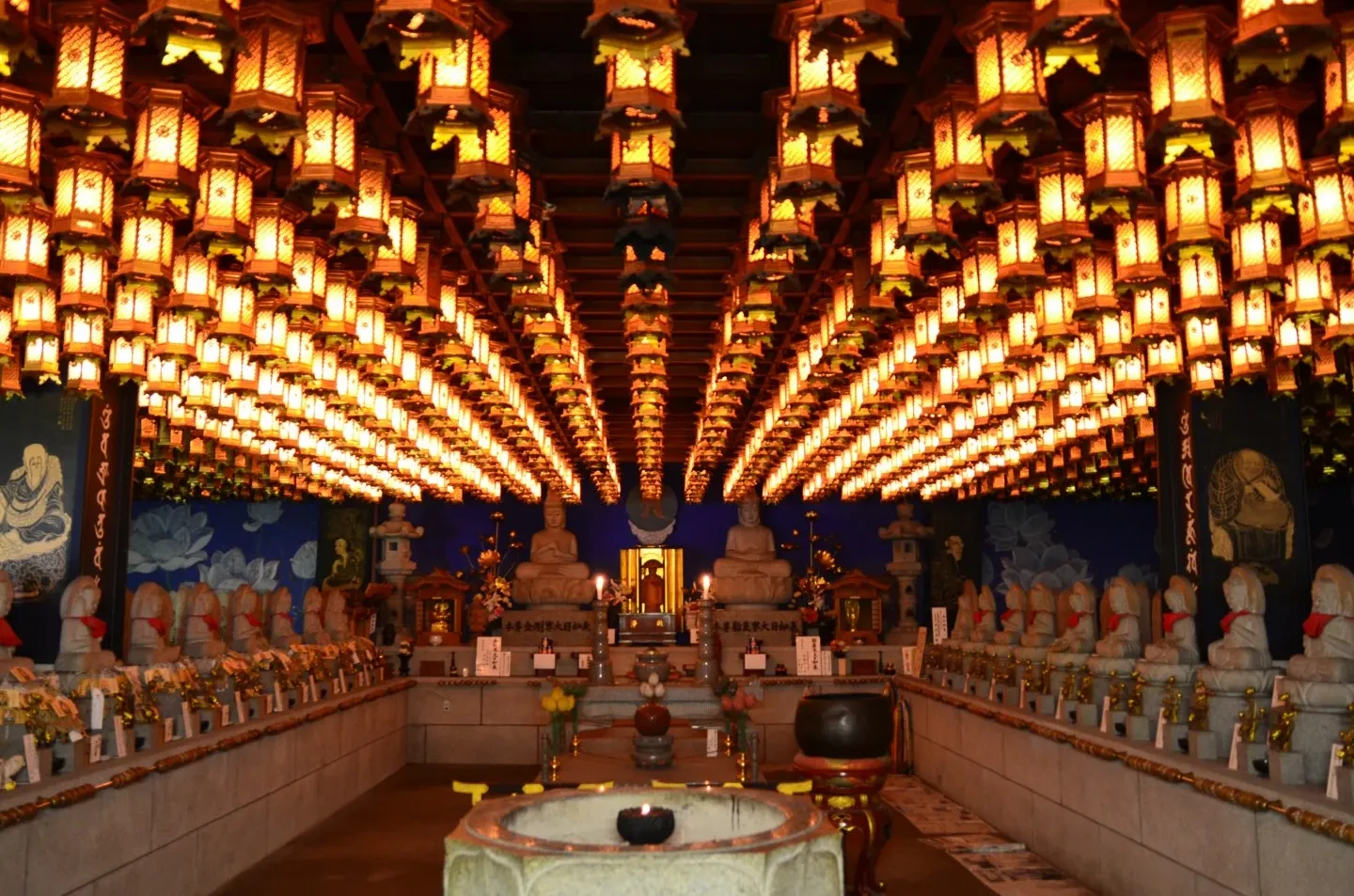
Daishoin Temple is one of the most important temples of the Shingon sect of esoteric Buddhism, founded in 806 by Kobo Daishi. It is a place of great historical and spiritual importance, with ties to the imperial family, and it houses several deities and objects of major cultural value. Its significance lies in being a center of pilgrimage and a space for deep contemplation.

When is the best time to visit Daishoin Temple?

The best time to visit Daishoin is early in the morning, just after opening, or late in the afternoon before closing, to avoid the crowds. As for the best season, spring, from late March to early April, is spectacular for cherry blossoms, and autumn, from late October to late November, is stunning for its foliage colors.

Is Daishoin Temple accessible for people with reduced mobility?

Because it is located on a hillside and has many steps, Daishoin Temple can be challenging for visitors with reduced mobility. While some lower areas may be accessible, most of the upper halls and shrines require climbing stairs. I recommend contacting the temple directly if you have specific needs: +81 829-44-0111.

What other attractions are near Daishoin Temple to visit on Miyajima?

Very close to Daishoin Temple, you will find the iconic Itsukushima Shrine with its famous floating torii gate, Momijidani Park, especially beautiful in autumn, and the ropeway up Mount Misen, which offers impressive views of the island and the Inland Sea. You can also stroll along Omotesando Street to try local specialties and shop for souvenirs.

Any practical tips to make the most of a visit to Daishoin?

My best advice is to wear comfortable shoes, since there are many stairs and uneven ground. Take your time exploring every corner and do not rush. And do not forget your camera! The light is often beautiful at sunrise and sunset, offering unique photo opportunities. Also, if you have questions, feel free to ask the monks; they are usually very kind.

¿Prefieres escuchar en español?

🇪🇸 Escucha la audioguía de Daishoin Temple en español