
No te vayas sin conocer la historia Suscribete
IAudioGuia iaudioguia
Audio Guides of Miyajima

Audio Guide of the Great Torii Gate

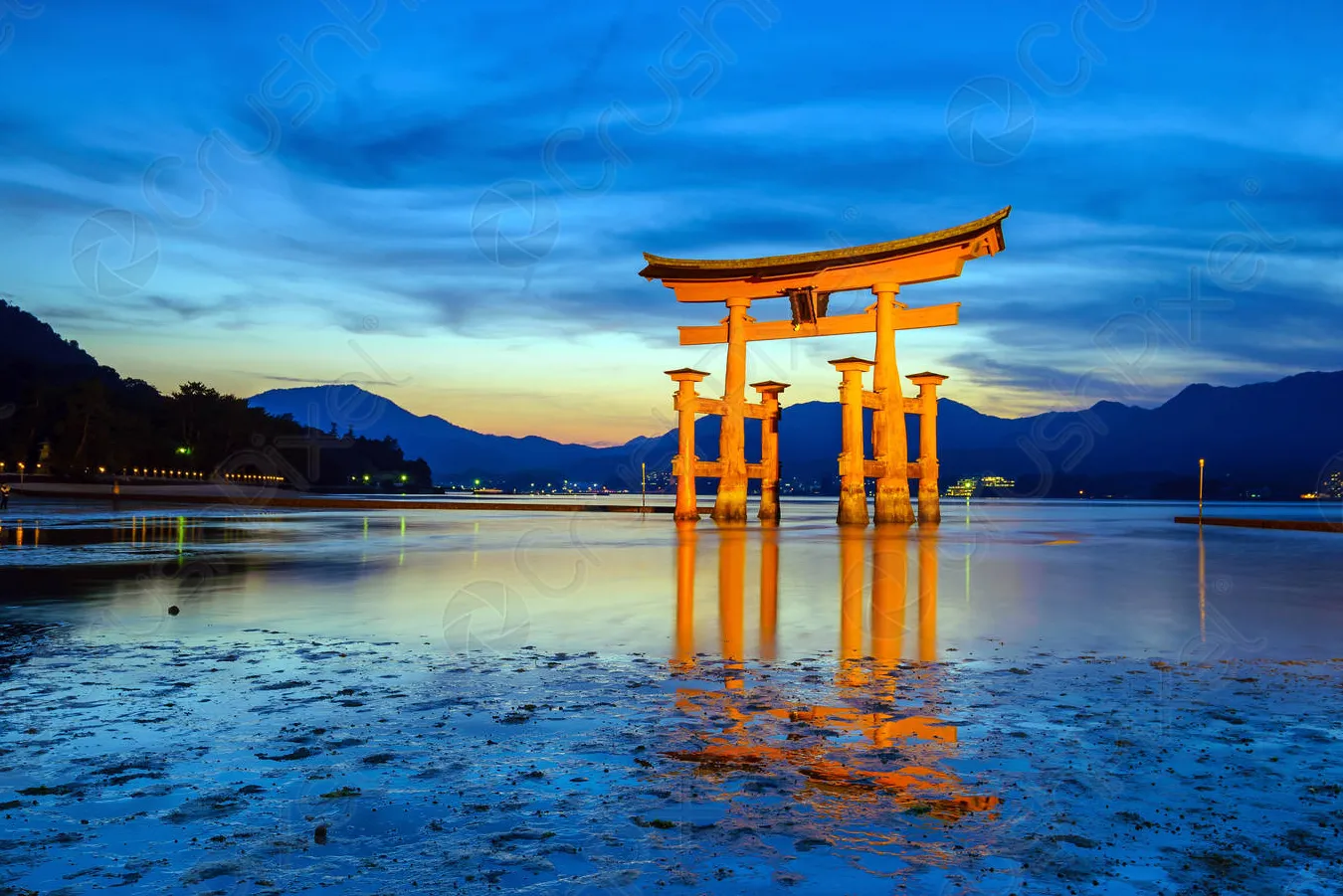
Icono del Santuario Itsukushima en Miyajima, Japón, esta imponente puerta torii emerge del mar en marea alta, creando una visión etérea que simboliza la unión entre tierra, mar y divinidad shintoísta.

✓ What guidebooks don't tell you
✓ Secrets other tourists miss
✓ Listen while you explore
Discover everything
00:00
00:00

📖 Audio Guide Chapters

6 chapters

1. Introduction and History

🔒 Premium Content

Subscribe to access all chapters of this audio guide.

2. Architecture and Design

🔒 Premium Content

Subscribe to access all chapters of this audio guide.

3. Art and Decoration

🔒 Premium Content

Subscribe to access all chapters of this audio guide.

4. Historical Figures

🔒 Premium Content

Subscribe to access all chapters of this audio guide.

5. Curiosities and Legends

🔒 Premium Content

Subscribe to access all chapters of this audio guide.

6. Cultural Importance and Legacy

🔒 Premium Content

Subscribe to access all chapters of this audio guide.

❓ Frequently Asked Questions

How do I get to the Great Torii Gate, and what are the visiting hours?

The Torii is accessible 24 hours a day, as it stands on the beach, but to reach the island you need to take a ferry from Miyajimaguchi Station (JR or Matsudai), which usually operates from 6:00 to 22:00. You can check updated schedules on the Miyajima Tourist Association website.

Do I need to pay admission to see the Torii, or is it free?

Viewing the Torii from the shore or walking closer at low tide is completely free. However, if you want to enter Itsukushima Shrine and its platforms to see it more closely, admission is 300 JPY, plus the island visitor tax of 100 JPY.

How much time do I need to visit the Torii and the shrine at a relaxed pace?

I recommend setting aside at least 1 hour and 30 minutes to explore the shrine and take photos of the Torii from different angles. If you want the full experience of seeing it at both high and low tide, spending half a day on the island is ideal.

What is the history or spiritual meaning behind this red gate?

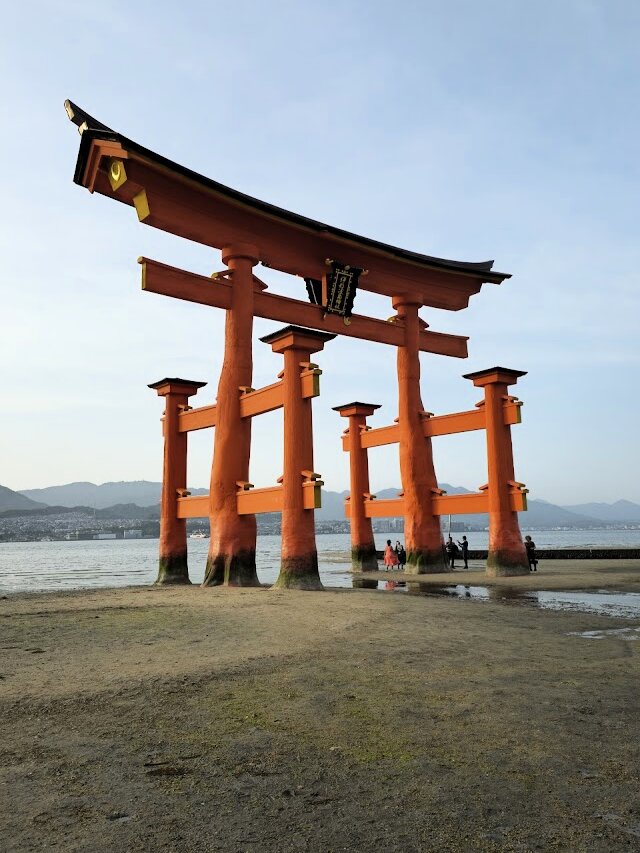
The Torii marks the boundary between the human world and the sacred world of spirits; the vermilion color is used to ward off evil. It was originally built in the water to avoid 'profaning' the sacred island with human footsteps upon arrival.

What is the best time of day or year to visit?

Sunset is the most magical time, when the lights come on and the sun sinks behind the gate. To see it 'floating,' it is essential to go at high tide; at low tide, you can walk right up to its base.

Is the area around the Torii accessible for wheelchair users?

The waterfront promenade is paved and offers excellent accessible views, and Itsukushima Shrine has ramps along most of its routes. However, going down onto the sand at low tide is very difficult for wheelchairs.

What other interesting places can I see near the Torii?

Take the opportunity to stroll along Omotesando shopping street to try fresh oysters or the famous Momiji Manju cakes. I also recommend going up Mount Misen or visiting the impressive Daisho-in Temple, just a few minutes away on foot.

What practical advice would you give me to make the most of my visit?

Be sure to check the tide table before planning your arrival time. Also, be careful with the wild deer in the area; they are friendly, but they will try to eat your map, your ticket, or any paper you are holding.

¿Prefieres escuchar en español?

🇪🇸 Escucha la audioguía de the Great Torii Gate en español