No te vayas sin conocer la historia Suscribete
IAudioGuia iaudioguia
Audio Guides of Kurashiki

Audio Guide of Bikan Historical Quarter

Donde los almacenes de arroz esconden más secretos que una novela de samuráis y las carpas koi vigilan canales centenarios

✓ What guidebooks don't tell you
✓ Secrets other tourists miss
✓ Listen while you explore
Discover everything
00:00
00:00

📖 Audio Guide Chapters

6 chapters

1. The Day the Water Saved Kurashiki

🔒 Premium Content

Subscribe to access all chapters of this audio guide.

2. White Facades, Deep Pockets

🔒 Premium Content

Subscribe to access all chapters of this audio guide.

3. The Cotton Magnate’s Revenge

🔒 Premium Content

Subscribe to access all chapters of this audio guide.

4. The Koi Are the Mayors

🔒 Premium Content

Subscribe to access all chapters of this audio guide.

5. Look for the Signature of the Carpenter Gods

🔒 Premium Content

Subscribe to access all chapters of this audio guide.

6. Walk Like a Rice Merchant

🔒 Premium Content

Subscribe to access all chapters of this audio guide.

❓ Frequently Asked Questions

What are the visiting hours for the Bikan Historical Quarter and how can I get there?

The Bikan Historical Quarter is a public area open 24 hours a day. Most shops, museums, and cafés operate roughly from 9:00 AM to 5:00 PM. To get there, you can take a train to Kurashiki Station and walk about 10–15 minutes. Check train schedules at Japan Rail Pass.

Do I have to pay an entrance fee to visit the Bikan Historical Quarter, or is it free?

Entry to the Bikan Historical Quarter itself is completely free, as it is a public area. However, specific museums, galleries, and some attractions within the quarter, such as the Ohara Museum of Art or historic houses, have their own admission fees. We recommend checking their websites for up-to-date prices.

How much time is recommended for visiting the Bikan Historical Quarter to see it properly?

To fully enjoy the Bikan Historical Quarter, we suggest allowing at least half a day, around 3 to 4 hours. This gives you time to stroll at a relaxed pace, visit one or two museums, enjoy a canal boat ride, and perhaps try some local specialties. If you want to explore museums in depth, consider a full day.

What is the history behind the Bikan Historical Quarter? What makes it so special?

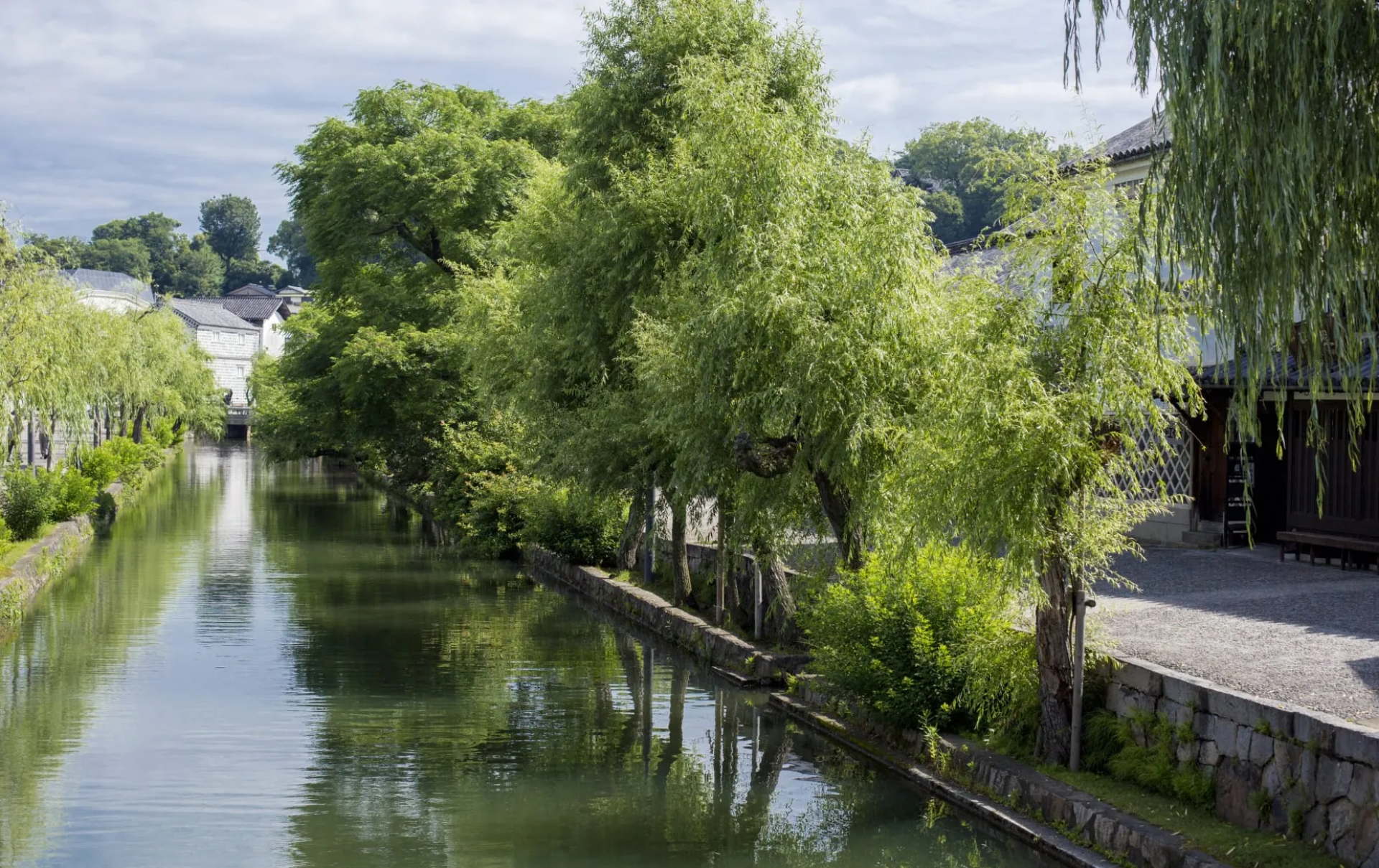
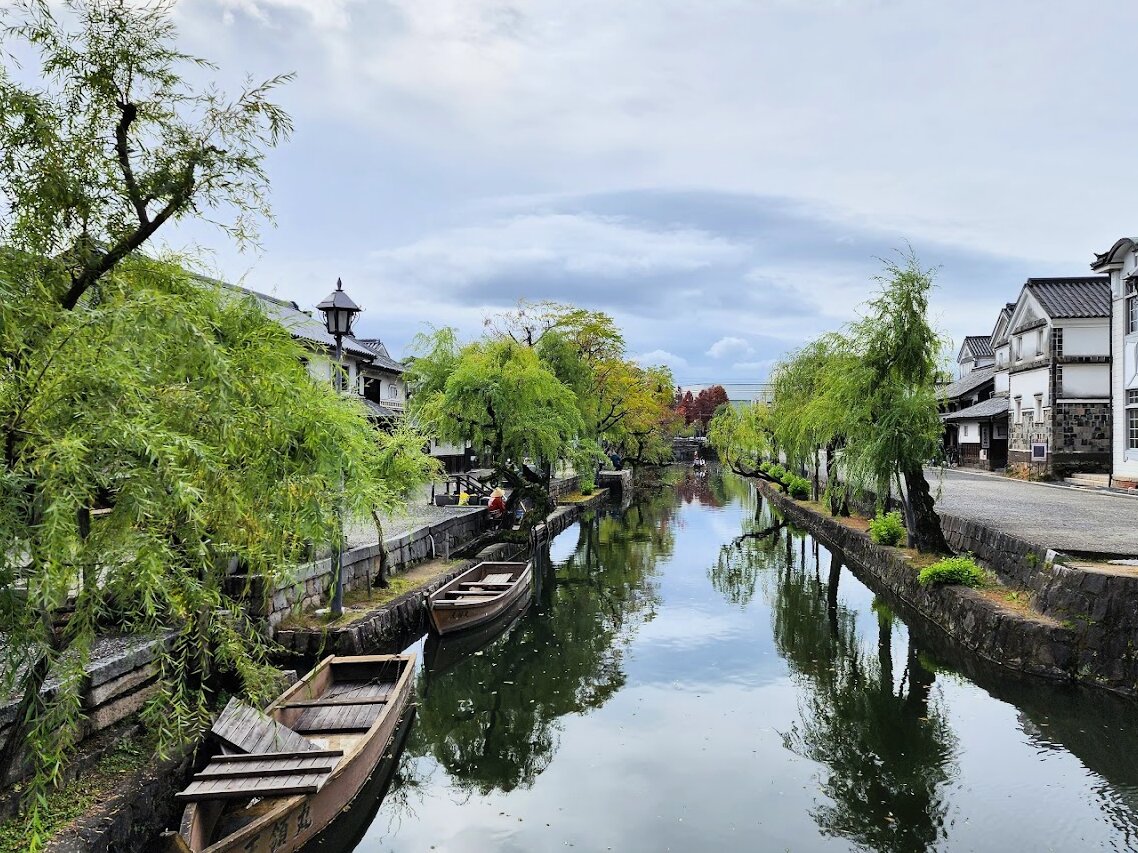
The Bikan Historical Quarter was a prosperous commercial center during the Edo period (1603–1868), known for its rice storehouses and river transport. Its importance lies in being one of Japan’s best-preserved areas with exceptional traditional charm, reflected in its white-walled buildings, tiled roofs, and willow-lined canals—a living testament to its mercantile and cultural legacy.

What is the best time of year or time of day to visit Kurashiki Bikan?

Spring (March–May), with cherry blossoms, and autumn (October–November), with fall colors, are the most popular seasons. However, any time is good. To avoid crowds and enjoy a quieter atmosphere, we recommend visiting early in the morning (before 10:00 AM) or in the late afternoon, just before dusk, when the lighting enhances its charm.

Is the Bikan Historical Quarter accessible for people with reduced mobility or wheelchair users?

In general, the main streets of the Bikan Historical Quarter are flat and paved, making wheelchair access easier. However, some older buildings and museums may have steps or limited access. It is recommended to contact specific attractions directly, such as the Ohara Museum of Art, for detailed accessibility information. You can find their contact details at Ohara Museum of Art.

Are there other interesting attractions near the Bikan Historical Quarter that are worth visiting?

Absolutely! Very close by, you can visit the Kurashiki Museum of Folkcraft Toys, which is fascinating. Within a short distance, you will also find Achi Shrine, a Shinto shrine with beautiful terraces and views. If you are looking for something different, the shopping area of Kurashiki is full of modern shops and restaurants.

What practical tips would you give me to make the most of my visit to the Bikan Historical Quarter?

My best advice is to stroll slowly, stopping to admire the architecture and details. Consider taking a canal boat ride for a unique perspective. Try the local cuisine and do not forget to visit the local market for souvenirs. And of course, do not forget your camera to capture its beauty! Be prepared to walk and wear comfortable shoes.

¿Prefieres escuchar en español?

🇪🇸 Escucha la audioguía de Bikan Historical Quarter en español