Donde los dioses juegan al escondite con la marea y los pilares guardan monedas de 500 años
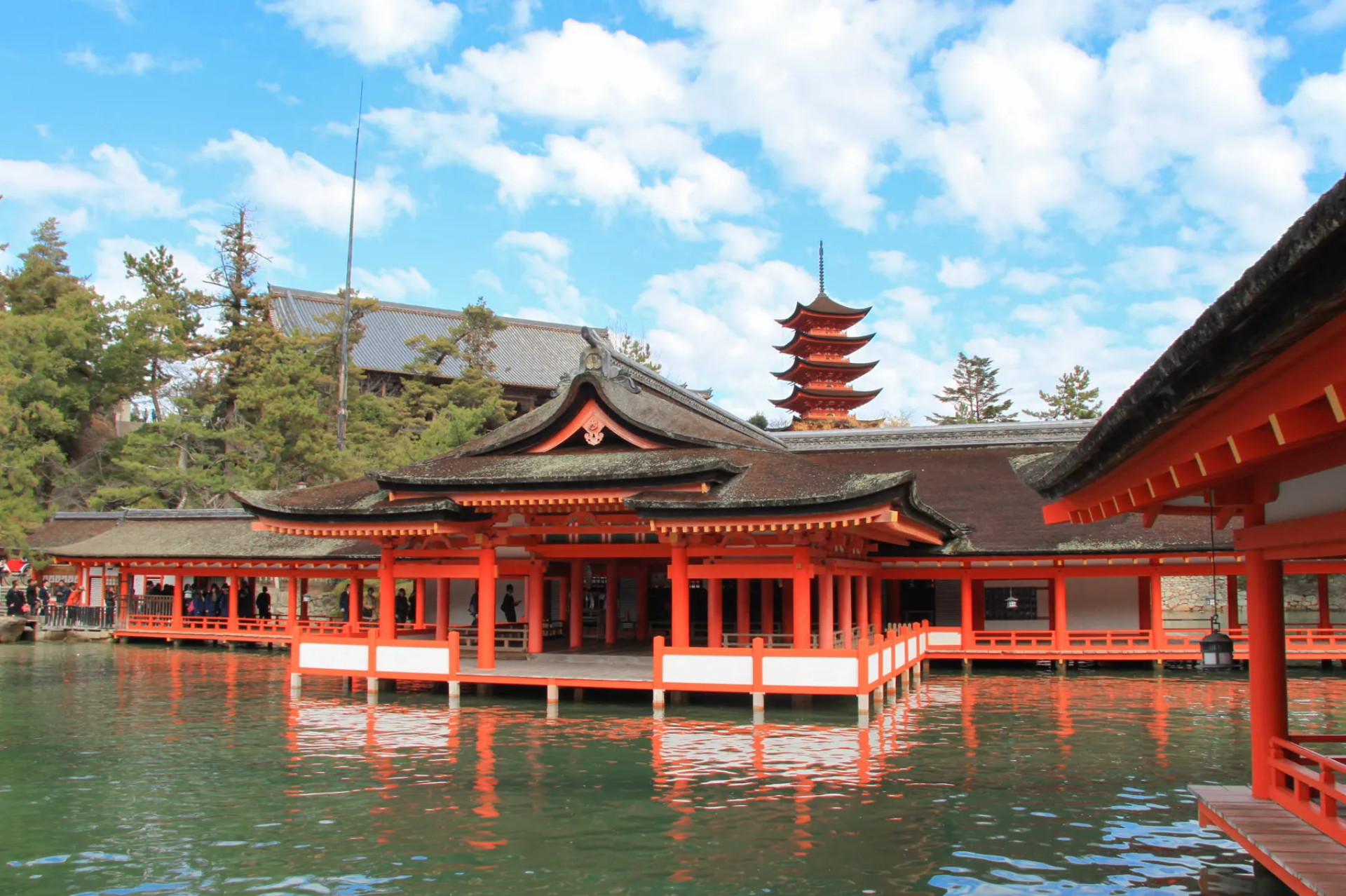
Itsukushima Shrine is generally open from 6:30 AM to 6:00 PM, although hours may vary by season. It is always important to check the latest opening times on the official website before your visit. To get there, you first need to take a ferry from Miyajimaguchi Pier in Hiroshima, which takes about 10 minutes to Miyajima Island. The shrine is within easy walking distance from the ferry port. You can check shrine and ferry schedules at this link: Japan Guide - Itsukushima Shrine.
Yes, there is an admission fee to access the walkways of Itsukushima Shrine, although the famous floating torii can be seen free of charge from outside. Admission is 300 yen for adults and 200 yen for elementary and junior high school students. Please note that these prices may change, so it is advisable to check the latest information on site or on the official website.
For a full visit to Itsukushima Shrine itself, including walking along its corridors and viewing the famous torii, 1 to 2 hours is usually recommended. However, if you plan to explore the rest of Miyajima Island, such as hiking Mount Misen or visiting other attractions like Daisho-in Temple, I recommend setting aside at least half a day or even a full day. Miyajima is a place to enjoy at a relaxed pace.
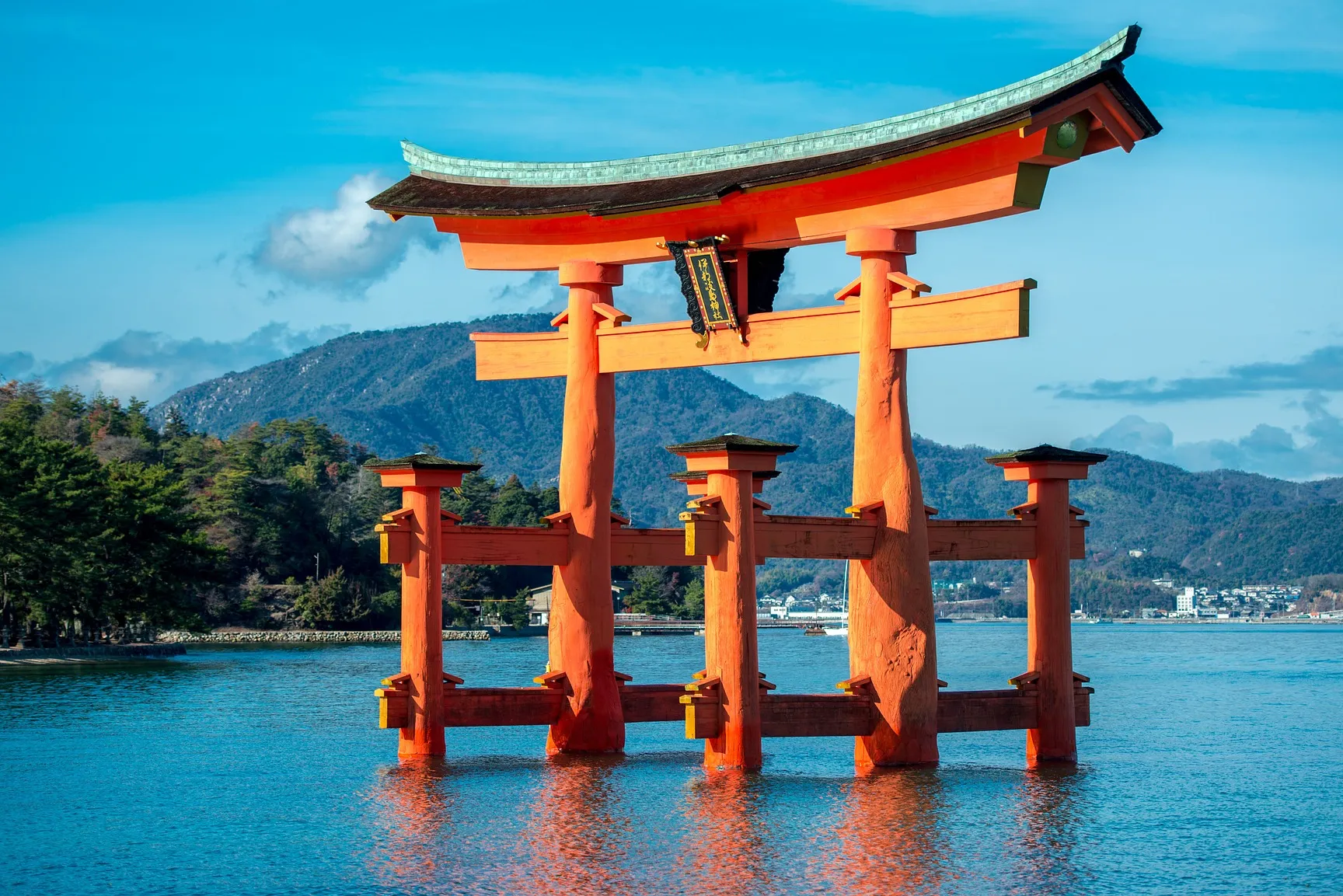
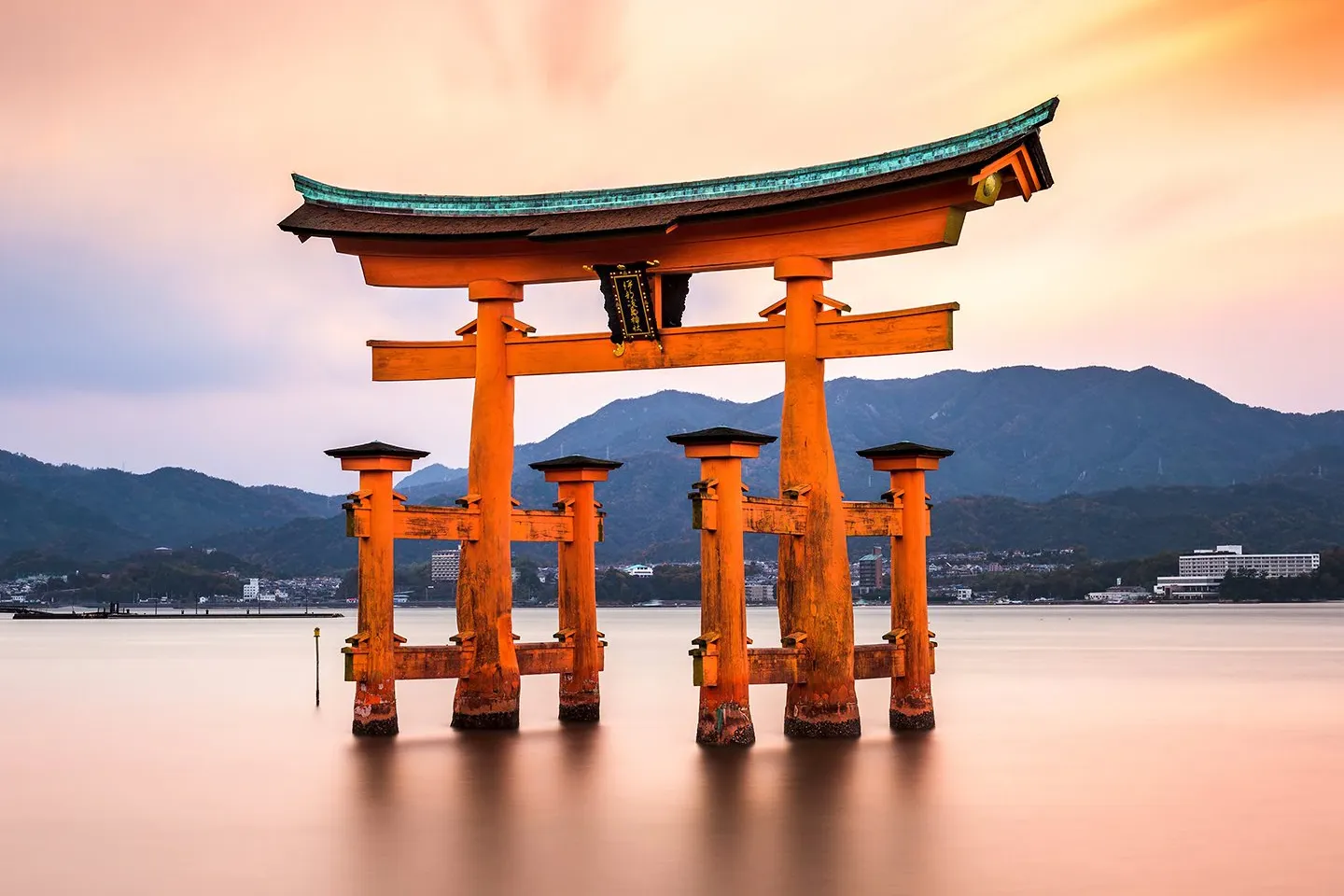
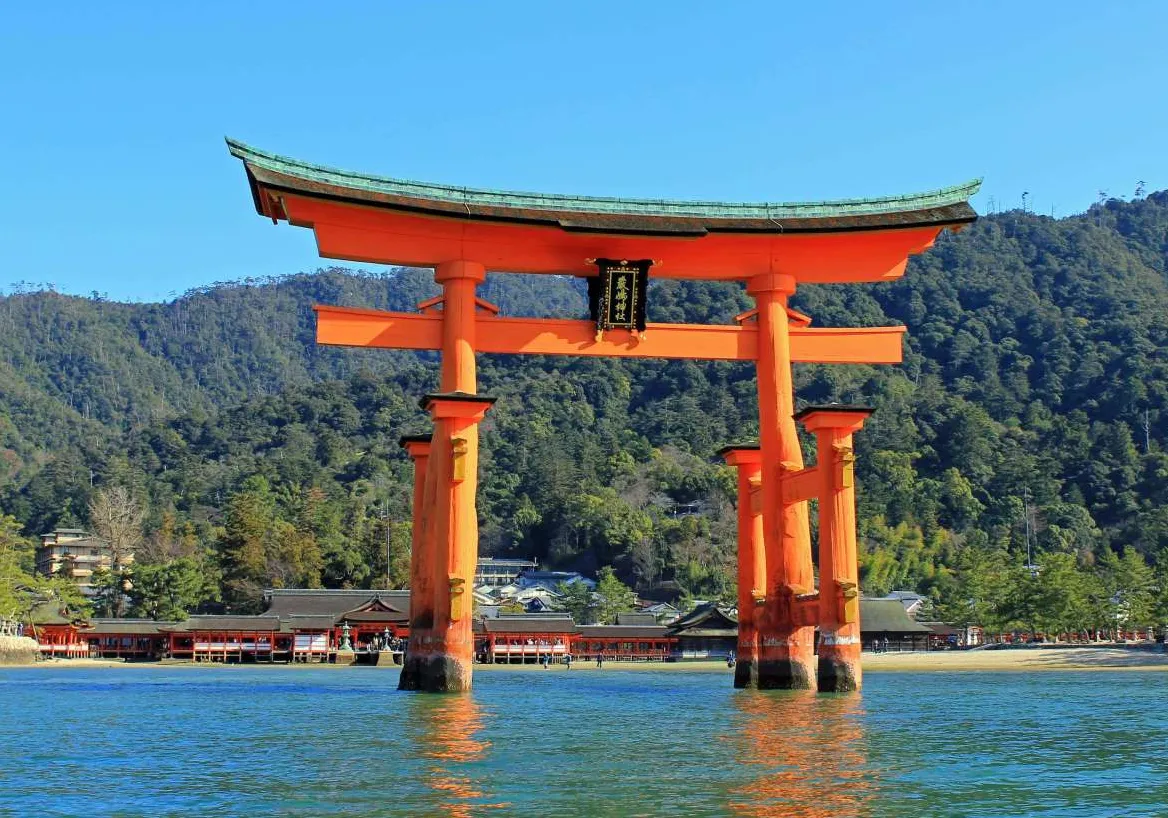
Itsukushima Shrine has a history of more than 1,400 years and is famous for its iconic floating torii gate, which appears to float on the water at high tide. It is dedicated to the three goddess daughters of Susanoo-no-Mikoto and has been a sacred Shinto site since ancient times. It is a UNESCO World Heritage Site and a symbol of harmony between nature and Japanese architecture. Its design is intended to honor the sea and the mountains, blending perfectly into the landscape.
The best time to visit Itsukushima Shrine is at high tide to see the floating torii, and at low tide to walk out to its base. It is essential to check a tide table before you go: Itsukushima Tide Table. As for the best time of year, spring (late March to early April) for cherry blossoms and autumn (mid-November) for foliage are spectacular. To avoid large crowds, try to go early in the morning or later in the afternoon.
Itsukushima Shrine may present some accessibility challenges due to its traditional design with walkways and steps, especially in certain areas. However, efforts have been made to improve accessibility in parts of the complex. It is recommended to contact the shrine directly or check with the local Miyajima tourist office before your visit for detailed and up-to-date information on accessible routes. Most ferries to Miyajima are accessible.
There is much more to see on Miyajima Island besides the shrine. Do not miss Daisho-in Temple, a Buddhist temple with unique charm and many statues. You can also go up Mount Misen, either on foot or by ropeway, to enjoy stunning panoramic views. The island is also famous for its free-roaming deer, which are very photogenic, and for its delicious local oysters. Be sure to explore Omotesando Shopping Street as well to try local specialties and buy souvenirs.
Of course! First and most importantly: check the tide tables so you can plan your visit to see the torii both floating and on foot. Wear comfortable shoes because you will do quite a bit of walking. Be careful with the deer; they are friendly but may try to get your food. Finally, consider staying overnight on Miyajima to experience the illuminated shrine without the daytime crowds—it is magical! Do not forget to bring a power bank for your phone; you will want to take lots of photos.
¿Prefieres escuchar en español?
🇪🇸 Escucha la audioguía de Itsukushima Shrine en español