No te vayas sin conocer la historia Suscribete
IAudioGuia iaudioguia
Audio Guides of Hiroshima

Audio Guide of Hir Shrine

Discover the history and secrets of this place with our audio guide.

✓ What guidebooks don't tell you
✓ Secrets other tourists miss
✓ Listen while you explore
Discover everything
00:00
00:00

📖 Audio Guide Chapters

6 chapters

1. Introduction

🔒 Premium Content

Subscribe to access all chapters of this audio guide.

2. History of the Shrine

🔒 Premium Content

Subscribe to access all chapters of this audio guide.

3. Architecture and Design

🔒 Premium Content

Subscribe to access all chapters of this audio guide.

4. Rituals and Celebrations

🔒 Premium Content

Subscribe to access all chapters of this audio guide.

5. Nature and Surroundings

🔒 Premium Content

Subscribe to access all chapters of this audio guide.

6. How to Get There and Visiting Tips

🔒 Premium Content

Subscribe to access all chapters of this audio guide.

❓ Frequently Asked Questions

How do I get to Hir Shrine and what are its opening hours?

The shrine is usually accessible throughout the day for worship, although the administrative office generally operates from 9:00 AM to 4:00 PM. To avoid getting lost, I recommend checking the fastest route by train or bus on the day of your visit using Google Maps.

Is there an entrance fee, or is the visit free?

As with most Shinto shrines, entry to the sacred grounds is **completely free**. You will only need to bring cash if you wish to purchase amulets (omamori) or if you want to obtain a commemorative seal (Goshuin) in your pilgrim's book.

How much time should I set aside to enjoy the shrine at a relaxed pace?

It's a visit best enjoyed without rushing; I recommend setting aside between **45 minutes and one hour**. This will give you enough time to walk through the gardens, offer your prayers, and soak in the peaceful atmosphere without feeling pressured by the clock.

What is the historical or cultural significance of this shrine?

This place is a vital point of connection with Shinto traditions, centered on the veneration of nature and local spirits (Kami). Its architecture and rituals reflect centuries of preserved history, offering an authentic window into spiritual Japan beyond the crowded tourist routes.

What is the best time of year or day to visit?

To avoid crowds and feel the true energy of the place, go **early in the morning** (before 10:00 AM). As for the season, spring and autumn offer spectacular scenery that further enhances the shrine's traditional architecture.

Is the site accessible for people with reduced mobility?

Keep in mind that, like many historic shrines, there are gravel paths (sando) and some steps that can make wheelchair access difficult. I suggest going with a companion or checking specific accessibility details on Japan Accessible Tourism before your visit.

What other tourist spots are nearby to make the most of the day?

Take advantage of your visit to explore the immediate natural surroundings and local cuisine. Depending on your pace, you can combine this stop with other smaller temples in the area; check nearby recommendations on TripAdvisor to optimize your route.

What practical tips would you give to make the most of the visit?

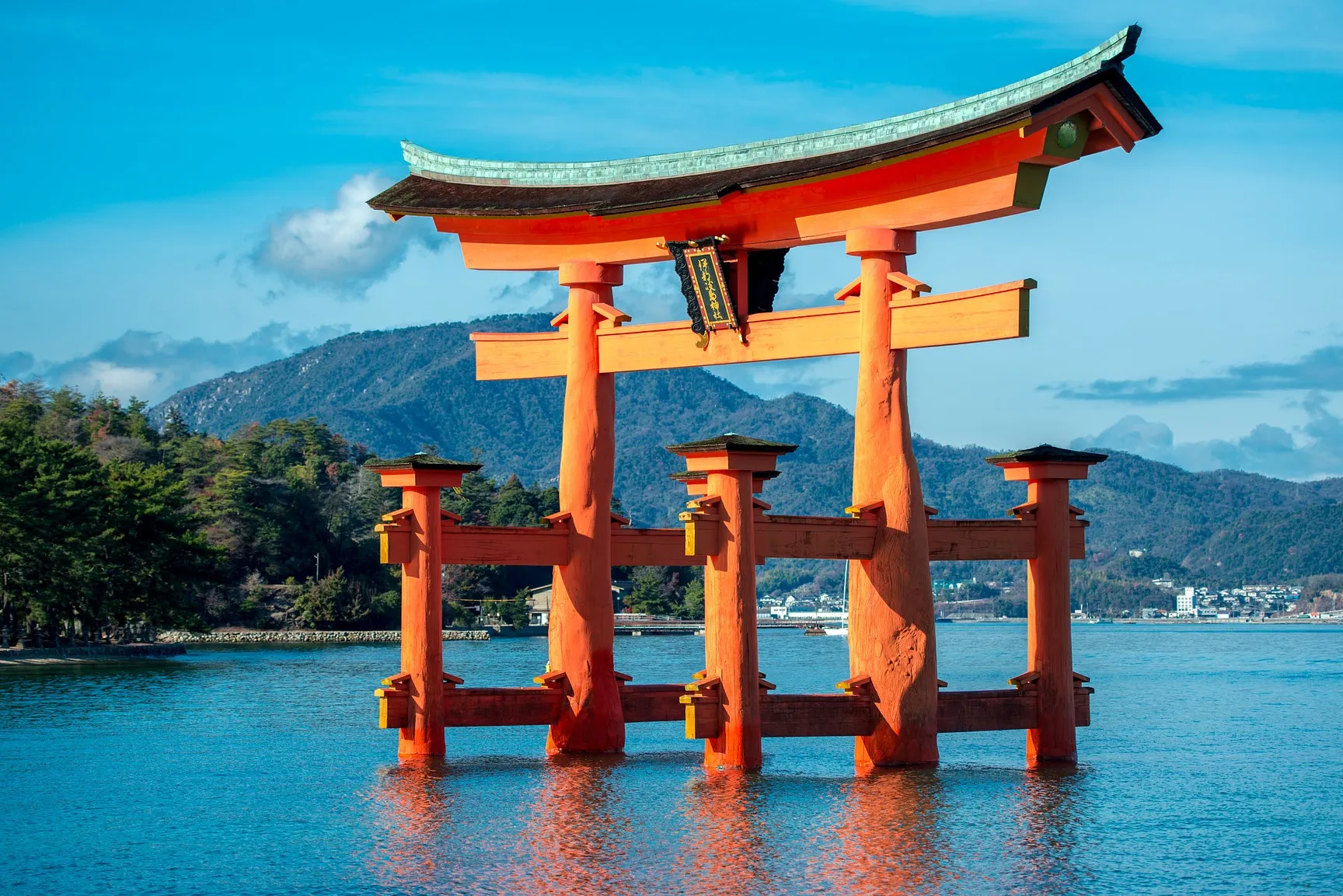
Respect the protocol: bow before passing through the torii gate and purify your hands at the water basin (temizuya) before praying. And an expert tip: bring an audio guide downloaded on your phone to understand what you see, as signage in other languages can be scarce.

¿Prefieres escuchar en español?

🇪🇸 Escucha la audioguía de Hir Shrine en español