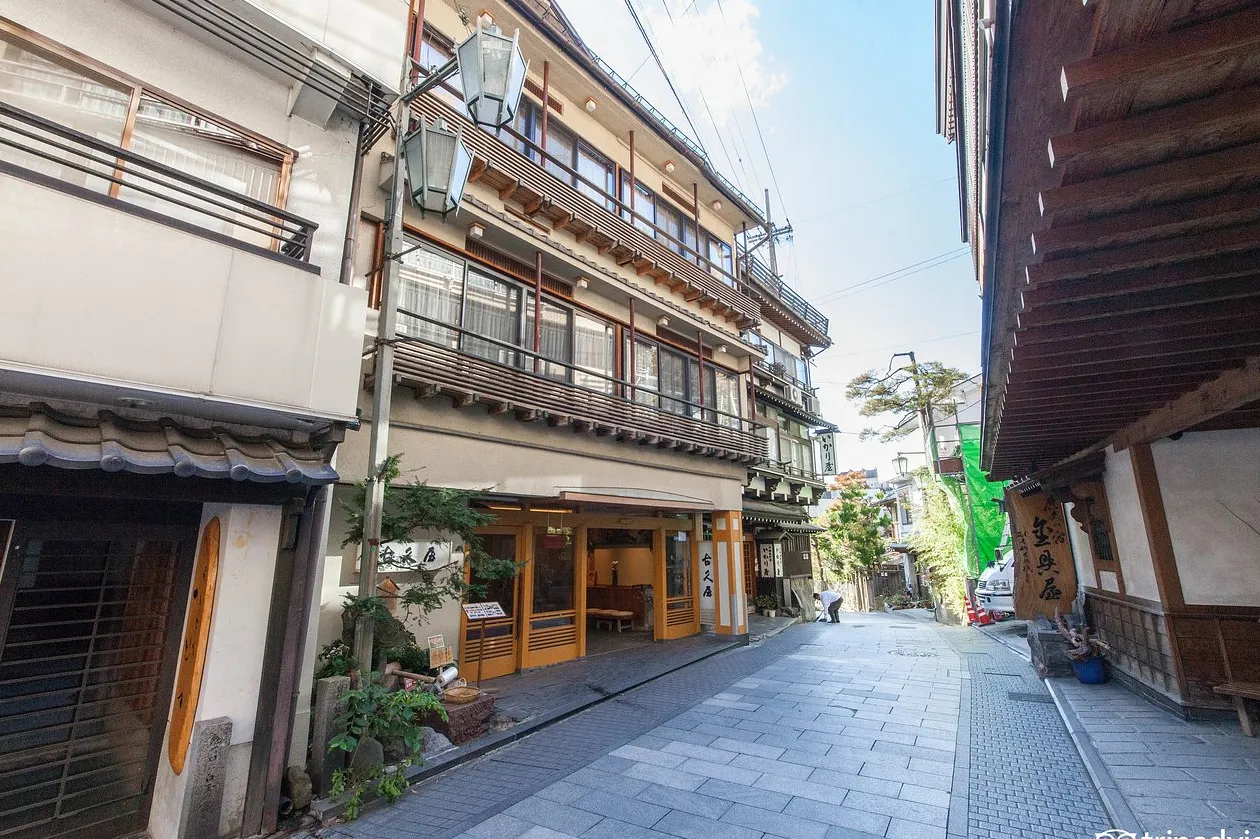
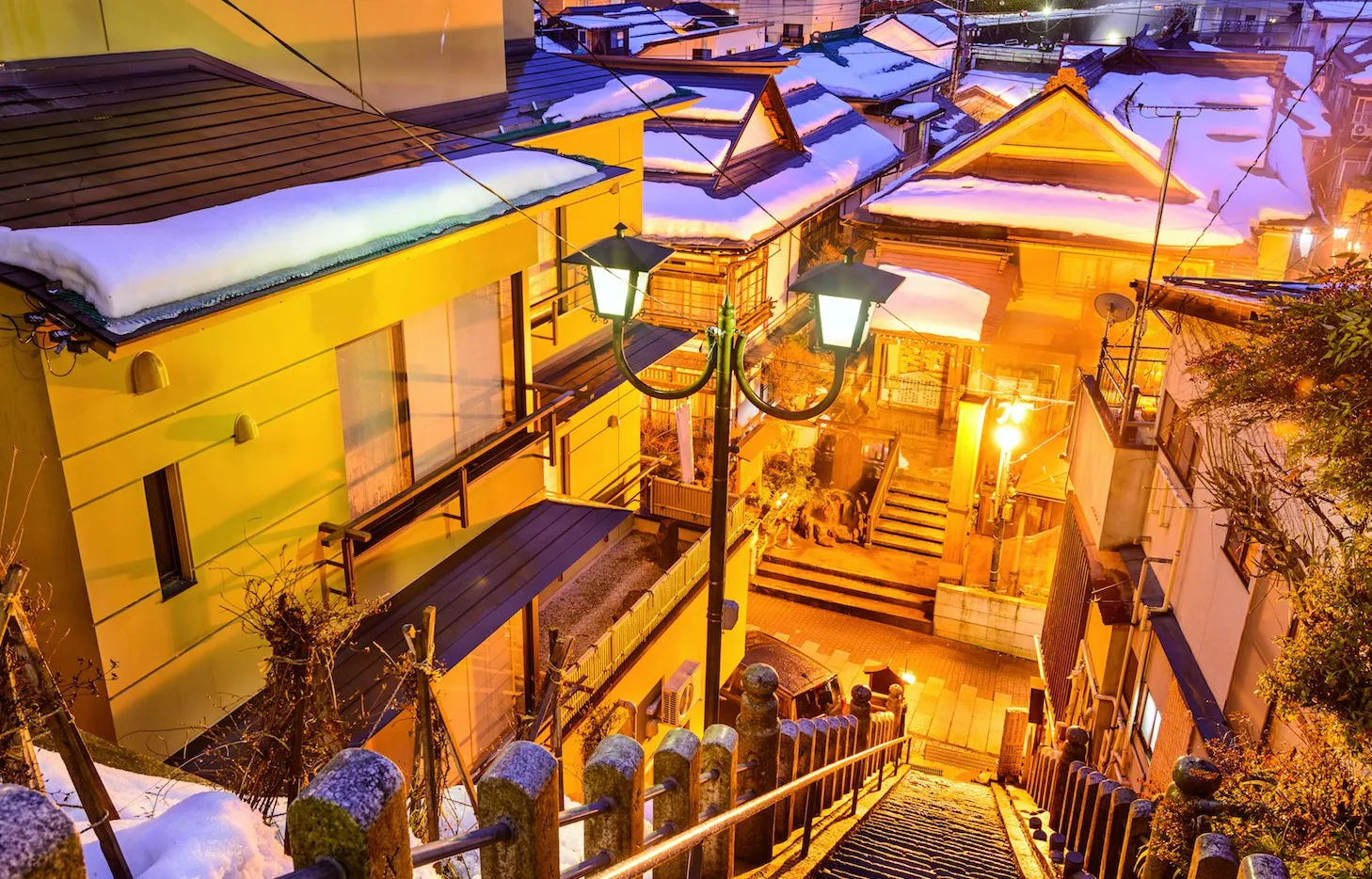
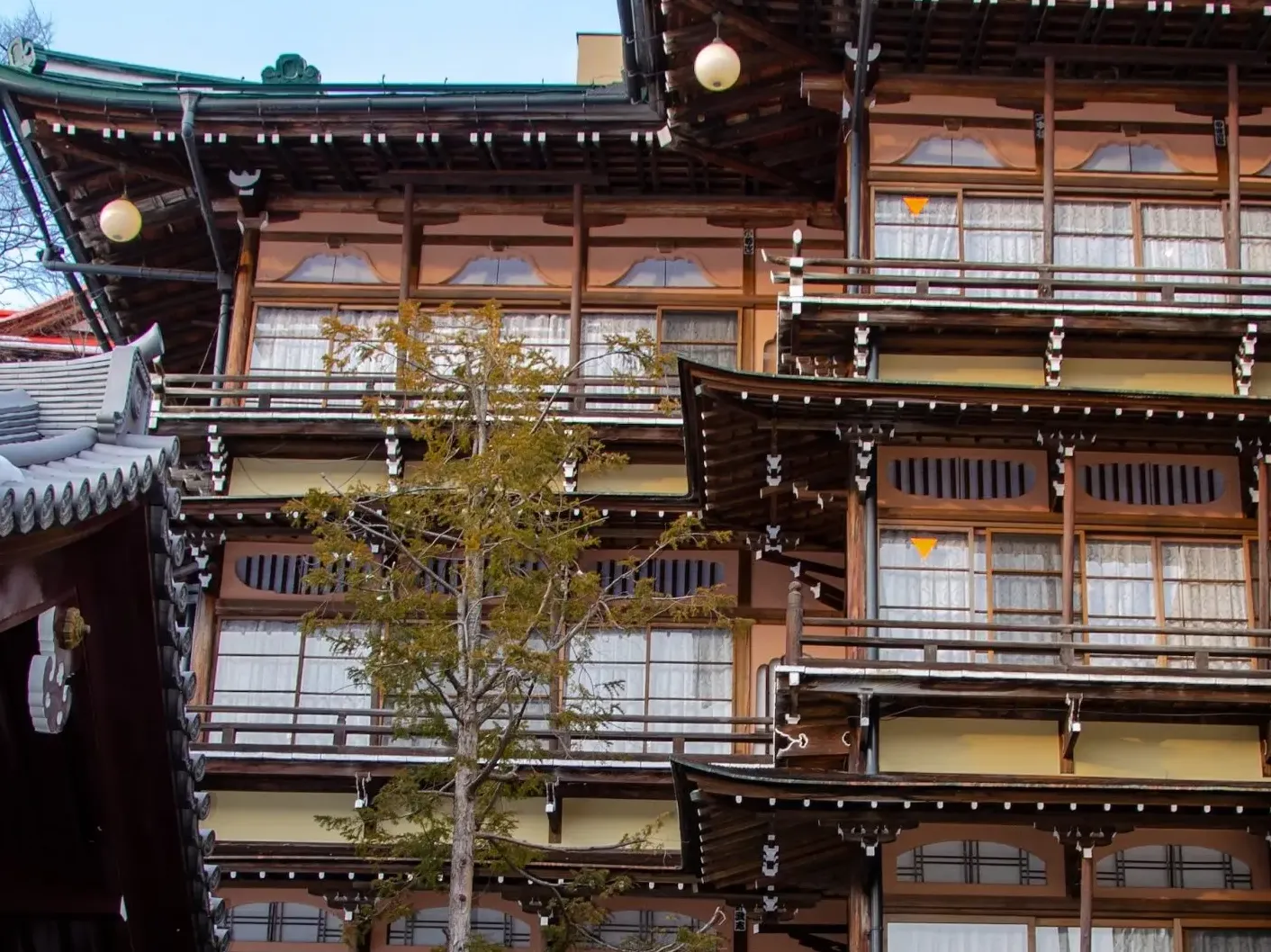
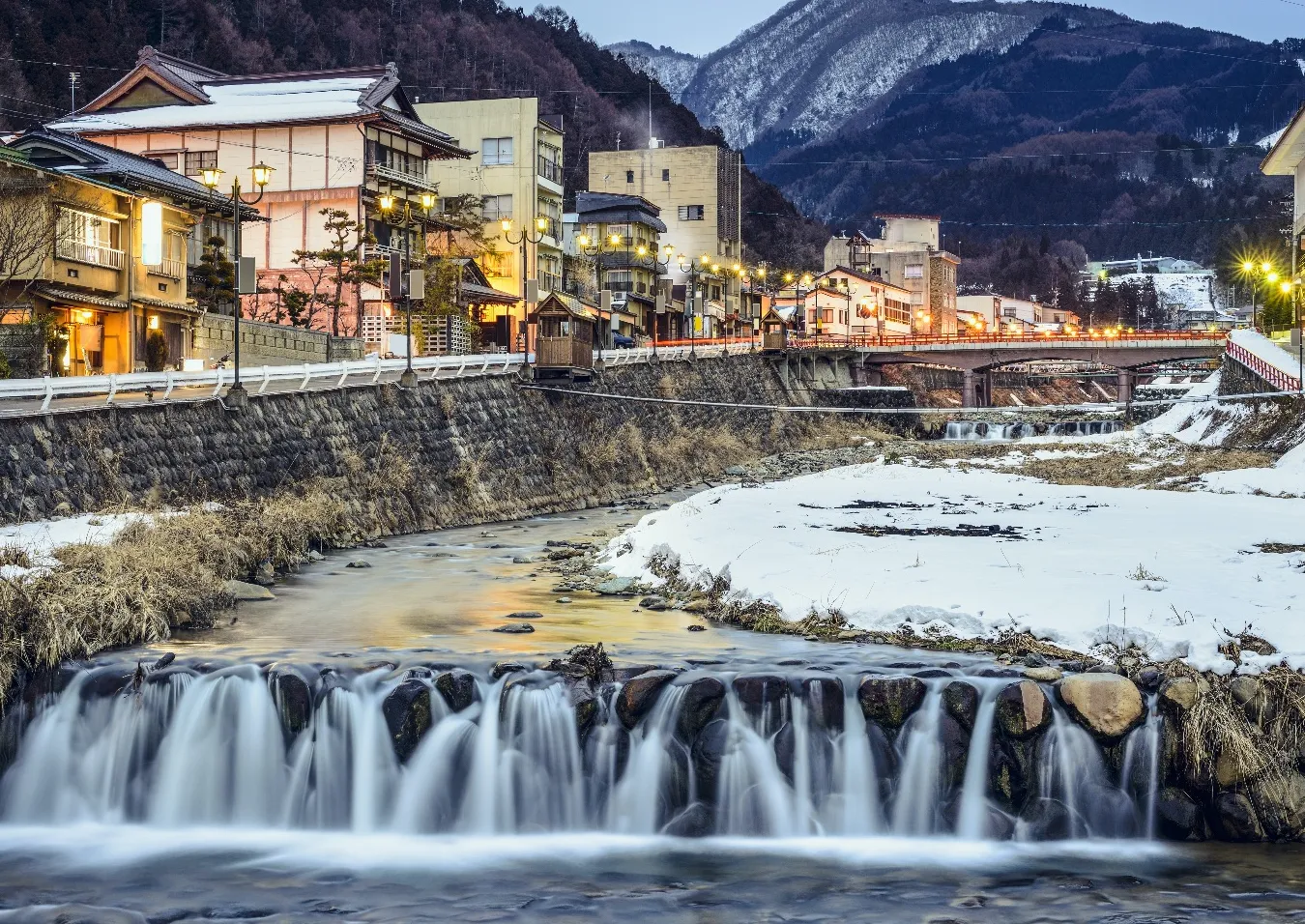
Shibu Onsen es un pueblo termal milenario en las montañas nevadas de Yamanouchi, Japón, famoso por sus nueve baños públicos históricos y la tradición de sumergirse en aguas curativas al aire libre.
The public hot springs in Shibu are generally open from 6:00 a.m. to 10:00 p.m., although it is important to check directly with the ryokan where you are staying, as access to the town’s nine public baths (sotoyu) is exclusive to their guests. If you are not staying in Shibu, you can enjoy private baths at some ryokan or use foot baths. We recommend visiting the official Shibu Onsen tourism website for more details: Shibu Onsen (English).
Access to the nine public baths (sotoyu) at Shibu Onsen is free for guests staying at a ryokan in town. You will receive a special key at check-in. If you are not staying there, you may pay to use private baths at some ryokan or enjoy a free foot bath. For detailed cost information, you can check with the Yamanouchi Tourism Office: Yamanouchi Walk (English).
To fully enjoy the experience of the nine public baths and the traditional atmosphere of Shibu, a full day staying at a ryokan is recommended. This will allow you to stroll around in your yukata, visit the different baths, and soak up the village’s atmosphere. If you are only visiting for the day, about 3 to 4 hours will give you enough time to explore the streets and try a foot bath or a paid private bath.
Shibu Onsen is a hot spring town with more than 1,300 years of history, famous for its nine public baths (sotoyu), each with different healing properties. It is said that visiting all of them brings good fortune. Its traditional atmosphere and the ritual of stamping a cloth at each bath make Shibu a unique and culturally rich hot spring experience. You can learn more about its history on Wikipedia: Shibu Onsen (Wikipedia).
Shibu Onsen is charming in every season. Winter is magical, with the chance to see the snow monkeys at nearby Jigokudani Monkey Park, while spring and autumn offer beautiful scenery. At night, the village’s traditional atmosphere glows under lantern light, creating a very special setting that is ideal for walking between baths. To avoid crowds, consider visiting on weekdays.
The village of Shibu Onsen, with its cobbled streets and some uneven areas, presents accessibility challenges for wheelchair users in some of its older baths. However, many modern ryokan have adapted their facilities with elevators and accessible baths. We recommend contacting your chosen ryokan directly or the Yamanouchi Tourism Office to confirm the availability of specific facilities. Tourism Office phone number: +81 269-33-2138.
A short distance from Shibu Onsen is the famous Jigokudani Snow Monkey Park, where you can see Japanese macaques bathing in hot springs. You can also explore the charming town of Obuse, known for the Hokusai Museum and its sweets. Another option is to head up to the Shiga Kogen ski area if you visit in winter. See the Snow Monkey Park website here: Jigokudani Yaen-koen (English).
Of course! First, if you plan to use all 9 public baths, make sure to book accommodation at a ryokan in Shibu to get the access key. Do not forget to bring a small towel, yukata, and geta (Japanese sandals), which are usually provided by the ryokan. Try the local food, and do not miss the ritual of stamping your cloth at each bath for good luck. And of course, relax and enjoy the authentic Japanese hot spring experience!
¿Prefieres escuchar en español?
🇪🇸 Escucha la audioguía de Shibu Hot Springs en español