No te vayas sin conocer la historia Suscribete
IAudioGuia iaudioguia
Audio Guides of Shirakawa Go

Audio Guide of Wada House

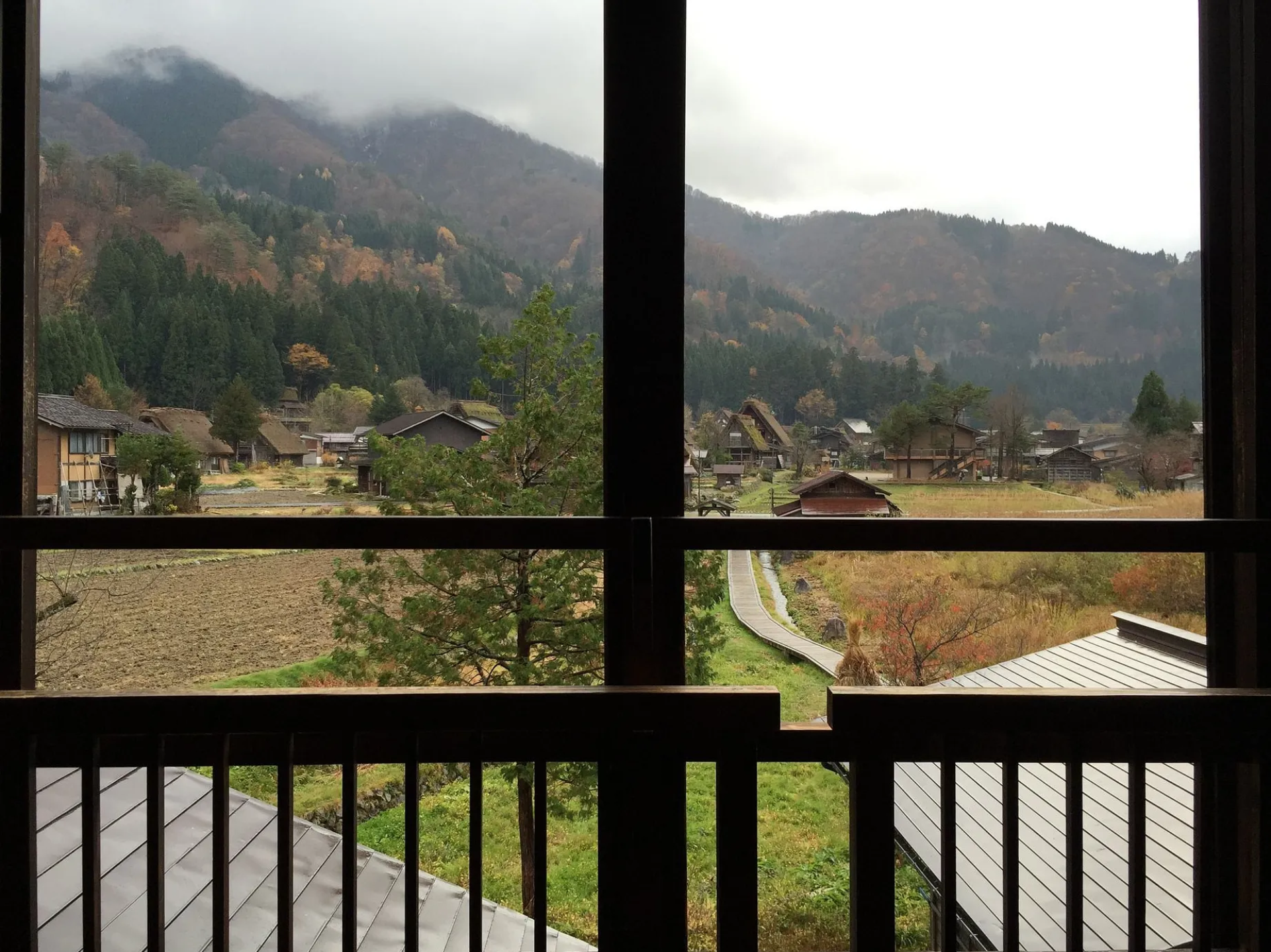
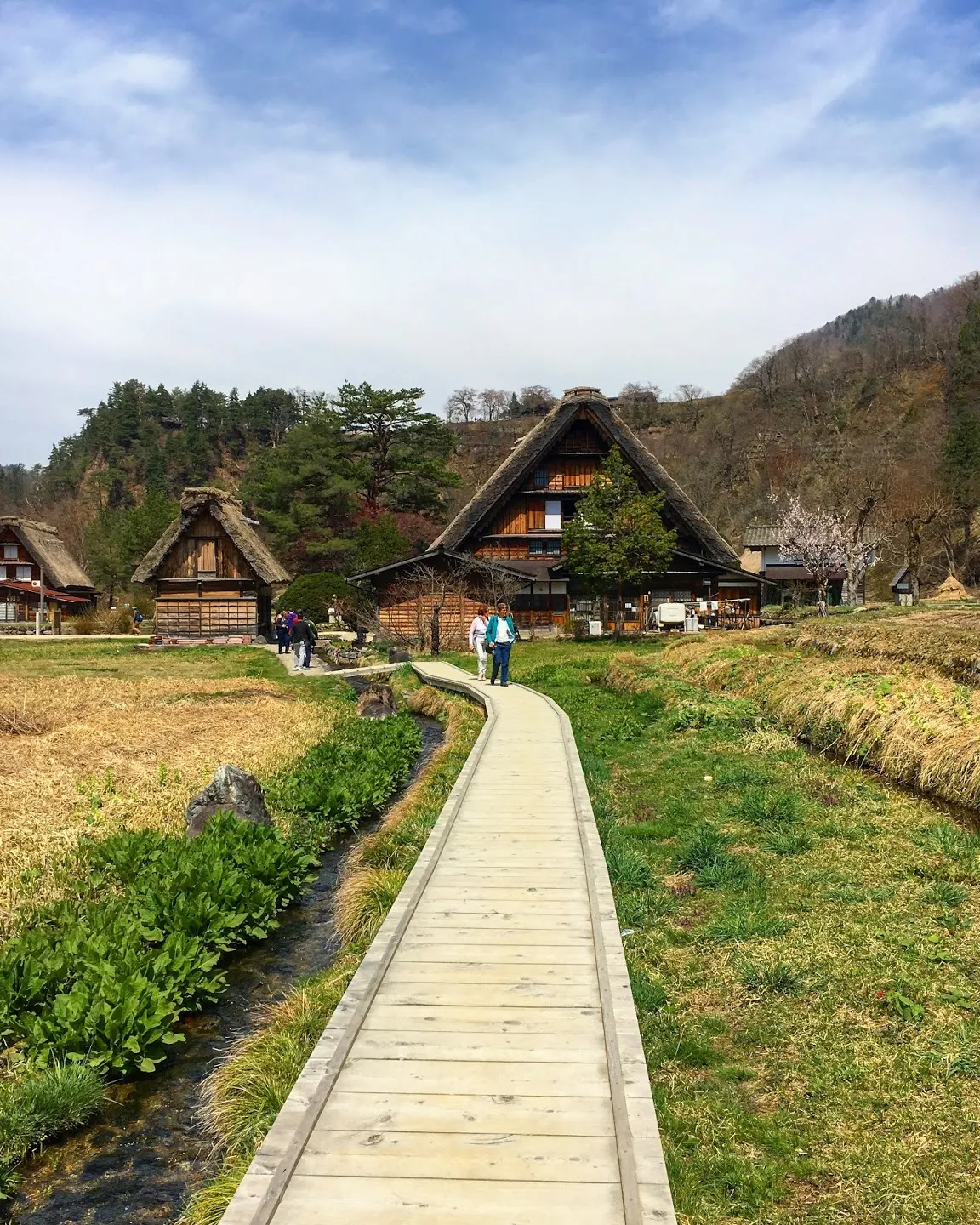
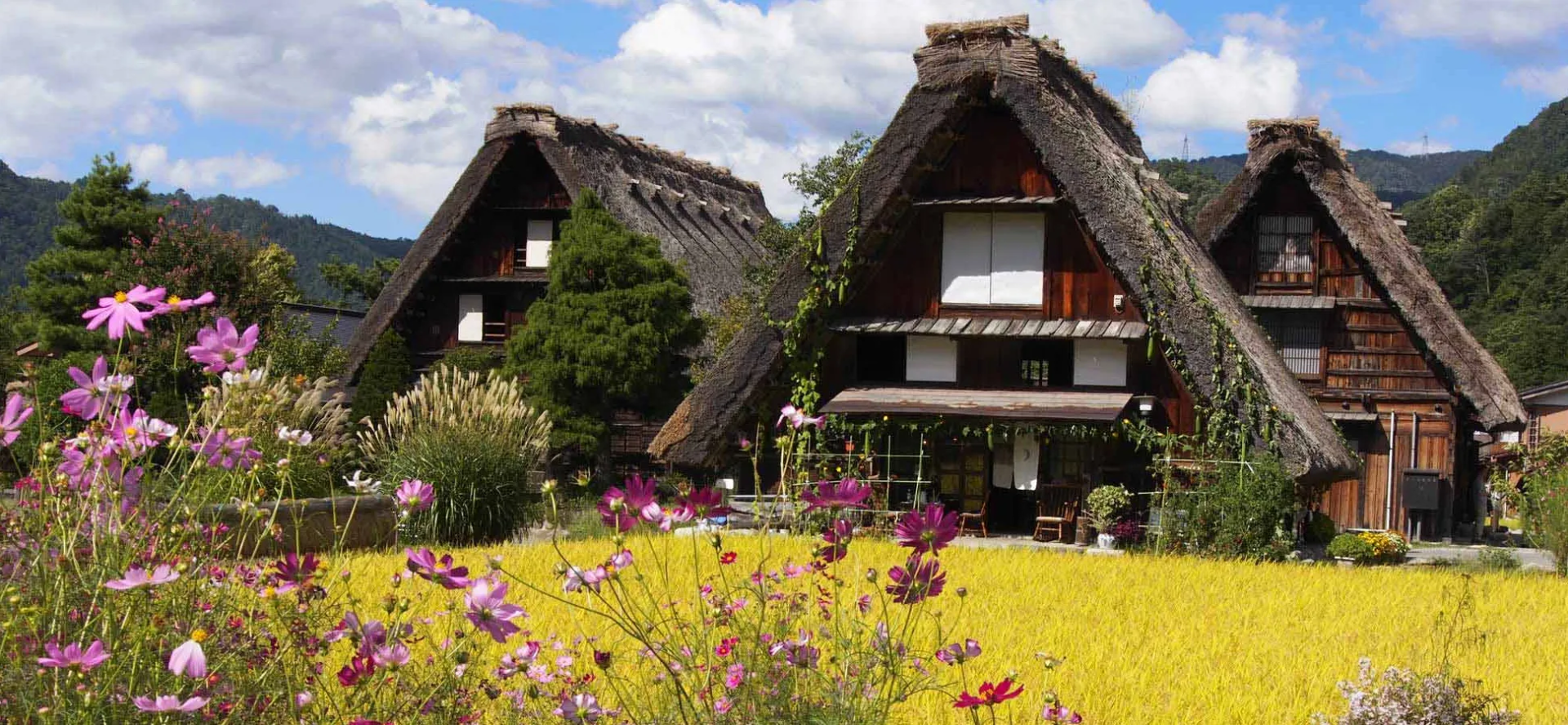
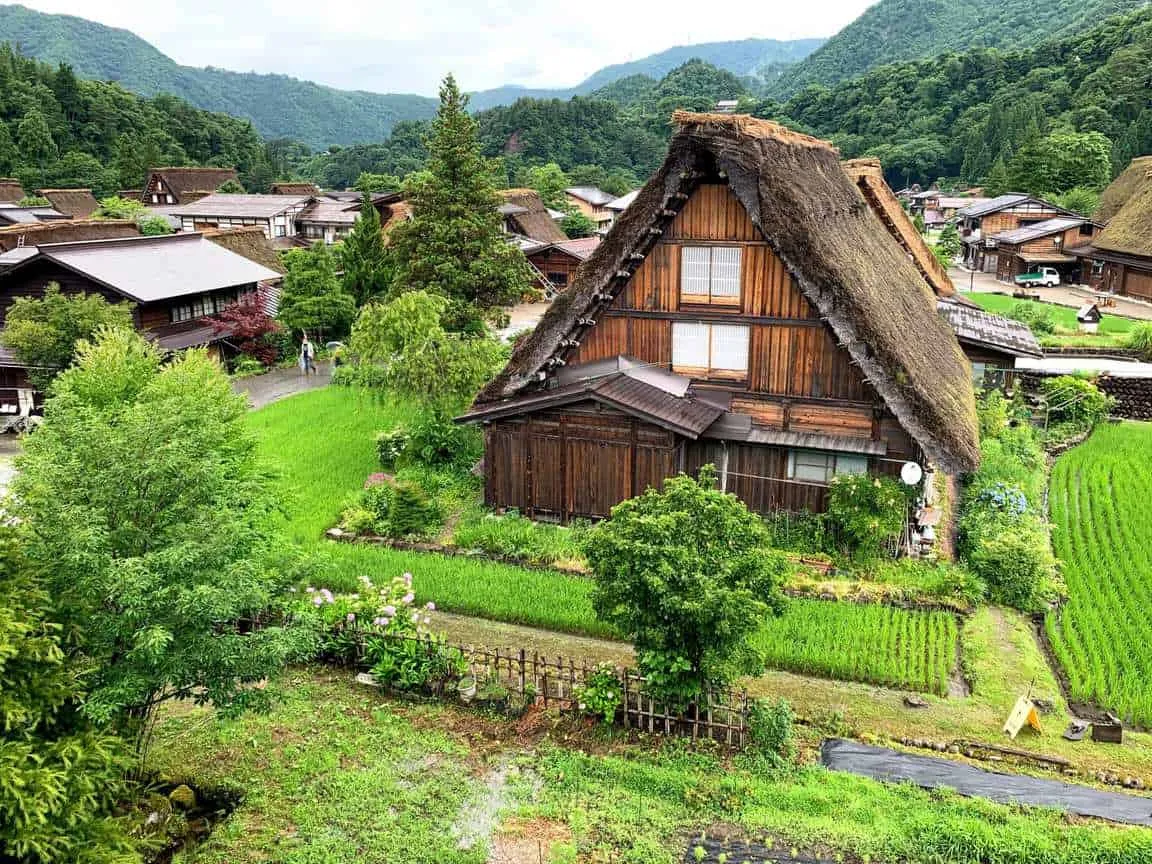
An iconic 19th-century traditional Japanese farmhouse in Shirakawa-go, an outstanding example of gassho-zukuri architecture recognized as a UNESCO World Heritage Site.

✓ What guidebooks don't tell you
✓ Secrets other tourists miss
✓ Listen while you explore
Discover everything
00:00
00:00
Rate this audio guide

📖 Audio Guide Chapters

6 chapters

1. Introduction and History

🔒 Premium Content

Subscribe to access all chapters of this audio guide.

2. Architecture and Design

🔒 Premium Content

Subscribe to access all chapters of this audio guide.

3. Art and Decoration

🔒 Premium Content

Subscribe to access all chapters of this audio guide.

4. Historical Figures

🔒 Premium Content

Subscribe to access all chapters of this audio guide.

5. Curiosities and Legends

🔒 Premium Content

Subscribe to access all chapters of this audio guide.

6. Cultural Importance and Legacy

🔒 Premium Content

Subscribe to access all chapters of this audio guide.

❓ Frequently Asked Questions

What are the opening hours of Wada House and how can I get there?

Wada House is open from 9:00 AM to 6:00 PM during the summer season (April to September) and from 9:00 AM to 5:00 PM in winter (October to March), though it is recommended to check for updates. To get there, take a bus from the Shirakawa-go bus terminal, which is about a 10-minute walk from the site; the village is accessible by train from Nagoya or Takayama. More details are available on the official Shirakawa-go website.

How much is admission to Wada House and do I need to buy tickets in advance?

Admission costs 300 yen for adults and 100 yen for children, and it is free for visitors under 15 years old. Advance booking is not required, as tickets are purchased on site, but there may be lines during peak season. Check updated prices on the official website.

How much time is needed to visit Wada House?

It is recommended to allow at least 30 to 45 minutes to explore the house, climb to the attic, and read about its architecture. If you combine it with a walk through the village, the visit could extend to about an hour. It is a compact visit, ideal to include in a morning tour.

What is the history or cultural importance of Wada House?

Wada House is an iconic example of gassho-zukuri architecture, built in the 17th century by a wealthy silk merchant family, and it represents the traditional style of thatched-roof houses in Shirakawa-go, which was designated a UNESCO World Heritage Site in 1995. It serves as a museum illustrating rural Japanese life and engineering adapted to the snowy climate. Its preservation highlights the cultural heritage of Gifu Prefecture.

What is the best time of year or day to visit Wada House?

The best time is during autumn (October to November) for the vibrant colors or in spring for the cherry blossoms, avoiding the intense winter cold that covers the site in snow. Go early in the morning, around 9:00 AM, to avoid crowds and enjoy natural light for photos. In summer, the afternoons are pleasant but busier.

Is Wada House accessible for people with reduced mobility?

The house has steep stairs and traditional flooring that are not wheelchair accessible, but the surrounding village area is mostly flat and has ramps in some places. Assistance is recommended for climbing to the attic; contact the Shirakawa-go visitor center at +81-5769-2-1013 for adapted options. Overall accessibility is limited due to the site's historic nature.

What other attractions are near Wada House?

Nearby you will find other gassho-zukuri houses such as Nagase House and the Shirakawa-go Open-Air Museum, just a few minutes away on foot. Deai Bridge and the Ogimachi viewpoint offer panoramic views of the village. Explore the area on a combined tour for a complete experience of this UNESCO village.

What are some practical tips for my visit to Wada House?

Wear comfortable shoes for walking on stone-paved paths and bring something warm in winter because of the cold temperatures; do not forget your camera for photos of the thatched roof. Pick up a map at the tourist information center when you arrive, and consider an audio guide if available to better understand the history. Avoid touching artifacts and respect the no-smoking rules on site.

¿Prefieres escuchar en español?

🇪🇸 Escucha la audioguía de Wada House en español