An ancient celebration in the mountains of Gifu that blends Shinto rites, agricultural traditions, and World Heritage gassho-zukuri architecture.
The Doburoku Matsuri is held every year from October 14 to 19, with the main days being October 14 and 15 at Shirakawa Hachiman Shrine. To get there, you should take a bus from Takayama or Kanazawa; I recommend booking in advance through Nohi Bus, as direct train access to the village is not possible.
Watching the processions and lion dances is free, but to take part in the Doburoku offering (unrefined sake), a small contribution is usually requested in exchange for a red ceremonial cup. It is a unique experience, so bring some cash to get your commemorative cup at the shrine itself.
I recommend setting aside at least half a day (around 3 or 4 hours) to enjoy the festival rituals and explore the village at a relaxed pace. If you want to delve deeper into the history as you walk, our audio guide will help you make the most of your time by explaining every cultural detail instantly.
This festival has more than 1,300 years of history and celebrates the harvest by offering a thick white sake to the mountain gods. Shirakawa-go is one of the few places in Japan with a special permit to brew this homemade liquor at the shrine, a tradition you can learn more about on the Shirakawa-go Tourism website.
To see the main rituals, try to arrive early in the morning on October 14 or 15, when the Shinto ceremonies begin. Tourist buses usually arrive around midday, so the early hours guarantee better photos and a more spiritual atmosphere.
Access can be challenging because this is a historic village with dirt and gravel paths, and the shrine has some uneven areas. Although it is possible to move along the main routes, visiting with a companion is recommended; check accessibility maps at the local tourist information center.
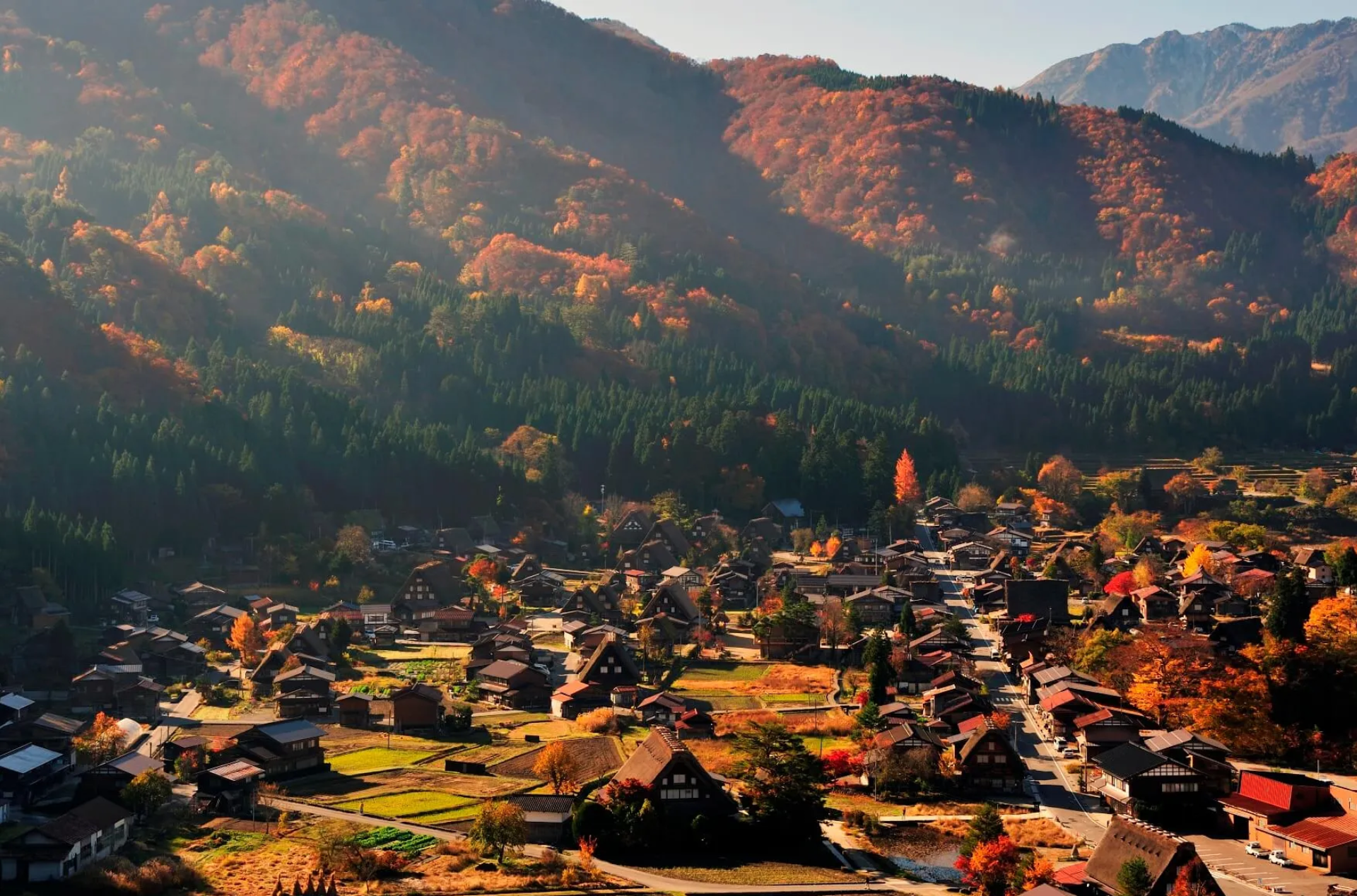
In addition to the shrine, it is essential to visit the Wada House, designated a National Treasure, and head up to the Shiroyama viewpoint for a panoramic view of the gassho-zukuri rooftops. These spots are within walking distance and perfectly complete the festival’s cultural experience.
The most critical thing is accommodation: guesthouses (minshuku) fill up months in advance for these dates. If you cannot stay overnight in the village, make sure your return transport is confirmed before nightfall, as buses are limited.
¿Prefieres escuchar en español?
🇪🇸 Escucha la audioguía de Shirakawa Hachiman Shrine Autumn Festival en español