No te vayas sin conocer la historia Suscribete
IAudioGuia iaudioguia
Audio Guides of Shirakawa Go

Audio Guide of Ainokura Gassho-zukuri Village

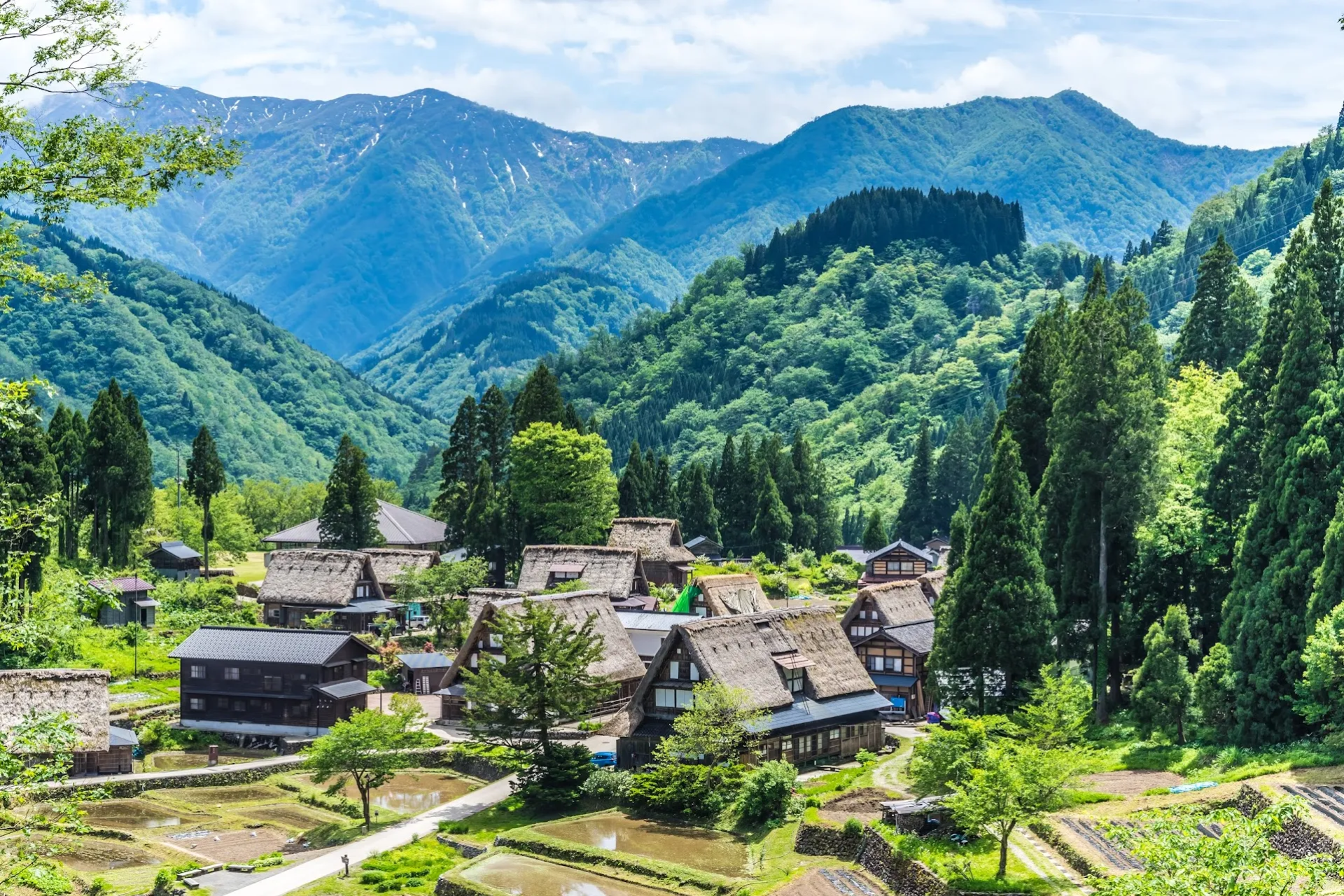
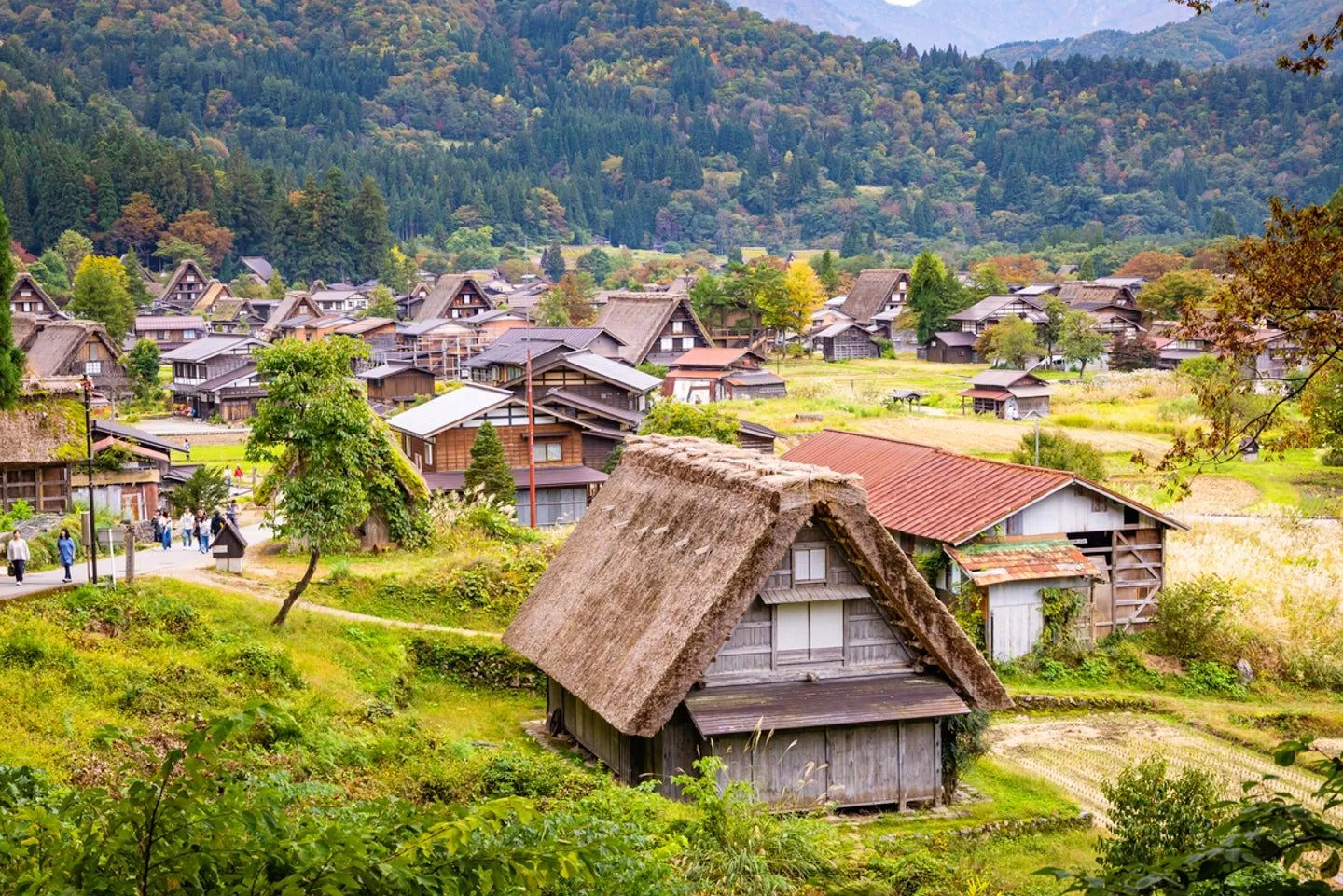
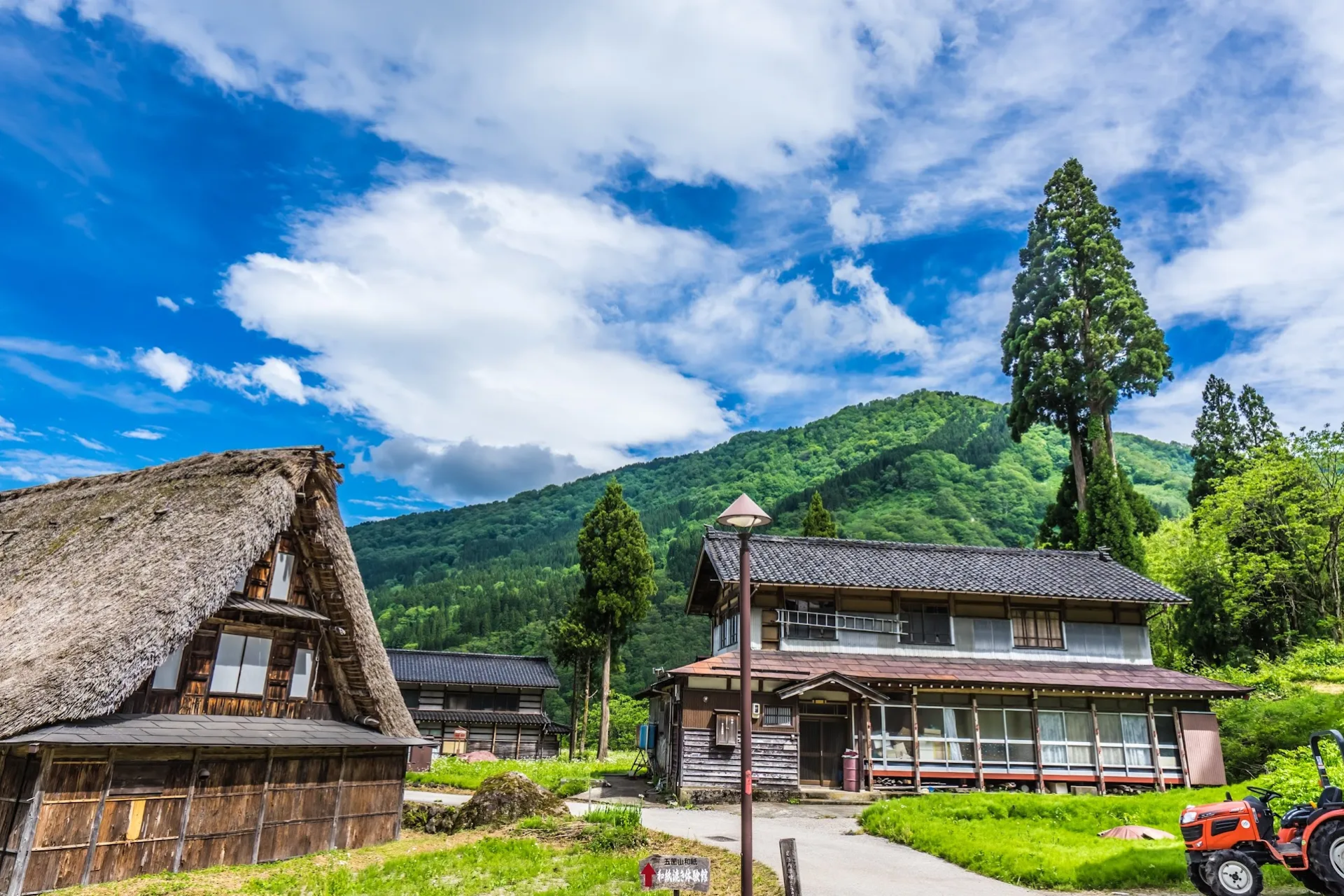
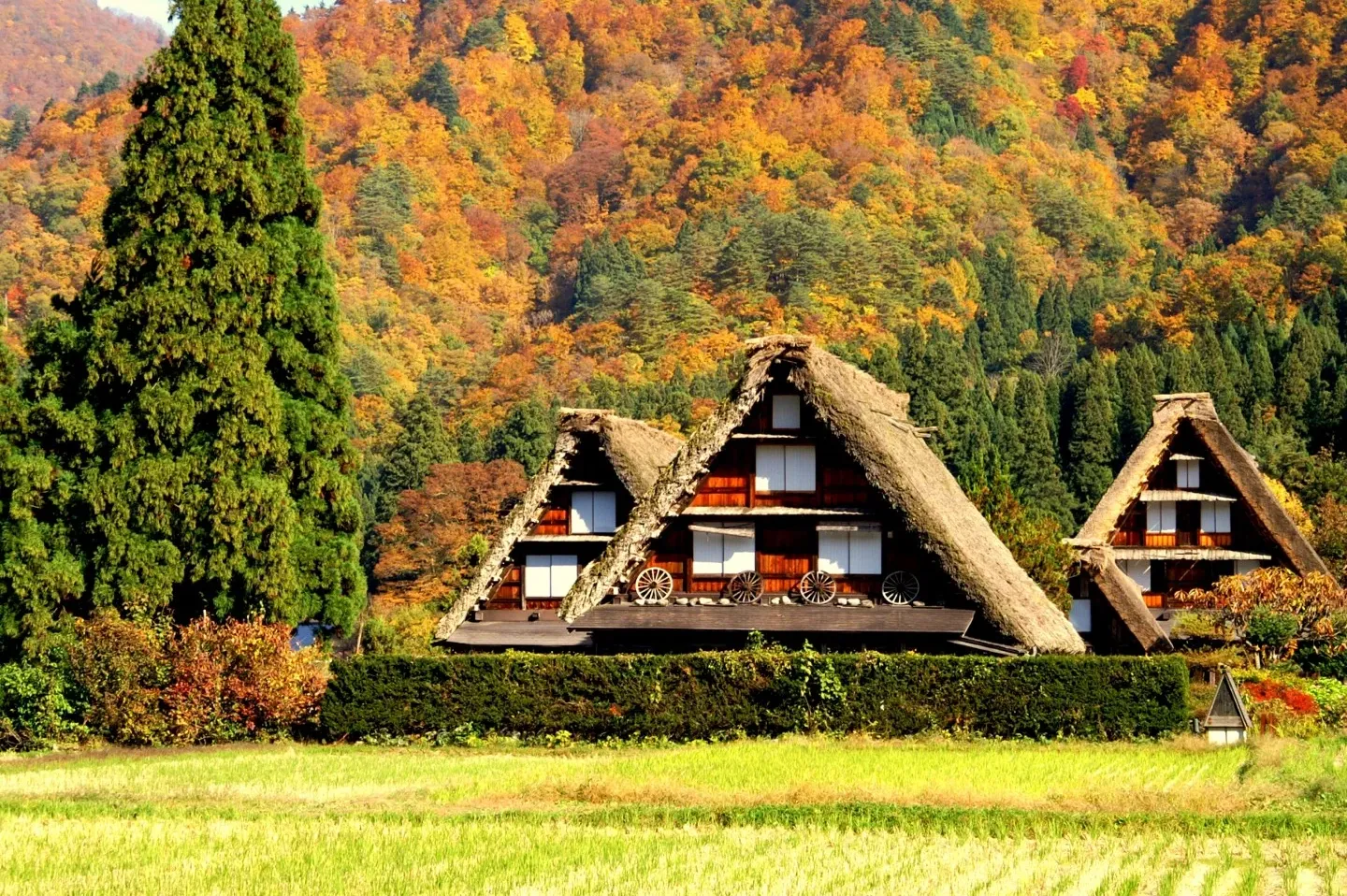
Historic Japanese village with traditional thatched-roof houses shaped like praying hands, designated as a UNESCO World Heritage Site.

✓ What guidebooks don't tell you
✓ Secrets other tourists miss
✓ Listen while you explore
Discover everything
00:00
00:00

📖 Audio Guide Chapters

6 chapters

1. Introduction and History

🔒 Premium Content

Subscribe to access all chapters of this audio guide.

2. Architecture and Design

🔒 Premium Content

Subscribe to access all chapters of this audio guide.

3. Art and Decoration

🔒 Premium Content

Subscribe to access all chapters of this audio guide.

4. Historical Figures

🔒 Premium Content

Subscribe to access all chapters of this audio guide.

5. Curiosities and Legends

🔒 Premium Content

Subscribe to access all chapters of this audio guide.

6. Cultural Importance and Legacy

🔒 Premium Content

Subscribe to access all chapters of this audio guide.

❓ Frequently Asked Questions

What are Ainokura's opening hours and how can I get there?

Ainokura Village is always open to the public, as it is a living settlement. For visitors arriving from Shirakawa-go or Takayama, the most common way is to take a Nohi Bus to the Ainokuraaguchi stop. Keep in mind that service may be limited, so check schedules in advance on the official Nohi Bus website.

Do I need to pay an entrance fee to visit Ainokura Gassho-zukuri Village?

No, access to Ainokura Village itself is free, as it is an active community. However, some traditional gassho-zukuri houses may charge a small admission fee if they are open to visitors inside, which helps support their maintenance. This is usually a voluntary donation or a symbolic fee.

How much time is recommended for visiting Ainokura Gassho-zukuri Village?

For a relaxed visit and to fully enjoy the atmosphere and views, it is recommended to spend between 2 and 3 hours. This will allow you to walk through the village, admire the houses, visit a couple of them if they are open, and perhaps enjoy a souvenir shop or café.

What is the historical or cultural importance of Ainokura's gassho-zukuri houses?

Ainokura's gassho-zukuri houses, together with those of Shirakawa-go and Suganuma, are designated as a UNESCO World Heritage Site. They are famous for their steep thatched roofs, designed to withstand heavy snowfall and create a large attic space for silkworm farming, a key economic activity in the region's past. They represent a unique traditional way of life and architecture in Japan.

What is the best time of year or time of day to visit Ainokura?

Each season has its own charm. Winter, with snow covering the rooftops, offers a postcard-perfect view, although it is colder. Spring and autumn are pleasant for their temperatures and natural colors. To avoid crowds, I suggest going early in the morning or late in the afternoon, especially if you are looking for a quieter experience and better light for photography.

Is Ainokura Gassho-zukuri Village accessible for people with reduced mobility?

Ainokura is a rural village with dirt and stone paths and some slopes, which can make wheelchair access difficult in certain areas. Traditional houses usually have steps. While general access to the village is possible, accessibility inside the houses and on some trails is limited. Ideally, visit with a companion or contact the local tourism office for more detailed information about accessible routes if needed; you can try contacting the Gokayama Tourism Association.

What other places of interest are near Ainokura Gassho-zukuri Village?

Very close to Ainokura are the other two Gassho-zukuri villages designated as World Heritage Sites: Suganuma, smaller and quieter, and Shirakawa-go, the largest and most visited of the three. In addition, you can explore the natural landscapes of the Gokayama region, enjoy a traditional hot spring at some nearby accommodations, or visit the city of Takayama, famous for its old town and shrines.

Any practical tips to make the most of my visit to Ainokura?

Wear comfortable walking shoes, especially for areas with uneven paths. Consider trying local cuisine, such as Gokayama tofu. For a more authentic experience, if possible, think about staying overnight in one of the gassho-zukuri houses converted into minshuku (traditional guesthouses). And above all, be respectful of the residents, as Ainokura is a village where people live and work.

¿Prefieres escuchar en español?

🇪🇸 Escucha la audioguía de Ainokura Gassho-zukuri Village en español