No te vayas sin conocer la historia Suscribete
IAudioGuia iaudioguia
Audio Guides of Shimoda

Audio Guide of Monte Nesugata

Donde los samuráis confundieron barcos de guerra con volcanes flotantes y empezó el Japón moderno

✓ What guidebooks don't tell you
✓ Secrets other tourists miss
✓ Listen while you explore
Discover everything
00:00
00:00
Rate this audio guide

📖 Audio Guide Chapters

6 chapters

1. The spy who mistook warships for volcanoes

🔒 Premium Content

Subscribe to access all chapters of this audio guide.

2. The shogun's tricky steps

🔒 Premium Content

Subscribe to access all chapters of this audio guide.

3. The romance that enraged the shogunate

🔒 Premium Content

Subscribe to access all chapters of this audio guide.

4. The stone that predicts earthquakes (and Go games)

🔒 Premium Content

Subscribe to access all chapters of this audio guide.

5. The tree hiding a cannon

🔒 Premium Content

Subscribe to access all chapters of this audio guide.

6. Before you go: your secret samurai mission

🔒 Premium Content

Subscribe to access all chapters of this audio guide.

❓ Frequently Asked Questions

How do I get up Mount Nesugata and what are the visiting hours?

The most spectacular and fastest way is to take the Shimoda Ropeway from Izukyu-Shimoda Station. The cable car generally operates from 9:00 AM to 5:00 PM, with departures every 15 minutes, offering a 3-minute ride with incredible views.

How much does admission or the cable car ride cost?

Access to the mountain itself is free, but the round-trip cable car ticket costs approximately JPY 1,250 for adults and JPY 620 for children. It is well worth it for the panoramic bay views and access to the summit gardens.

How much time do I need to see everything at the top?

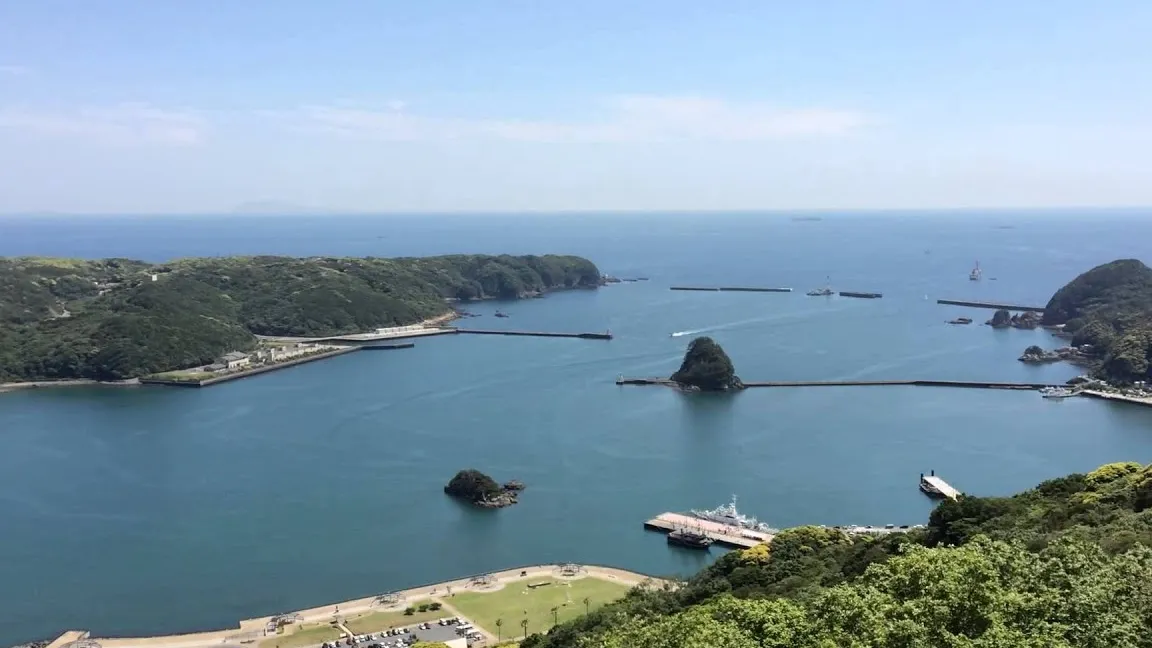
We recommend setting aside between 45 minutes and one hour to enjoy the full experience. That gives you enough time to stroll through the gardens, visit Rendeiji Temple, and take spectacular photos of Shimoda Harbor without rushing.

Why is this place historically important?

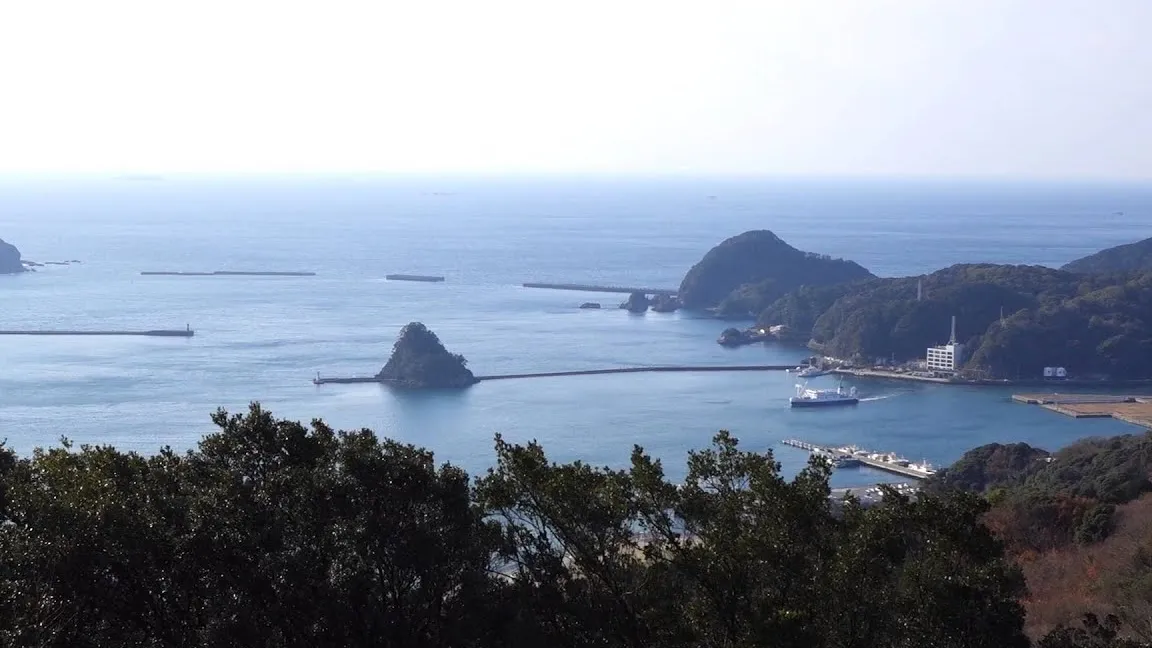
Besides resembling a sleeping woman—hence its name—this site was a crucial lookout post when Commodore Perry's 'Black Ships' arrived in the 19th century. From here, guards monitored the approach of foreign ships, marking the end of Japan's isolation.

What is the best time of day or year to go?

For crisp photos of the 'Shimoda Blue,' clear mornings are ideal. If you are looking for floral beauty, visit in autumn (October to December) to see the blooming 'Little Angel' tibouchina flowers that tint the park purple.

Is it accessible for wheelchair users or people with reduced mobility?

The cable car is accessible, but keep in mind that the summit trails have stairs and natural uneven ground that limit wheelchair movement. It is recommended to enjoy the views from the upper station, but access to the entire park may be difficult.

What else can I visit nearby after coming back down?

Once you come down, you are very close to historic Perry Road, a charming canal-side walk with cafés and boutiques. You can also visit Ryosen-ji Temple, where the treaty that opened the Port of Shimoda was signed.

Any special tips to make the most of the visit?

Do not miss the Aizen-do hall at the summit, famous for granting luck in love; try the tradition of throwing a small clay disc (kawarake) through a ring to make a wish come true. And of course, enhance your visit with an audio guide to understand the context of what you are seeing.

¿Prefieres escuchar en español?

🇪🇸 Escucha la audioguía de Monte Nesugata en español