No te vayas sin conocer la historia Suscribete
IAudioGuia iaudioguia
Audio Guides of Nagoya

Audio Guide of Osu Kannon

Donde rezamos por milagros y terminamos encontrando manuscritos robados en una tienda 7-Eleven

✓ What guidebooks don't tell you
✓ Secrets other tourists miss
✓ Listen while you explore
Discover everything
00:00
00:00
Rate this audio guide

📖 Audio Guide Chapters

6 chapters

1. The temple that outwitted the bombs

🔒 Premium Content

Subscribe to access all chapters of this audio guide.

2. The concrete that fools even carpenters

🔒 Premium Content

Subscribe to access all chapters of this audio guide.

3. The goddess who lost her sacred manuscript in a cinematic theft

🔒 Premium Content

Subscribe to access all chapters of this audio guide.

4. The flea market where you bought your own broken childhood

🔒 Premium Content

Subscribe to access all chapters of this audio guide.

5. The offerings that are not for the goddess

🔒 Premium Content

Subscribe to access all chapters of this audio guide.

6. Leave as a survivor, but do not go without this

🔒 Premium Content

Subscribe to access all chapters of this audio guide.

❓ Frequently Asked Questions

What are the opening hours of Osu Kannon, and how can I get there easily?

The temple grounds are open 24 hours a day, although the main hall and stalls usually operate from 9:00 AM to 5:00 PM. The easiest way to get there is to take the Tsurumai subway line to Osu Kannon Station and leave via Exit 2, which brings you practically to the entrance.

Do I need to pay admission to visit the temple, or is it free?

Admission to the temple grounds and the main worship hall is completely free for all visitors. You will only need cash if you want to buy amulets, incense for offerings, or access the treasure library (Shinpukuji) if there is a special exhibition.

How much time should I set aside to explore Osu Kannon?

To see the temple, take photos, and say a short prayer, 30 to 45 minutes is enough. However, I recommend setting aside at least 2 hours if you also plan to explore the famous Osu shopping arcades right next door.

Why is this temple so historically and culturally important?

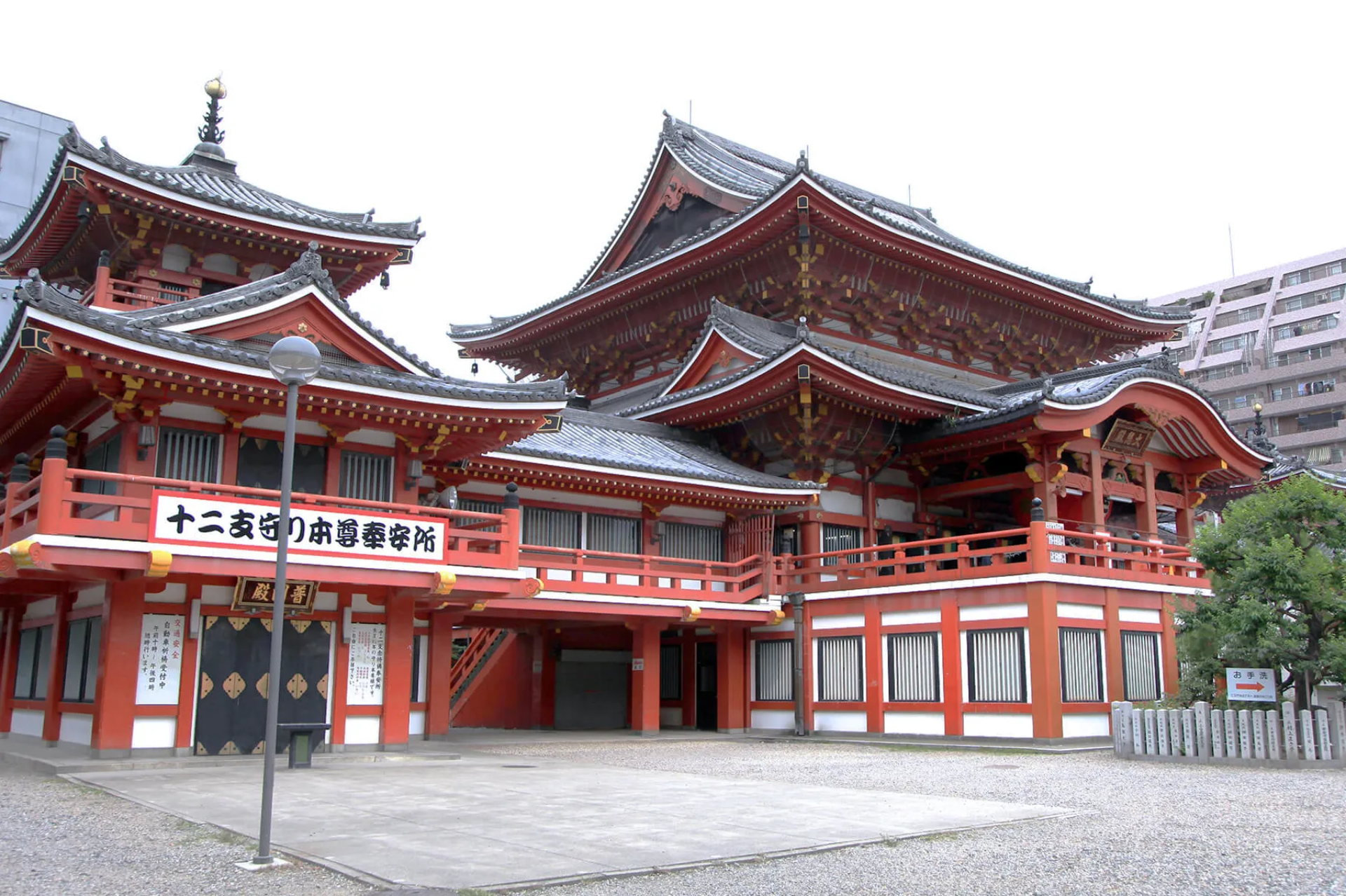
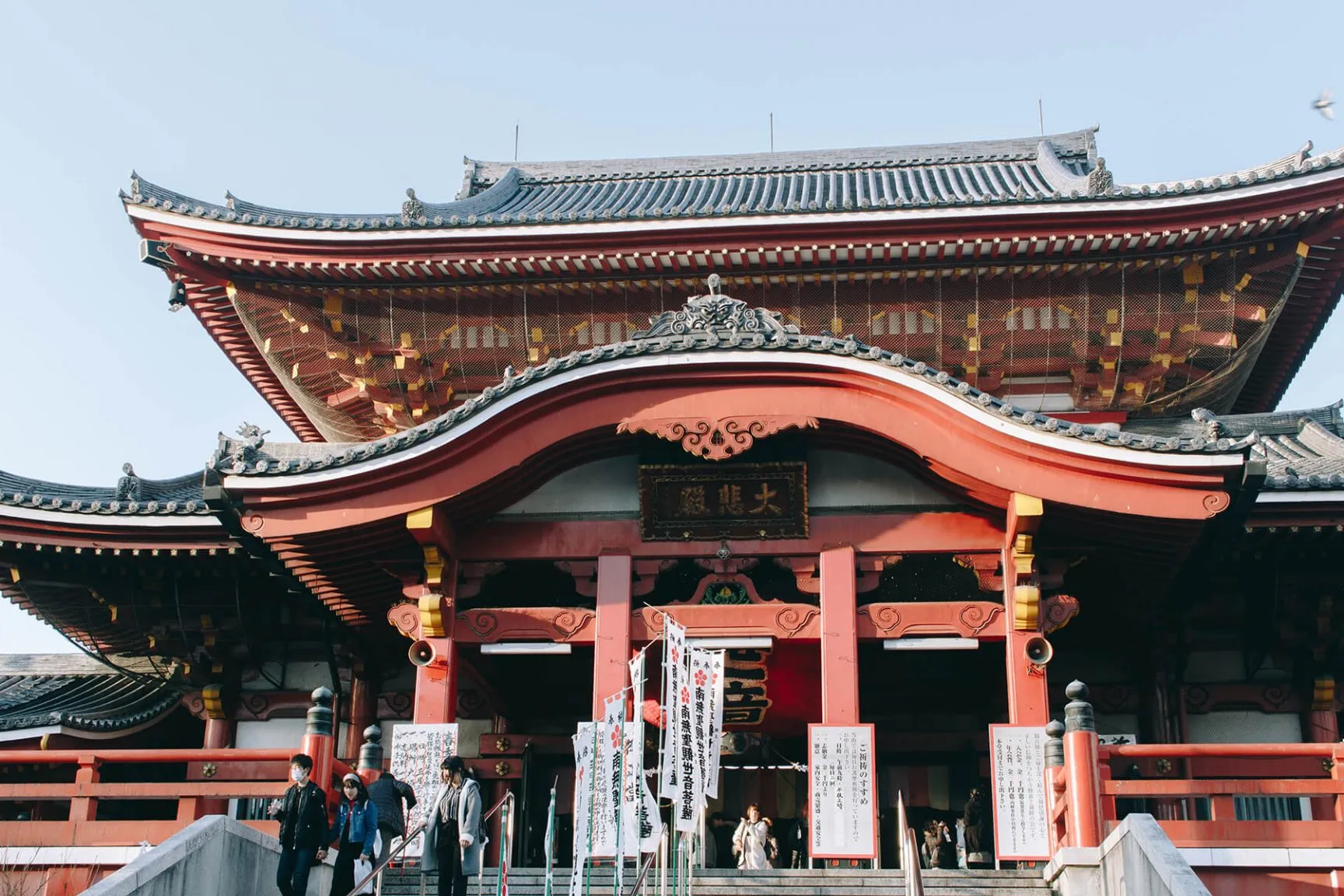
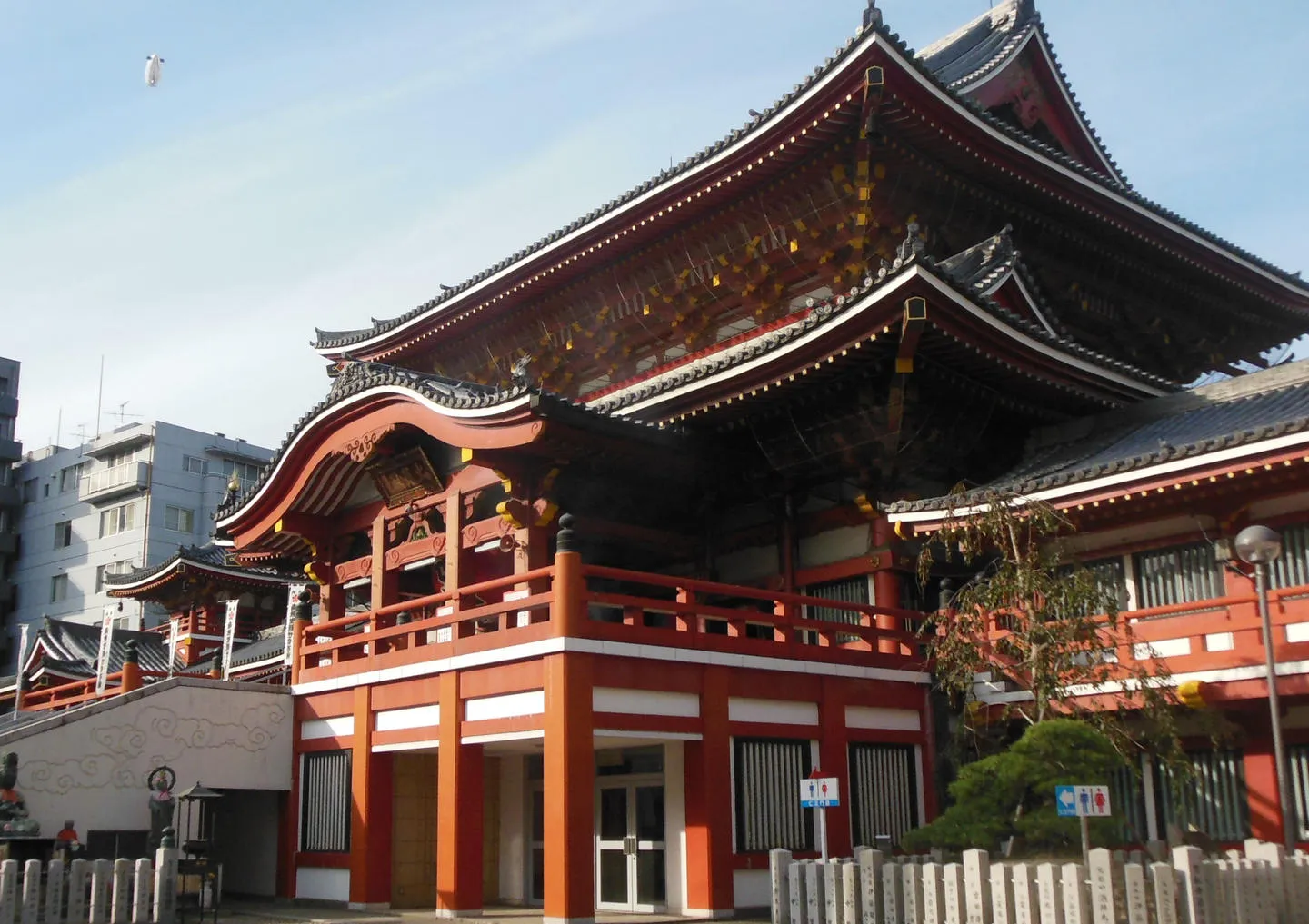
Osu Kannon is one of the most venerated temples in the region, moved to its current location in 1612 by order of the great shogun Tokugawa Ieyasu. It houses a beautiful wooden statue of Kannon, the goddess of mercy, and its library preserves the oldest manuscripts of the Kojiki, Japan’s historical chronicle.

What is the best time of the month or day to plan my visit?

Without a doubt, the 18th and 28th of each month are ideal, as a lively antique market is held on the temple grounds. If you prefer to avoid crowds, go early in the morning on a weekday; if you want atmosphere and shopping, go in the afternoon.

Is the temple accessible for people with reduced mobility or wheelchairs?

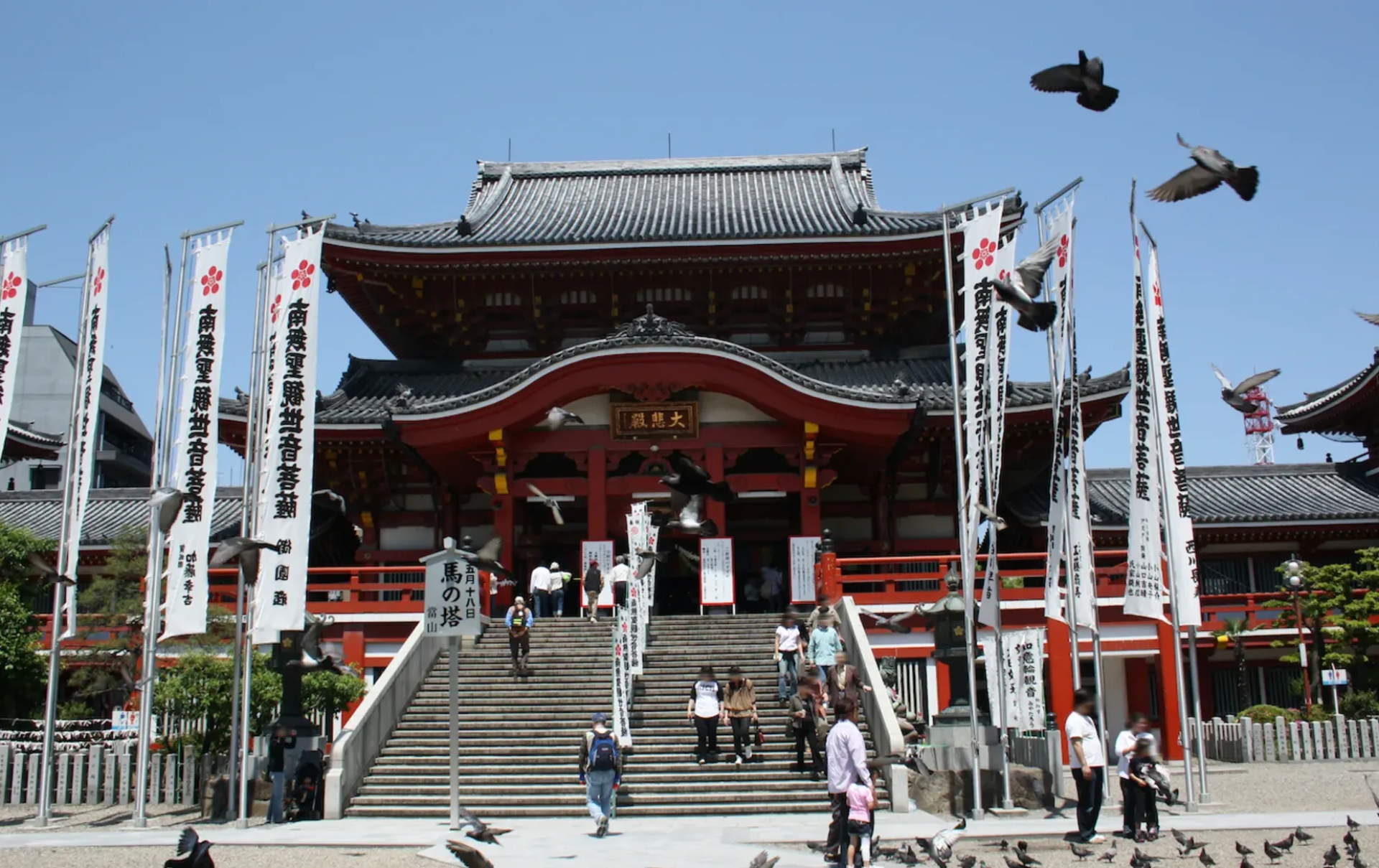
Yes, although the main hall is elevated and has a large front staircase, the temple has an elevator on the right side to make wheelchair access easier. In addition, the nearby shopping streets are paved and easy to navigate.

What other attractions or interesting places are near the temple?

You are in the heart of the shopping area, so explore the Osu Shopping District to see a mix of traditional stores and modern otaku culture. Just a few minutes away on foot, you will also find Banshoji Temple, known for its modern architecture and LED lighting.

What practical advice would you give me to enjoy the experience more?

Take the opportunity to try local street food, such as miso katsu or karaage, at the stalls in the shopping arcade after your spiritual visit. One extra tip: be careful with the many pigeons in the temple square. They are very tame, but they can surround you quickly if you have food.

¿Prefieres escuchar en español?

🇪🇸 Escucha la audioguía de Osu Kannon en español