No te vayas sin conocer la historia Suscribete
IAudioGuia iaudioguia
Audio Guides of Nagano

Audio Guide of Hakuba Valley

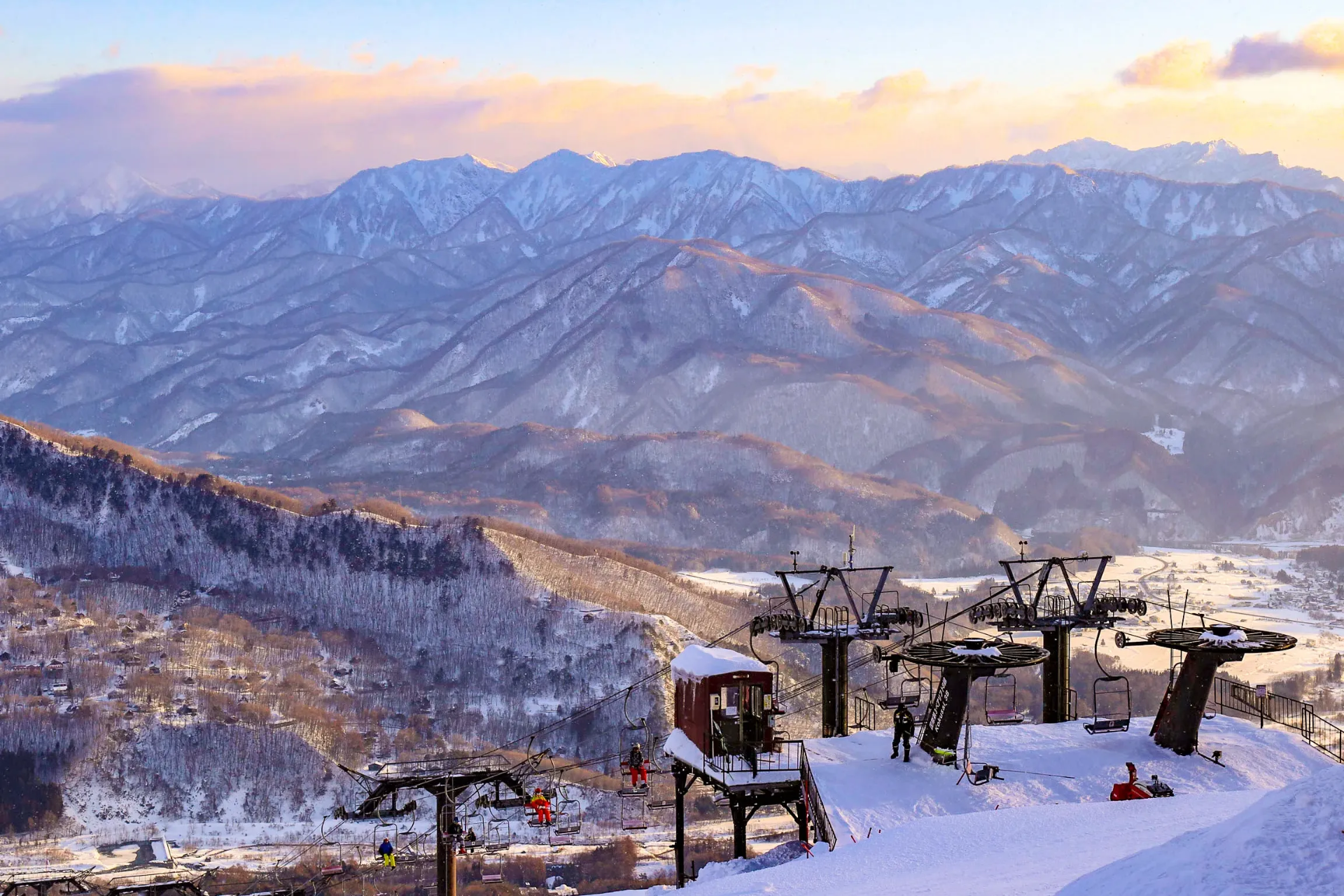
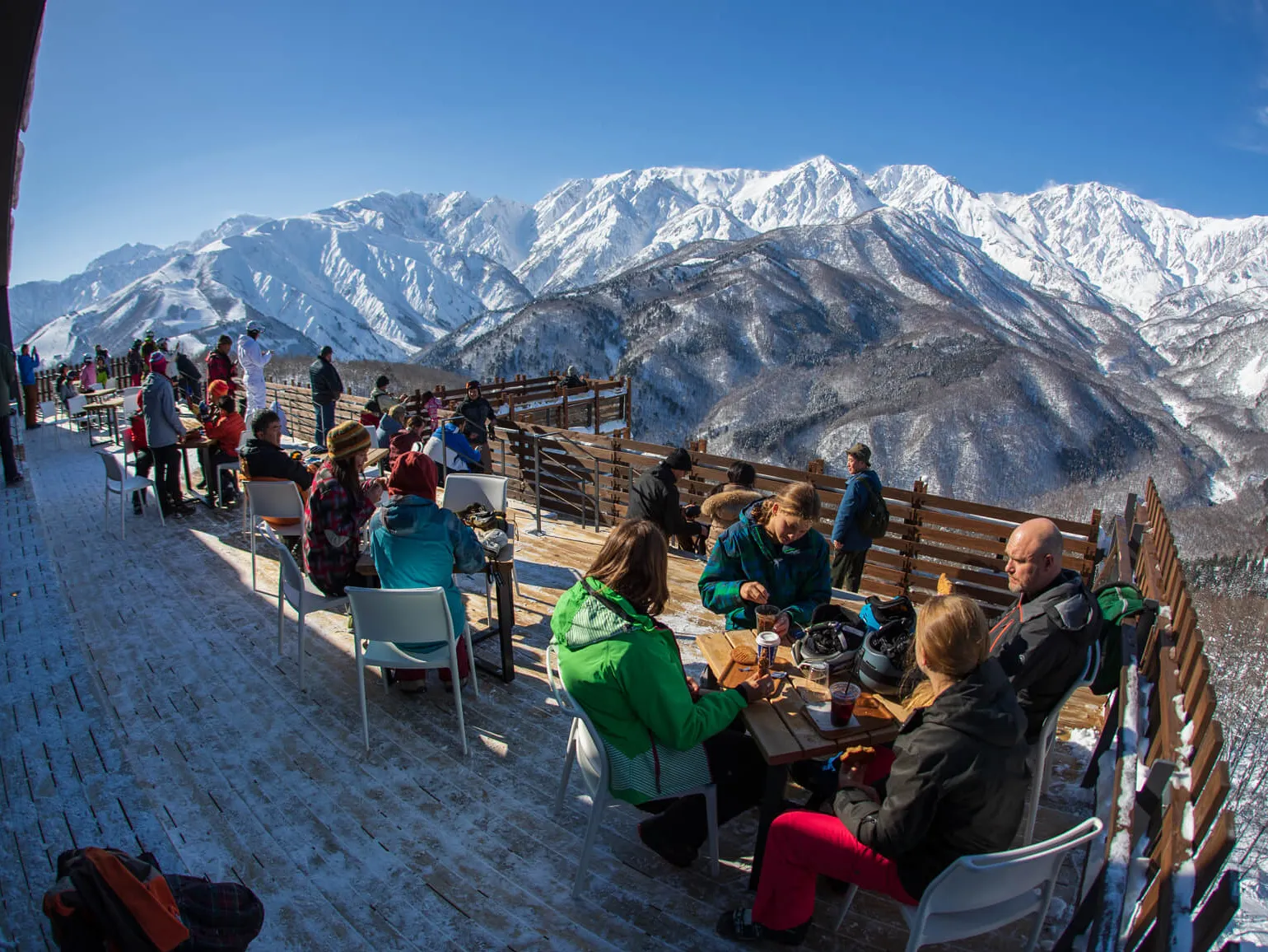
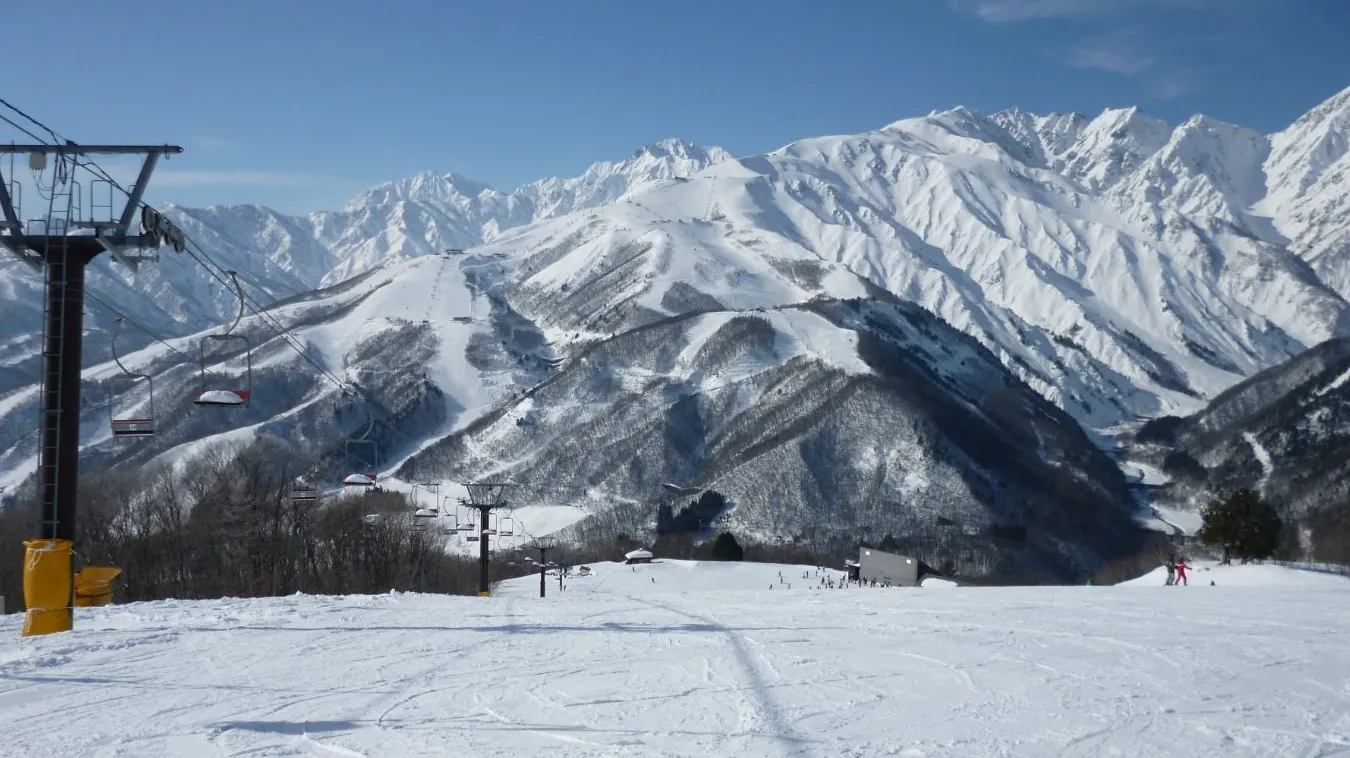
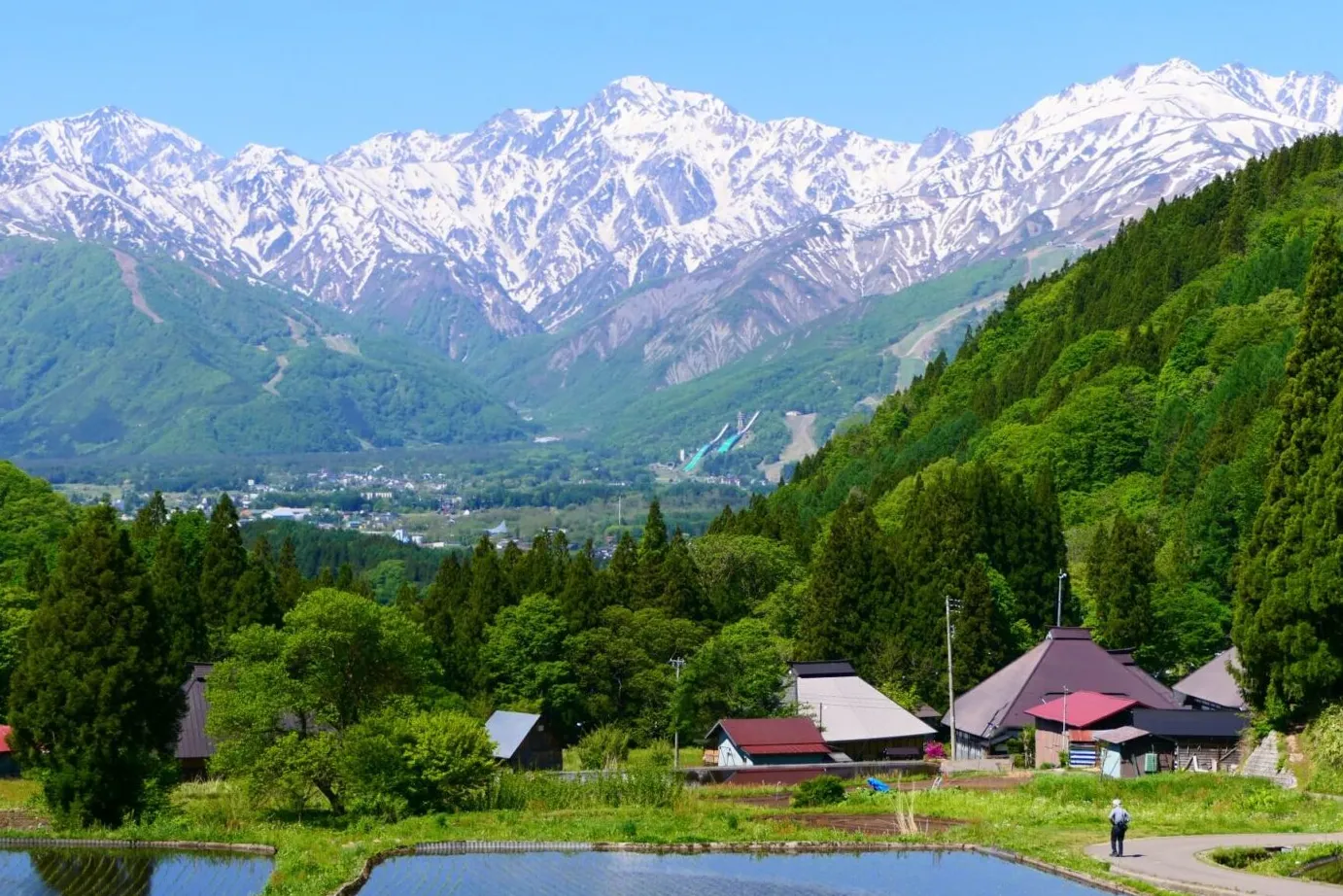
El Valle de Hakuba, enclavado en los Alpes Japoneses en Nagano, ofrece un paisaje montañoso espectacular, famoso por sus estaciones de esquí y aguas termales, ideal para explorar la naturaleza y la cultura japonesa.

✓ What guidebooks don't tell you
✓ Secrets other tourists miss
✓ Listen while you explore
Discover everything
00:00
00:00
Rate this audio guide

📖 Audio Guide Chapters

6 chapters

1. Welcome to Hakuba Valley

🔒 Premium Content

Subscribe to access all chapters of this audio guide.

2. The Architecture of Hakuba Valley

🔒 Premium Content

Subscribe to access all chapters of this audio guide.

3. History and Figures of Hakuba Valley

🔒 Premium Content

Subscribe to access all chapters of this audio guide.

4. Art and Details of Hakuba Valley

🔒 Premium Content

Subscribe to access all chapters of this audio guide.

5. Secrets and Curiosities

🔒 Premium Content

Subscribe to access all chapters of this audio guide.

6. Farewell and Recommendations

🔒 Premium Content

Subscribe to access all chapters of this audio guide.

❓ Frequently Asked Questions

What are the visiting hours for Hakuba Valley, and how can I get there?

Hakuba Valley is a group of ski resorts, so opening hours vary by season and by resort. During the winter season, ski lifts usually operate from around 8:30 AM to 4:30 PM. To get there, you can take the JR Hokuriku Shinkansen to Nagano, and then an express bus to Hakuba. There are also direct buses from Narita Airport (Narita Express Bus) or Haneda (Haneda Express Bus).

How much does it cost to ski or use the facilities in Hakuba Valley? Are there any free tickets for anything?

Prices vary depending on the resort and the duration of the pass. An adult day pass usually costs between JPY 5,000 and JPY 7,000. There is also the Hakuba Valley Ticket, which gives access to multiple resorts with a single pass, making it very convenient. There are no free tickets for the ski facilities, but access to the villages and enjoying the scenery is, of course, free.

How much time is recommended for visiting Hakuba Valley for a complete experience?

To truly enjoy Hakuba Valley and explore several of its resorts, we recommend at least 3 to 5 days. This will allow you to ski on different types of terrain, try some additional activities, and relax in the local onsen. If you are only looking for a quick getaway, a weekend (2 days) could be enough for one of the main resorts.

What historical or cultural importance does Hakuba Valley have for Japan?

Hakuba Valley is world-famous for having hosted events during the 1998 Nagano Winter Olympics, which gave it international recognition as a winter sports destination. In addition, the region has a rich agricultural and mountain heritage, with local traditions kept alive in its villages and festivals, offering a glimpse into rural Japanese life.

What is the best time of year to visit Hakuba Valley, and is there an ideal time of day?

The best time for winter sports is from December to March, with January and February offering the best powder snow (Hakuba Snow Report). For mountain activities such as hiking or cycling, summer (July and August) offers pleasant weather and spectacular scenery. The ideal time of day for skiing is in the morning, when the snow is fresh and the slopes are less crowded.

Is Hakuba Valley accessible for people with reduced mobility or wheelchair users?

Accessibility at ski resorts can be challenging because of the snowy terrain. However, many main facilities such as hotels and restaurants are adapted. Some resorts offer programs for people with disabilities or lift adaptations. It is advisable to contact the specific resort you plan to visit directly or the Japan Accessible Tourism Center for detailed information.

Are there other interesting attractions or places worth visiting near Hakuba Valley?

Absolutely! Near Hakuba, you can visit the famous Jigokudani Monkey Park (Jigokudani Monkey Park), where wild monkeys enjoy bathing in hot springs. You can also explore the charming city of Nagano, with its historic Zenko-ji Temple, one of the most important temples in Japan.

What practical tips would you give to make the most of a visit to Hakuba Valley?

For the best experience, book your accommodation and ski lessons in advance, especially during peak season. Consider buying the Hakuba Valley Ticket for flexibility between resorts. Also, do not forget to try delicious local food, such as Nagano soba, and relax in an onsen after a day of skiing. And of course, download our audio guide so you do not miss a single detail!

¿Prefieres escuchar en español?

🇪🇸 Escucha la audioguía de Hakuba Valley en español