No te vayas sin conocer la historia Suscribete
IAudioGuia iaudioguia
Audio Guides of Kiso

Audio Guide of Tsumago-juku

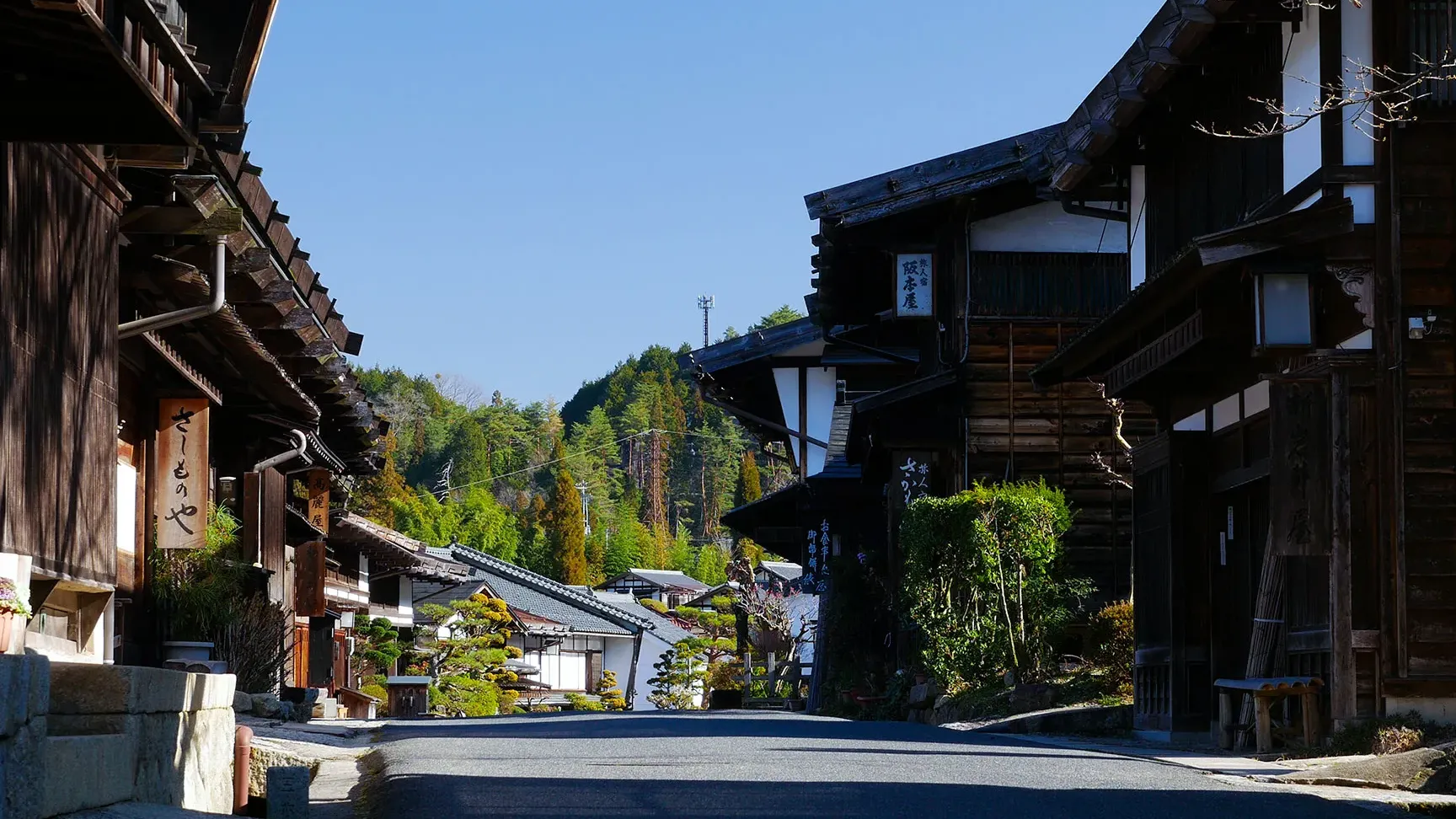
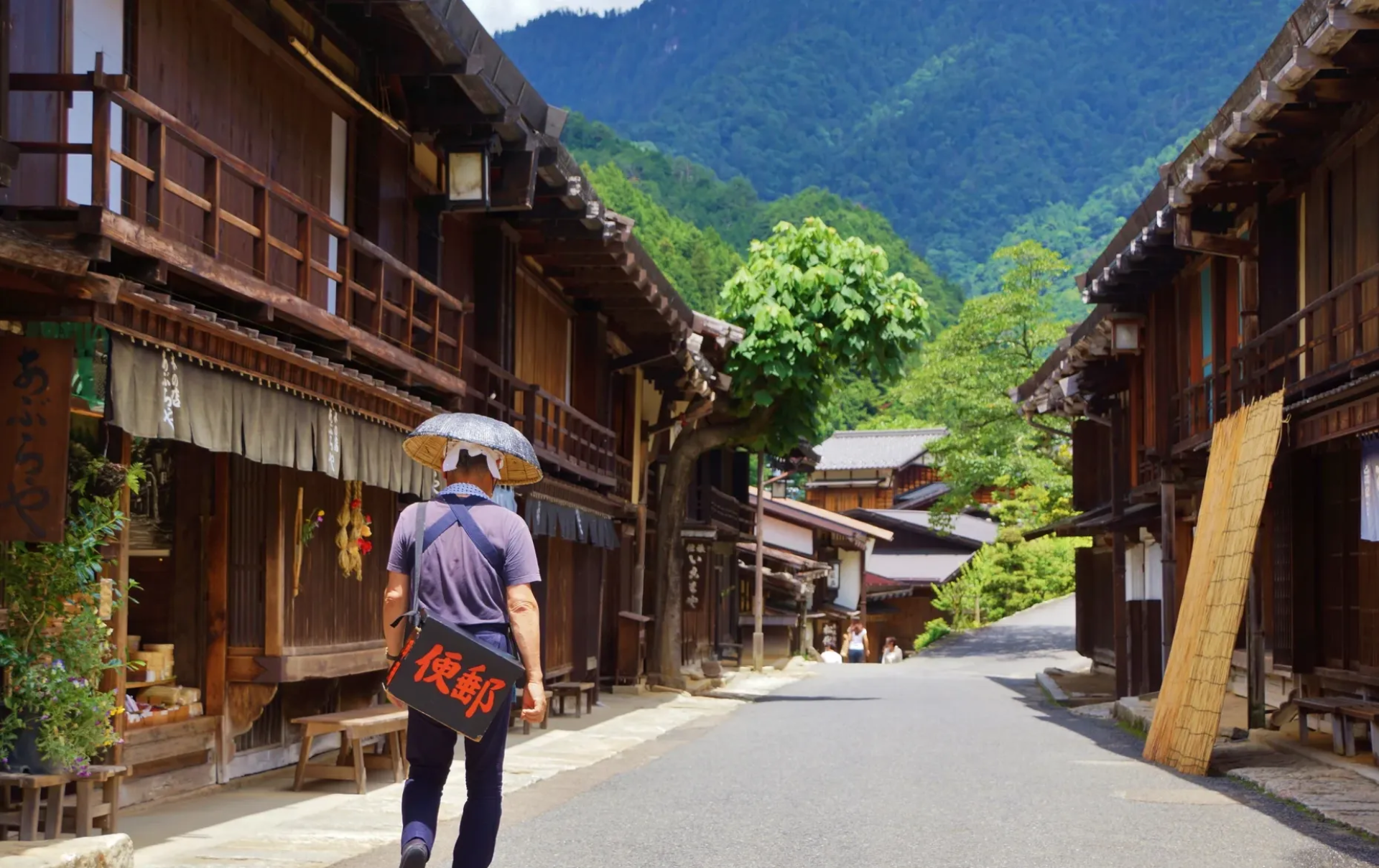
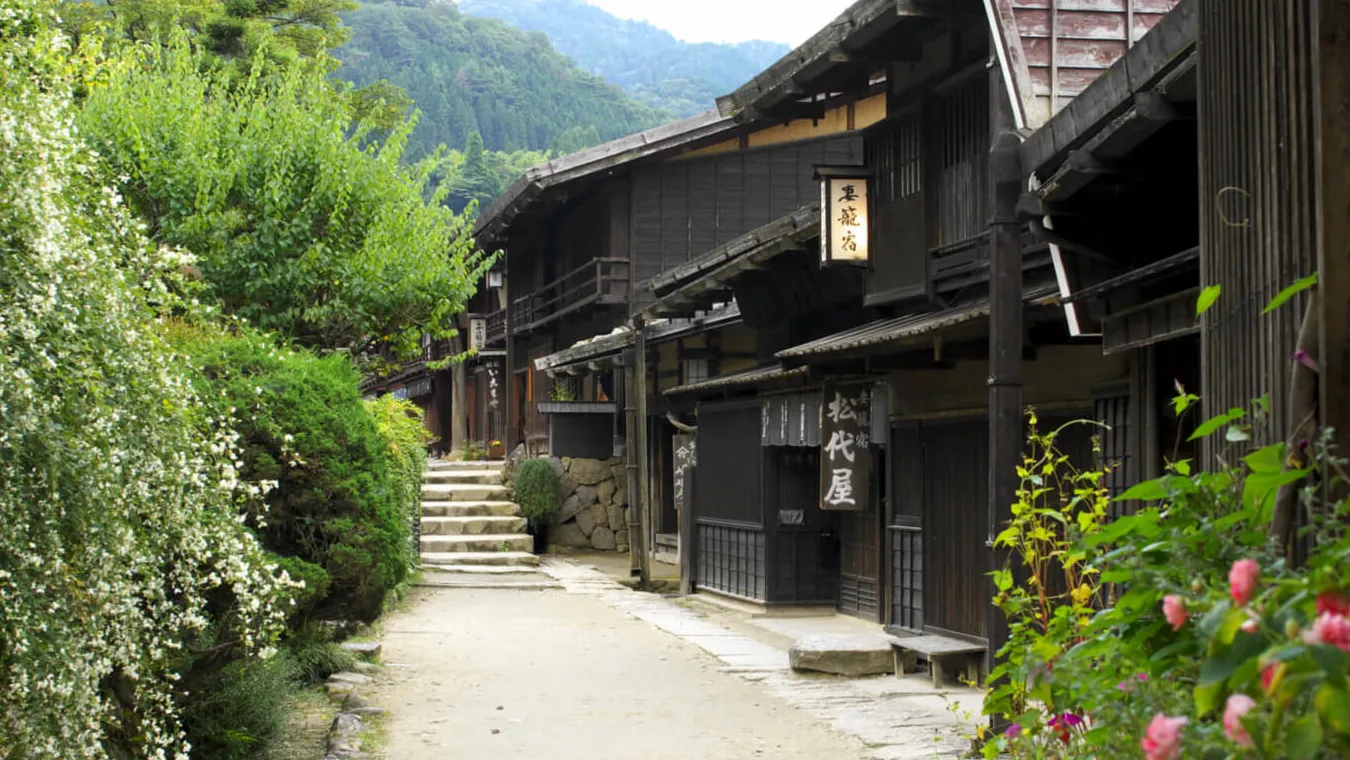
Imagina un pueblo japonés congelado en el siglo XVII, salvado de la piqueta por 400 almas tercas que dijeron 'ni hablar' a la modernidad.

✓ What guidebooks don't tell you
✓ Secrets other tourists miss
✓ Listen while you explore
Discover everything
00:00
00:00

📖 Audio Guide Chapters

6 chapters

1. The Pact That Defied Progress

🔒 Premium Content

Subscribe to access all chapters of this audio guide.

2. Walls That Hold Echoes of Horses

🔒 Premium Content

Subscribe to access all chapters of this audio guide.

3. Samurai, Lovers, and Betrayals at the Inn

🔒 Premium Content

Subscribe to access all chapters of this audio guide.

4. Absurdities That Will Make You Burst Out Laughing

🔒 Premium Content

Subscribe to access all chapters of this audio guide.

5. Shadows Only the Sharp Eye Sees

🔒 Premium Content

Subscribe to access all chapters of this audio guide.

6. The Whisper That Travels With Your Soul

🔒 Premium Content

Subscribe to access all chapters of this audio guide.

❓ Frequently Asked Questions

How do I get to Tsumago-juku and what are the visiting hours?

Tsumago is a village open 24 hours a day, although shops and museums typically operate from 9:00 AM to 5:00 PM. The most common way to get there is to take the train to **JR Nagiso Station** and from there a short bus or taxi ride; you can check routes on Japan Transit.

Do I have to pay an entrance fee to walk the streets of Tsumago-juku?

Walking the streets and enjoying the Edo-period atmosphere is completely free. However, to access key historic buildings such as the **Waki-Honjin Okuya**, there is a very affordable combined ticket (approx. 700 yen) that we recommend purchasing.

How much time is recommended to visit Tsumago-juku?

If you only plan to see the village, grab a bite, and visit a museum, **2 to 3 hours** is enough. If you intend to take the famous historic walk along the Nakasendo trail to Magome, you should set aside at least half a day (about 5 hours in total).

What makes Tsumago-juku so special historically and culturally?

It was the 42nd post station on the Nakasendo route that connected Kyoto and Edo, and it is a pioneer of historic preservation in Japan. The fascinating part is that electrical wires have been hidden and modern construction prohibited so that you truly feel you have traveled 300 years into the past.

What is the best season or time of day to visit without crowds?

Autumn is spectacular for the foliage, but it tends to be very crowded. The expert trick is to arrive **before 10:00 AM** or stay after 4:00 PM, when the tour groups have left and the village regains its magical silence.

Is Tsumago-juku accessible for people with reduced mobility?

Due to its strict historic preservation, accessibility is challenging; there are cobblestone streets, uneven ground, and steps at the entrances of traditional buildings. The main street can be navigated with assistance, but access to the interiors of the old houses is not adapted.

What other tourist spots should I see near Tsumago?

The essential sister visit is **Magome-juku**, another beautifully preserved post town. Many travelers take the opportunity to hike the 8 km wooded trail that connects both villages, a safe and visually stunning experience.

What practical tips would you give me to make the most of the visit?

Use the baggage forwarding service if you plan to walk between villages, and don't leave without trying **Gohei Mochi**. To not miss the hidden stories of each building, we recommend bringing our audio guide downloaded from IAudioguia.com.

¿Prefieres escuchar en español?

🇪🇸 Escucha la audioguía de Tsumago-juku en español