¿Sabías que este camino casi desaparece bajo el asfalto, pero un puñado de vecinos lo salvó con un pacto secreto?
The Nakasendo Trail is a historic route and does not have opening or closing hours like a museum. You can walk it at any time of day, although it is recommended during daylight hours. To get there, visitors usually access it from towns such as Magome or Tsumago, which are connected by buses and trains. You can find more details about access on the Kiso Tourism Federation website: Kiso Tourism Federation.
Good news: walking the Nakasendo Trail itself is completely free, since it is a public পথ. However, keep in mind that you may have expenses if you use services such as shuttle buses between towns, parking, or if you decide to visit any of the historic houses or museums along the route. This is not a theme park; it is a living historic trail.
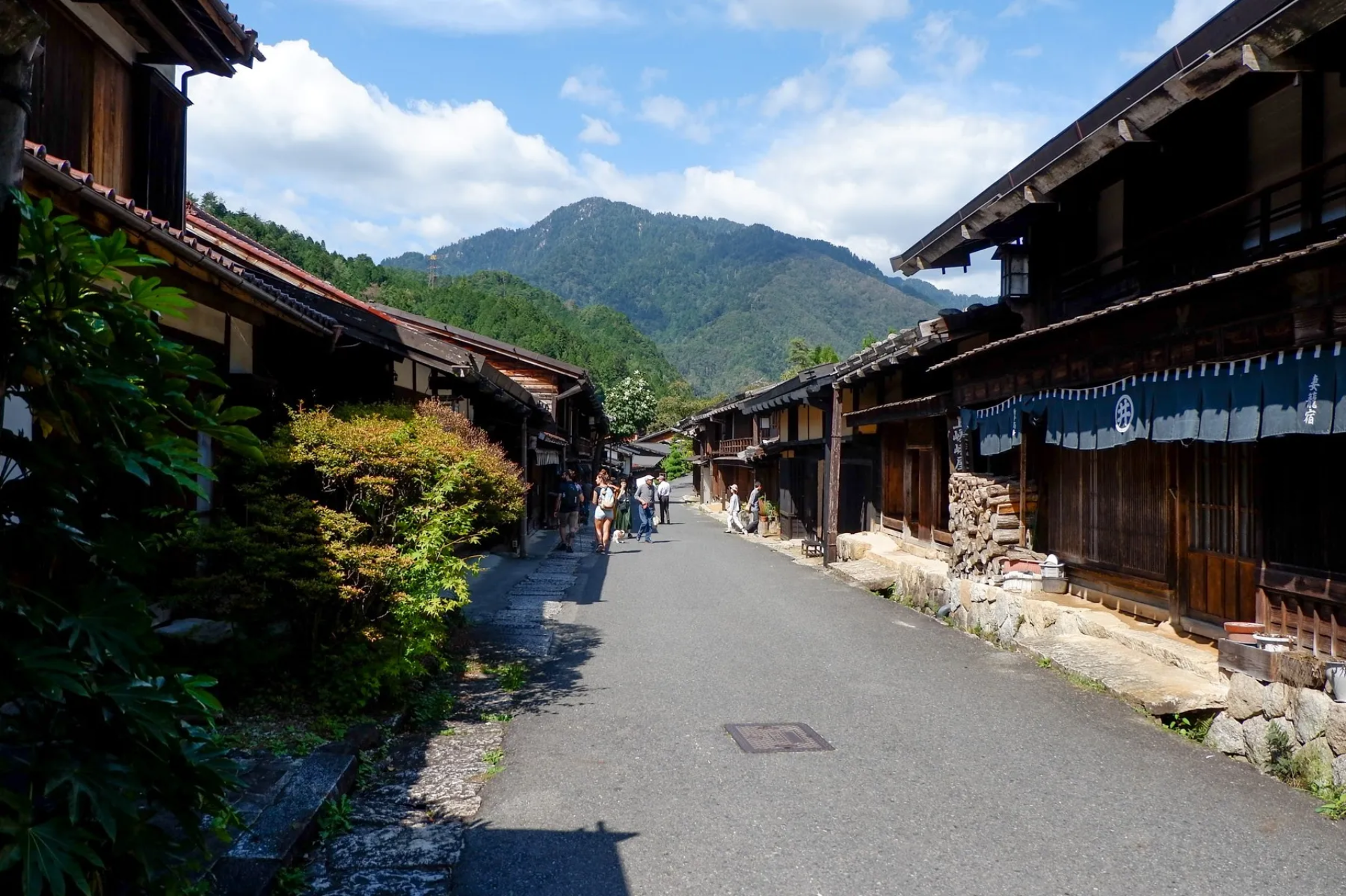
Normally, the popular walk between Magome and Tsumago, which covers about 8 kilometers, takes around 2.5 to 3.5 hours at a relaxed pace, including stops to enjoy the scenery and villages. If you plan to cover longer stretches or visit multiple points of interest, you may need a full day. The key here is to plan your day at an easy pace.
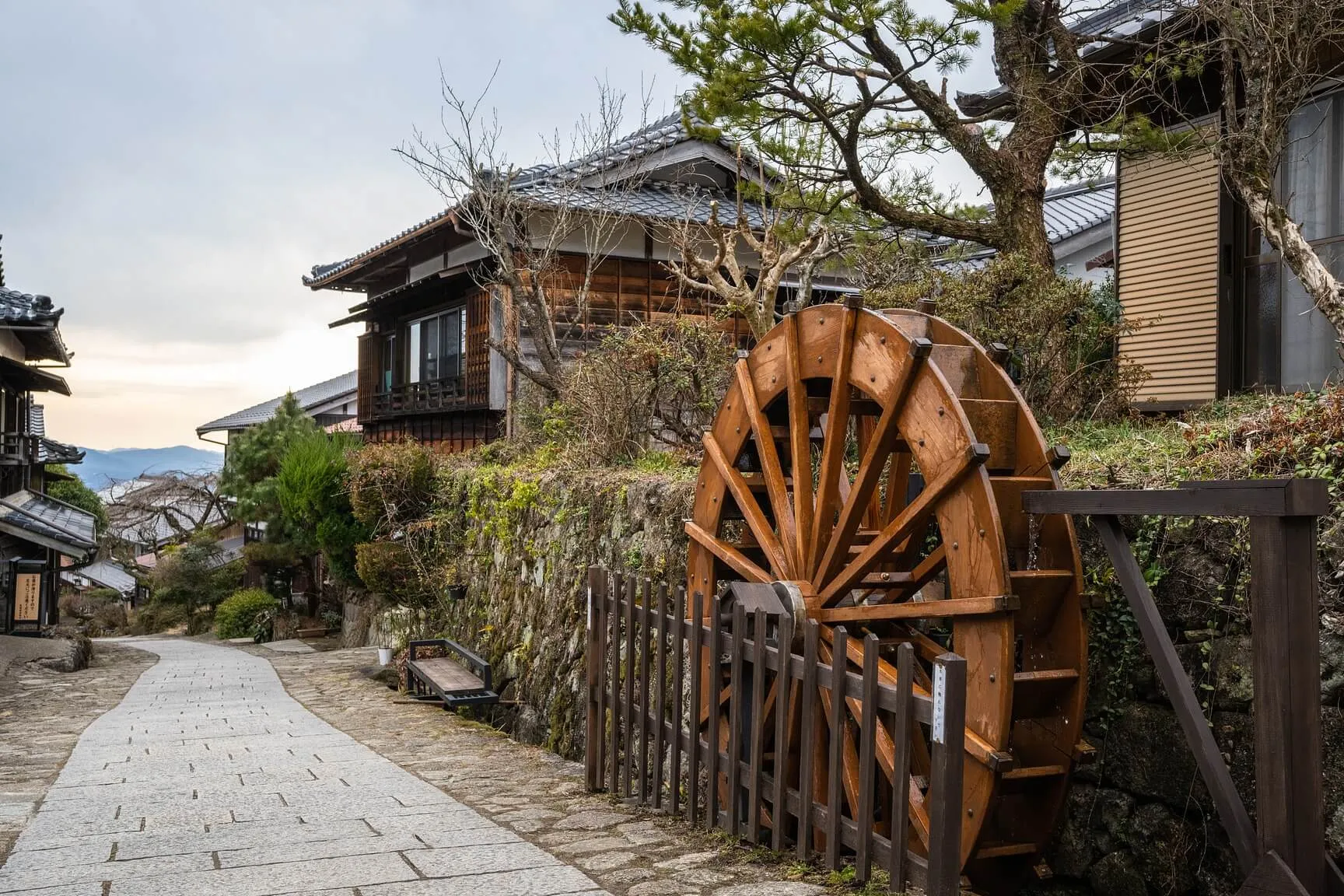
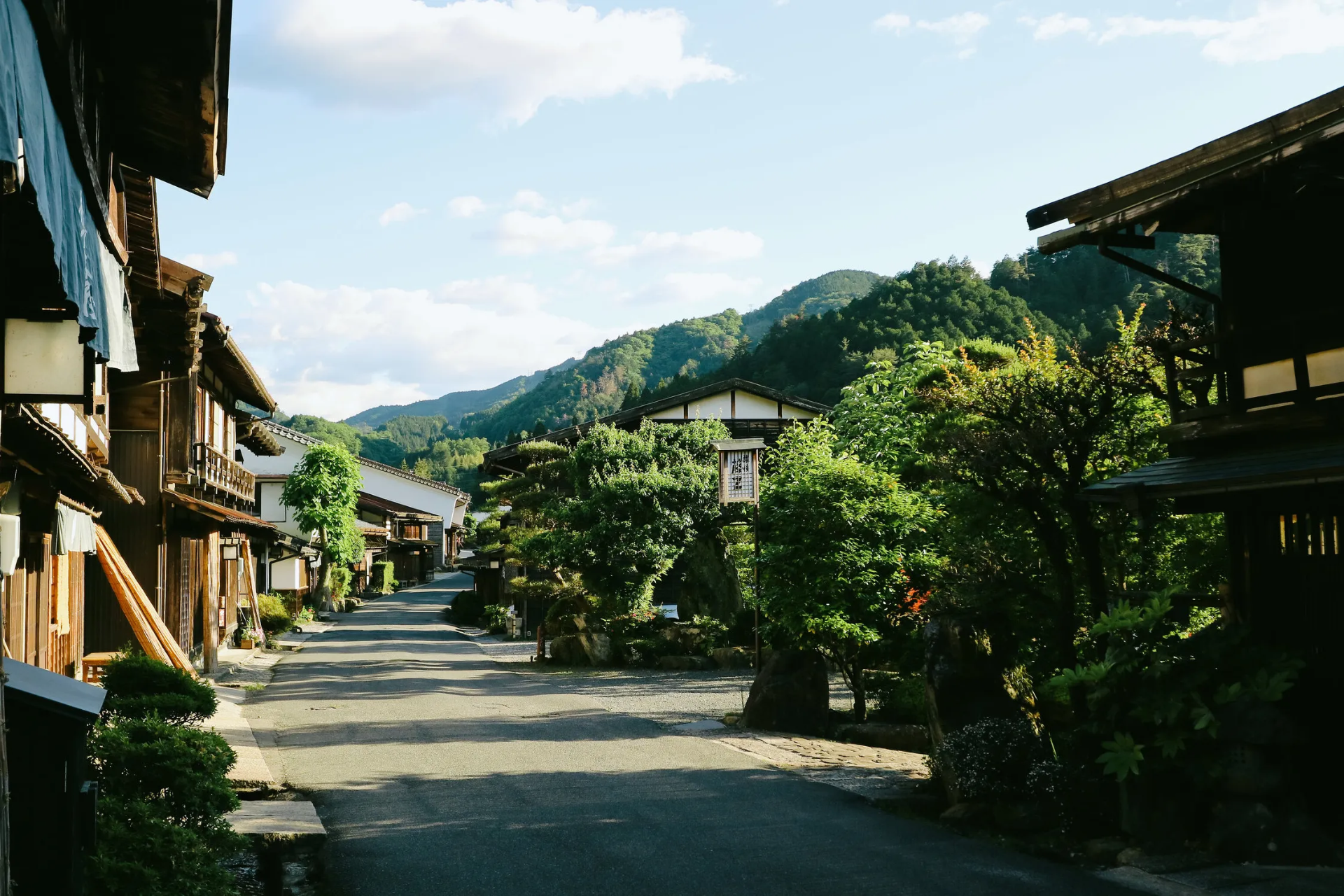
The Nakasendo Trail was one of the five main routes connecting Kyoto with Edo, present-day Tokyo, during Japan’s Edo period. It was a route 'through the middle of the mountains' (Naka-sen-do), used by samurai, merchants, and travelers. Its importance lies in the fact that it was a vital artery for the shogunate and preserves post towns with unique historic charm, such as Magome and Tsumago, which seem frozen in time. It is like traveling to another era, a truly transporting experience.
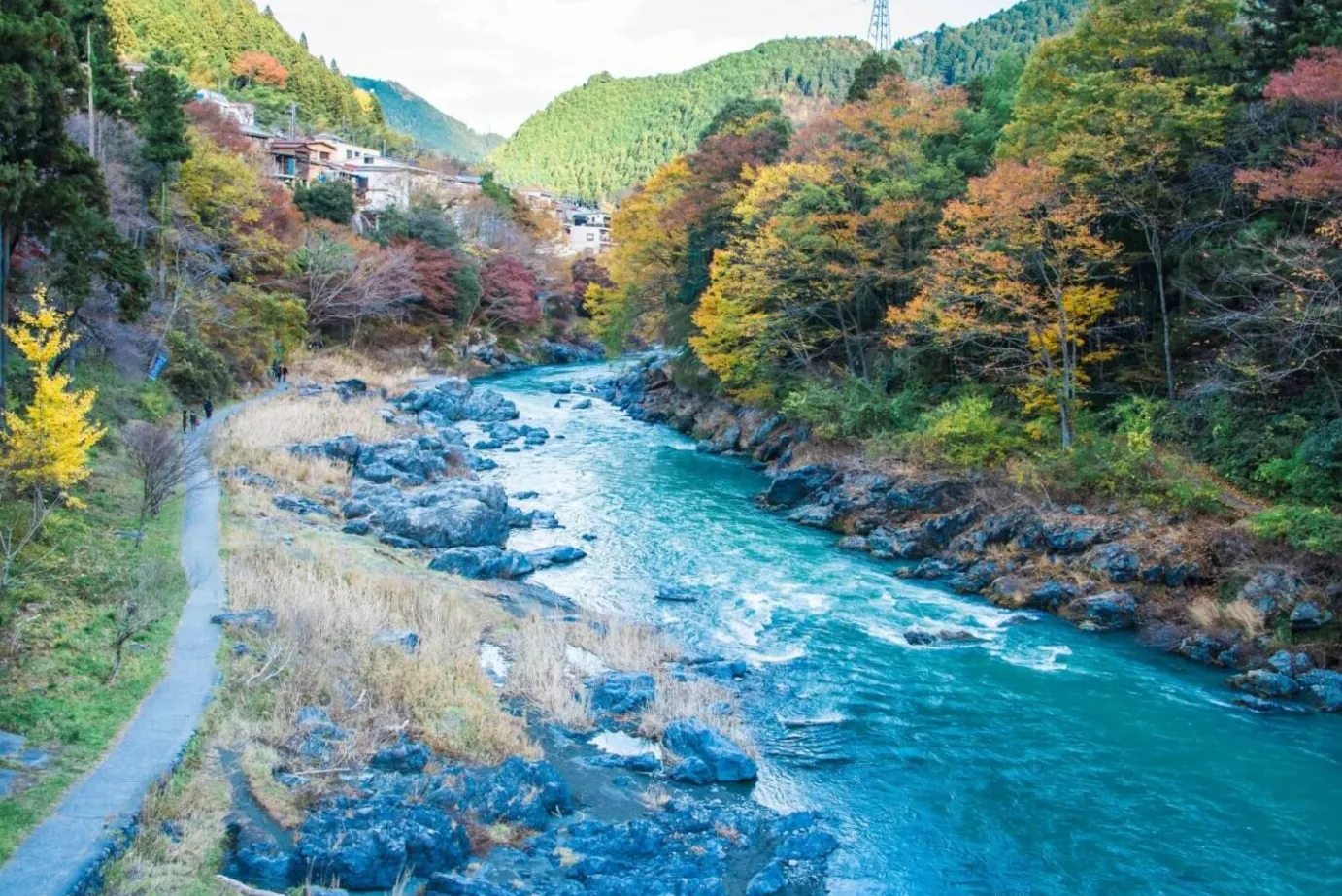
Spring (April to May) and autumn (October to November) are undoubtedly the best times to visit the Nakasendo Trail. In spring, the cherry blossoms add a magical touch, while in autumn, the foliage turns spectacular colors. Summer can be very hot and humid, and winter brings snow and cold temperatures, which can make the walk more difficult. So if you want the best experience, aim for spring or autumn.
Unfortunately, much of the Nakasendo Trail, especially the restored sections between the post towns, is not wheelchair accessible. The path is often uneven, with uphill and downhill stretches, steps, and dirt and stone surfaces. Some sections within the towns themselves may be flatter, but for the full walk, good mobility is required. This is not a flat route; it is an immersive experience through natural terrain.
Absolutely. The Kiso region offers much more. You can explore castles such as Matsumoto Castle a bit farther north, visit local hot spring baths (onsen) to relax, or discover other historic paths and scenic valleys. I recommend visiting Otaki Village and Ageo Town for a fuller experience of the area; they are hidden gems. You can find all the information on the Kiso website at Kiso Tourism Federation.
My best advice is to wear comfortable, sturdy footwear, since you will be walking quite a bit. Pack water and some snacks, although you will find shops in the towns. Always check the weather forecast and dress in layers. Consider sending your large luggage from one town to another or using a takkyubin delivery service so you can walk light. Most importantly, take your time, enjoy the scenery, and talk to the locals; every conversation is a gem. And of course, check the Kiso website for any updates before you go: Kiso Tourism Federation.
¿Prefieres escuchar en español?
🇪🇸 Escucha la audioguía de the Nakasendo Trail in Kiso en español