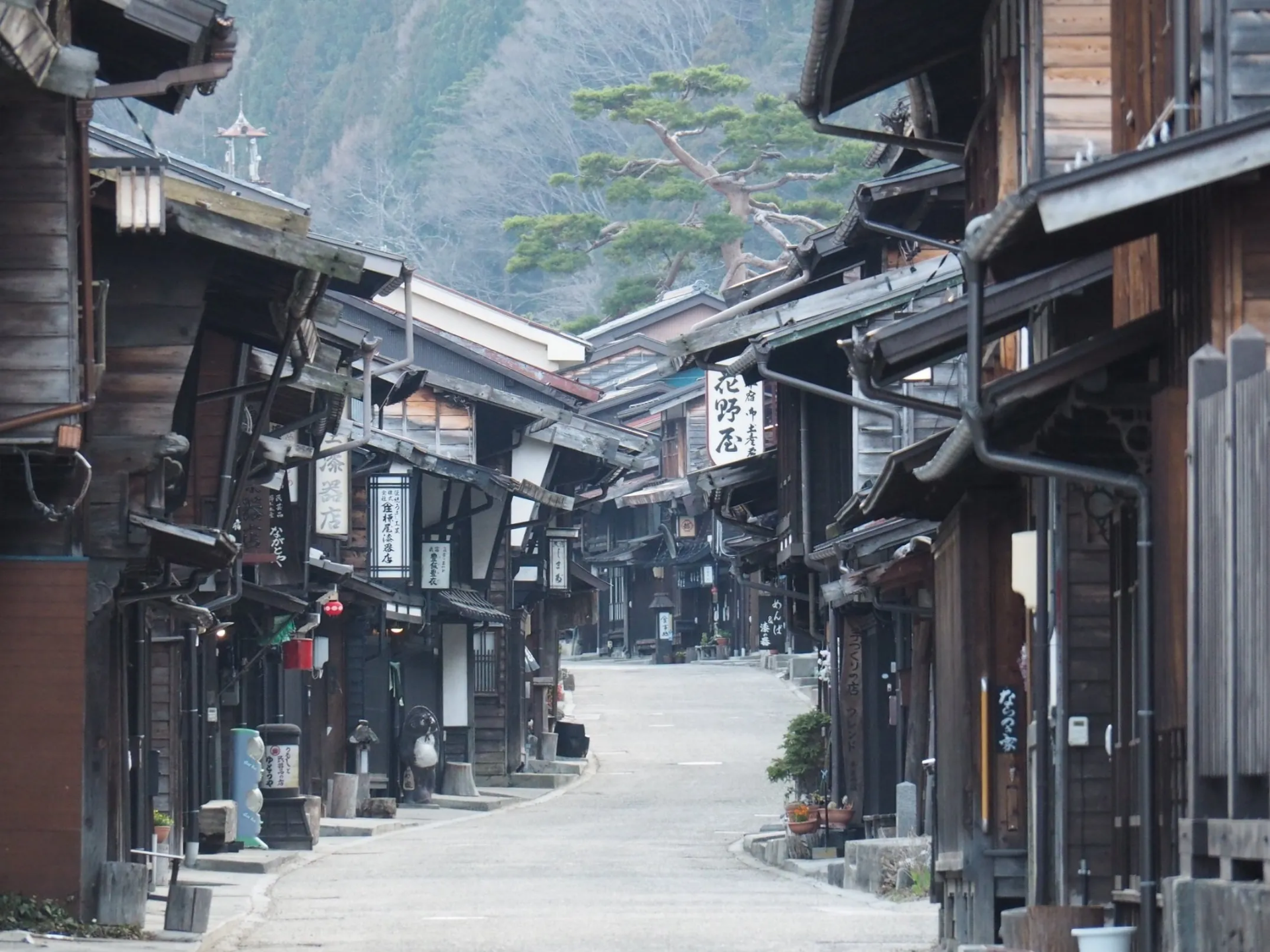
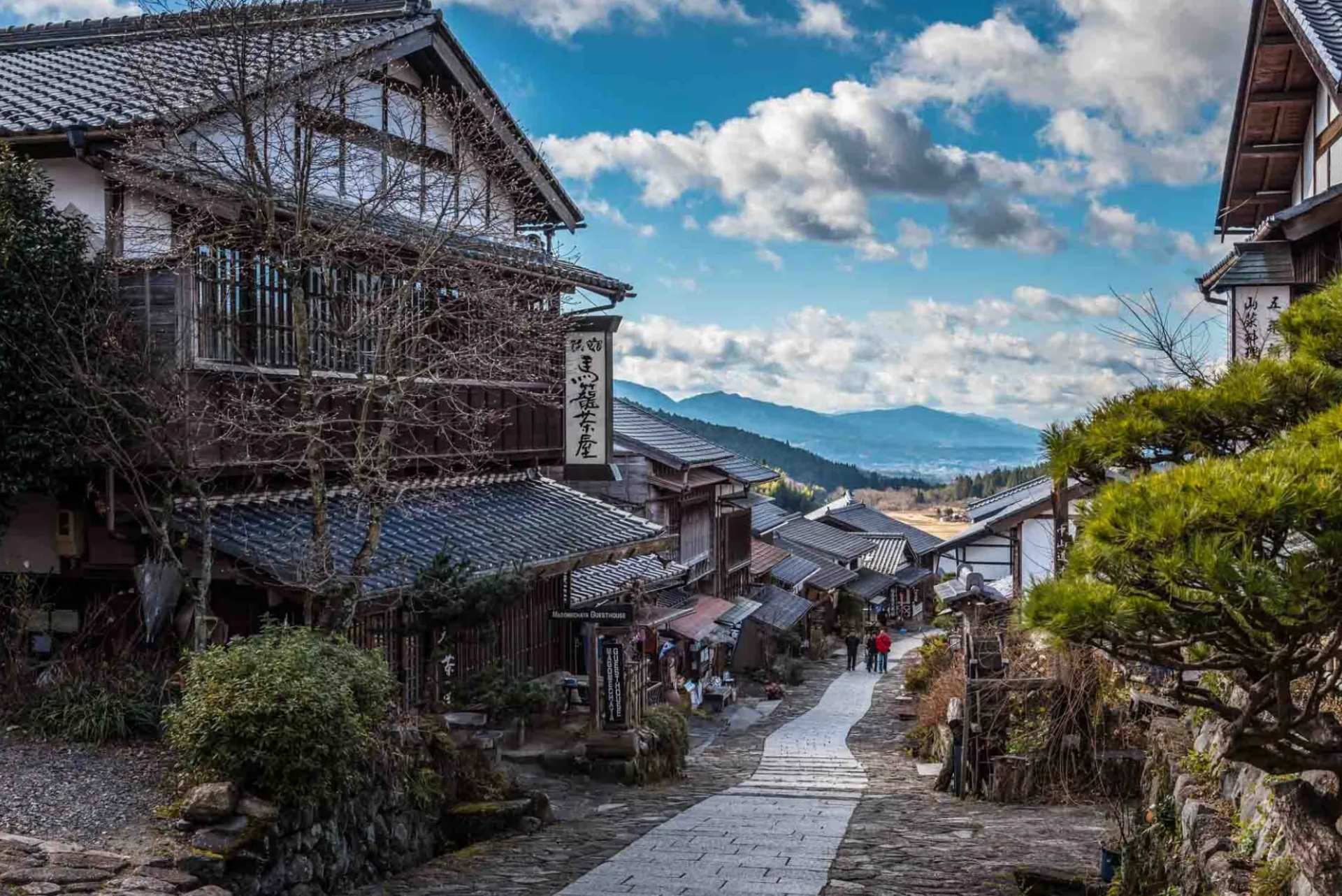
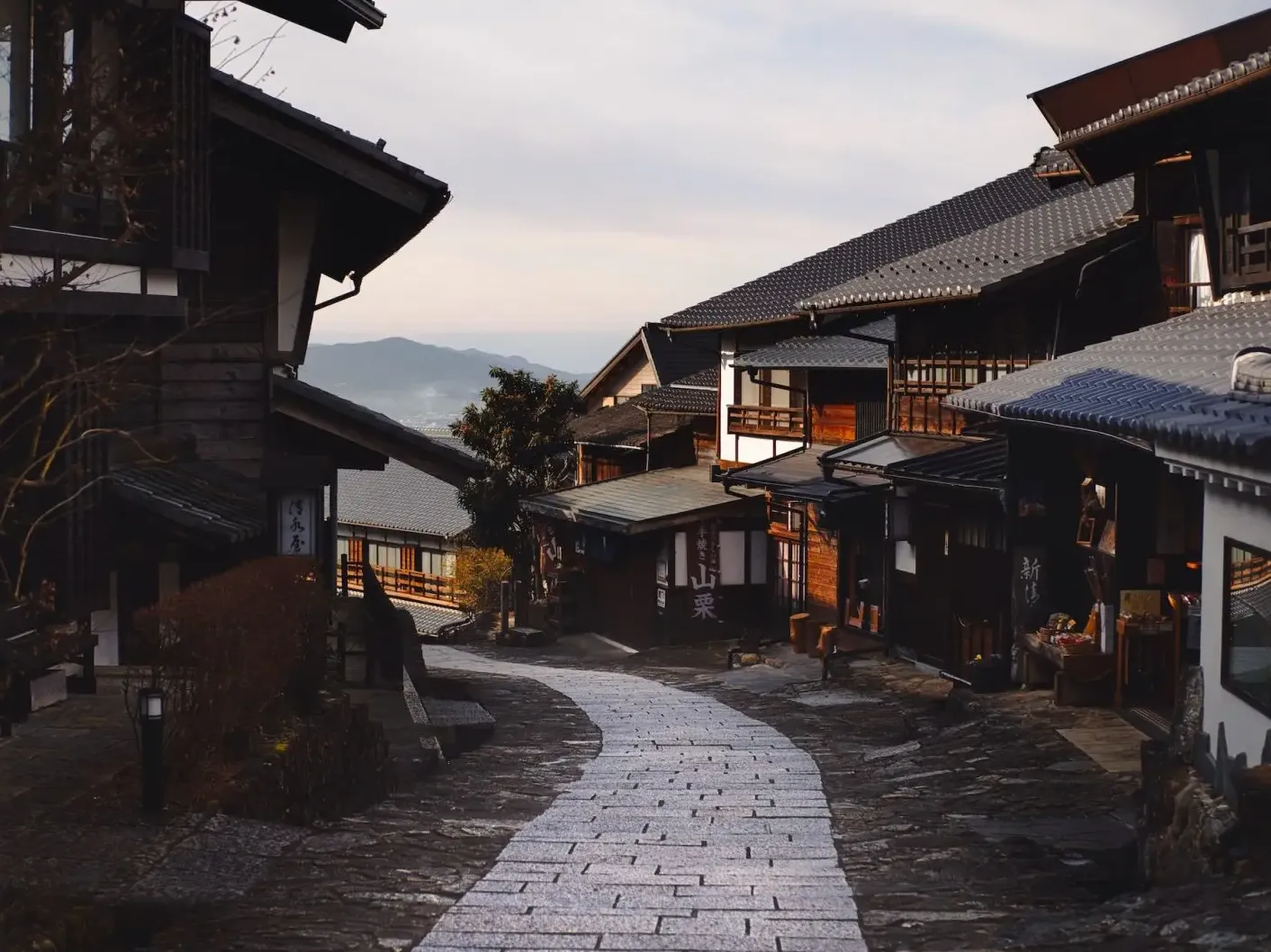
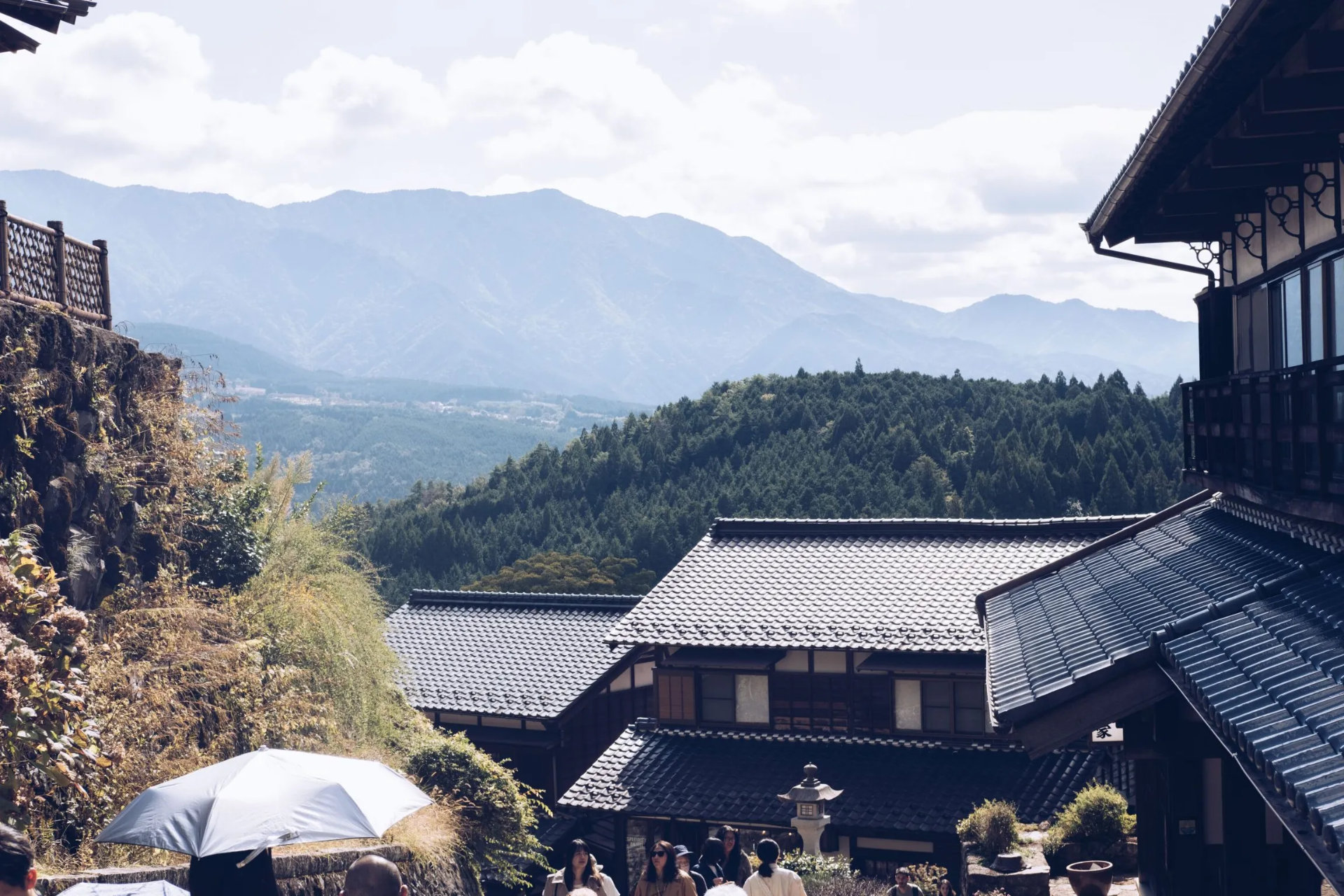
Magome Juku is a picturesque reconstructed historic post town, offering a window into feudal Japan in the heart of the Kiso Mountains.
Magome Juku is an open-air historic village, so it does not have strict opening or closing hours. Shops and restaurants usually open from 9:00 or 10:00 until around 17:00. To get there, you can take the train to Nakatsugawa Station and then a local bus (Japan Guide on Magome and Tsumago for transport details) directly to Magome.
Good news! Visiting Magome Juku is completely free. You can walk through its historic streets and enjoy the atmosphere without paying any admission fee. However, if you would like to visit some of its museums or former tea houses, they may charge small admission fees.
To fully enjoy Magome Juku, I recommend setting aside at least half a day, around 3 to 4 hours. This will give you time to explore the shops, have lunch at one of its restaurants, and enjoy the famous Kiso route between Magome and Tsumago if you decide to walk part of it.
Magome Juku is significant because it was one of the 69 post towns of the old Nakasendo route, which connected Edo (present-day Tokyo) with Kyoto during the Edo period. It was a crucial place for rest and trade for travelers, and it has preserved much of its original charm and period architecture.
Spring (April-May) and autumn (October-November) are the best times thanks to the pleasant weather and beautiful scenery with cherry blossoms or autumn foliage. If you want to avoid crowds, visit early in the morning on weekdays; weekends and Japanese public holidays are usually busier.
Magome Juku is set on a slope, and its stone-paved streets can be challenging, especially for wheelchairs. Some areas are accessible, but the incline and uneven surface can make a full visit difficult. It is advisable to check in advance or consider alternatives if mobility is a critical factor.
The most popular nearby attraction is Tsumago Juku, another well-preserved post town that you can reach by walking along the beautiful Nakasendo trail. You can also consider a visit to Takato Castle (during cherry blossom season) or explore the Kiso region more deeply, with its impressive natural landscapes and other historic towns.
Of course! I recommend wearing comfortable walking shoes, trying local sweets such as gohei mochi, and visiting the Toson Memorial Museum to learn about local history. If you plan to walk to Tsumago, send your luggage to the next town using the local transport service for a lighter and more enjoyable experience. Do not forget to check the Kiso Tourism page for more information.
¿Prefieres escuchar en español?
🇪🇸 Escucha la audioguía de Magome Juku en español