No te vayas sin conocer la historia Suscribete
IAudioGuia iaudioguia
Audio Guides of Kanazawa

Audio Guide of the D. T. Suzuki Museum

A space designed for contemplation, honoring the life and work of the Buddhist philosopher Daisetz Teitaro Suzuki, blending modern architecture with Zen tradition.

✓ What guidebooks don't tell you
✓ Secrets other tourists miss
✓ Listen while you explore
Discover everything
00:00
00:00
Rate this audio guide

📖 Audio Guide Chapters

6 chapters

1. Introduction and History

🔒 Premium Content

Subscribe to access all chapters of this audio guide.

2. Architecture and Design

🔒 Premium Content

Subscribe to access all chapters of this audio guide.

3. Art and Decoration

🔒 Premium Content

Subscribe to access all chapters of this audio guide.

4. Historical Figures

🔒 Premium Content

Subscribe to access all chapters of this audio guide.

5. Curiosities and Legends

🔒 Premium Content

Subscribe to access all chapters of this audio guide.

6. Cultural Importance and Legacy

🔒 Premium Content

Subscribe to access all chapters of this audio guide.

❓ Frequently Asked Questions

What are the opening hours of the D. T. Suzuki Museum and how can I get there?

The D. T. Suzuki Museum is usually open from 9:30 AM to 5:00 PM, with last admission at 4:30 PM. It is closed on Mondays (or the following day if Monday is a public holiday). To get there, you can take a bus from Kanazawa Station and get off at the 'Honda-machi' stop. The museum is about a 5–10 minute walk from there. For more details, check the official website: D. T. Suzuki Museum

How much does admission to the D. T. Suzuki Museum cost?

Admission to the D. T. Suzuki Museum costs 310 yen for adults, 210 yen for junior high and high school students, and is free for schoolchildren and visitors under 18. It is a very affordable price to enjoy such a serene and reflective space. You can pay directly at the entrance.

How much time should I plan to visit the museum and enjoy it at a relaxed pace?

Although the museum is not very large, I recommend allowing at least 1 to 1.5 hours to fully appreciate its architecture, gardens, and rooms in a relaxed and contemplative way. It is a place designed for reflection, so you will not want to rush.

What makes the D. T. Suzuki Museum so special and worth visiting?

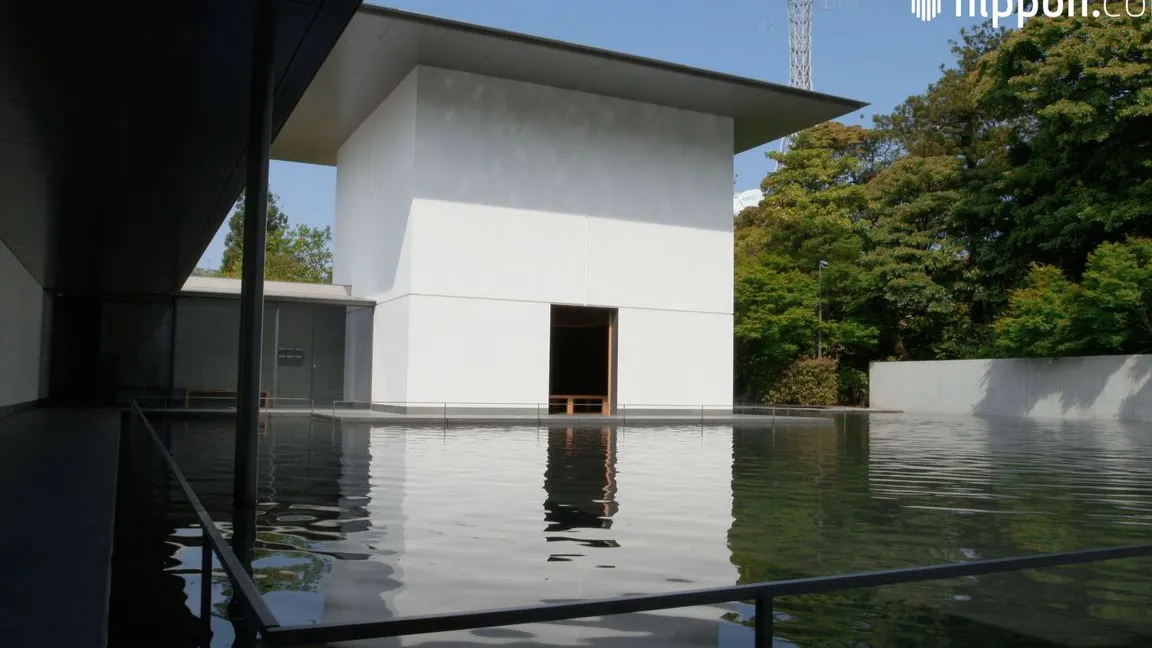
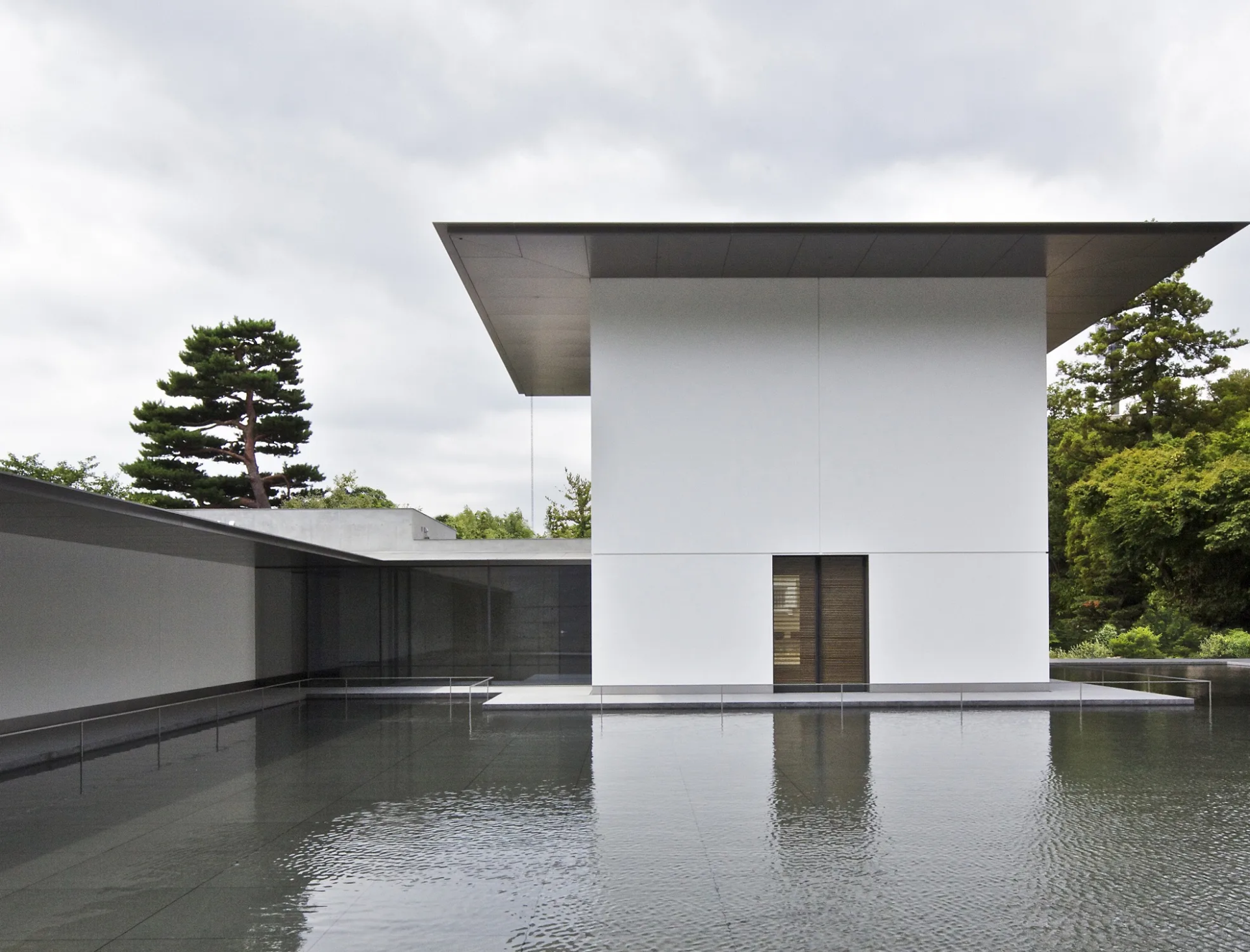
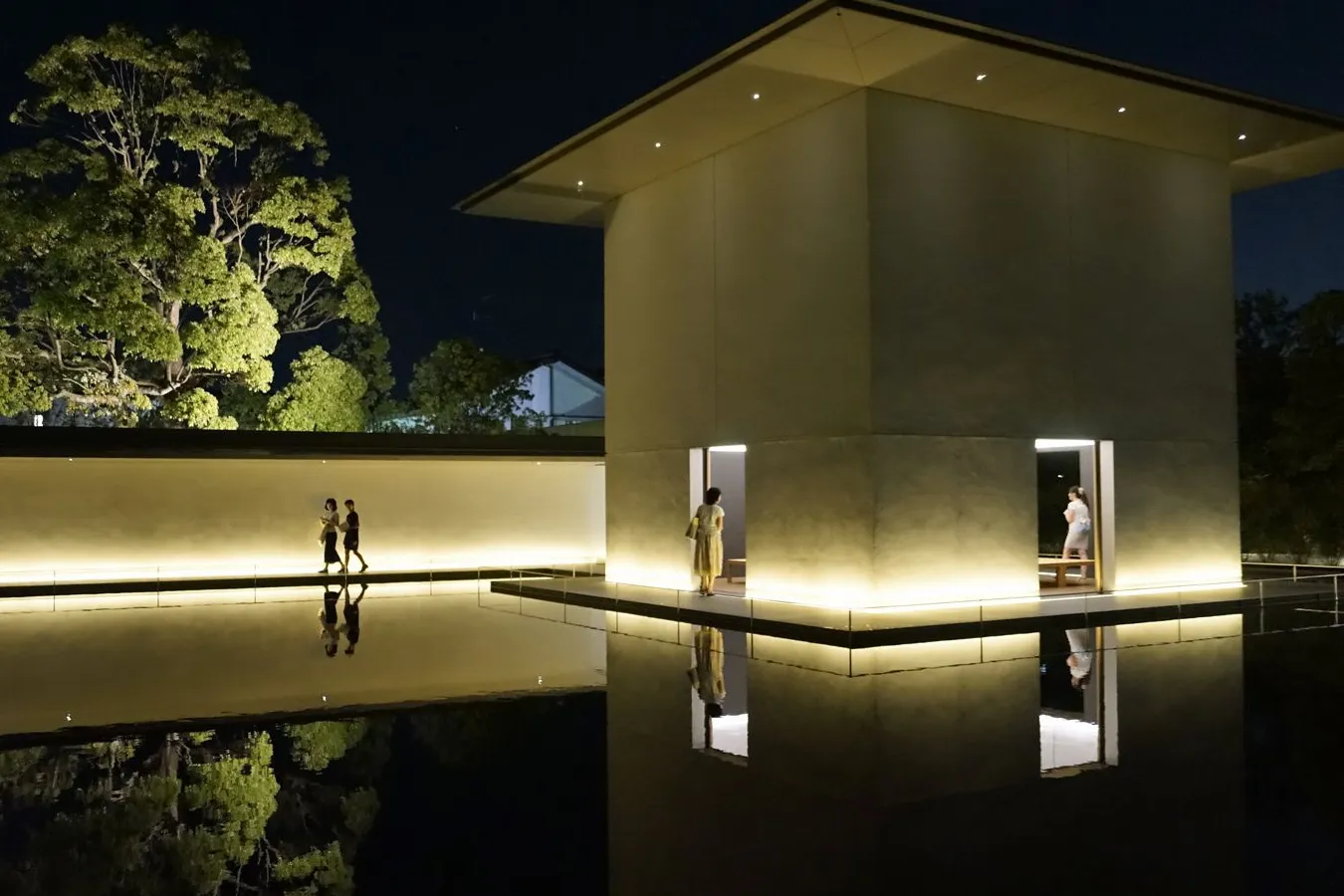
This museum is a tribute to Daisetz Teitaro Suzuki, a prominent Zen Buddhist philosopher and a key figure in introducing Zen to the West. Its modern and minimalist architectural design, with reflecting pools and open spaces, aims to evoke the principles of Zen and Suzuki's philosophy, creating a unique atmosphere of calm and meditation.

What is the best time of year or day to visit the D. T. Suzuki Museum?

For a quieter experience, I recommend visiting in the morning just after opening, or late in the afternoon before closing. As for the best time of year, spring with the cherry blossoms and autumn with the colorful foliage offer especially beautiful scenery around the museum and in its gardens.

Is the D. T. Suzuki Museum accessible for people with reduced mobility or wheelchair users?

Yes, the D. T. Suzuki Museum is designed to be accessible. It has ramps and elevators to make all areas of the museum and its gardens easier to access. If you have any specific needs, it is always a good idea to contact the museum in advance at +81 76-221-8011 to confirm details and receive assistance.

What other interesting attractions are near the museum that I can visit on the same day?

Kanazawa is full of gems! Near the D. T. Suzuki Museum, you can find the famous Kenrokuen Garden, one of the most beautiful gardens in Japan, as well as Kanazawa Castle. Very close by is also the 21st Century Museum of Contemporary Art, another architectural marvel that is well worth a visit. I recommend combining them for a full cultural day.

Do you have any practical tips to make the most of my visit to the D. T. Suzuki Museum?

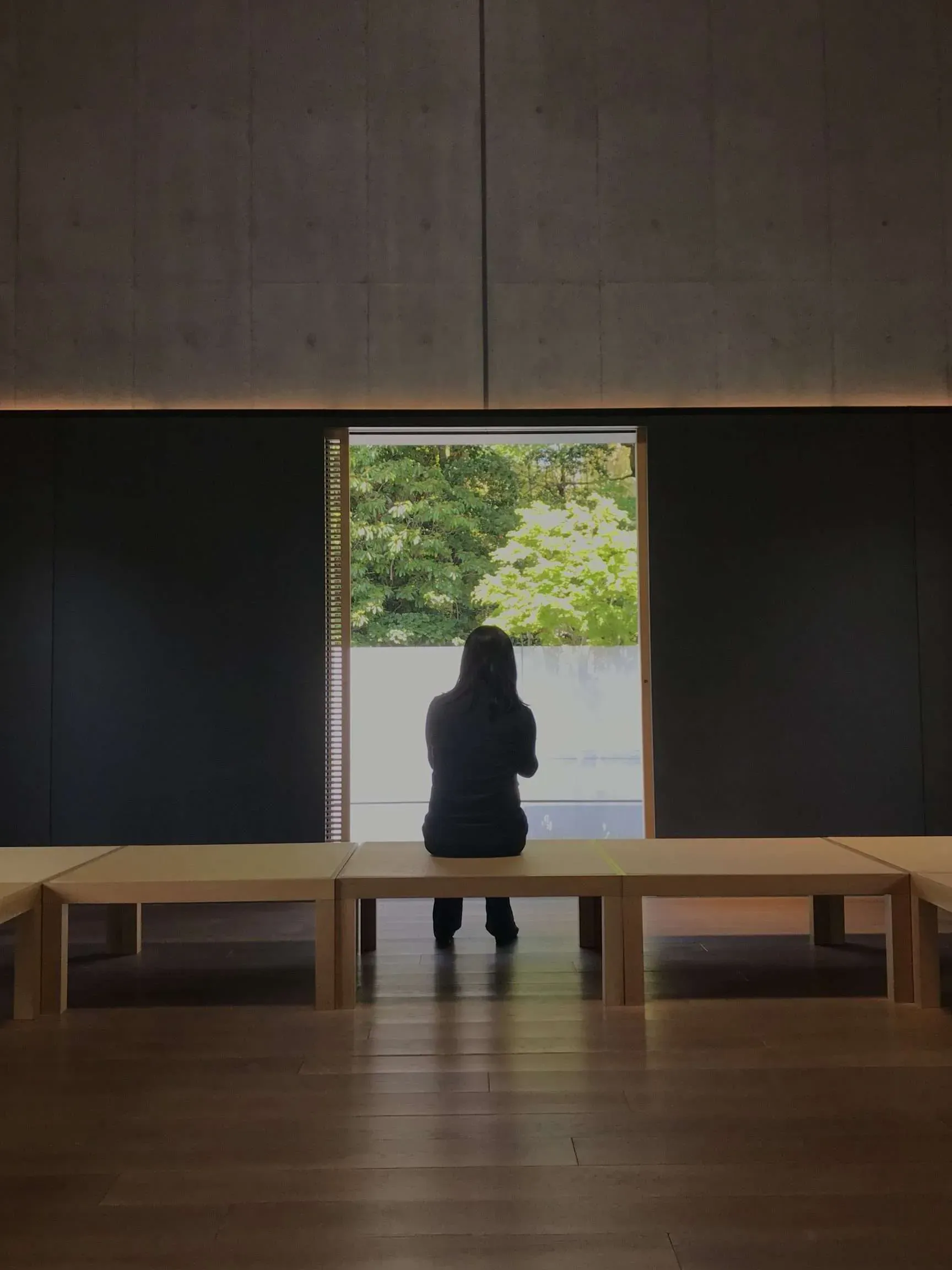
My advice is to take your time. This museum invites introspection, not haste. Enjoy the stillness, sit by the pools, and observe the play of light and shadow. Consider bringing headphones with one of our IAudioguia guides for a deeper immersion into Zen philosophy and Suzuki's life. Do not forget your camera — the architecture is very photogenic. Take a deep breath and let yourself be carried away!

¿Prefieres escuchar en español?

🇪🇸 Escucha la audioguía de the D. T. Suzuki Museum en español