¿Sabías que este volcán sagrado casi entierra Tokio en cenizas y prohibió a las mujeres hasta hace 200 años? Escucha sus secretos desde Fujikawaguchiko.
To climb Mount Fuji, most visitors arrive at Kawaguchiko Station (Fujikyu) and then take the direct bus to the 5th Station (Gogome), the official starting point for the ascent. The official climbing season usually runs from July to September, and buses operate during that period with specific schedules that you can check on the official Fujikawaguchiko tourism website. It is vital to check bus schedules in advance, as they vary depending on the season and weather.
Climbing Mount Fuji is free, but there are transportation and service costs. The bus from Kawaguchiko to the 5th Station costs approximately 2,000 yen each way. In addition, a 1,000-yen maintenance contribution is recommended at each mountain hut along the route to help preserve the mountain. There is no single general admission ticket for the volcano itself.
The ascent to the summit from the 5th Station (Yoshidaguchi) takes between 5 and 7 hours for regular hikers, and the descent can take between 3 and 5 hours depending on trail conditions. In total, you should plan at least 10 hours for the full round-trip experience. It is strongly recommended to start the climb in the evening and spend the night in a mountain hut near the top to see the sunrise (the 'Ursula').
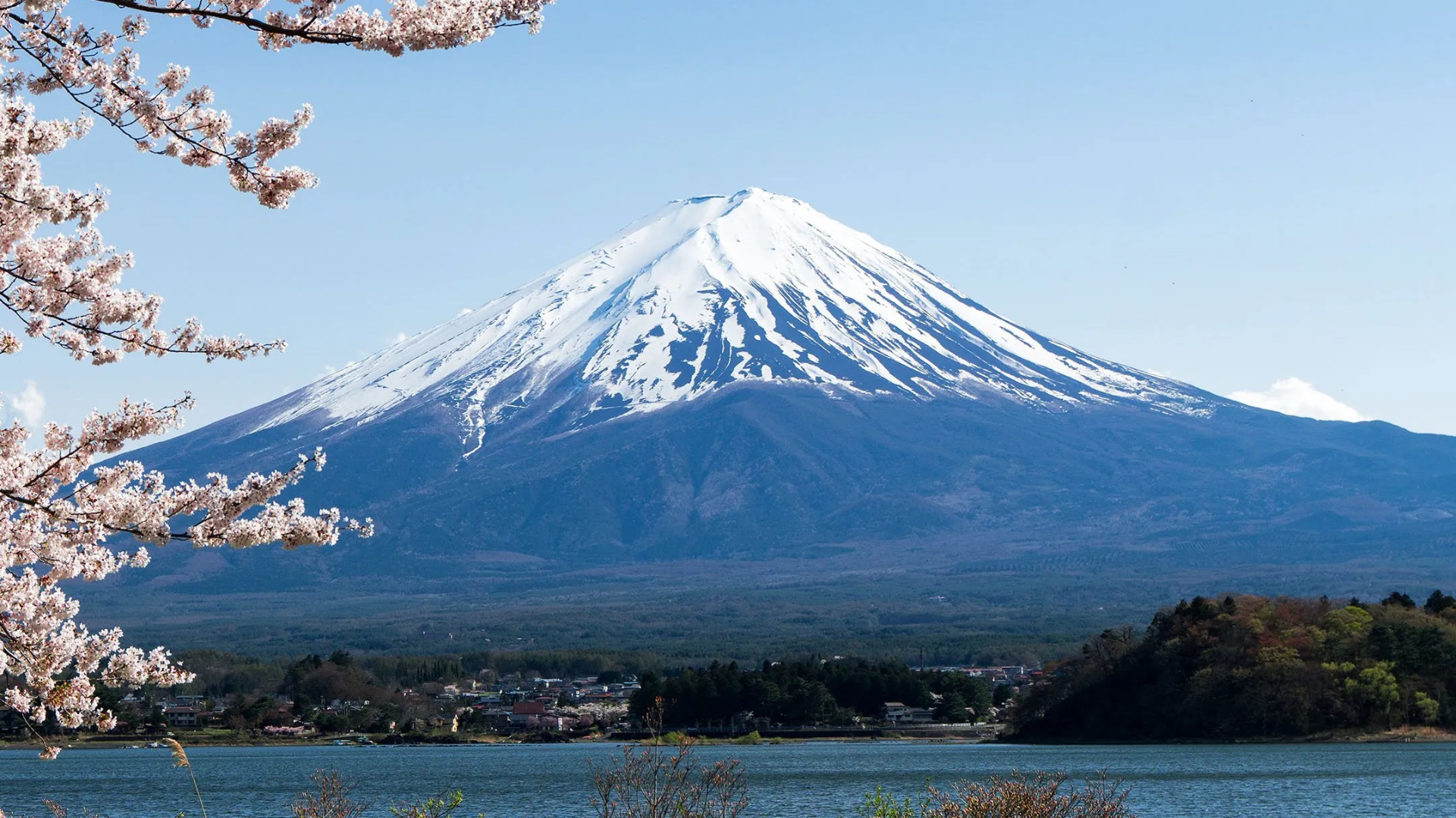
Mount Fuji is an active volcano and Japan’s most important symbol, considered sacred in the Shinto religion since ancient times. It has inspired artists and poets for centuries, serving as the iconic subject of Hokusai’s 'The Great Wave off Kanagawa,' and it was declared a UNESCO World Heritage Site in 2013 for its spiritual and artistic value. It represents the beauty of nature and the spiritual connection of the Japanese people with their land.
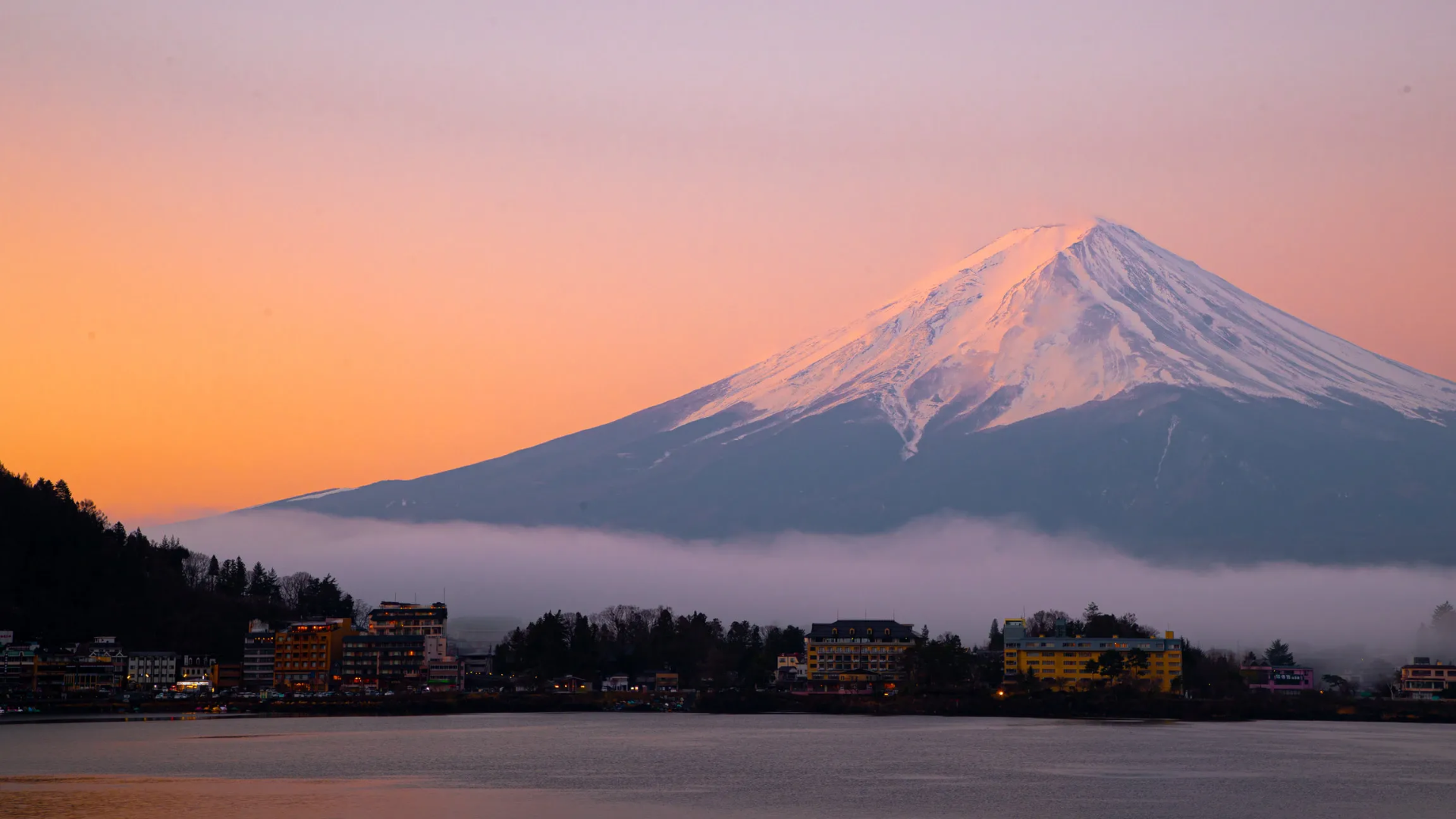
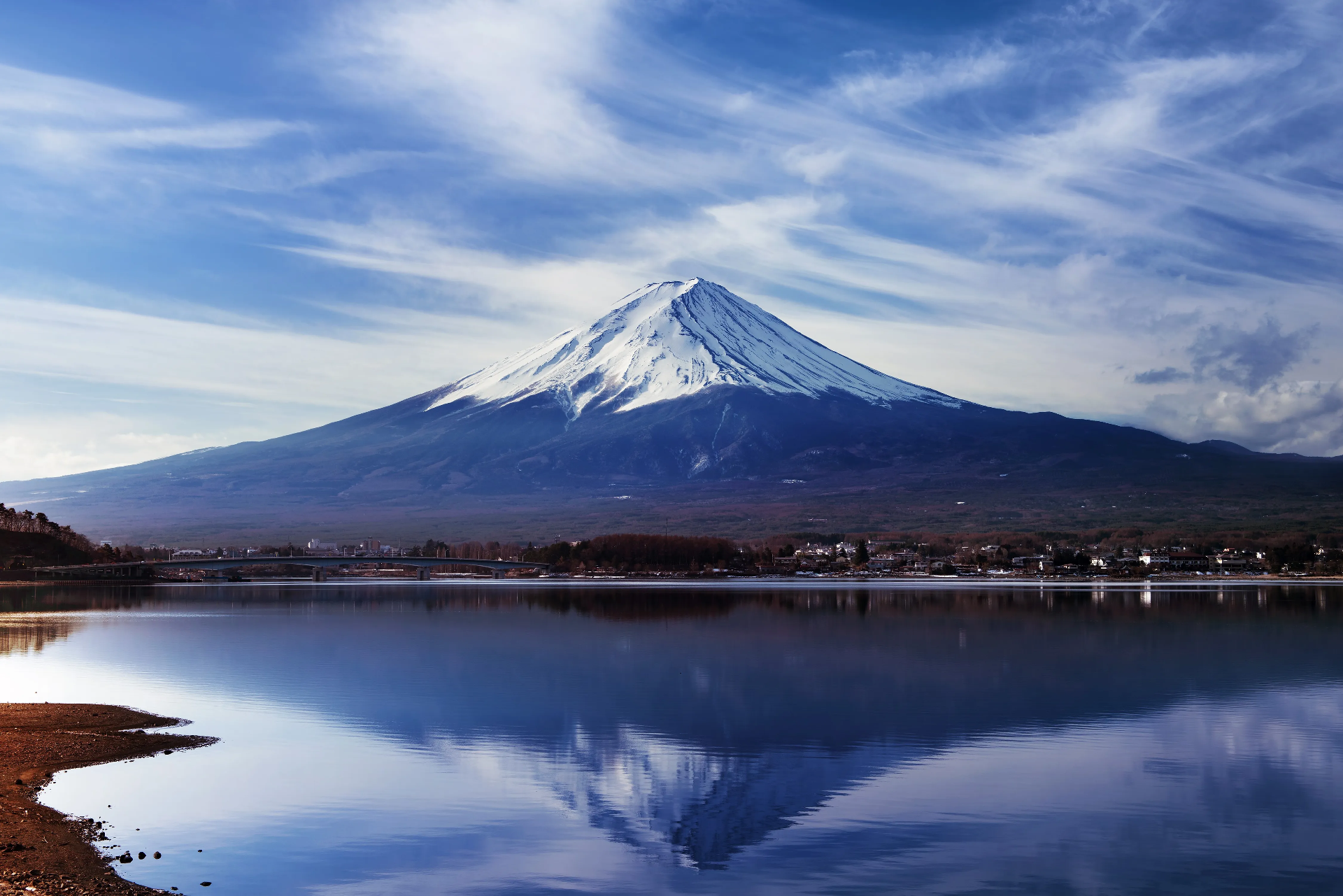
For climbing, the best time is the official summer season, from early July to mid-September, when the trails are free of snow and facilities are open. If your goal is to take spectacular photos without climbing, any time of year is good, although summer is often cloudy; winter offers clear skies, and the snow on the summit creates an incredible contrast when viewed from nearby lakes such as Lake Kawaguchi. Information booths and mountain huts operate only in summer.
Unfortunately, the hiking trail to the summit of Mount Fuji is not wheelchair accessible due to its steep, rocky terrain. However, it is possible to reach the 5th Station by car and bus, and it has an accessible viewing area with wide views of the surrounding landscape. I recommend visiting the official Mount Fuji website to see photos of the 5th Station area.
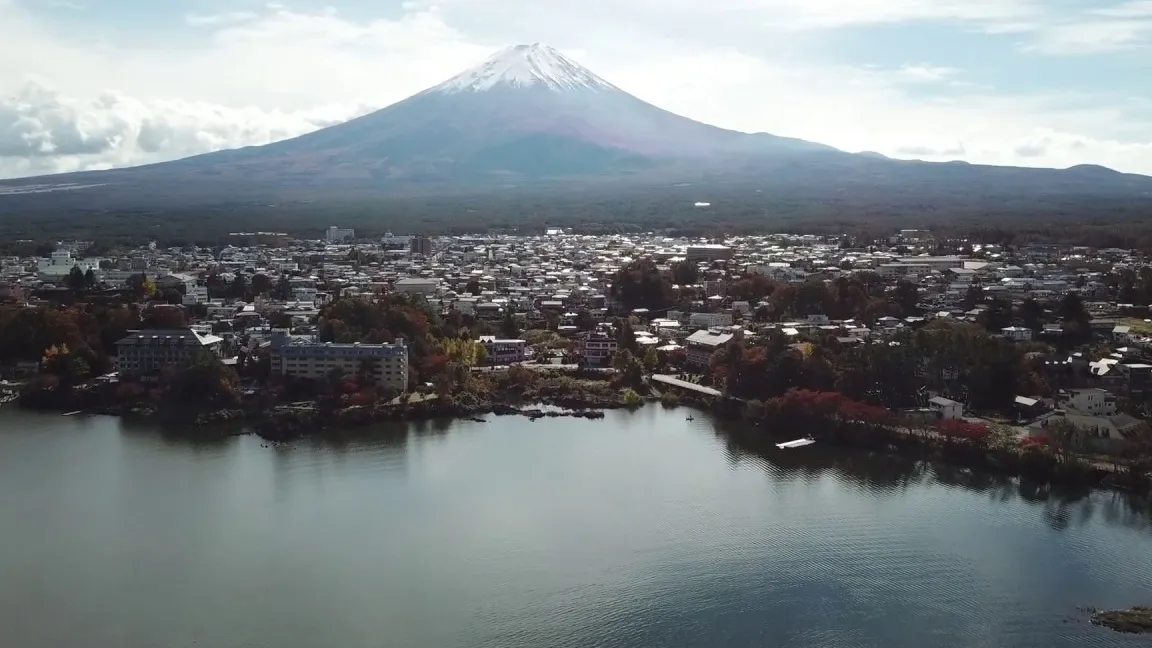
The Lake Kawaguchi area is full of must-see attractions such as the Cloud Art Museum and Installation, Oishi Flower Park, and the Fuji Botanical Garden. Near the volcano you will also find Kuwabara Shrine and the famous 'Ice Caves of Batagawa Cave' in winter. For a full itinerary, I suggest checking the Fujikawaguchiko tourism guide at kawaguchiko.jp.
The weather at the summit is extremely cold even in summer, so bring several layers of clothing, gloves, and a headlamp if you plan to climb at night. The altitude causes dizziness in some people, so take your time to acclimatize at the 5th Station before starting and drink plenty of water. Finally, download or print trail maps, as mobile signal is unstable at higher elevations.
¿Prefieres escuchar en español?
🇪🇸 Escucha la audioguía de Monte Fuji en español