No te vayas sin conocer la historia Suscribete
IAudioGuia iaudioguia
Audio Guides of Fuji

Audio Guide of Aokigahara Forest

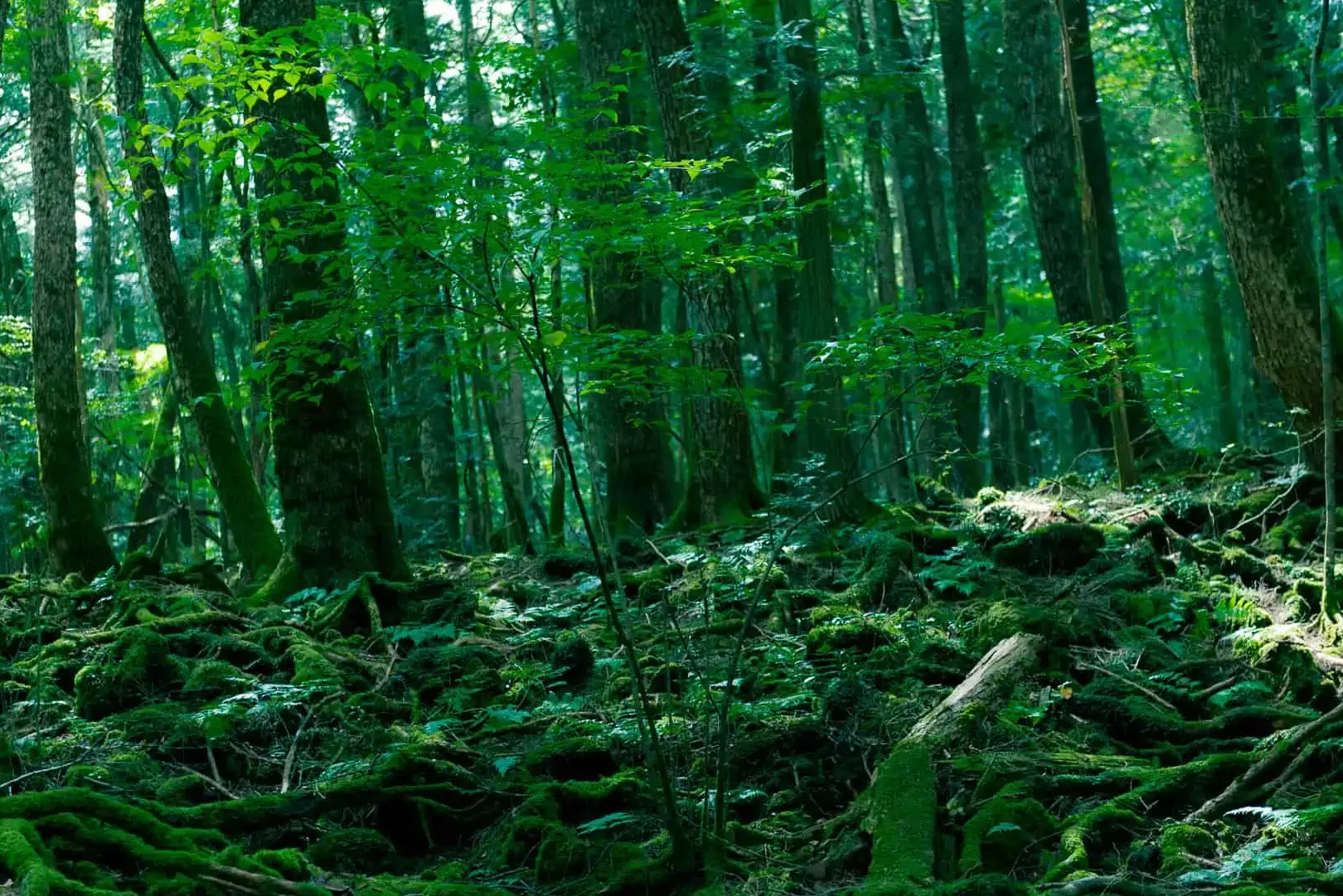
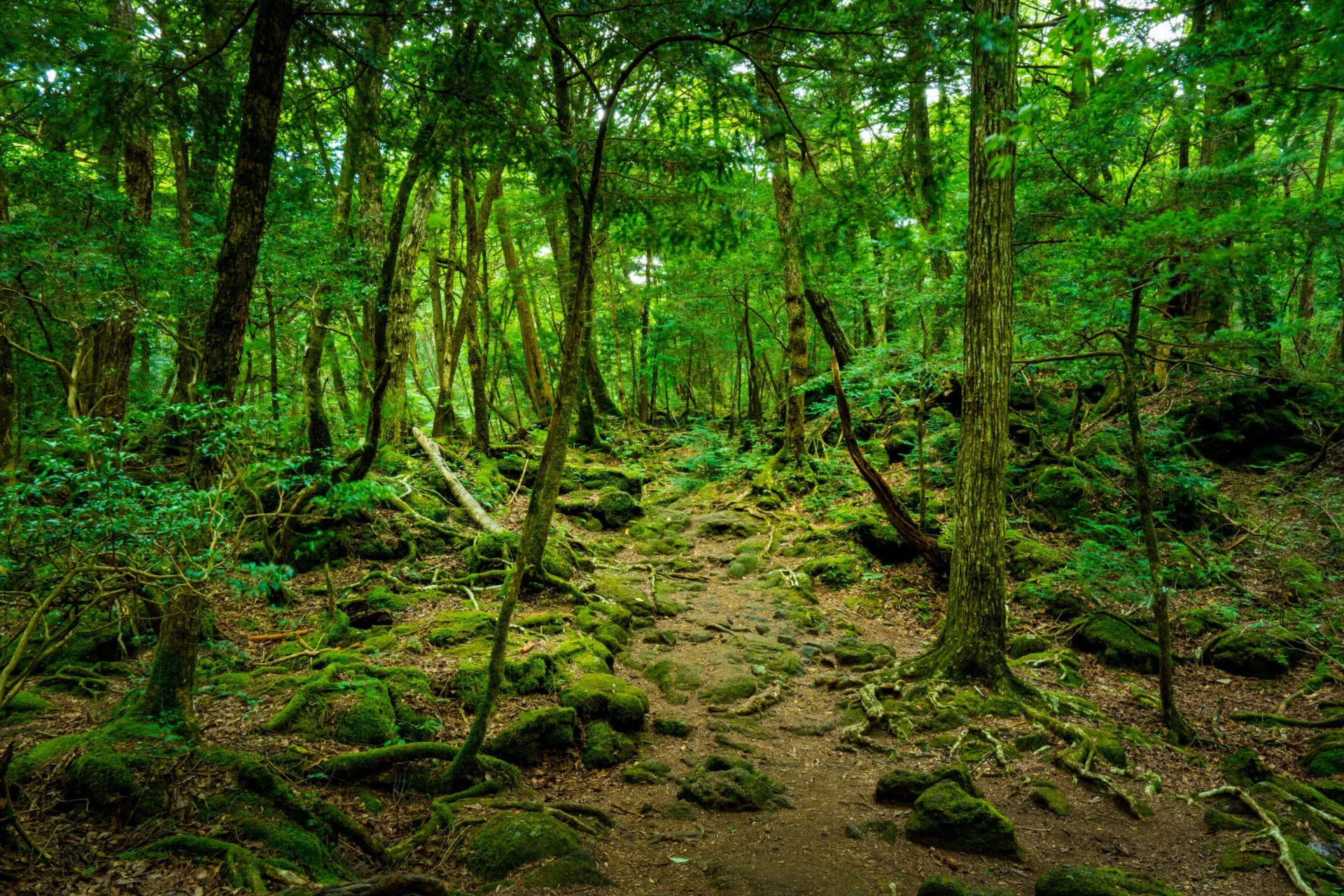
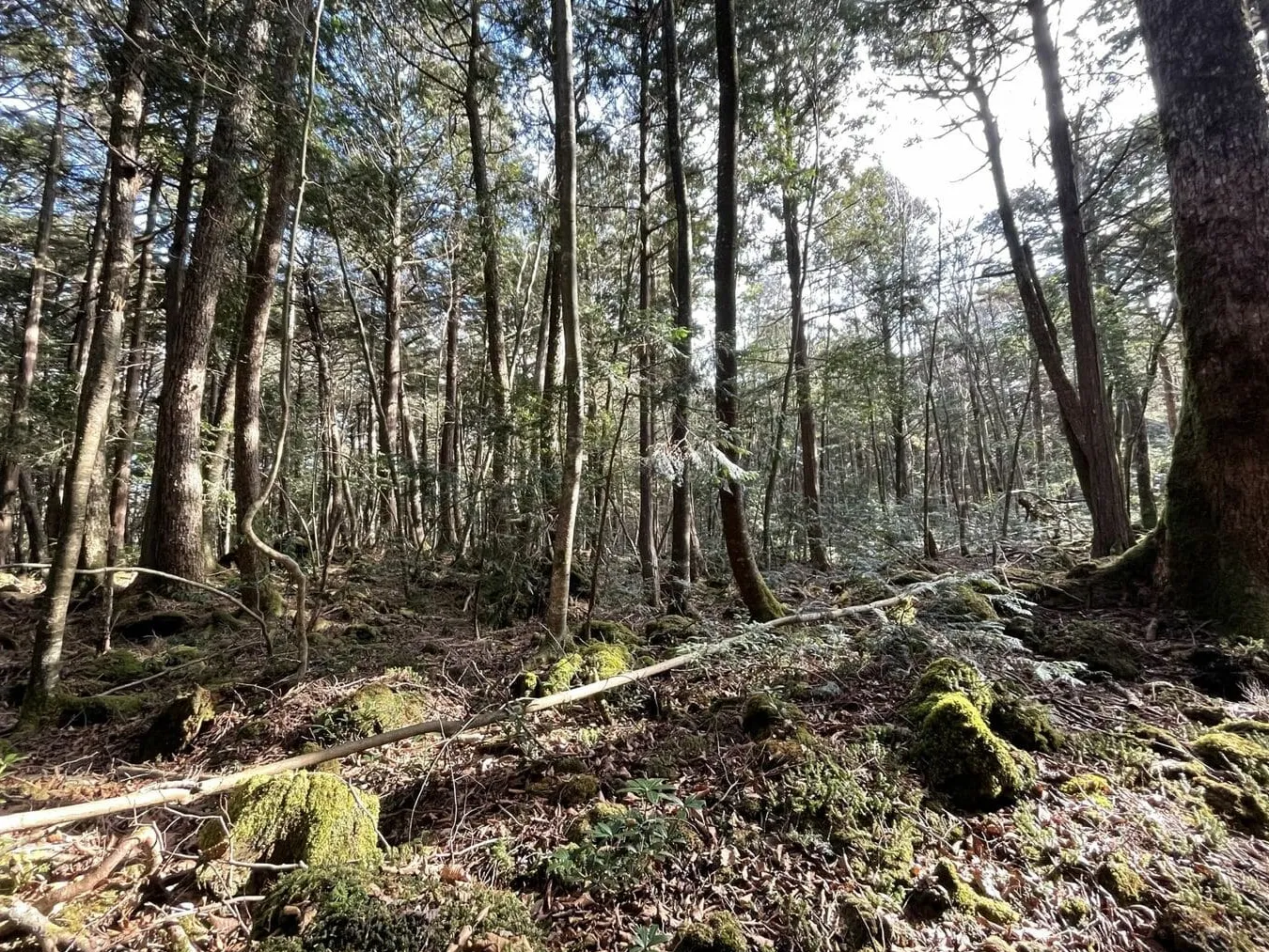
Entra en el mar de árboles donde las brújulas enloquecen, fantasmas susurran y la lava del Fuji guarda secretos que te helarán la sangre... o te harán reír de lo absurdo.

✓ What guidebooks don't tell you
✓ Secrets other tourists miss
✓ Listen while you explore
Discover everything
00:00
00:00
Rate this audio guide

📖 Audio Guide Chapters

6 chapters

1. Fuji’s fury that created a living labyrinth

🔒 Premium Content

Subscribe to access all chapters of this audio guide.

2. Deceptive lava: clues to a treacherous forest

🔒 Premium Content

Subscribe to access all chapters of this audio guide.

3. Broken love and abandoned elders in the mist

🔒 Premium Content

Subscribe to access all chapters of this audio guide.

4. Crazy compasses and caves that freeze the soul

🔒 Premium Content

Subscribe to access all chapters of this audio guide.

5. Marks in the lava that the wind cannot erase

🔒 Premium Content

Subscribe to access all chapters of this audio guide.

6. The echo that changes you before you leave

🔒 Premium Content

Subscribe to access all chapters of this audio guide.

❓ Frequently Asked Questions

When is Aokigahara Forest open and how can I get there?

Aokigahara Forest is open 24 hours a day all year round, but visiting during daylight is recommended for safety. You can get there by bus from Kawaguchiko Station (about 30–40 min) or by car via Route 180; there is free parking at main entrances such as Ukuihama. Check the official Fuji Five Lakes website for updated bus schedules.

How much does it cost to enter Aokigahara Forest? Is it free?

Entry to Aokigahara Forest is completely free, with no ticket required. You will only pay for transportation or parking if applicable, but pedestrian access is open to all.

How much time is needed to visit Aokigahara Forest?

It is recommended to allow 2–4 hours to explore the main trails such as Ukuihama or Narusawa. If you want to take longer routes or visit nearby caves, plan for about half a day.

What is the history or cultural significance of Aokigahara Forest?

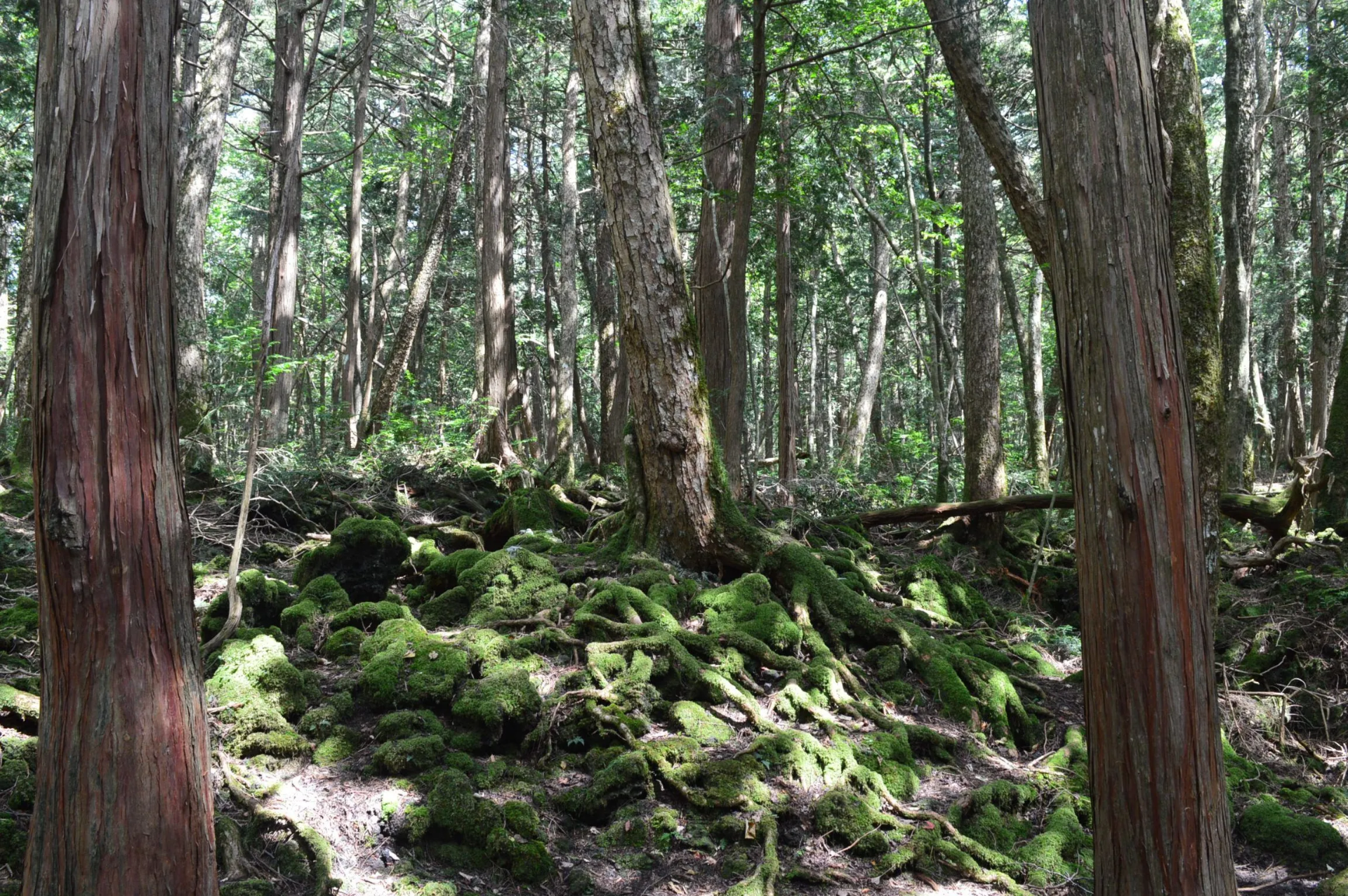
Formed by the eruption of Mount Fuji in AD 864, this lava forest is known as the 'Sea of Trees' for its unique density and myths of yūrei (ghosts). Culturally, it is a sacred site in Shinto, but it is also sadly associated with suicides, which is why prevention campaigns exist.

What is the best time to visit Aokigahara Forest?

Autumn (October–November) is ideal for the vibrant foliage colors, and spring is also beautiful for wildflowers; avoid winter because of snow and avoid nighttime for safety. Sunny mornings offer the best light for photos.

Is Aokigahara Forest accessible for people with reduced mobility?

Accessibility is limited due to uneven lava trails and exposed roots; in most areas there are no paved wheelchair-accessible paths. Consider the first viewpoints or check with the Narusawa Visitor Center for adapted options.

What other attractions are near Aokigahara Forest?

Nearby you will find Lake Kawaguchi (20 min by car), Narusawa Ice Cave and Fugaku Wind Cave (entry about 400 yen), and views of Mount Fuji. Explore the Fuji Five Lakes area for a full day out; more info at Fuji Five Lakes.

What are some practical tips for visiting Aokigahara Forest?

Go in a group, stay on marked trails, and bring water, a GPS map, and a flashlight; respect the suicide-prevention signs and do not wander off alone. Wear comfortable shoes for the volcanic terrain and download apps such as YAMAP for offline navigation.

¿Prefieres escuchar en español?

🇪🇸 Escucha la audioguía de Aokigahara Forest en español