No te vayas sin conocer la historia Suscribete
IAudioGuia iaudioguia
Audio Guides of Fuji

Audio Guide of Oshino Hakkai Village

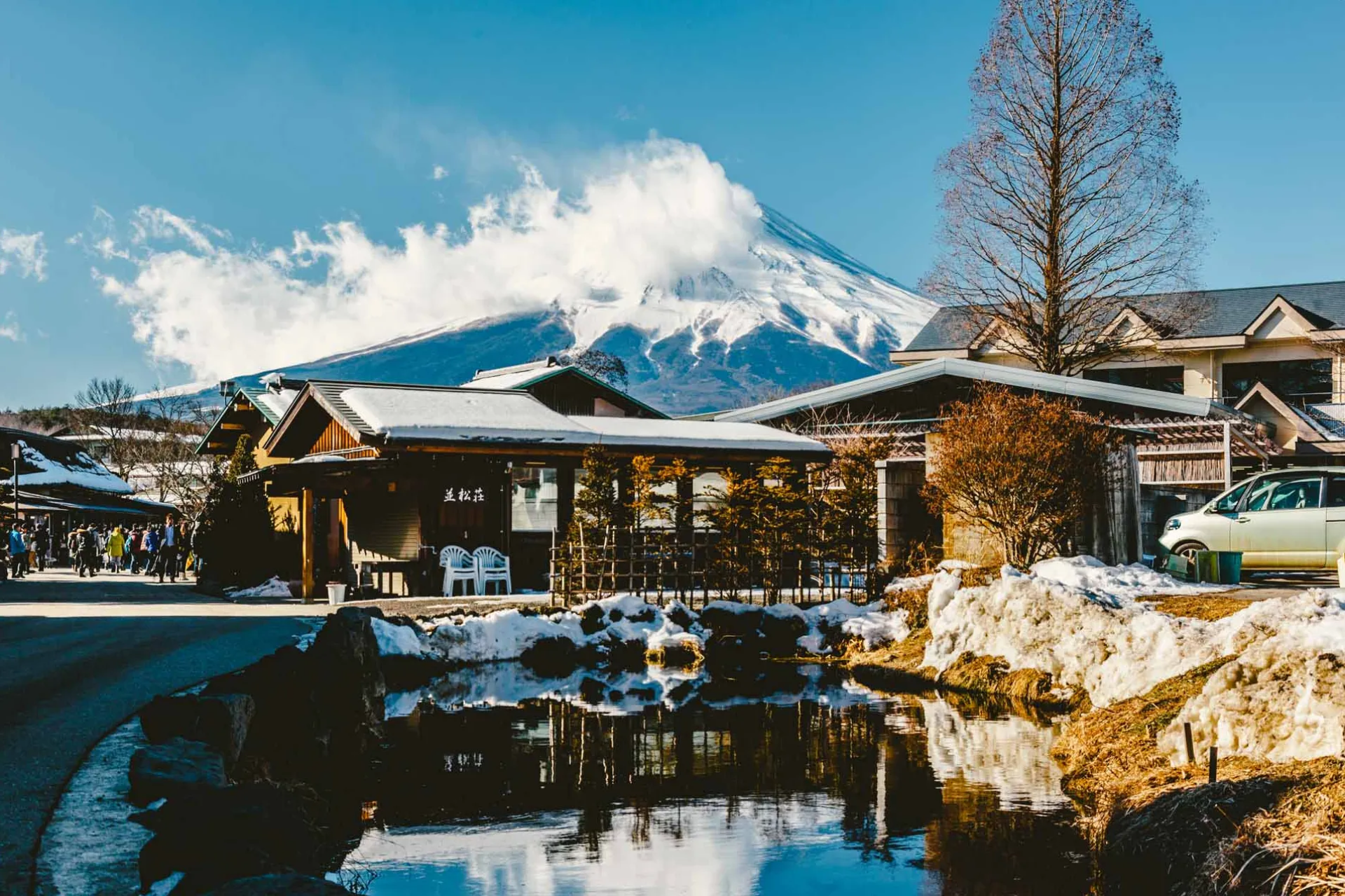
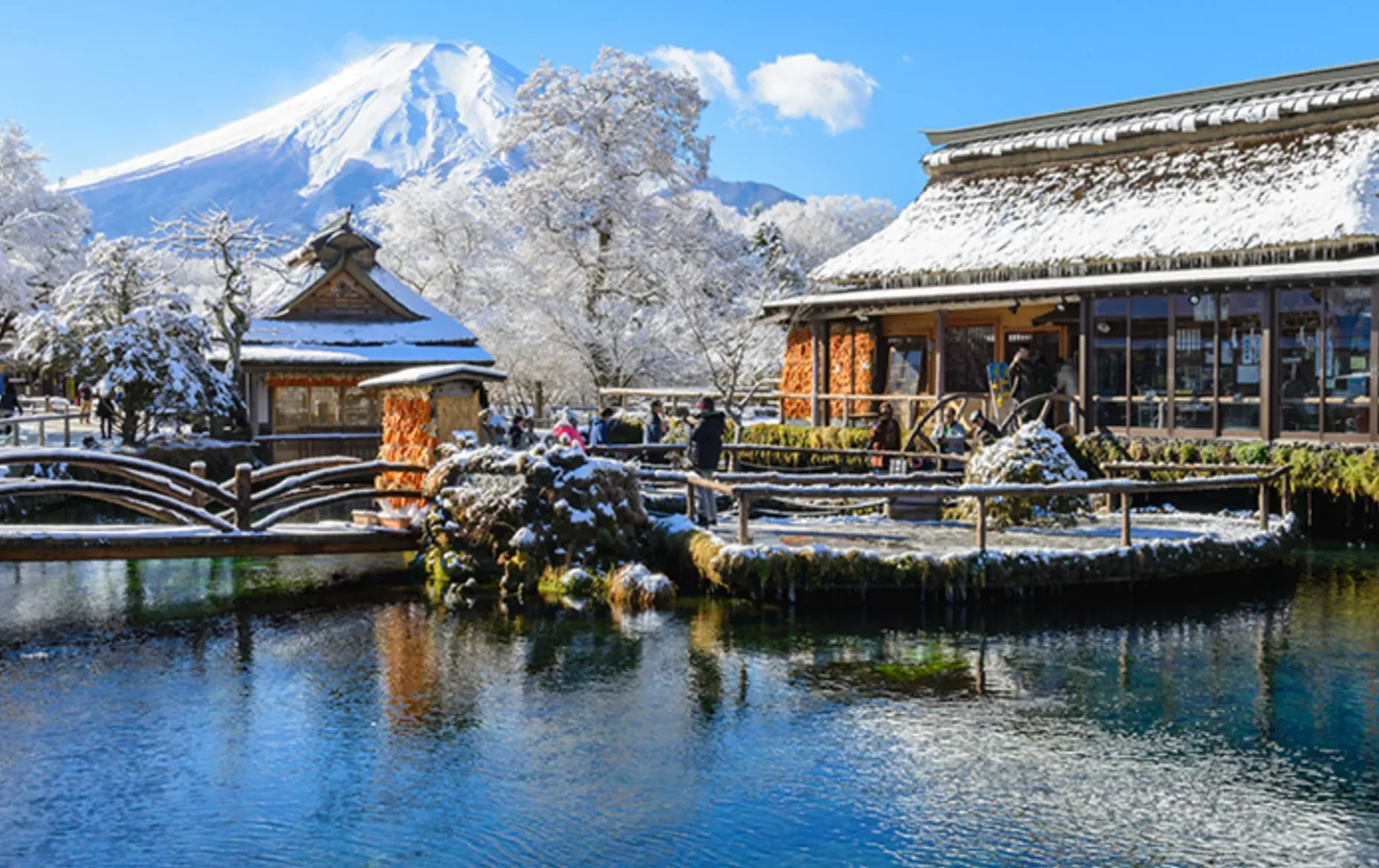
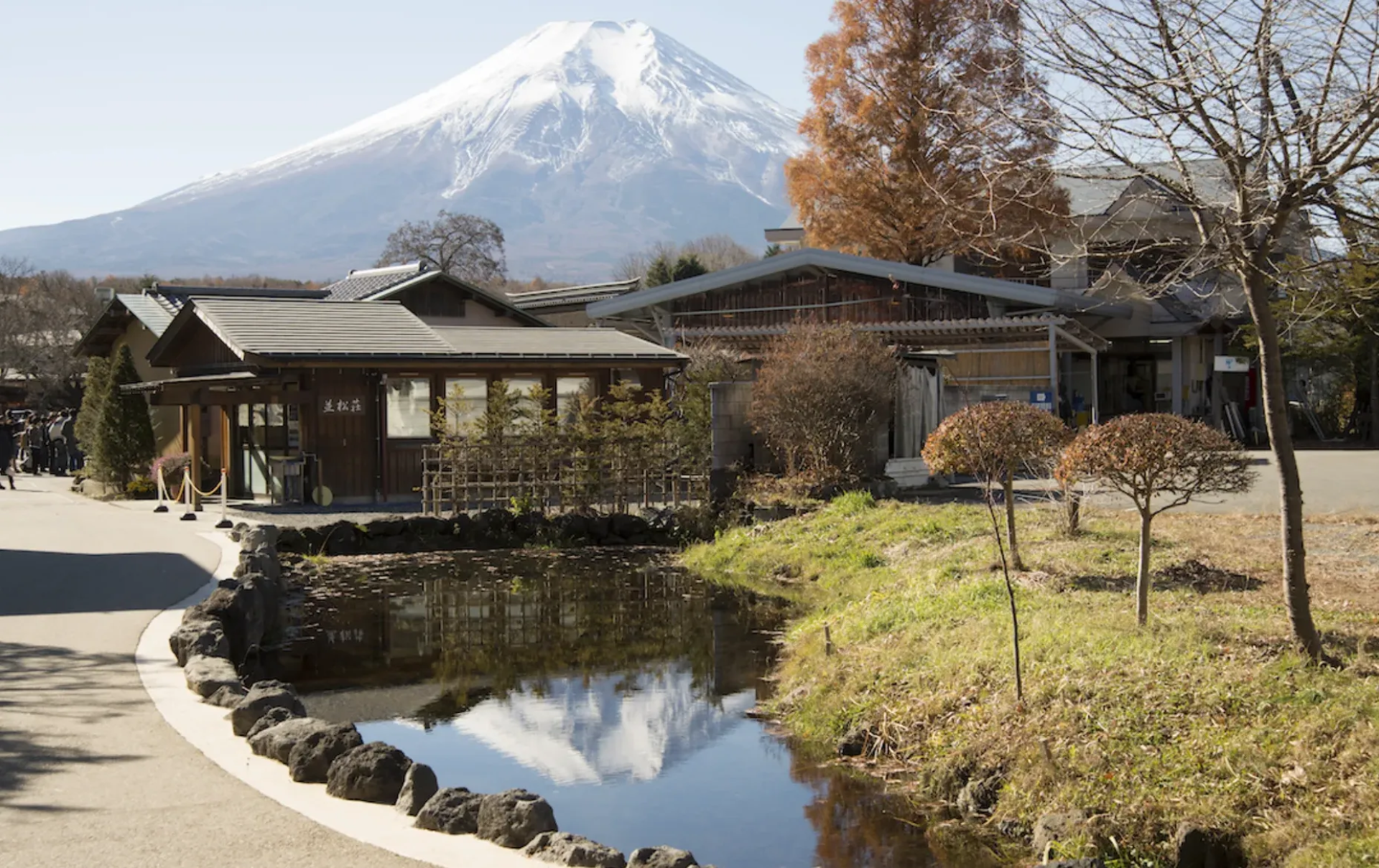
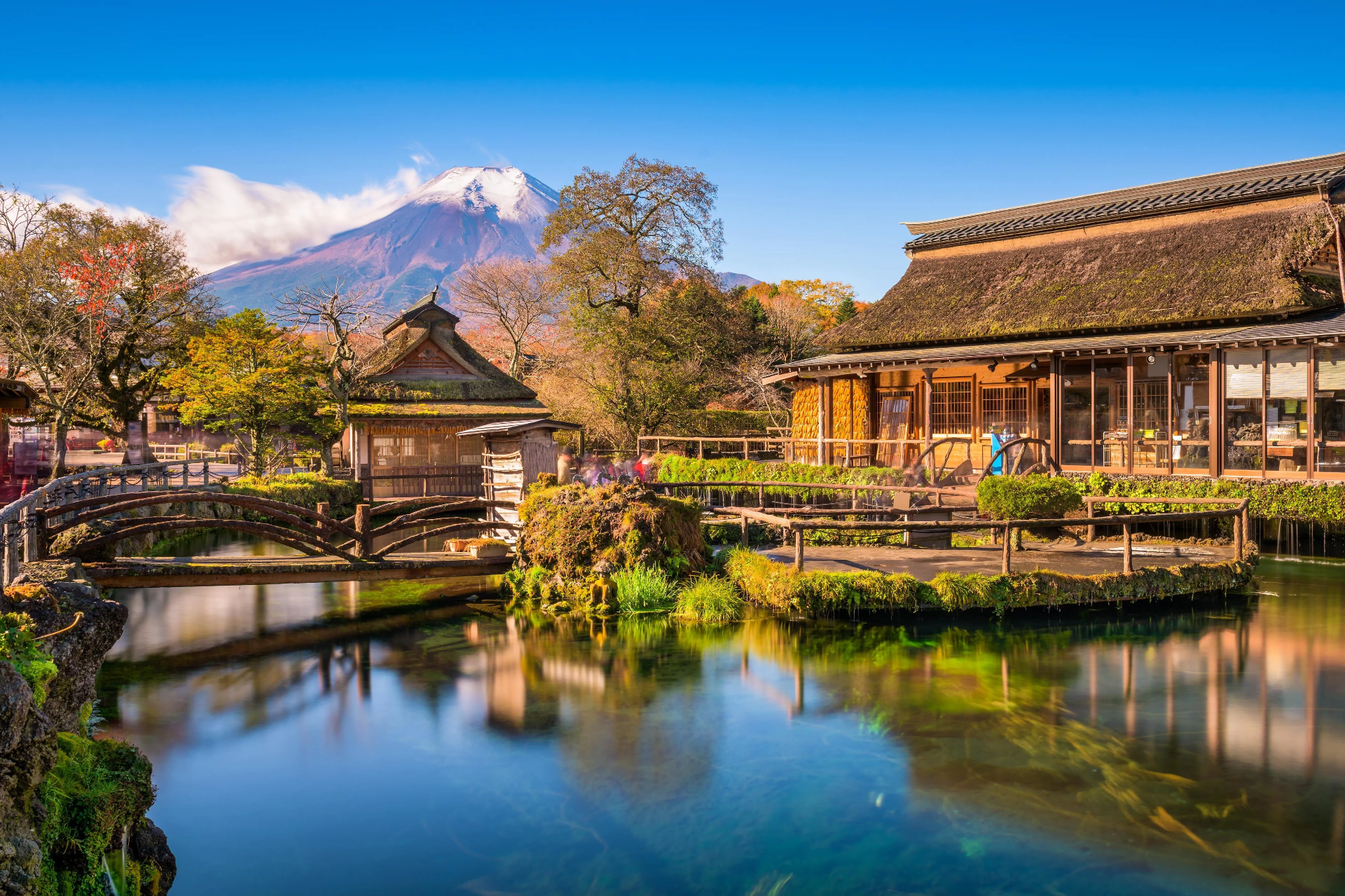
¿Sabías que aquí puedes beber agua del Monte Fuji filtrada durante años, mientras evitas caer en un estanque 'sin fondo'? Ven, te cuento los secretos que los locales susurramos.

✓ What guidebooks don't tell you
✓ Secrets other tourists miss
✓ Listen while you explore
Discover everything
00:00
00:00

📖 Audio Guide Chapters

6 chapters

1. The Princess Who Burned Alive for Love of Mount Fuji

🔒 Premium Content

Subscribe to access all chapters of this audio guide.

2. Stones That Guard Mount Fuji’s Lungs

🔒 Premium Content

Subscribe to access all chapters of this audio guide.

3. Forbidden Loves and Thirsty Samurai

🔒 Premium Content

Subscribe to access all chapters of this audio guide.

4. Wild Bubbles and Sake That Wins Hearts

🔒 Premium Content

Subscribe to access all chapters of this audio guide.

5. Marks That Mount Fuji Secretly Tattooed

🔒 Premium Content

Subscribe to access all chapters of this audio guide.

6. The Farewell That Changes Your Sip

🔒 Premium Content

Subscribe to access all chapters of this audio guide.

❓ Frequently Asked Questions

As a tourist, how can I get to Oshino Hakkai and what are its opening hours?

The village is an open area accessible 24 hours a day, although the shops and museum are usually open from 9:00 a.m. to 5:00 p.m. To get there, the most convenient option is to take a sightseeing bus from Kawaguchiko Station or Mount Fuji Station, which will drop you at the main entrance.

Do I have to pay admission to see the ponds, or is it free to visit?

Visiting the seven main ponds and walking through the village is completely free. There is only a small fee (about 300 yen) if you want to enter the Hannoki Bayashi Open-Air Museum, where the eighth pond is located.

How much time do you recommend to explore the whole area at a relaxed pace?

A standard visit usually lasts between 60 and 90 minutes to see all eight ponds and take photos. If you plan to eat at the local stalls or visit the museum, we suggest allowing about 2 hours in your itinerary.

What is the historical importance of Oshino Hakkai and why is it so famous?

This site is part of the UNESCO World Cultural Heritage listing as part of Mount Fuji. Historically, these eight springs, fed by melted snow and filtered through lava over 80 years, were a purification site for pilgrims climbing the mountain.

What is the best time of day or year to visit and see Mount Fuji?

For the best views of Mount Fuji and to avoid the crowds from tour buses, it is ideal to arrive early in the morning (before 9:00 a.m.). Winter offers the clearest air for visibility, although autumn and spring are visually spectacular as well.

Is the site accessible for people using wheelchairs or with reduced mobility?

The village is mostly flat and has paved paths around the main ponds, which makes access easier. However, it can get very crowded, and some entrances to traditional shops may have steps.

What other tourist attractions are nearby to make the most of the trip?

Because it is located among lakes, you can combine your visit with Lake Kawaguchi or Lake Yamanakako. Hananomiyako Park is also very close, famous for its flower fields with Mount Fuji in the background.

What practical advice would you give me to enjoy the experience more?

Bring an empty bottle to fill with pure spring water at the dragon fountain; it is drinkable and delicious. Also, do not leave without trying the local tofu or grilled mugwort rice cake (kusamochi), specialties of the area.

¿Prefieres escuchar en español?

🇪🇸 Escucha la audioguía de Oshino Hakkai Village en español