No te vayas sin conocer la historia Suscribete
IAudioGuia iaudioguia
Audio Guides of Yufuin

Audio Guide of Lake Kinrin

Donde el agua caliente baila con la niebla y los dragones vigilan tu monedero

✓ What guidebooks don't tell you
✓ Secrets other tourists miss
✓ Listen while you explore
Discover everything
00:00
00:00
Rate this audio guide

📖 Audio Guide Chapters

6 chapters

1. The sacred jacuzzi that angered a minister

🔒 Premium Content

Subscribe to access all chapters of this audio guide.

2. The lies told by the stones beneath the water

🔒 Premium Content

Subscribe to access all chapters of this audio guide.

3. Hamanaka Bunjuro and the bath that ruined a village

🔒 Premium Content

Subscribe to access all chapters of this audio guide.

4. The business dragon and the lucky rock

🔒 Premium Content

Subscribe to access all chapters of this audio guide.

5. The mark of the hungry samurai

🔒 Premium Content

Subscribe to access all chapters of this audio guide.

6. Before you go: the mathematics of the carp

🔒 Premium Content

Subscribe to access all chapters of this audio guide.

❓ Frequently Asked Questions

What are the opening hours of Lake Kinrin and how can I get there from Yufuin Onsen?

Lake Kinrin is open 24 hours a day, every day of the year, as it is a natural outdoor site. To get there, walk about 10–15 minutes from Yufuin Station or take a local bus; access is easy on foot via well-marked paths. For more transport details, check the official Yufuin tourism website.

Is it free to visit Lake Kinrin or is there an admission fee?

Visiting Lake Kinrin is completely free, with no need to buy tickets. You will only pay for transportation or parking if you go by car, which makes it easy to visit on a whim. If you are looking for passes for nearby attractions, check options on the local tourism website.

How much time is needed to visit Lake Kinrin?

It is recommended to allow between 30 and 60 minutes to walk around the lake, enjoy the views, and take photos. If you combine it with a picnic or birdwatching, it could extend to 1–2 hours, but it is ideal for a short stop in your itinerary.

What is the history or cultural significance of Lake Kinrin?

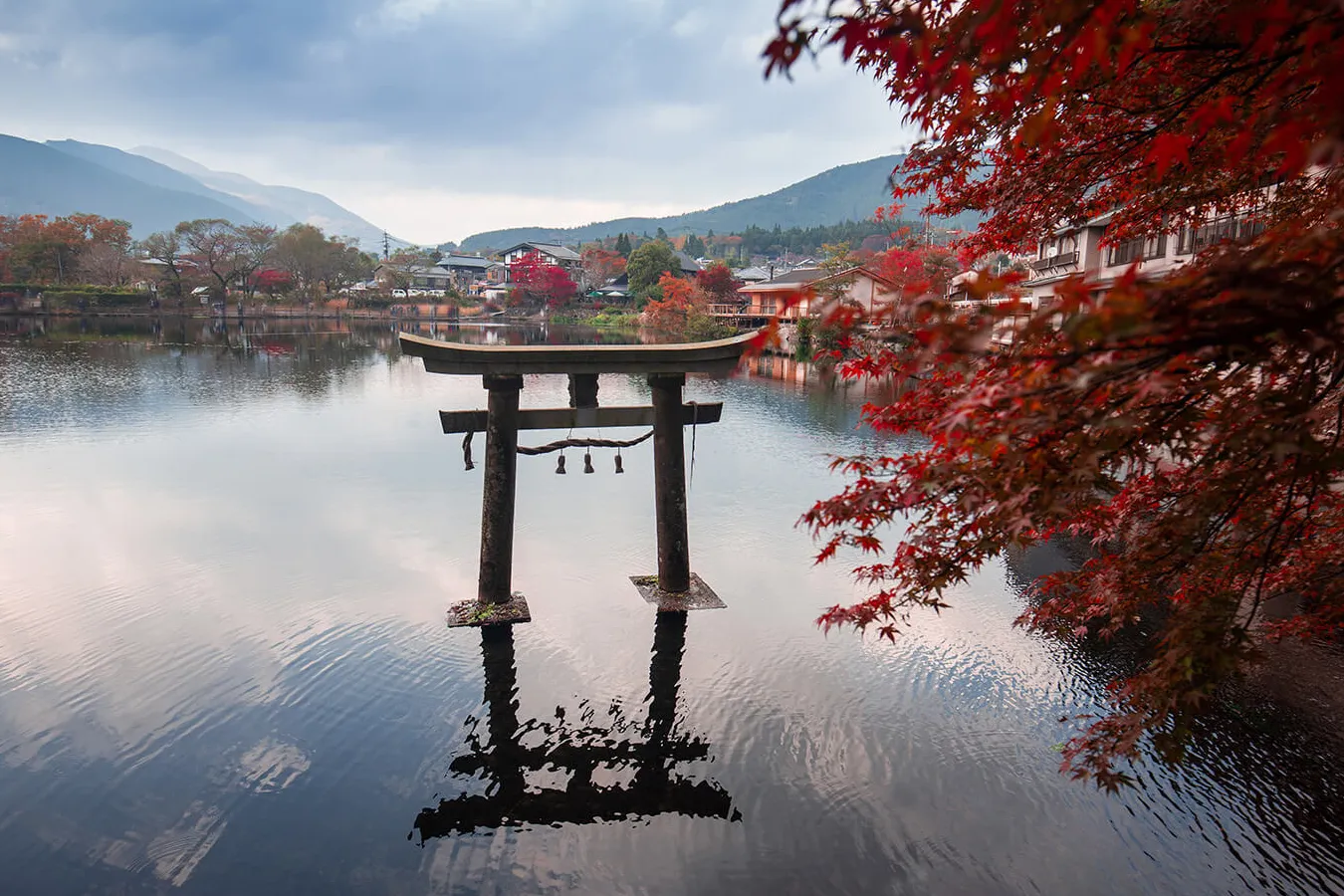
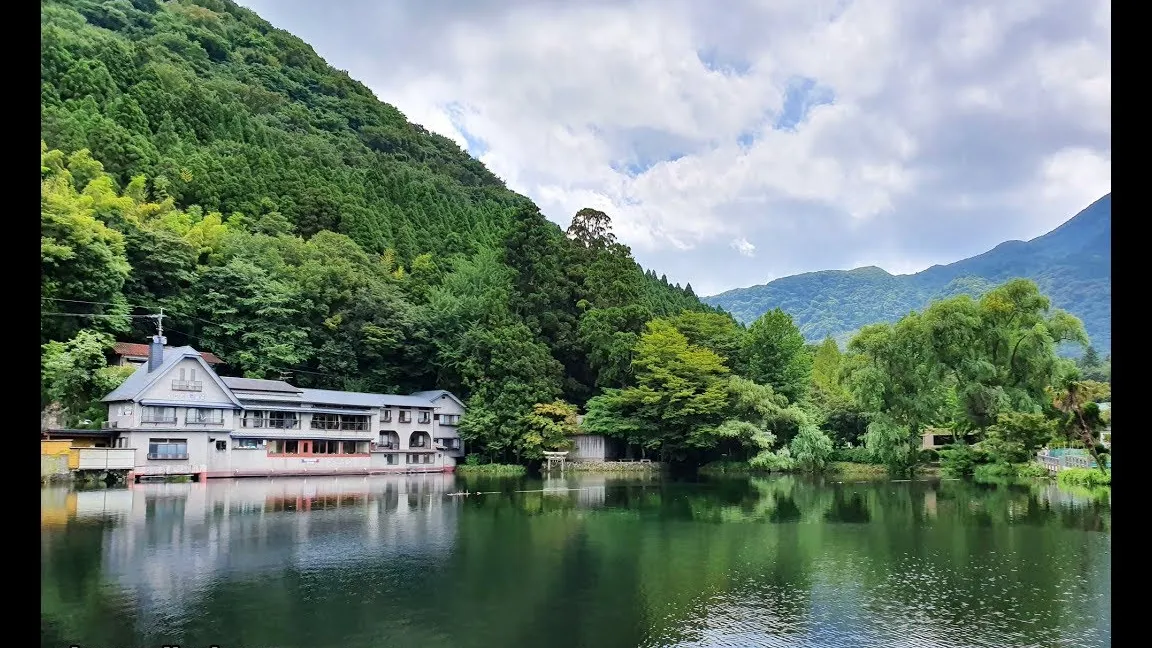
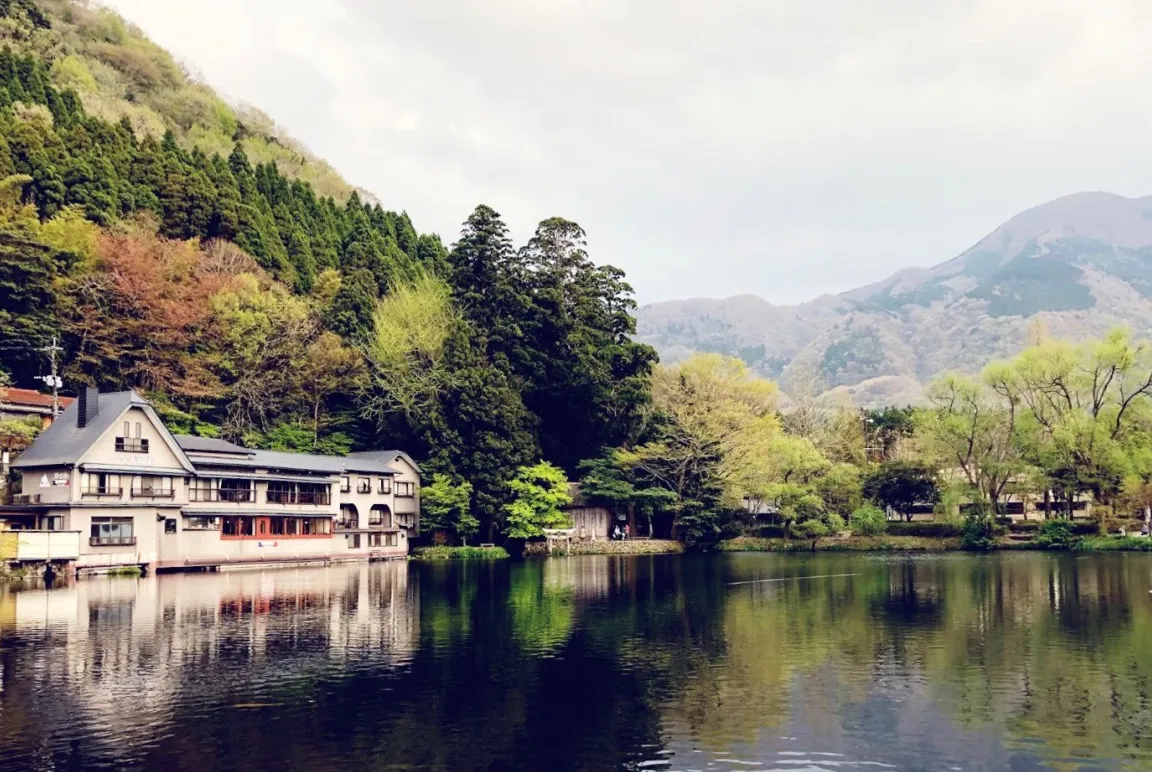
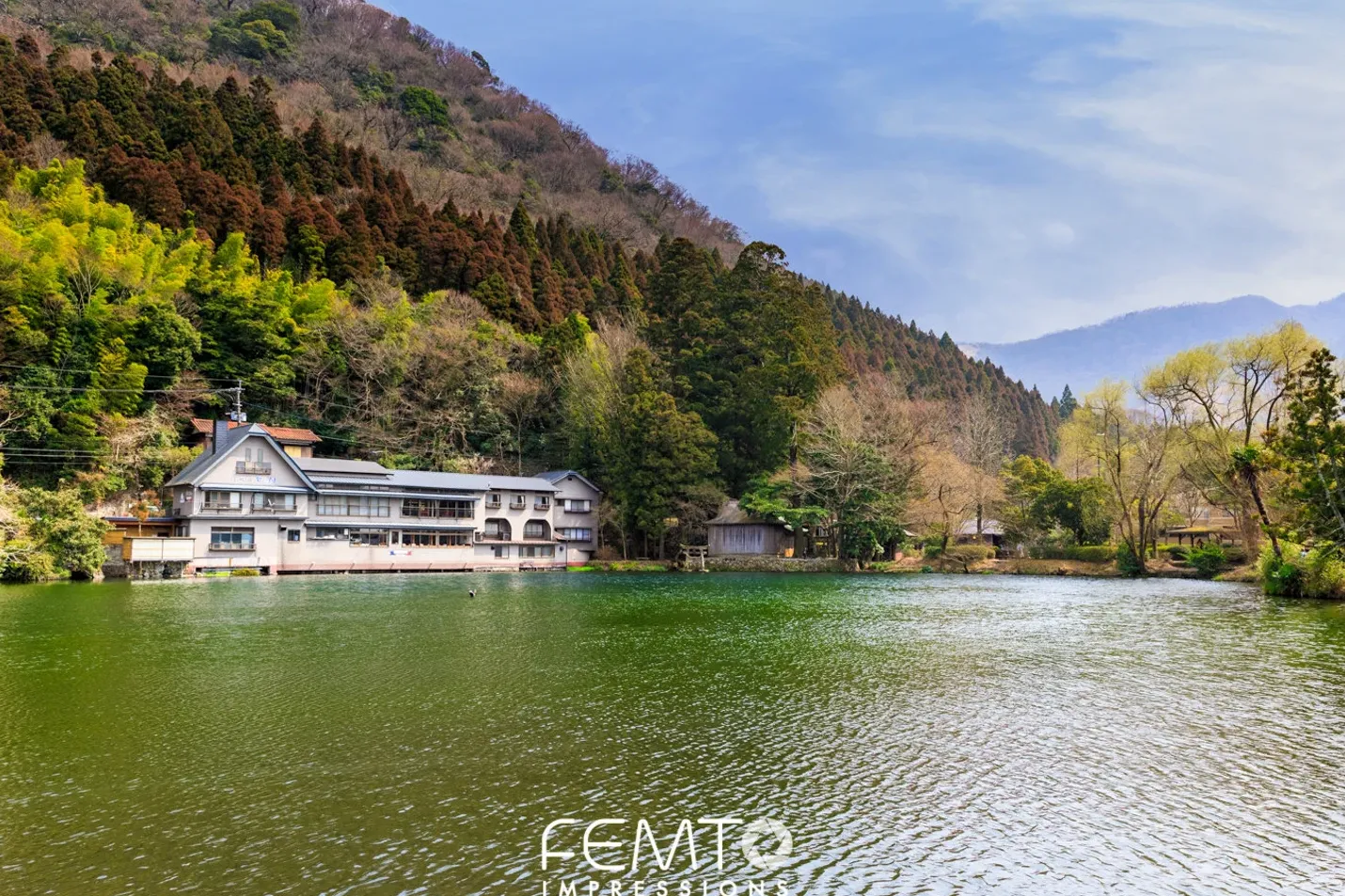
Lake Kinrin, also known as Golden Scale Lake, was formed by volcanic activity in the Yufuin region, and its name evokes the legend of a golden dragon that protects the nearby hot springs. Culturally, it is part of Japan’s onsen heritage, symbolizing the harmony between nature and hot spring tradition in Oita.

What is the best time of year or day to visit Lake Kinrin?

The best time is during spring (March–April) for the cherry blossoms or autumn (October–November) for the vibrant red foliage; avoid summer because of the heat. Go early in the morning to enjoy the mist and fewer tourists, ideally between 8 and 10 a.m.

Is Lake Kinrin accessible for people with reduced mobility?

The main area around the lake has paved paths and is wheelchair accessible, but some hilly sections may be challenging. I recommend checking with the Yufuin tourist information center at +81-977-84-5111 for assistance or adapted routes.

What other attractions are near Lake Kinrin?

Nearby you will find Yufuin Floral Village, a charming themed village with shops and cafés just a 10-minute walk away, and the hot springs of Yufuin Onsen for a relaxing bath. Do not miss the Yufuin Art Museum, about 15 minutes away by bus; plan a full day exploring the area.

What are some practical tips for my visit to Lake Kinrin?

Bring comfortable walking shoes, insect repellent in summer, and a bottle of water, as there are not many facilities. Combine your visit with lunch at a nearby ryokan and respect nature by not leaving trash behind; for detailed guides, visit the Oita tourism website.

¿Prefieres escuchar en español?

🇪🇸 Escucha la audioguía de Lake Kinrin en español