¿Sabías que un daimyo construyó esta fortaleza para conquistar el norte helado de Japón, pero terminó exiliado por sus propios aliados?
To visit 'Discovering Yamagata,' opening hours are generally from 9:00 AM to 5:00 PM, with last admission at 4:30 PM. It is recommended to check the official Yamagata tourism website for confirmation, as hours may vary by season and public holidays: visityamagata.jp. Access is usually easy by public transportation, with bus stops near the main points of interest.
Admission costs may vary depending on the specific areas or exhibitions within 'Discovering Yamagata.' Many of the main temples and gardens are free, but some museums or special events may charge an admission fee of around 300 to 800 yen. It is always a good idea to check updated prices on the Yamagata tourism information page or directly at the ticket office: visityamagata.jp/en/things-to-do/.
For a complete and meaningful experience in 'Discovering Yamagata,' we recommend setting aside at least half a day, around 3 to 4 hours. This will allow you to explore several key sites at a relaxed pace, immerse yourself in the local culture, and enjoy the scenery without rushing. If you plan to visit multiple museums or take part in activities, a full day would be ideal.
'Discovering Yamagata' offers an immersion into the prefecture’s rich history and cultural significance. Its historic temples, such as Yamadera, date back to the 9th century and are World Heritage sites, reflecting the region’s deep Buddhist and samurai heritage. The area is also famous for its connection to the poet Matsuo Basho, who immortalized its landscapes in haiku.
The best time to visit Yamagata is during spring (April to May) for the cherry blossoms, or in autumn (October to November) for the stunning foliage. Summer (July to August) is ideal for local festivals. To avoid crowds, I suggest going early in the morning right when places open, or later in the afternoon before closing.
Accessibility in 'Discovering Yamagata' can vary depending on the specific site. Many of the older temples have stairs and uneven ground, which can be challenging. However, the main visitor centers, some museums, and urban gardens usually offer ramps and accessible restrooms. It is always recommended to contact the specific site in advance to confirm accessibility: yamagata-japan.com.
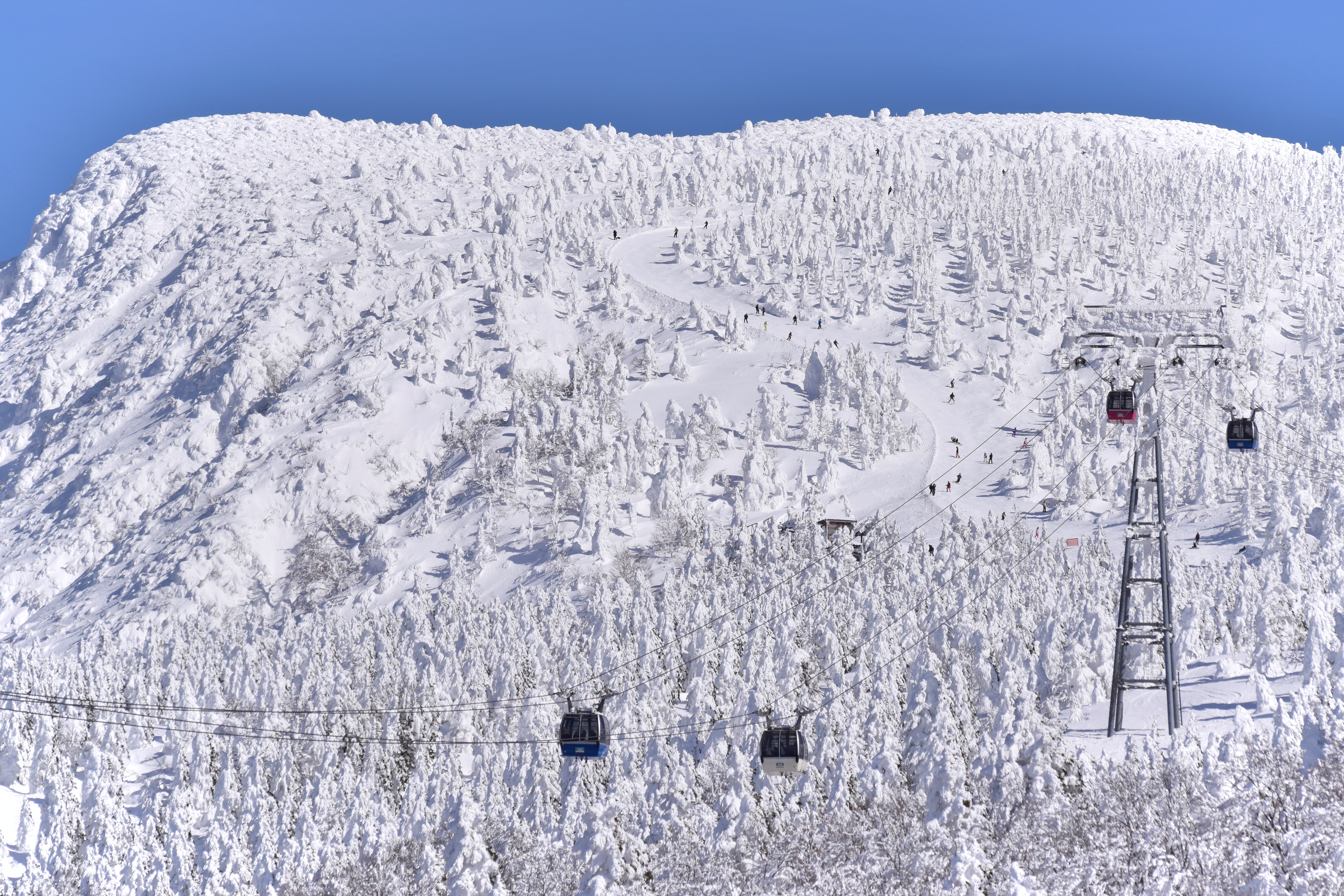
Near 'Discovering Yamagata,' you should not miss Ryushakuji (Yamadera), a spectacular mountain temple with panoramic views. Also, the Yamadera Temple Museum and Yamagata Castle are must-see visits. For nature lovers, Mount Zao is ideal for hiking or skiing, and Ginzan Onsen offers an unforgettable hot spring experience. You can find more options here: japan.travel/es/destinations/tohoku/yamagata/.
Of course! I recommend wearing comfortable shoes, as many temples and historic sites involve walking and climbing stairs. Bring a bottle of water, especially in summer. Consider buying a transport pass if you plan to explore several areas in one day. And of course, do not forget your camera to capture the most beautiful moments of your adventure!
¿Prefieres escuchar en español?
🇪🇸 Escucha la audioguía de Yamagata Castle en español