Donde los ciervos sagrados intentaron robar el protagonismo a los Budas milenarios
The museum is open from 9:30 AM to 5:00 PM (last admission at 4:30 PM), closed on Mondays and some holidays. It is easily reached from Kintetsu Nara Station (5 minutes on foot) or JR Nara Station (15 minutes); check the official website for detailed routes.
The permanent exhibition costs 700 yen for adults (350 for students), while special exhibitions range from 1,000 to 1,500 yen; children under 18 enter free. Check updated prices on the official website, as they vary by season.
For the permanent collection, 1–2 hours is enough, but add 2–3 more hours if there are special exhibitions. Plan according to your pace so you can enjoy it without rushing.
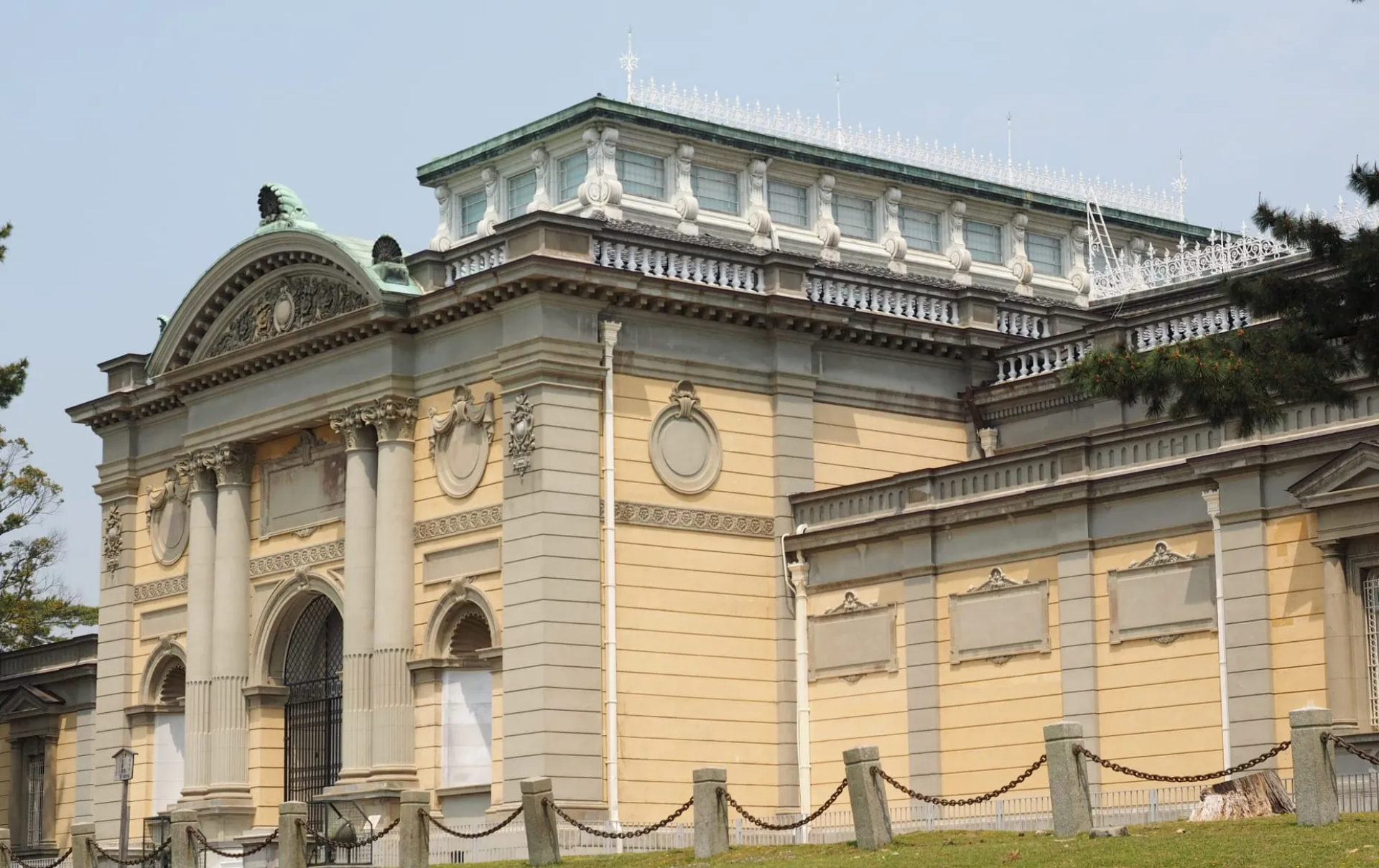
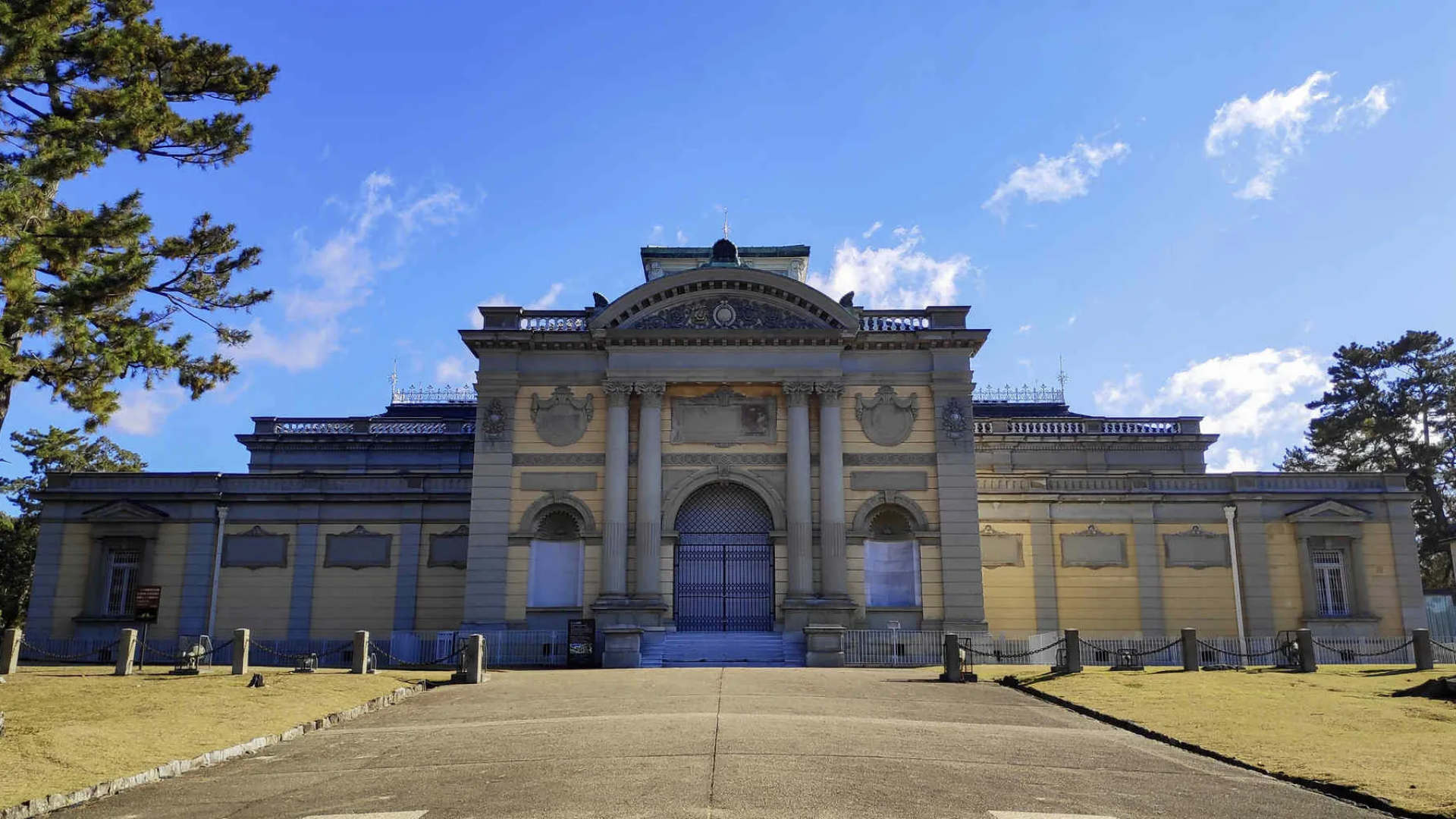
Founded in 1897, it is one of Japan’s oldest museums and houses national Buddhist treasures, such as sculptures and sutras from the Nara period (8th century). It represents the cultural height of Japan’s ancient capital.
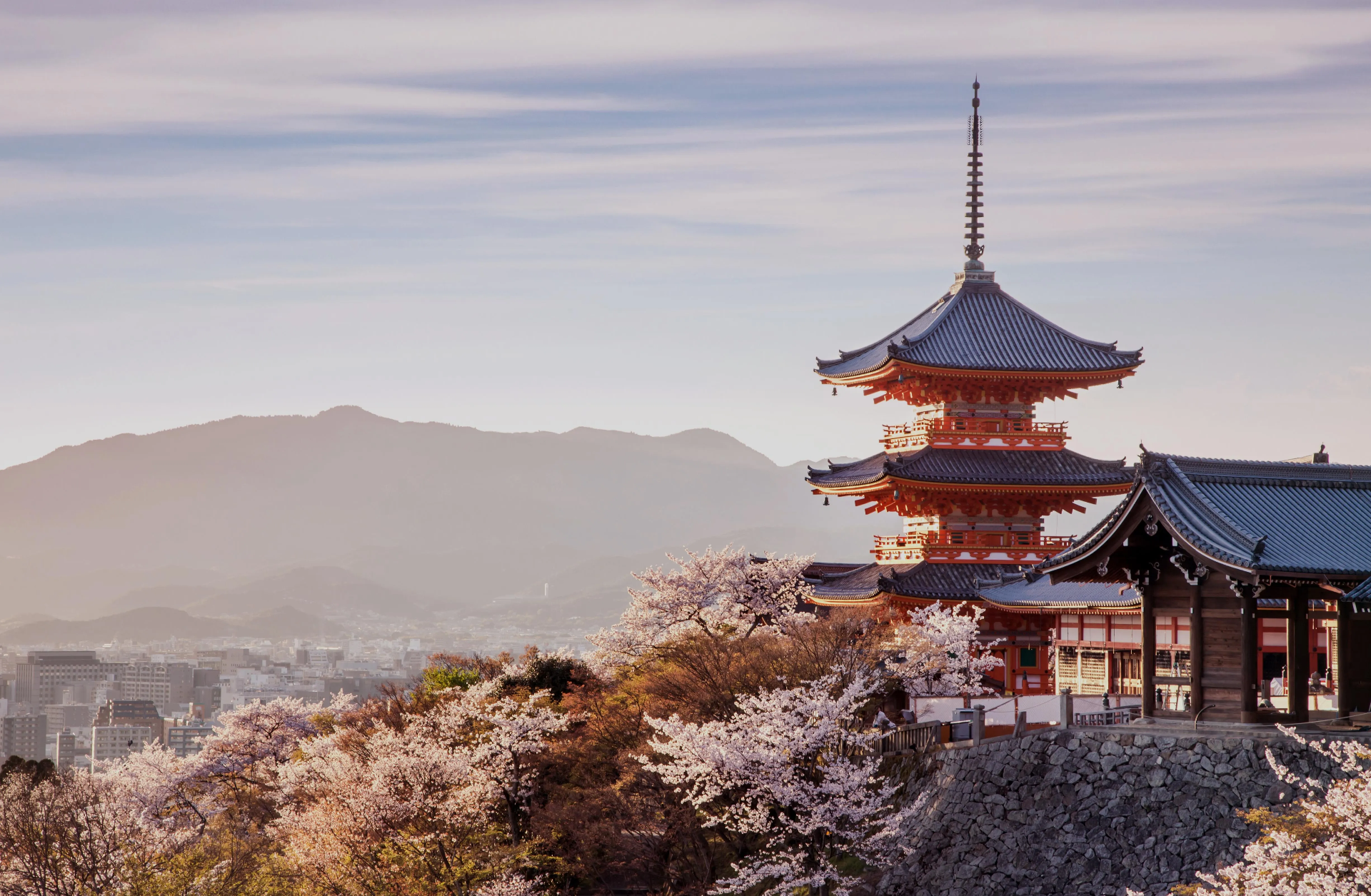
Spring (March–April, cherry blossom season) or autumn (November, fall foliage) are ideal for the weather and scenery; avoid crowded weekends. Go early in the morning for fewer people and better light.
Yes, it has ramps, elevators, and free wheelchair loans; there are also accessible restrooms. Check details on the official website or call +81-742-20-2811 for confirmation.
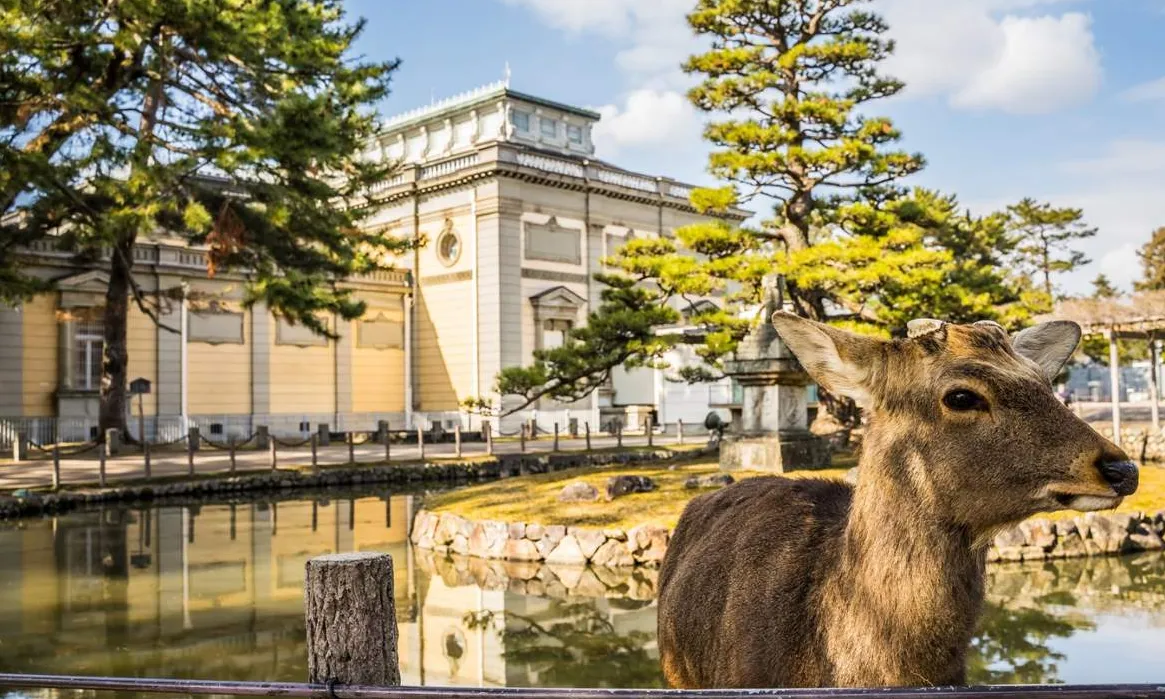
Just a 10-minute walk away is Nara Park with its sacred deer, Todai-ji (Great Buddha), and Kasuga Taisha Shrine. Combine the visit for a full day in Nara.
Wear comfortable shoes, use Spanish audio guides from IAudioguia to enrich the experience, and book tickets online for special exhibitions. Avoid large backpacks and respect the silence rules.
¿Prefieres escuchar en español?
🇪🇸 Escucha la audioguía de the Nara National Museum en español