A cutting-edge cultural space in Kobe that blends contemporary art with seafront architecture, offering a unique perspective on Japanese and international art.
The museum is usually open from 10:00 AM to 6:00 PM (last admission at 5:30 PM) and is closed on Mondays. It is located in the HAT Kobe area, and you can easily reach it on foot in about 10 minutes from Iwaya Station (Hanshin Line) or 15 minutes from JR Nada Station. Check for updates on its official website.
Admission to the permanent collection is around 500 yen for adults, making it very affordable, although special exhibitions have separate fees that vary depending on the show. Discounts are available for students and visitors over 70, and access to the building’s common areas is usually free.
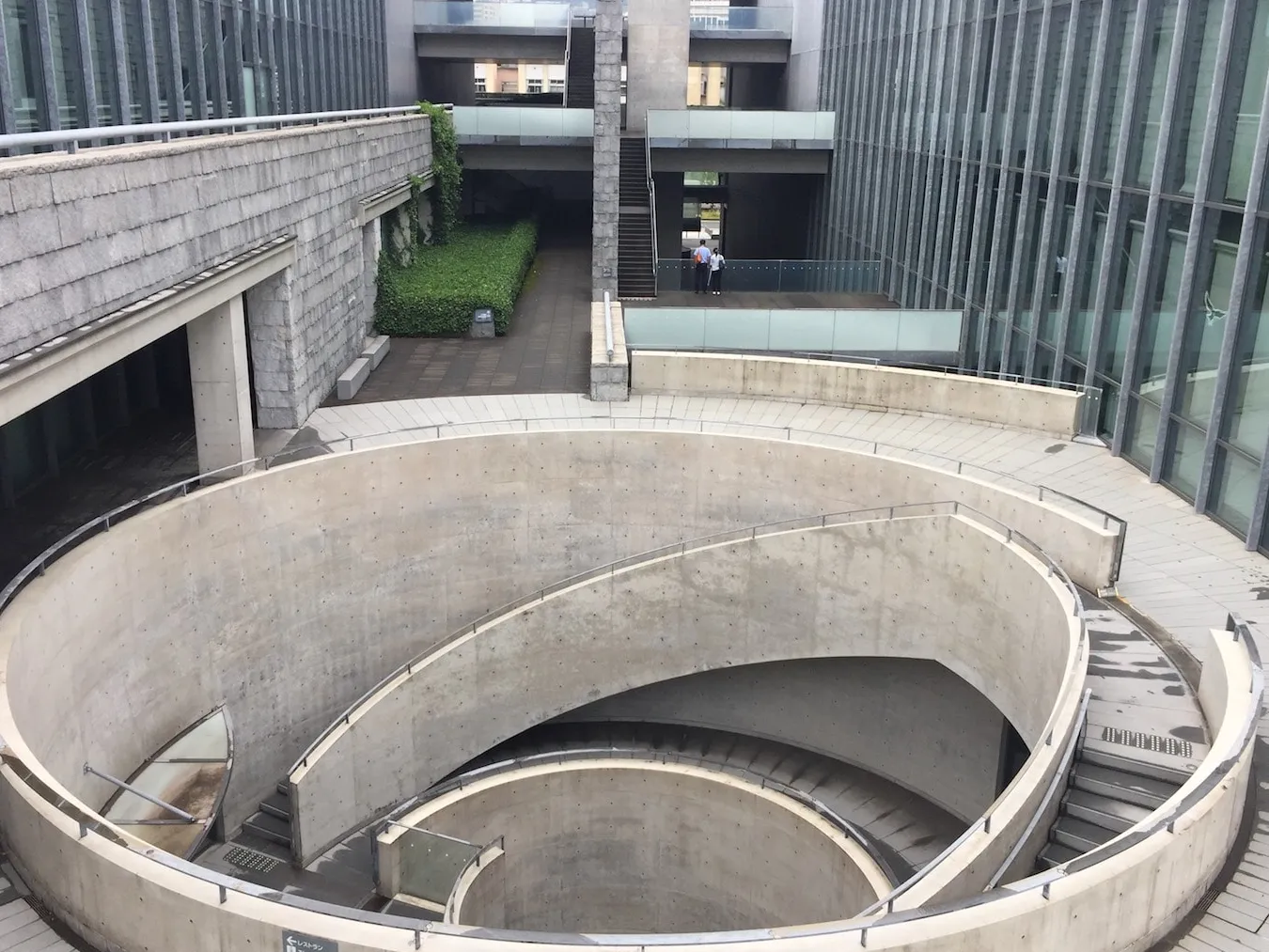
I recommend setting aside between 90 minutes and 2 hours for your visit. You will not only see the artworks, but also the building itself, a fascinating architectural labyrinth that invites you to get pleasantly lost and explore its outdoor spaces at a relaxed pace.
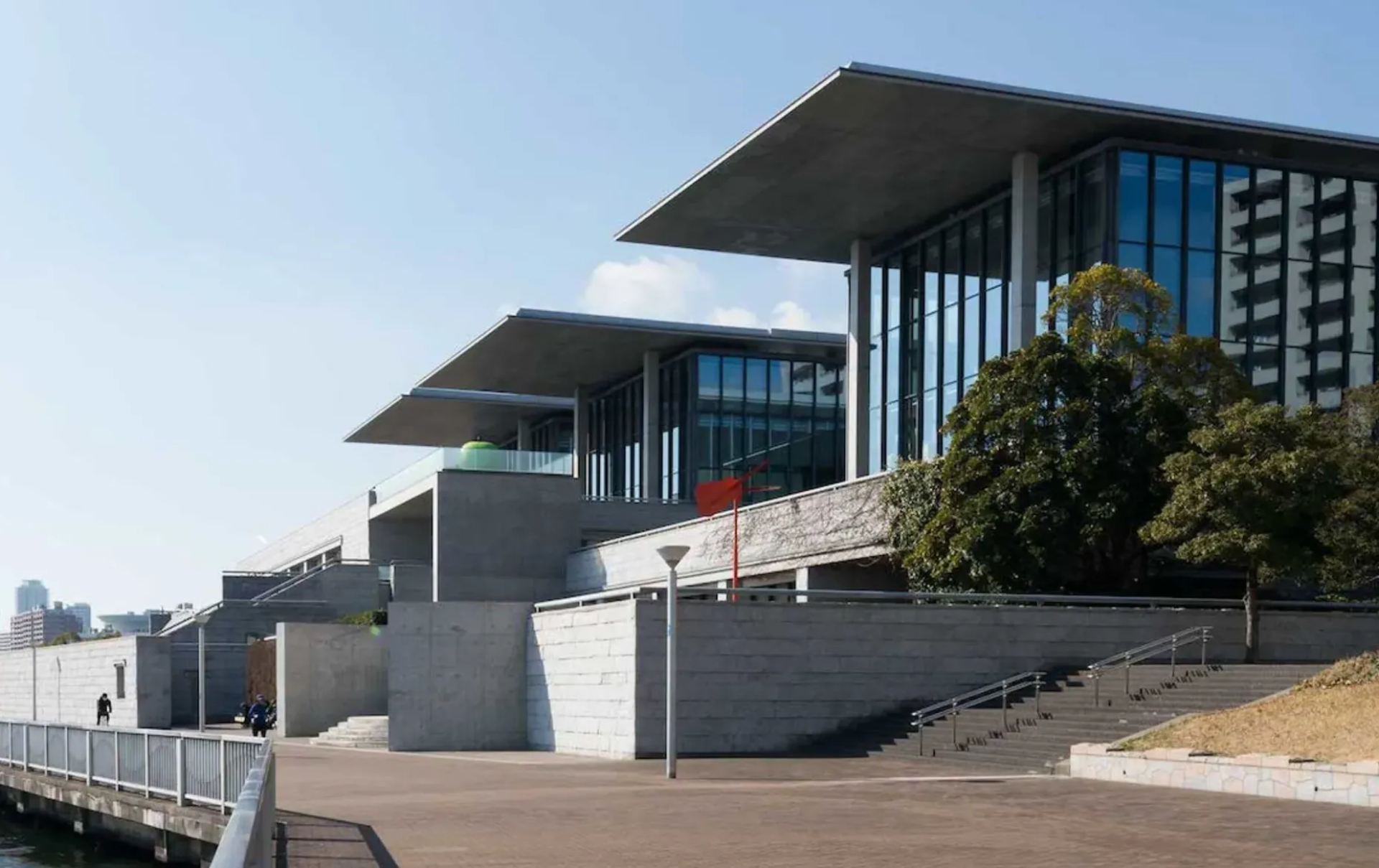
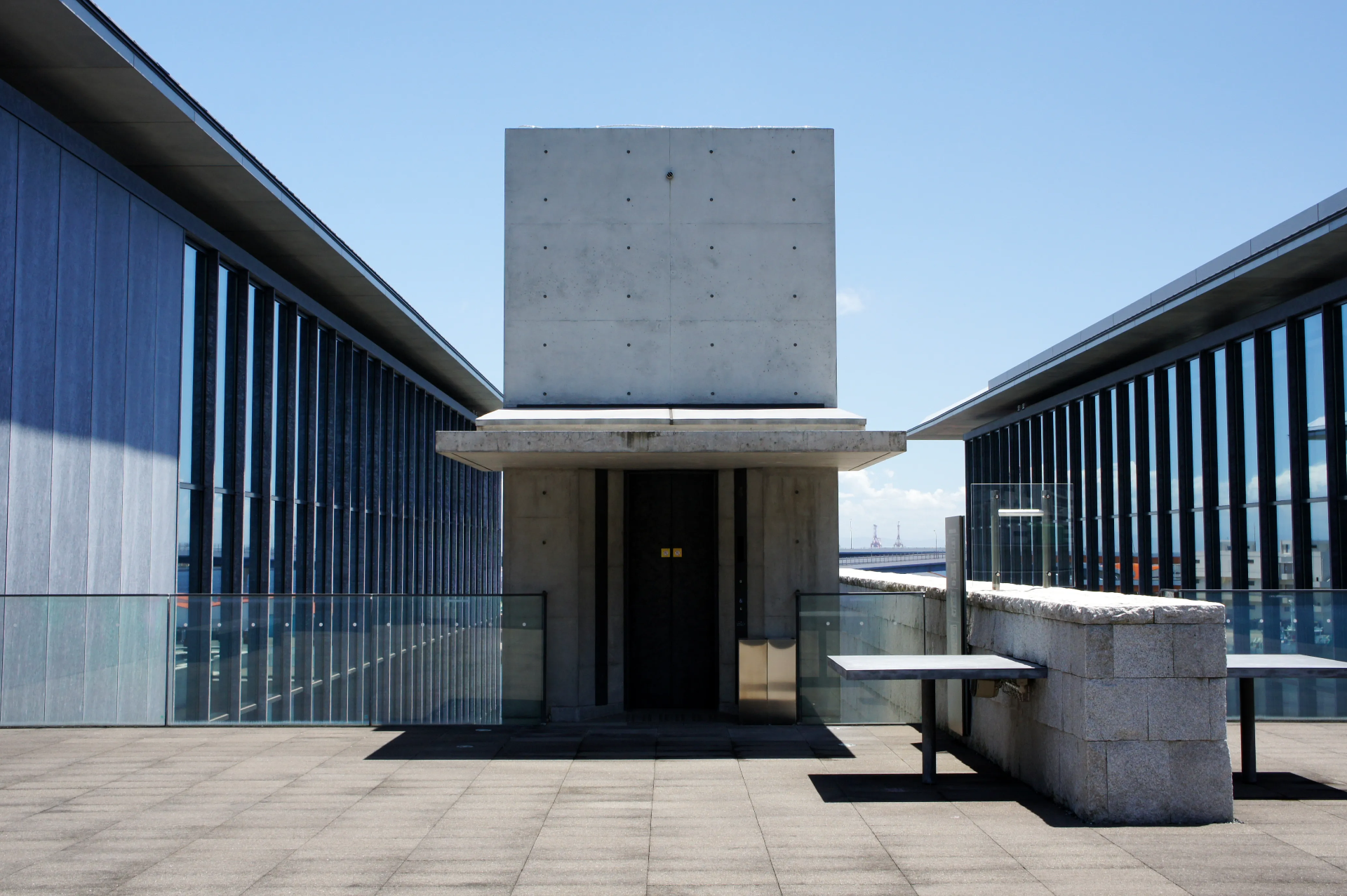
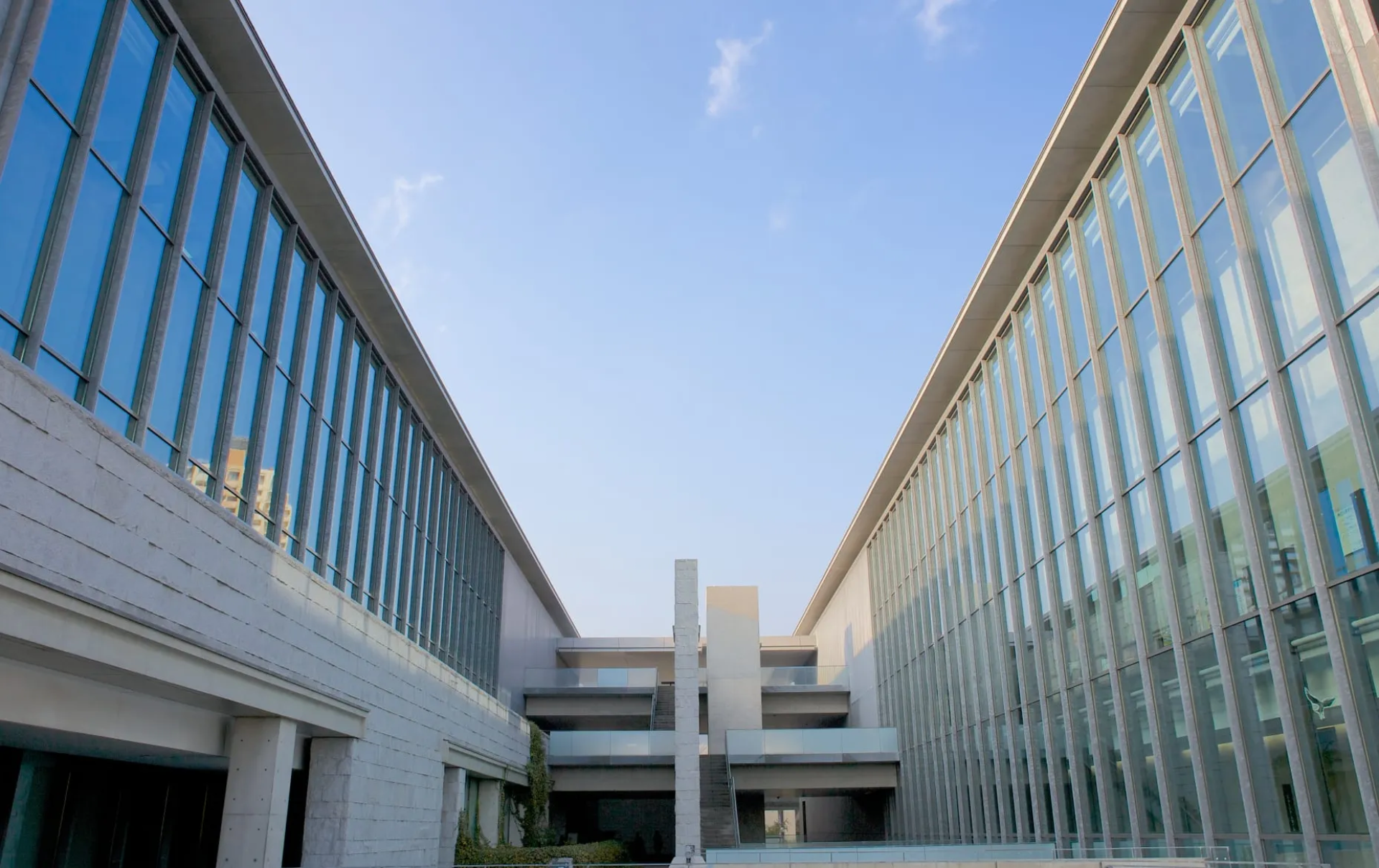
This museum is a masterpiece designed by the famous architect Tadao Ando and stands as a symbol of cultural recovery after the 1995 Great Hanshin-Awaji Earthquake. The building is notable for its monumental use of exposed reinforced concrete, natural light, and integration with the sea.
It is best visited in the afternoon on a sunny day, when the play of light and shadow on the concrete creates a spectacular atmosphere for photography. Weekdays are ideal if you want to avoid crowds and enjoy the architecture in silence.
Yes, the site is designed to be accessible, with elevators, ramps, and adapted restrooms for visitors with reduced mobility. Wheelchairs are also available to borrow at reception on a first-come, first-served basis for those who need them.
Right in front of the museum, you can stroll through Nagisa Park along Kobe’s waterfront, ideal for relaxing after your visit. You are also close to the Nada area, famous for its sake breweries, if you feel like enjoying a local food and drink experience.
Do not leave without looking for the famous 'Green Apple' sculpture on the terrace, and visit the 'Ando Gallery,' a space inside the museum dedicated to the architect. Wear comfortable shoes, because you will want to explore its famous endless spiral staircases.
¿Prefieres escuchar en español?
🇪🇸 Escucha la audioguía de the Hyogo Prefectural Museum of Art en español