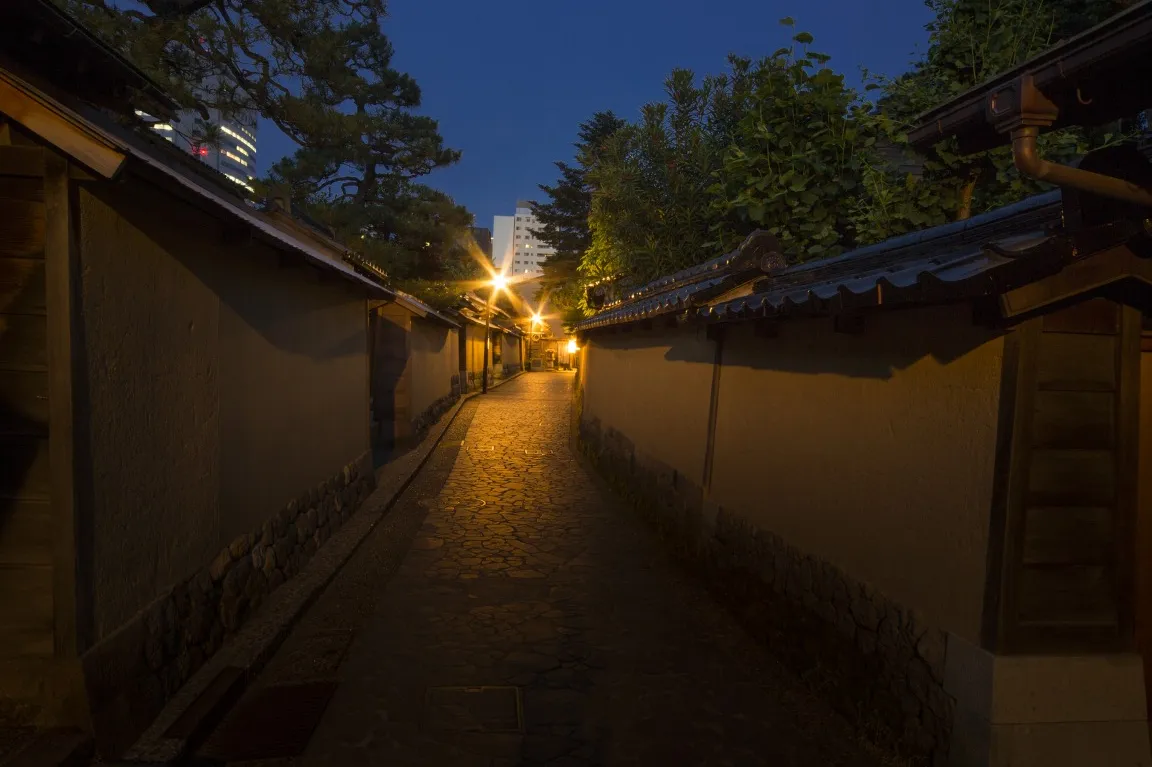
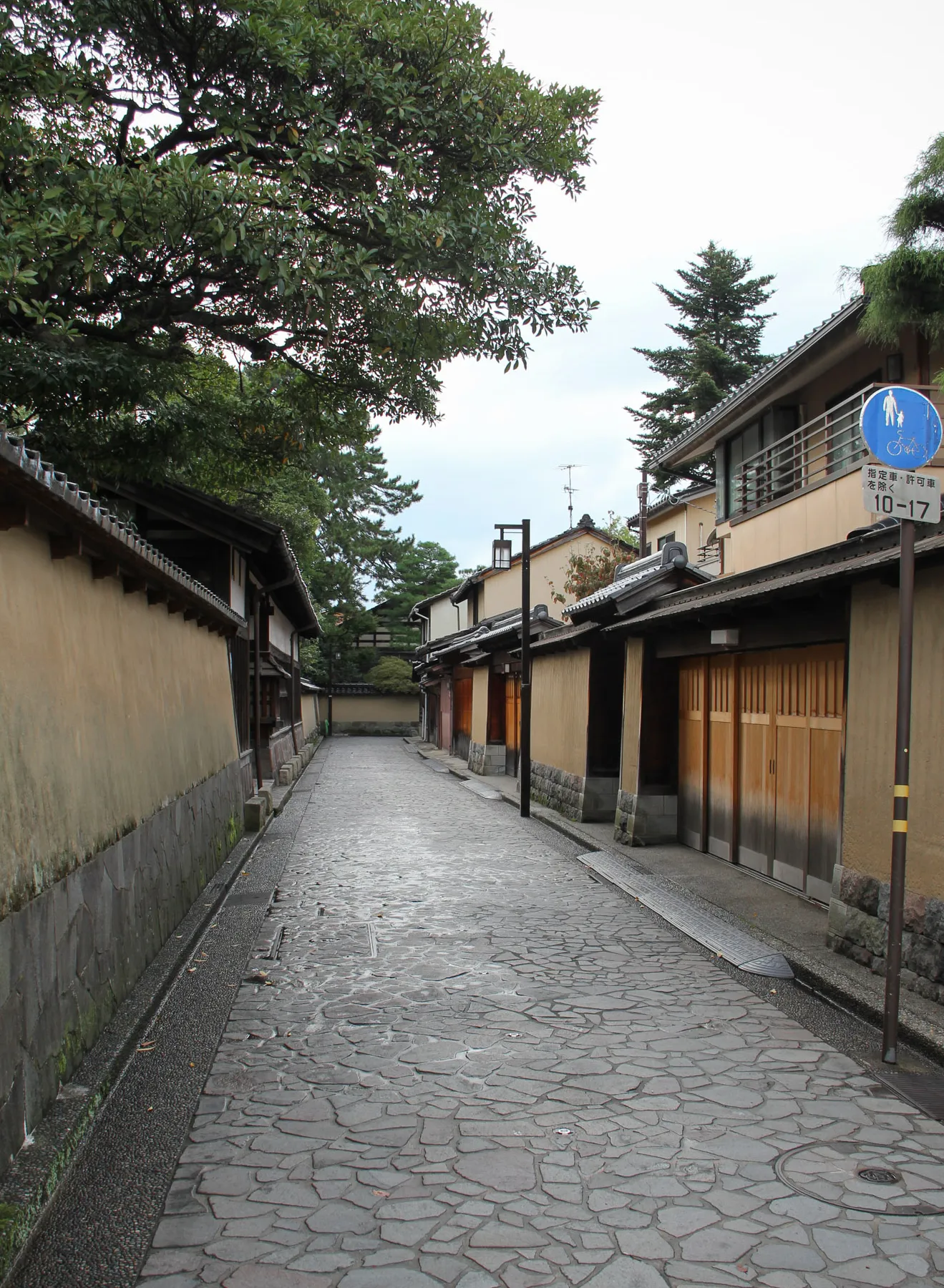
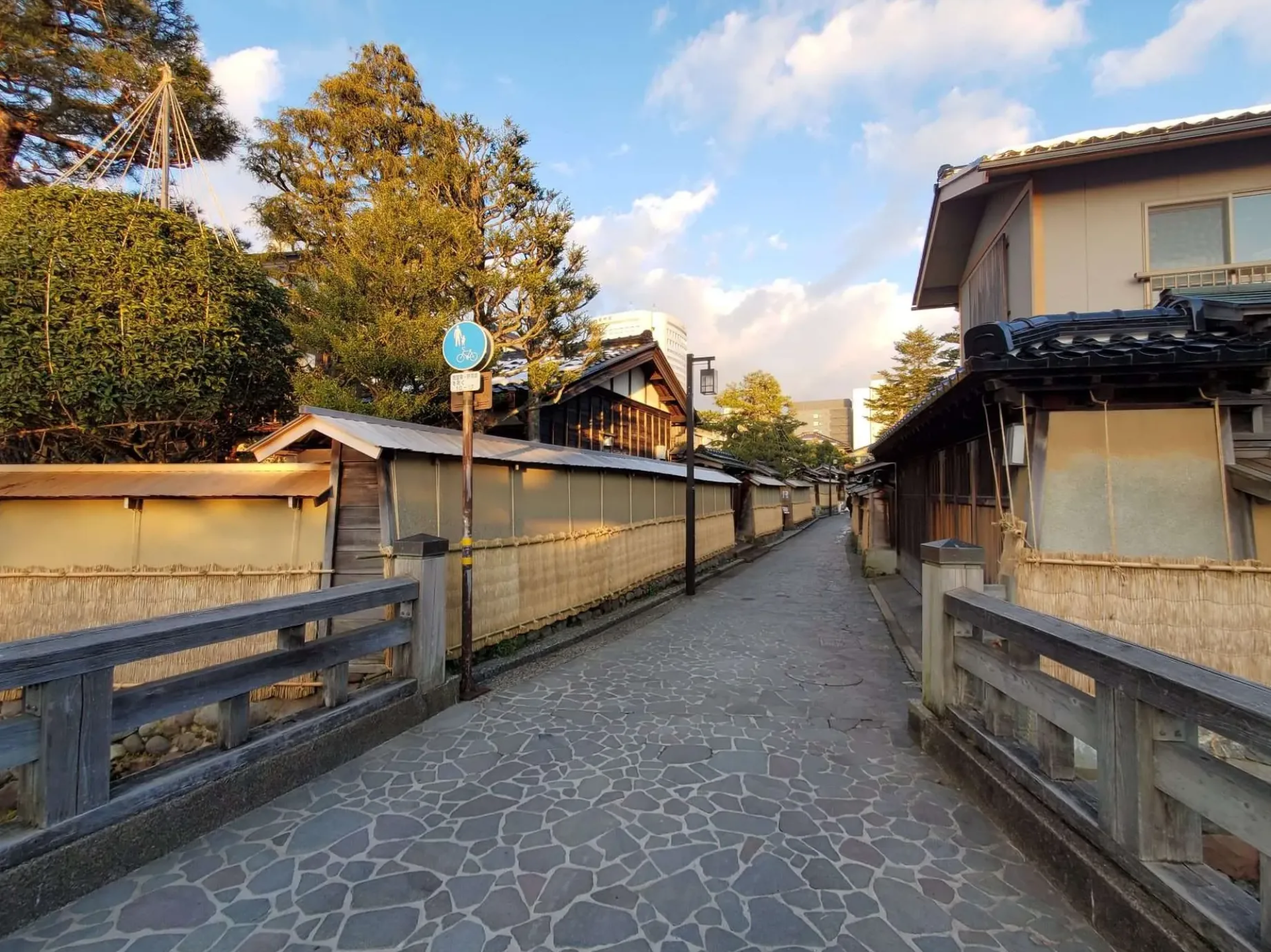
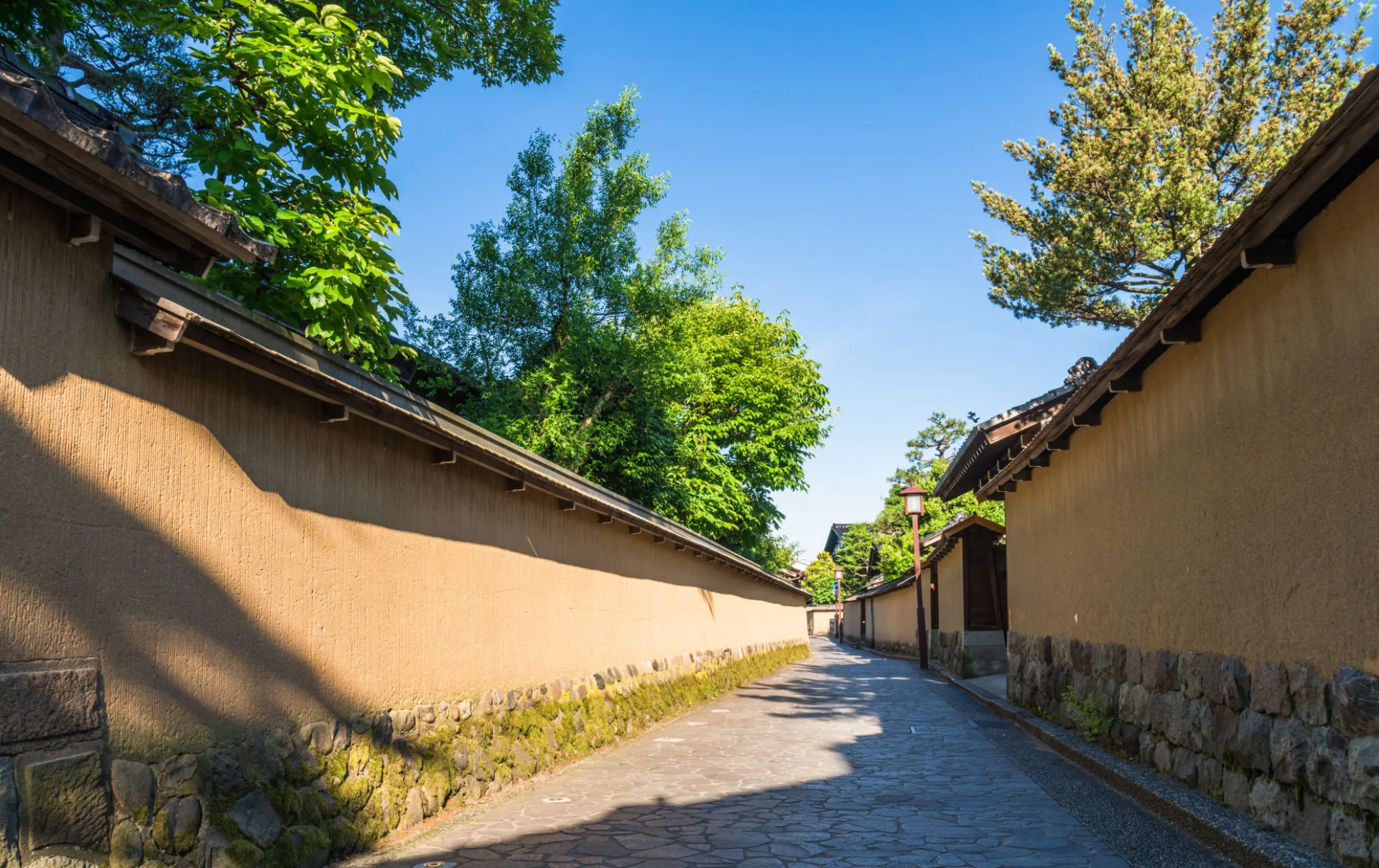
Antiguo barrio samurái en Kanazawa, con casas tradicionales de muros de tierra que preservan la esencia del Japón feudal del período Edo. Un paseo por sus calles empedradas transporta al mundo de los guerreros.
The Nagamachi Samurai District is a historic open-air area, so the streets themselves do not have formal opening and closing hours. However, individual residences and museums within the district, such as the Nomura Samurai House, do have specific hours, generally from 8:30 AM to 5:30 PM (March to October) and from 8:30 AM to 4:30 PM (November to February). To get there, you can walk from Kanazawa Station (about 15–20 minutes) or take the Kanazawa Loop Bus to the Korinbo stop and walk a few minutes.
Access to the streets of the Nagamachi Samurai District is completely free. However, if you want to visit the interior of the samurai residences, gardens, or historical museums such as the Shinise Memorial Hall or the Nomura family’s samurai residence museum, admission usually costs around 550 yen per person for each site.
To explore the Nagamachi District at a relaxed pace and visit one or two of the main samurai residences, I would recommend setting aside between 2 and 3 hours. This will allow you to stroll through its alleys, admire the architecture, and soak up the historic atmosphere without rushing.
The Nagamachi District was the area where middle- and upper-ranking samurai lived during the Edo period (1603–1868). Its importance lies in the fact that it is one of the few places in Japan where you can still see original samurai houses and stone-paved streets that preserve the atmosphere of that era, offering an authentic window into Kanazawa’s feudal past. The earthen walls and water channels are distinctive features of the period.
The best time to visit Nagamachi is in spring (March–May), when the cherry trees bloom, or in autumn (October–November), for the vibrant foliage colors. Otherwise, any time of year is good. To avoid the crowds and enjoy a quieter atmosphere, I recommend going early in the morning, just after the residences open (around 9:00 AM), or late in the afternoon.
The streets of the Nagamachi District are flat and generally accessible for wheelchairs. However, some of the individual samurai residences and their gardens may have steps or architectural barriers that limit full access, especially to upper floors or certain garden areas. It is advisable to check directly with each residence before your visit for detailed information about its specific accessibility.
Nagamachi is very well located. Within walking distance, you can visit Kenroku-en, considered one of Japan’s three finest landscape gardens, Kanazawa Castle, and the lively Korinbo shopping district, full of shops and restaurants. The 21st Century Museum of Contemporary Art, Kanazawa is also very close by.
For a more immersive experience, consider a combination pass if you plan to visit several samurai houses, as it may be more economical. Wear comfortable shoes because you will do quite a bit of walking. Finally, do not forget your camera—the streets and residences of Nagamachi offer excellent photo opportunities you will not want to miss. And if you come in winter, be prepared for snow-covered scenery; it is beautiful.
¿Prefieres escuchar en español?
🇪🇸 Escucha la audioguía de Nagamachi Samurai District en español