No te vayas sin conocer la historia Suscribete
IAudioGuia iaudioguia
Audio Guides of Hakone

Audio Guide of Hakone Checkpoint

Discover the history and secrets of this place with our audio guide.

✓ What guidebooks don't tell you
✓ Secrets other tourists miss
✓ Listen while you explore
Discover everything
00:00
00:00

📖 Audio Guide Chapters

4 chapters

1. The Pulse of Old Japan

🔒 Premium Content

Subscribe to access all chapters of this audio guide.

2. Architecture of Control

🔒 Premium Content

Subscribe to access all chapters of this audio guide.

3. Procedures and Dramas on the Road

🔒 Premium Content

Subscribe to access all chapters of this audio guide.

4. A Restored Legacy

🔒 Premium Content

Subscribe to access all chapters of this audio guide.

❓ Frequently Asked Questions

What time does Hakone Checkpoint open, and how do I get there?

Hakone Sekisho (Hakone Checkpoint) is usually open from 9:00 AM to 5:00 PM, although it is advisable to check the exact hours on its official website, as they may vary. To get there, you can take a bus from Hakone-Yumoto Station or Odawara Station to the 'Hakone Checkpoint' stop (箱根関所跡), which is right in front.

Do I have to pay to enter Hakone Checkpoint, or is it free?

Yes, the Hakone Sekisho Museum charges an admission fee. The price is usually around 500 yen for adults, although it is advisable to check the updated rates on its ticket page to confirm whether there are discounts for children or groups.

How much time is recommended for a visit to Hakone Checkpoint?

A full visit to Hakone Checkpoint, including the reconstructions and the small museum, usually takes between 45 minutes and 1 hour. If you stop to read all the information panels and enjoy the scenery, it could extend to 1 hour and 15 minutes.

What is the historical importance of Hakone Checkpoint?

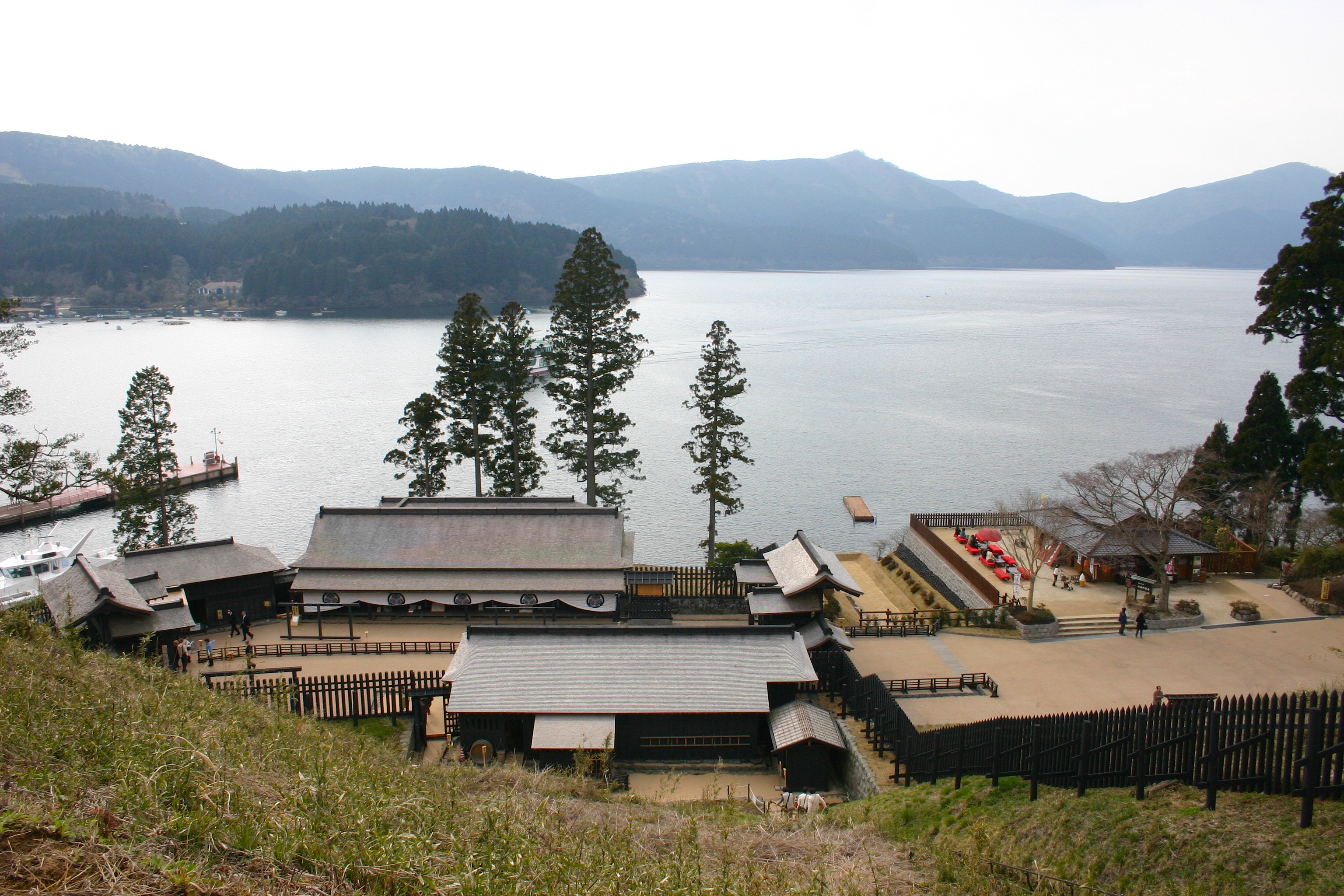
Hakone Checkpoint was one of the most important checkpoints during the Edo period (1603–1868) in Japan, established by the Tokugawa shogunate. Its main function was to control the movement of people, weapons, and the passage of 'women returning to Edo' (to prevent conspiracies), ensuring the stability of the regime. It is a key site for understanding the history of the shogunate's road network.

What is the best time of year or time of day to visit Hakone Checkpoint?

Spring (late March to April), with cherry blossoms, and autumn (late October to November), with colorful foliage, are visually spectacular. As for the time of day, it is best to go early in the morning (just after opening) or late in the afternoon to avoid crowds, especially on weekends.

Is Hakone Checkpoint accessible for people with reduced mobility or wheelchair users?

Given the historical nature of the site, which includes gravel paths and some slopes, wheelchair accessibility may be limited in certain areas. It is recommended to contact Hakone Sekisho directly (their contact phone number may be +81-460-83-6625, or you can verify it on their website) to ask about specific facilities and accessible routes.

What other interesting attractions are near Hakone Checkpoint?

Right next door you have the impressive Lake Ashi, where you can take a sightseeing cruise on the 'pirate ship' or the 'royal ship,' and the Cedar Avenue, a historic path lined with centuries-old trees. You can also visit the Hakone Detached Palace Garden or the famous Hakone Shrine, both a short distance away.

Any practical tips to make the most of a visit to Hakone Checkpoint?

I recommend wearing comfortable shoes because you will be walking on uneven ground. If you plan to visit other nearby attractions such as Lake Ashi or take the ropeway, consider buying a Hakone Free Pass, which can save you money on transportation and some entrance fees. And don't forget your camera to capture the beauty of the place and the lake views!

¿Prefieres escuchar en español?

🇪🇸 Escucha la audioguía de Hakone Checkpoint en español