No te vayas sin conocer la historia Suscribete
IAudioGuia iaudioguia
Audio Guides of Fukuoka

Audio Guide of Kushida Shrine

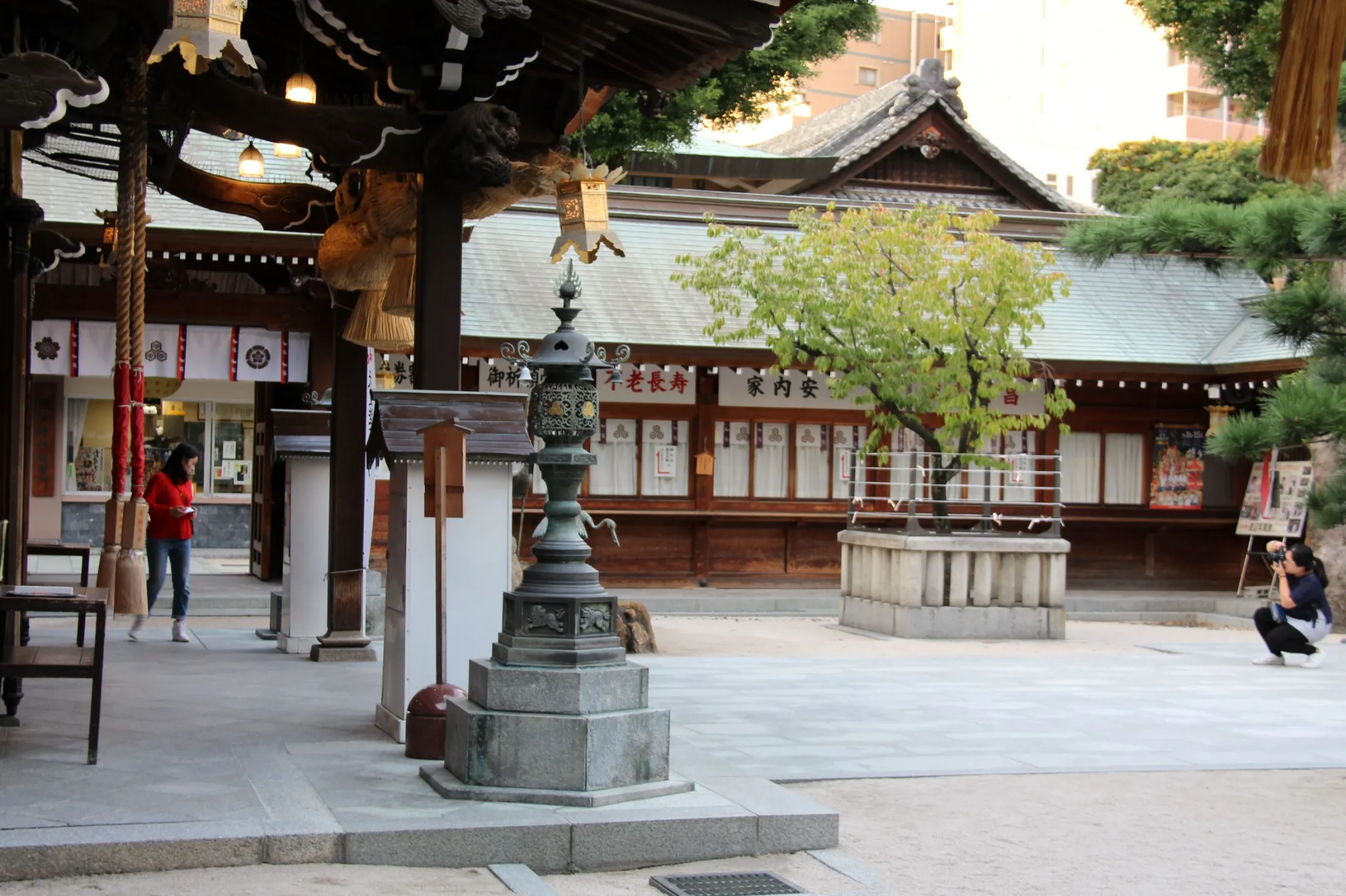
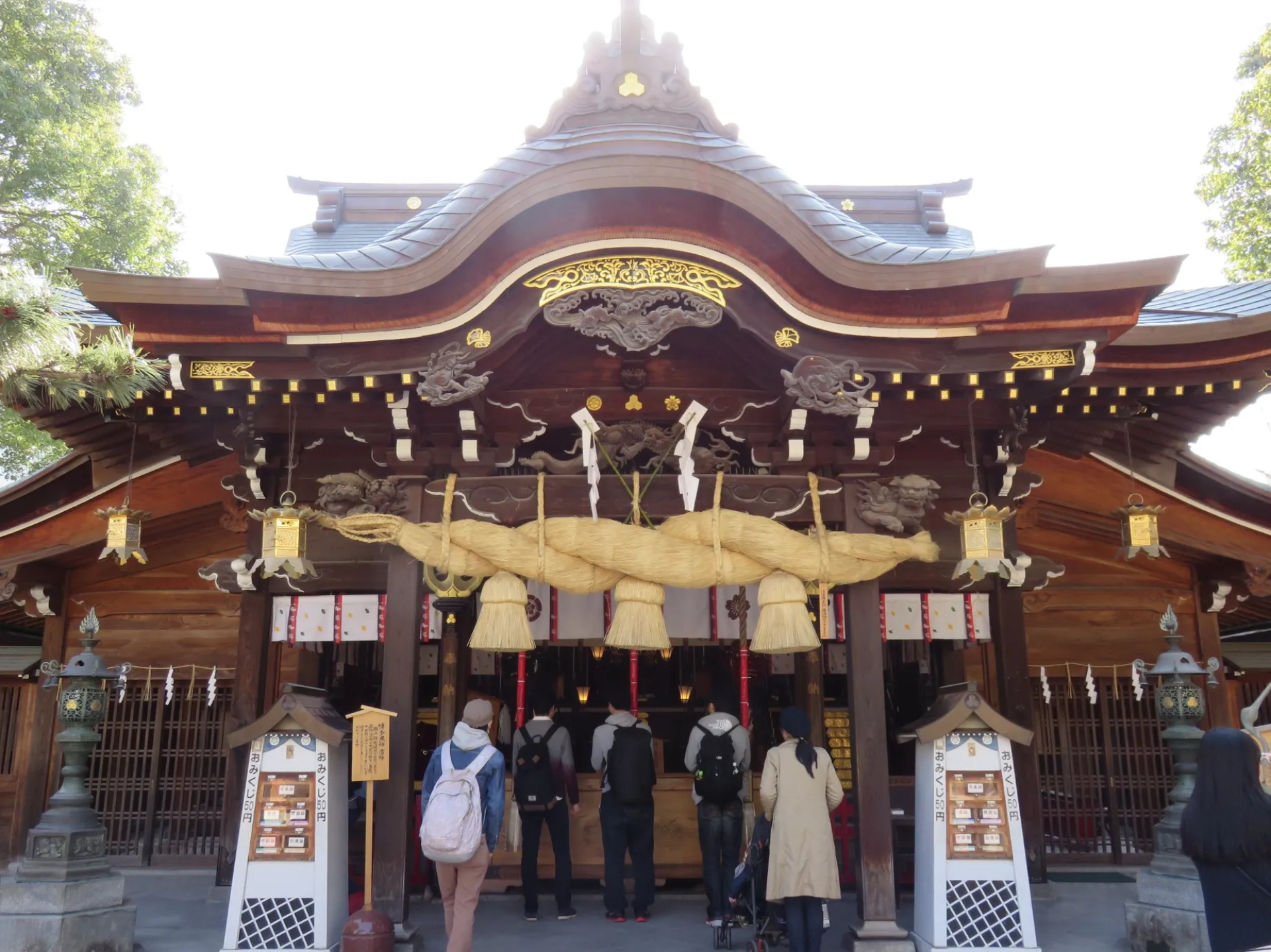
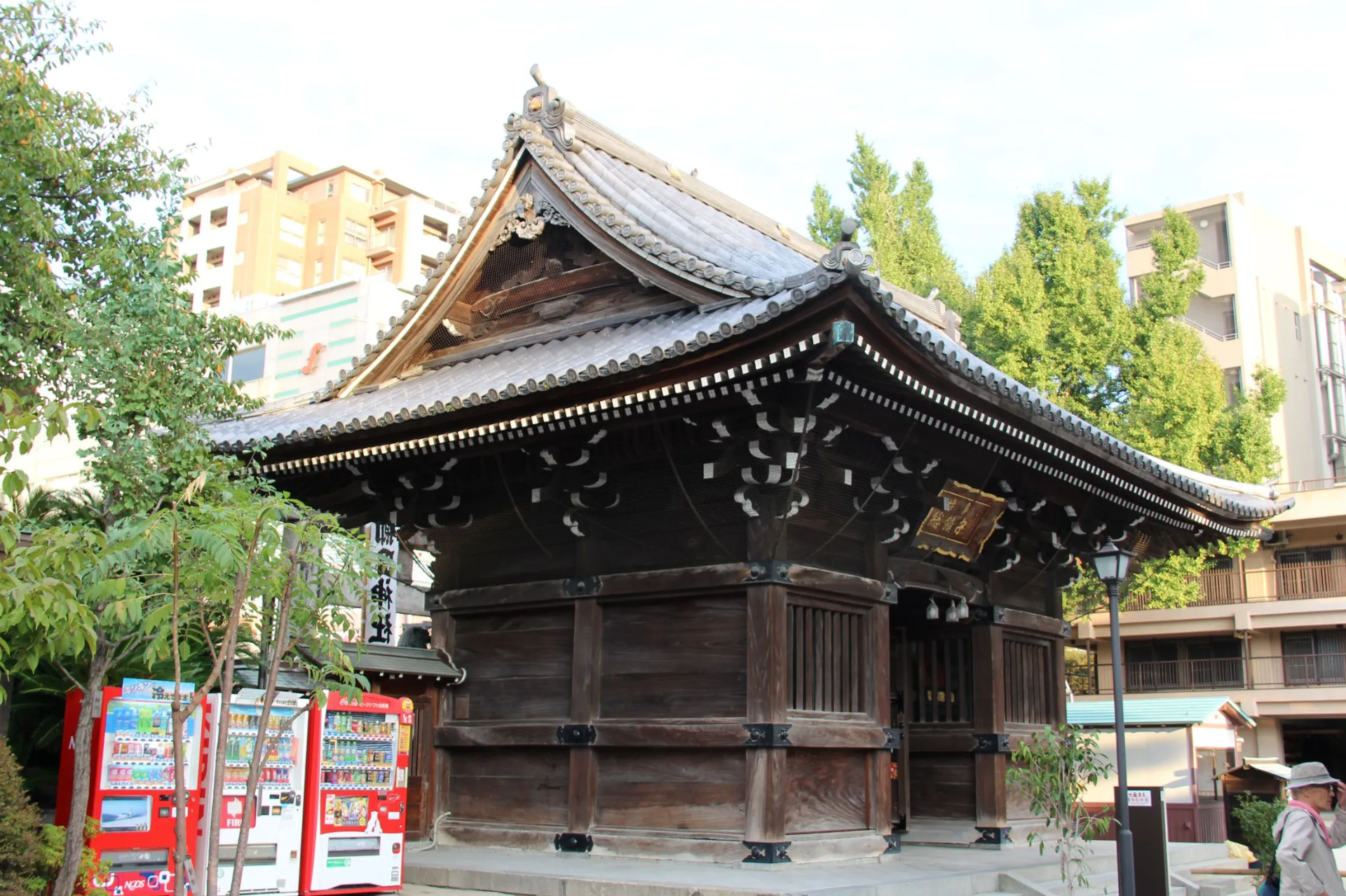
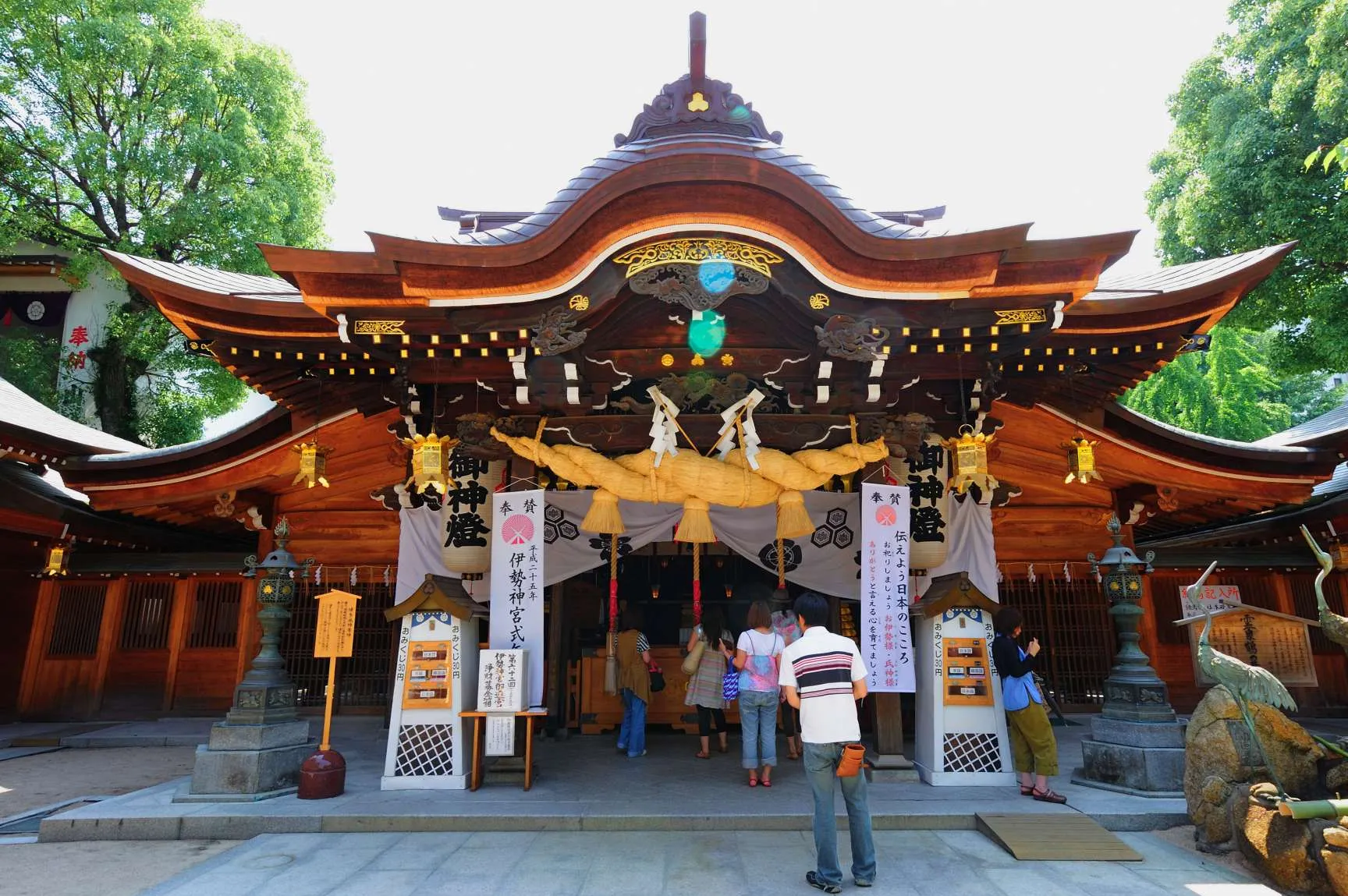
Kushida Shrine is an iconic spiritual center in Fukuoka, deeply rooted in local history and culture, renowned for its festivals and serene atmosphere.

✓ What guidebooks don't tell you
✓ Secrets other tourists miss
✓ Listen while you explore
Discover everything
00:00
00:00

📖 Audio Guide Chapters

6 chapters

1. Introduction and History

🔒 Premium Content

Subscribe to access all chapters of this audio guide.

2. Architecture and Design

🔒 Premium Content

Subscribe to access all chapters of this audio guide.

3. Art and Decoration

🔒 Premium Content

Subscribe to access all chapters of this audio guide.

4. Historical Figures

🔒 Premium Content

Subscribe to access all chapters of this audio guide.

5. Curiosities and Legends

🔒 Premium Content

Subscribe to access all chapters of this audio guide.

6. Cultural Importance and Legacy

🔒 Premium Content

Subscribe to access all chapters of this audio guide.

❓ Frequently Asked Questions

What are the opening hours and the best way to get to Kushida Shrine?

The main grounds are usually open from 4:00 AM to 10:00 PM, allowing for early morning or evening visits. The easiest way to get there is to walk 5 minutes from Gion subway station or Nakasu-Kawabata Station in Fukuoka.

How much is admission, or is there an entrance fee?

Admission to the shrine grounds is completely free for all visitors. You will only need cash if you want to buy amulets, try your luck with an omikuji, or make a small traditional offering.

How much time is recommended to visit the shrine?

A complete visit usually lasts between 30 and 45 minutes, which is enough time to admire the architecture and the enormous decorative float. If you choose to use an audio guide to explore the details more deeply, allow about an hour to enjoy it without rushing.

Why is this site so historically and culturally important?

Founded in 757, it is the home of Hakata's guardian deity and the epicenter of the famous Hakata Gion Yamakasa festival. It is culturally vital because it houses one of the impressive Kazari Yamakasa floats, over 10 meters tall, throughout the year.

What is the best time of year or time of day to visit?

The highlight is from July 1 to 15 during the Yamakasa festival, when the shrine is at its liveliest. If you prefer tranquility and photos without crowds, I recommend going very early in the morning, around 7:00 or 8:00 AM.

Does the shrine have accessible facilities for people with reduced mobility?

Most of the grounds are flat and paved, which makes wheelchair access easy to the main areas and the float display. However, some smaller buildings or altars may have steps that make direct access more difficult.

What other interesting places can I visit nearby?

You are in a privileged location; right next door you will find the traditional Kawabata Shopping Arcade. You can also walk a few minutes to the Canal City Hakata complex or visit the Hakata Machiya Folk Museum located across the street.

What practical advice would you give me to make the most of my visit?

Do not leave without finding the crane fountain and drinking its water, known as Reisen Tsuru no I, which is said to grant longevity and eternal youth. Also, look up at the main gate to see the Eto Ban, a Chinese zodiac dial that indicates the lucky direction of the year.

¿Prefieres escuchar en español?

🇪🇸 Escucha la audioguía de Kushida Shrine en español