No te vayas sin conocer la historia Suscribete
IAudioGuia iaudioguia
Audio Guides of Perugia

Audio Guide of Rocca Paolina

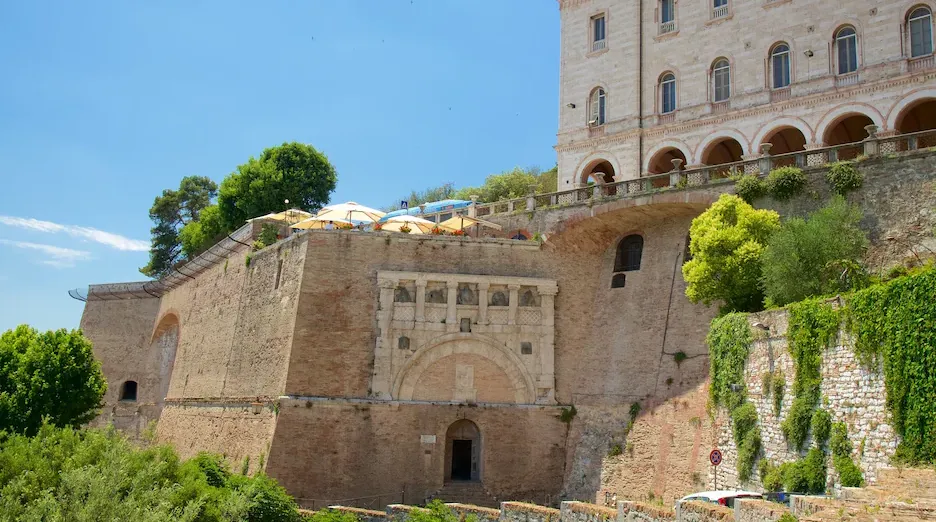
La fortaleza construida con la sal de las lágrimas de Perugia y venganza papal

✓ What guidebooks don't tell you
✓ Secrets other tourists miss
✓ Listen while you explore
Discover everything
00:00
00:00

📖 Audio Guide Chapters

6 chapters

1. Blood, Salt, and an Angry Pope

🔒 Premium Content

Subscribe to access all chapters of this audio guide.

2. Walls That Swallow Houses

🔒 Premium Content

Subscribe to access all chapters of this audio guide.

3. Traitors, Prisoners, and Upside-Down Keys

🔒 Premium Content

Subscribe to access all chapters of this audio guide.

4. Escalators vs. Roman Ghosts

🔒 Premium Content

Subscribe to access all chapters of this audio guide.

5. Hidden Revenge Between the Bricks

🔒 Premium Content

Subscribe to access all chapters of this audio guide.

6. The Monster That Became an Embrace

🔒 Premium Content

Subscribe to access all chapters of this audio guide.

❓ Frequently Asked Questions

What are the opening hours and how do I access Rocca Paolina?

Rocca Paolina is open every day from approximately 6:15 AM to 1:45 AM, as it houses the escalators connecting Piazza Partigiani with the historic center. You can easily enter from the lower part of the city or come down from Piazza Italia near the tourist information points.

Do I have to pay an entrance fee to visit the fortress?

No, admission is completely free. Since it functions as a vital public pedestrian passage for the city, you can explore its historic vaults and medieval passageways at no cost and without booking tickets in advance.

How much time is recommended for visiting the site?

A full visit usually takes between 30 and 45 minutes if you want to stop to read the information panels and enjoy the atmosphere. It is the perfect amount of time to immerse yourself in the history before heading out to explore the rest of Perugia.

What makes the history of Rocca Paolina so special?

It is fascinating because it is a 'city within a fortress.' It was built by Pope Paul III in 1540 over the destroyed homes of his enemies, so today you are literally walking through ancient medieval streets that were buried underground.

What is the best time of year or time of day to visit?

Any time is good, but in December it becomes magical thanks to the famous Christmas market set up in its tunnels. In summer, visiting its stone walls is ideal for escaping the midday heat because of its naturally cool temperature.

Is the route accessible for people with reduced mobility?

Yes, for the most part. The complex has a system of modern escalators and elevators connecting the different levels. However, it is recommended to check the status of the elevators on the local mobility website to avoid occasional inconvenience.

What other attractions should I see after leaving the fortress?

If you exit from the upper side, you will reach the Carducci Gardens, which offer incredible panoramic views. You will be just a few steps from Corso Vannucci, where you can visit the Palazzo dei Priori and the Fontana Maggiore.

What practical tip would you give me to make the most of the visit?

Wear comfortable shoes because you will be walking on ancient cobblestones, and keep in mind that the temperature drops once you go inside. I recommend using an audio guide so you do not miss the hidden details of this underground city that can easily go unnoticed at first glance.

¿Prefieres escuchar en español?

🇪🇸 Escucha la audioguía de Rocca Paolina en español