Discover the history and secrets of this place with our audio guide.
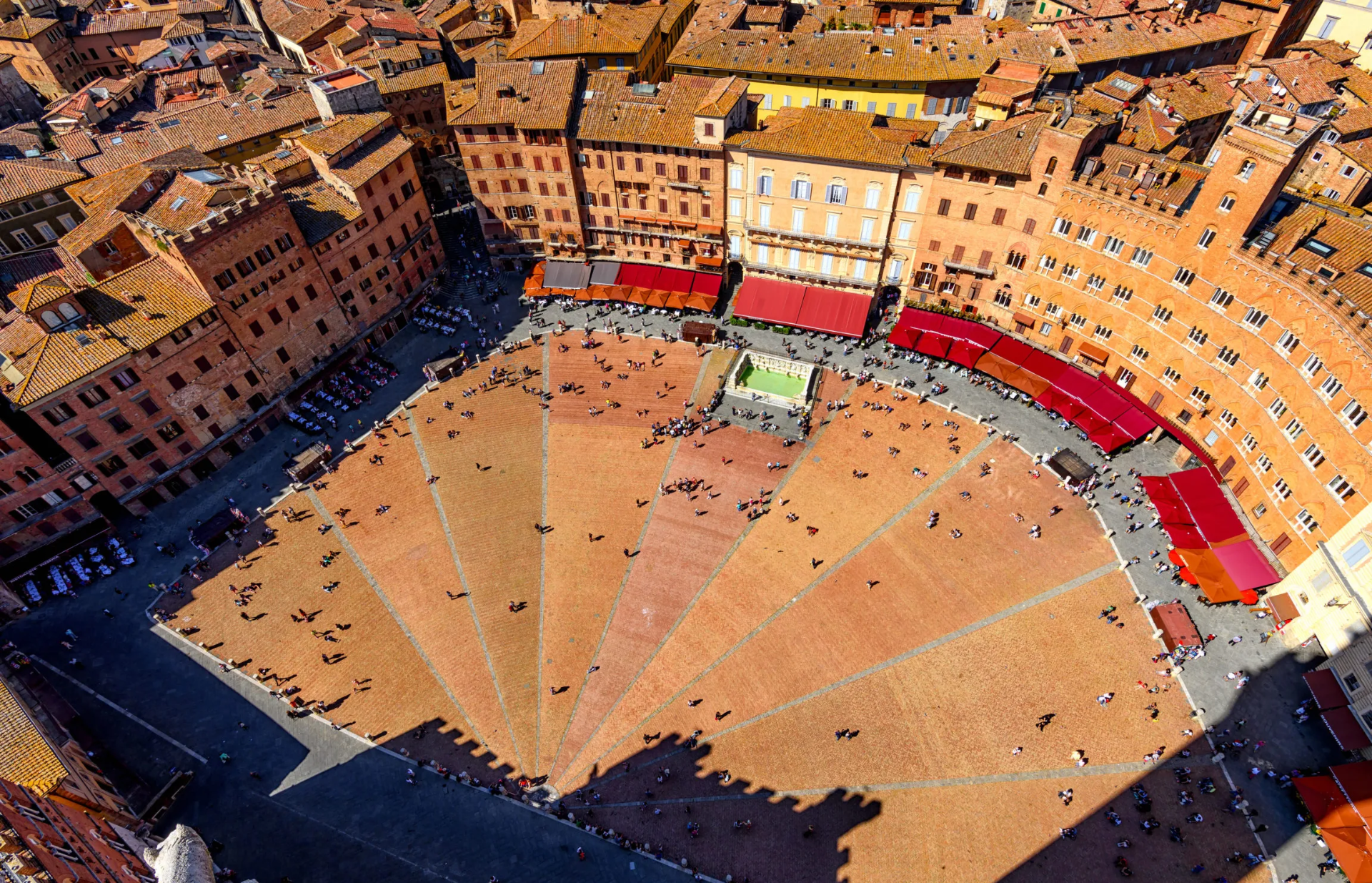
Most of Siena’s historic fountains, such as the famous Fonte Gaia in Piazza del Campo or Fontebranda, are accessible to the public at all times, as they are integrated into the city’s urban fabric. They do not have specific opening or closing hours like a museum. You can stroll around them freely. We recommend checking the official website of the Municipality of Siena for maps and more details about their location.
Good news! Visiting the Medieval Fountains of Siena is completely free. They are outdoors and form part of the city’s public heritage, so you can enjoy them at no cost. All you need is a comfortable pair of shoes to explore them.
It depends on your level of interest. If you want to see the main fountains (Fonte Gaia, Fontebranda, Fonte di Ovile, Fonte del Casato), you could spend between 1.5 and 3 hours, especially if you take your time to appreciate the details and views. If you only want a quick look at the most famous ones, 30–60 minutes may be enough, but you would miss part of the magic.
The fountains are vital to Siena’s history. They were the city’s main water source for centuries, a scarce resource that shaped urban development and inspired ingenious engineering works for its transport. Beyond their practical function, many are true works of art, decorated by renowned sculptors, and they represent the power and wealth of the Republic of Siena. Fonte Gaia, for example, was a symbol of the city’s glory.
To avoid crowds and enjoy softer light, I recommend visiting early in the morning or at sunset, when the city has a special charm. As for the time of year, spring (April–May) and early autumn (September–October) offer pleasant weather and fewer tourists than summer. In summer, the sun can be intense, so sunset is ideal.
Accessibility can vary. Many fountains, being located in central streets or squares such as Fonte Gaia in Piazza del Campo, are relatively accessible. However, other fountains may be located on steep slopes or in cobbled, stepped alleyways, which makes wheelchair access difficult. I suggest checking the specific location of each fountain that interests you on local maps or the Siena tourism website for accessibility planning.
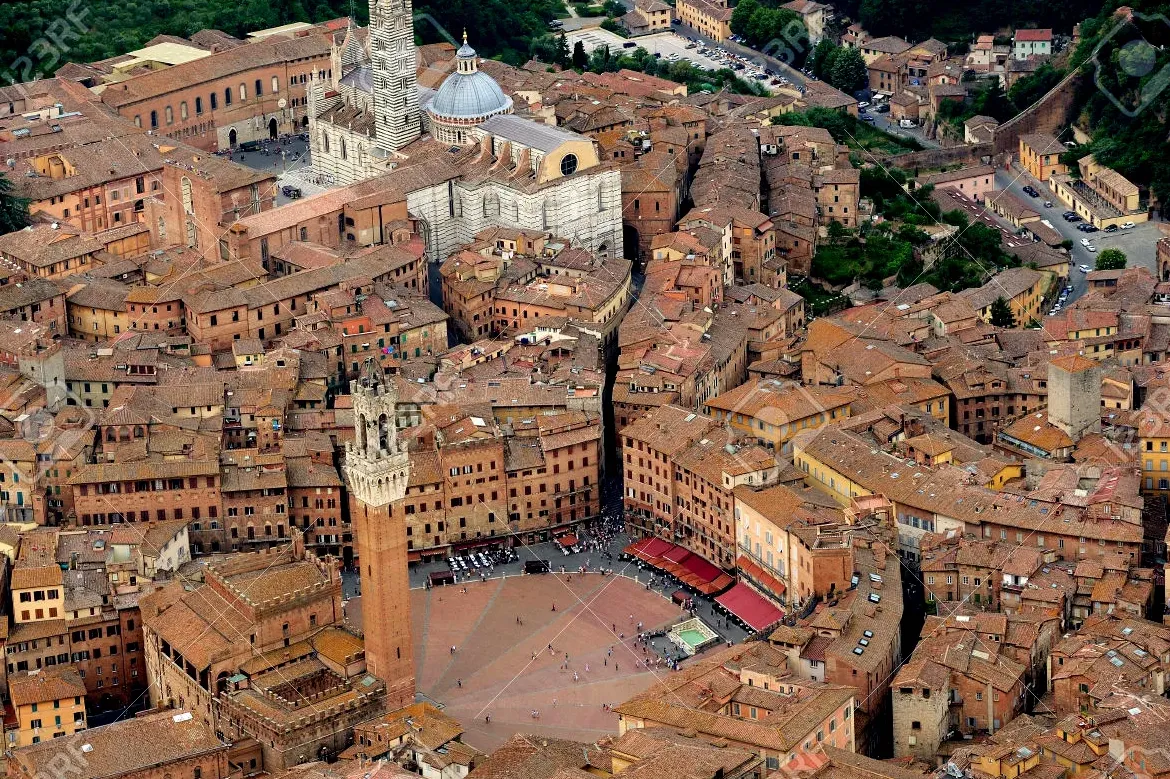
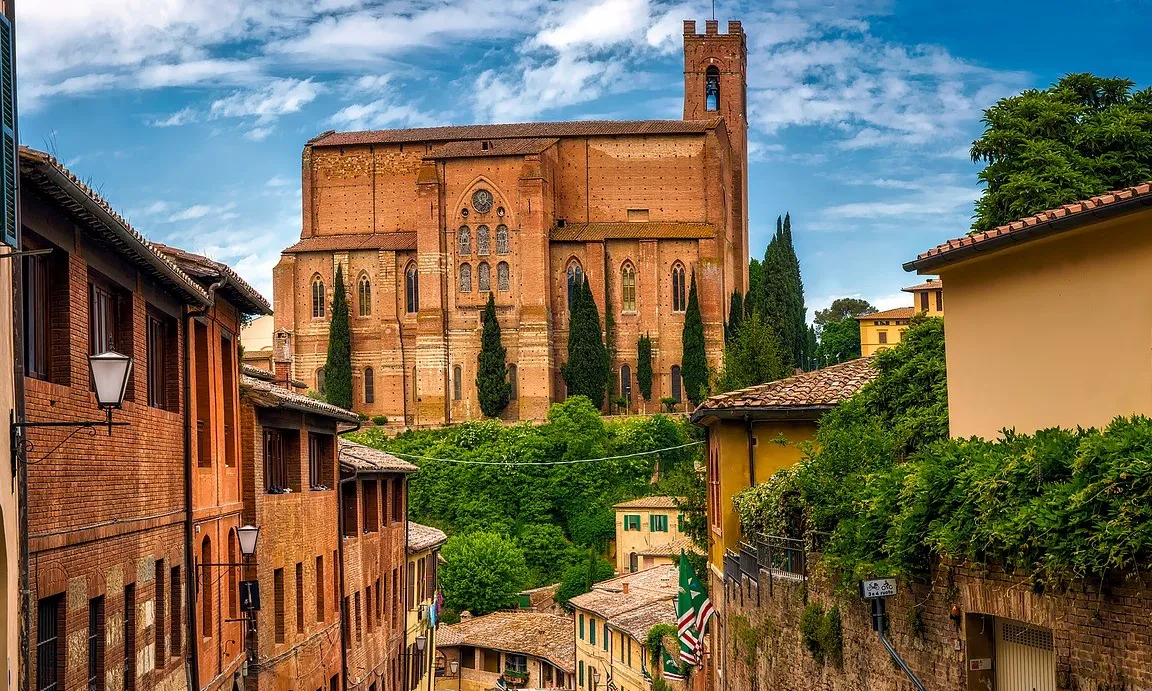
Siena is full of wonders! Near Fonte Gaia you have the majestic Piazza del Campo and the Palazzo Pubblico with the Torre del Mangia. Fontebranda is a short walk from the Basilica of San Domenico and the Sanctuary House of Saint Catherine. Siena Cathedral is a must-see and is relatively close to several fountains. You can also get pleasantly lost in the historic streets to discover artisan shops and delicious restaurants.
Absolutely! First, wear comfortable shoes, as Siena has many hills and cobbled streets. Second, a good map (physical or digital) will be very helpful for locating the lesser-known fountains. Third, don’t rush; take your time to observe the sculptures and surroundings of each fountain. Finally, bring a refillable water bottle—some fountains still provide fresh drinking water!
¿Prefieres escuchar en español?
🇪🇸 Escucha la audioguía de the Medieval Fountains of Siena en español