Discover the history and secrets of this place with our audio guide.
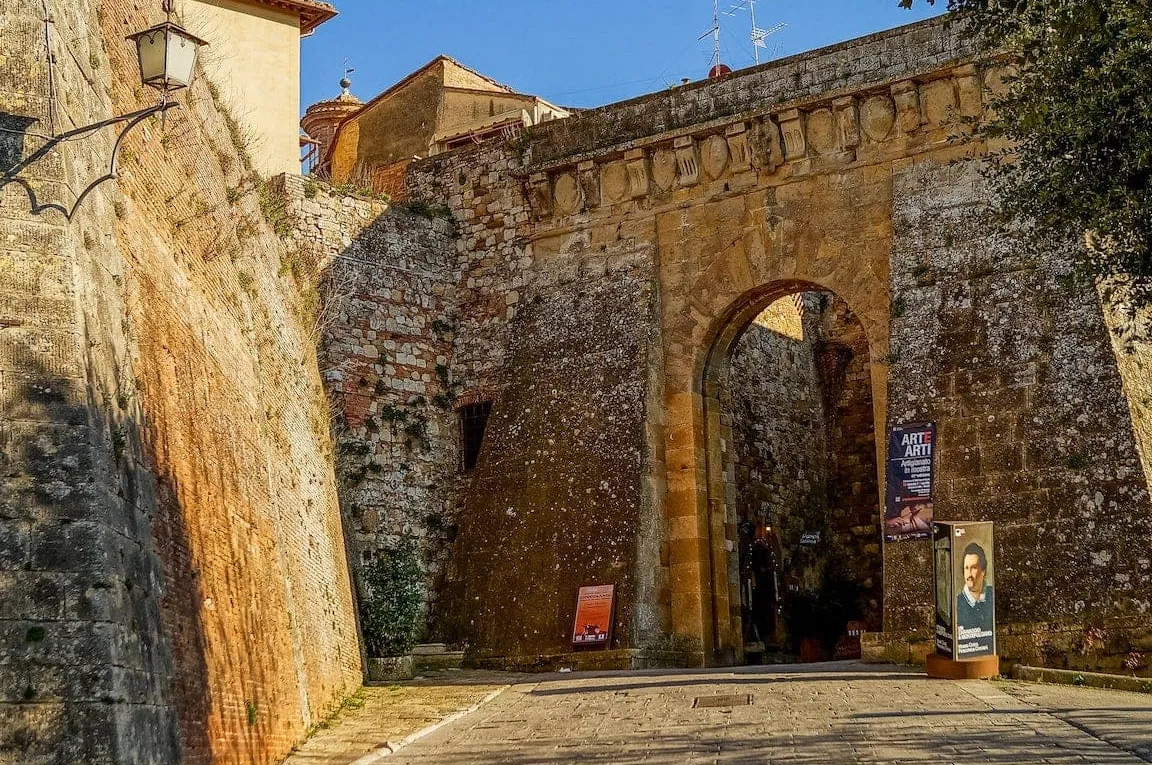
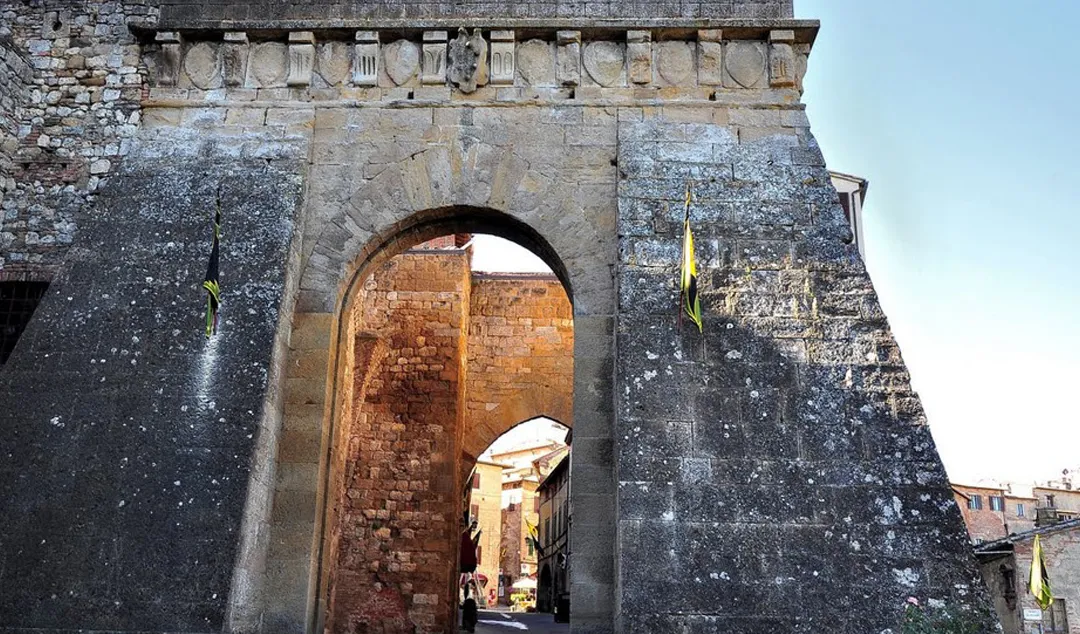
Hello! Porta al Prato is one of the ancient city gates and is integrated into the walls of Montepulciano. As it is a public structure, it does not have opening or closing hours like a museum. You can access it freely at any time of day to pass into the old town. It is part of the experience of exploring Montepulciano.
Not at all! Porta al Prato is an open-air historic monument and part of the access to the town. Therefore, there is no cost or fee to pass through it. You can admire it and cross it without buying tickets or paying anything.
Porta al Prato is an architectural structure that marks the entrance to the old town. It is not a place where people usually stay for long. I suggest spending about 5 to 10 minutes admiring its architecture, taking a few photos, and then continuing your exploration of the charming streets of Montepulciano. It is the starting point for many adventures here.
Porta al Prato is one of Montepulciano’s oldest and most significant gates, built in the 13th century. It was the main entrance to the town from the south and has witnessed centuries of history, trade, and conflict. Its name, 'al Prato,' refers to the fields that originally surrounded it. It is a symbol of Montepulciano’s resilience and identity. For more details, you can consult Montepulciano tourist information, such as Montepulciano.com.
For Porta al Prato, the best time to visit is during daylight hours, especially in the morning or at sunset, when the light is softer and photos look amazing. As for the time of year, spring and autumn are ideal because of the pleasant weather and fewer tourists. If you are looking for peace and quiet, avoid the middle hours of summer.
Since Porta al Prato is a city gate and access is at street level, it is generally accessible for people with reduced mobility. However, keep in mind that the streets of Montepulciano after crossing the gate are steep and may have cobblestones, which could make wheelchair mobility more difficult in the rest of the town. For specific details, I recommend contacting the Montepulciano tourist office.
Once you cross Porta al Prato, you will head straight into the historic heart of Montepulciano. You will immediately find Via di Gracciano nel Corso, a street full of Renaissance palaces, artisan shops, and wine cellars. You can continue up to Piazza Grande, where Palazzo Comunale and the Cathedral are located. There is definitely a lot to explore right nearby!
Of course! My best advice is that when you cross Porta al Prato, do not rush. Stop for a moment to observe the details of the gate and the walls. Then, as you enter the town, look back to appreciate it from the inside perspective. Consider downloading an audio guide to Montepulciano from iAudioguia; it will give you historical context while you explore the streets that open up before you. Wear comfortable shoes for the hills!
¿Prefieres escuchar en español?
🇪🇸 Escucha la audioguía de Porta al Prato en español