Donde los gladiadores financiaron el correo local y las piedras tienen más historias que un grupo de cotillas
The Arezzo Roman Amphitheatre is an open-air archaeological site, so it can generally be visited at any time of day. However, to access some areas or the National Archaeological Museum Gaio Cilnio Maecenas (located next door and housing finds from the amphitheatre), you should check their specific opening hours. I recommend checking the museum’s hours on its official website: National Archaeological Museum Gaio Cilnio Maecenas.
Access to the Arezzo Roman Amphitheatre area is usually free, as it is an archaeological site open to the public. However, if you want to visit the adjacent National Archaeological Museum Gaio Cilnio Maecenas, there is an admission fee. I suggest checking the current prices directly on the museum’s website to confirm any details: Museum pricing information.
For a visit to the amphitheatre itself, which is an open-air site, about 30–45 minutes is enough to walk around and take some photos. If you also plan to visit the National Archaeological Museum Gaio Cilnio Maecenas, which houses important related finds, you should add at least 1 to 1.5 more hours for a fuller experience. Altogether, you could spend around 2 hours on the whole complex.
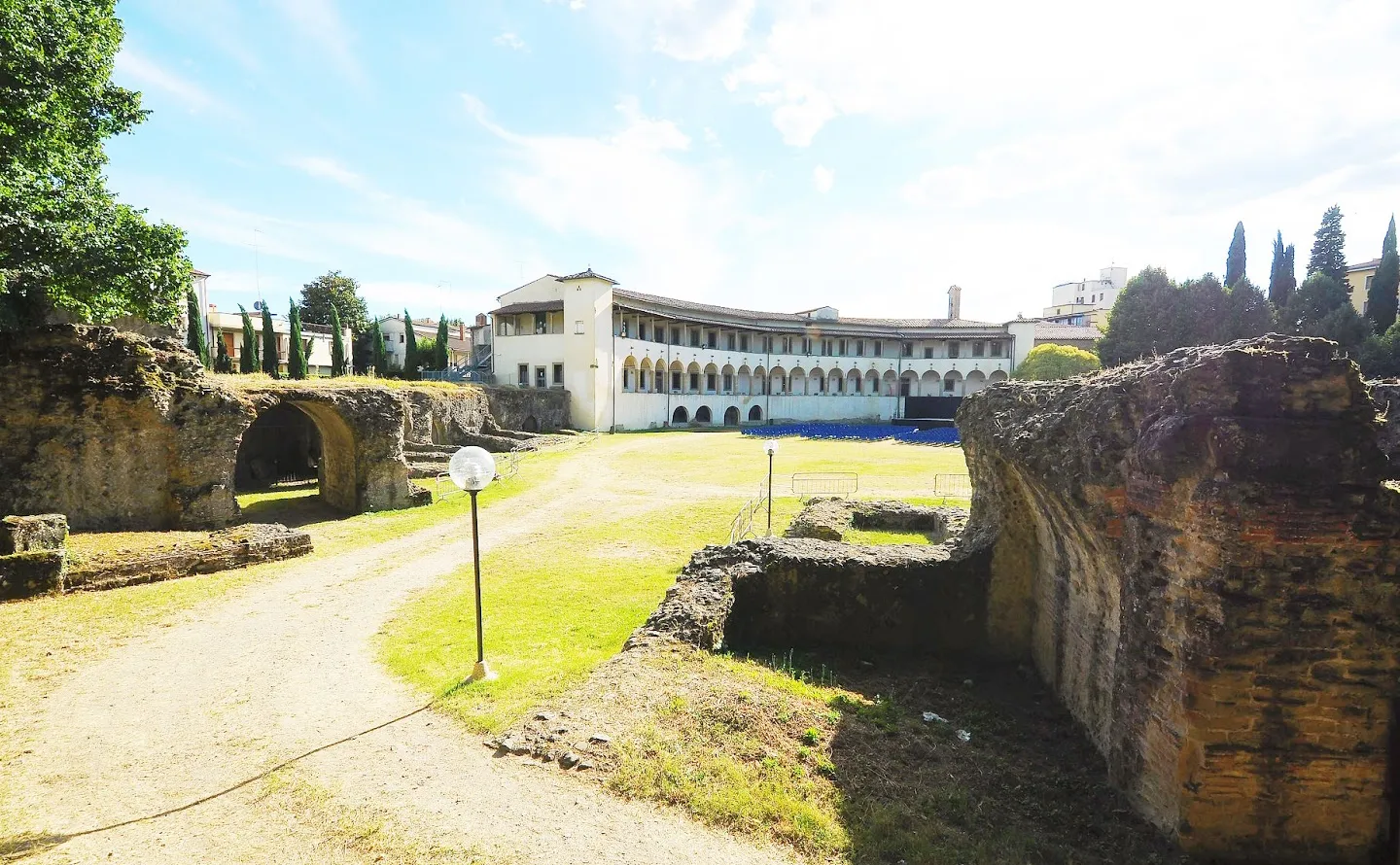
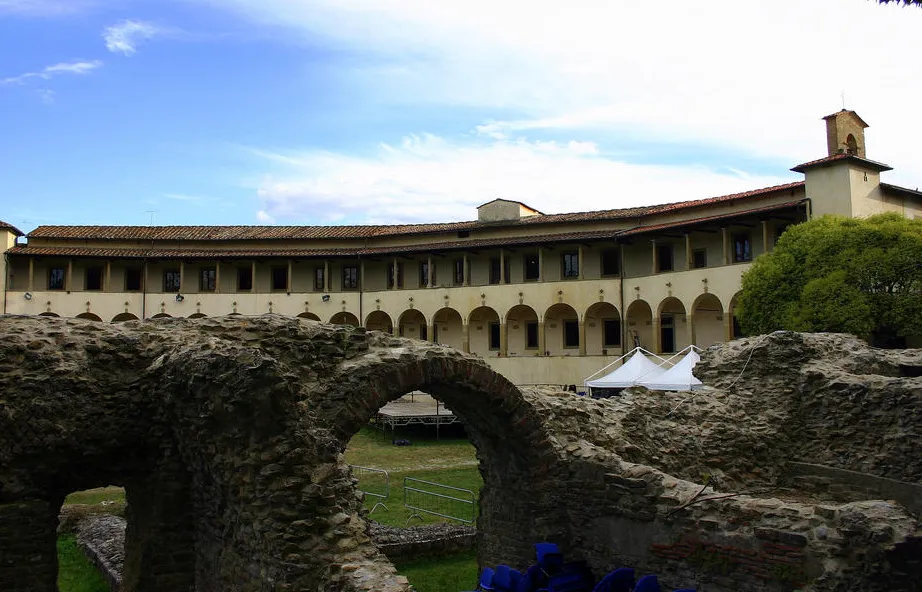
The Arezzo Roman Amphitheatre, built in the 1st century AD, was the main venue for spectacles and games in ancient Arretium. Although only ruins of its structure remain today, its existence is crucial evidence of the city’s importance and size during the Roman period, reflecting its rich social and cultural life. Its remains connect us directly with the splendor of Roman civilization in this part of Tuscany.
The best time to visit the Arezzo Roman Amphitheatre is during the shoulder seasons, spring and autumn, when the weather is milder and there are fewer tourists. If you go in summer, I recommend visiting early in the morning or late in the afternoon to avoid the intense heat. As an open-air site, these times also offer more beautiful light for photography.
Yes, the Arezzo Roman Amphitheatre, being largely a level open area, is generally accessible for people with reduced mobility. However, some zones may have uneven ground because of the ruins. For specific accessibility information about the adjacent National Archaeological Museum, I suggest contacting the museum directly: you can find its contact information on its website: [email protected] or by calling +39 0575 20882.
Right next to the amphitheatre is the National Archaeological Museum Gaio Cilnio Maecenas, which is essential for rounding out your visit. Within a short walk, you can explore Arezzo’s historic center, with its impressive Piazza Grande, the Basilica of San Francesco, which houses frescoes by Piero della Francesca, and the Cathedral. Arezzo is a compact, charming city that invites you to stroll and discover its treasures.
Certainly — here are a couple of tips. First, consider visiting the National Archaeological Museum Gaio Cilnio Maecenas as well, since it is right next door and holds artifacts from the amphitheatre, which will greatly enrich your understanding. Second, wear comfortable shoes, as you will be walking on uneven, ancient ground. If you are visiting on a sunny day, do not forget sunscreen and a bottle of water, since it is an open-air site. And of course, bring your camera to capture the history!
¿Prefieres escuchar en español?
🇪🇸 Escucha la audioguía de Arezzo Roman Amphitheatre en español