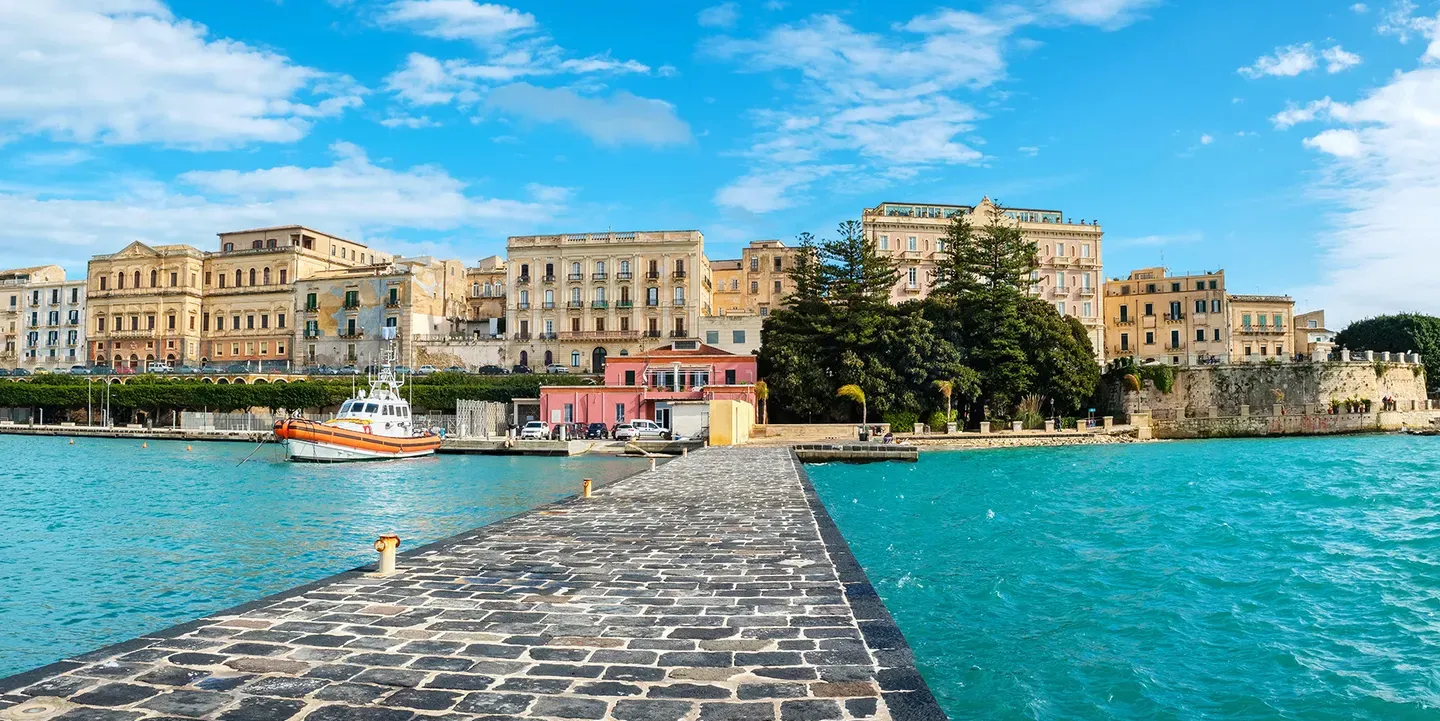
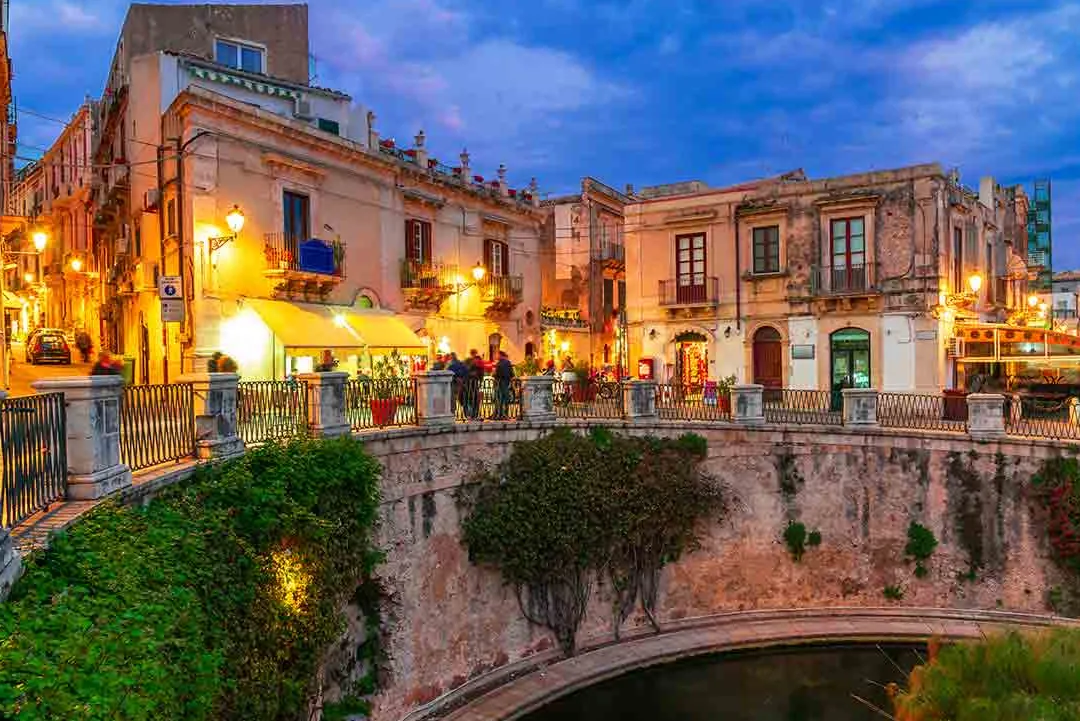
The best-kept secret of Syracuse Subscribe
IAudioGuia iaudioguia
Audio Guides of Syracuse

Audio Guide of Isola di Ortigia

Discover the heart of Siracusa, a captivating island steeped in history, myth, and architectural splendor.

✓ What guidebooks don't tell you
✓ Secrets other tourists miss
✓ Listen while you explore
Discover everything
00:00
00:00
Rate this audio guide

📖 Audio Guide Chapters

6 chapters

1. Introduction and History

🔒 Premium Content

Subscribe to access all chapters of this audio guide.

2. Architecture and Design

🔒 Premium Content

Subscribe to access all chapters of this audio guide.

3. Art and Decoration

🔒 Premium Content

Subscribe to access all chapters of this audio guide.

4. Historical Figures

🔒 Premium Content

Subscribe to access all chapters of this audio guide.

5. Curiosities and Legends

🔒 Premium Content

Subscribe to access all chapters of this audio guide.

6. Cultural Importance and Legacy

🔒 Premium Content

Subscribe to access all chapters of this audio guide.

❓ Frequently Asked Questions

What time can I visit the Island of Ortygia, and how do I access it?

The Island of Ortygia is a historic and cultural centre, so it does not have a 'closing time' like a museum; you can walk through its streets at any time. However, shops, restaurants and individual attractions (such as the Cathedral or the Temple of Apollo) do have specific opening hours, which generally run from morning until evening. Access on foot is free, and the historic centre is largely pedestrianised or subject to limited traffic (ZTL). If you arrive by car, I recommend looking for parking on the outskirts of the island, such as Parking Talete, and then walking in.

Do I have to pay to enter Ortygia or any of its main attractions?

Walking around and exploring the Island of Ortygia is completely free, as it is a public space. However, the main attractions on the island, such as Syracuse Cathedral, the Temple of Apollo, Maniace Castle or the museums, do charge an admission fee. I recommend checking each attraction's individual website for current prices. For example, information about the Cathedral can be found on its official website or in the Syracuse tourism section.

How much time is recommended to visit and fully enjoy Ortygia?

To get a good first impression and stroll leisurely through its streets, enjoying the squares, the market and the atmosphere, I would recommend spending at least half a day, around 4-5 hours. If you want to visit some of its main attractions at a relaxed pace, such as the Cathedral or Maniace Castle, or sit down for lunch and dinner, it is ideal to plan a full day, or even stay for one or two nights to soak up its atmosphere at sunset and after dark.

What is the historical or cultural importance of the Island of Ortygia?

Ortygia is the historic heart of Syracuse and is of monumental importance. It was the first city of Syracuse, founded by the Greeks in the VIII century BC, and has been a melting pot of civilisations over the millennia: Greeks, Romans, Byzantines, Arabs, Normans, Aragonese... This rich history is reflected in its architecture, from the impressive Cathedral built over a Greek temple to the Temple of Apollo and Maniace Castle. It is a UNESCO World Heritage Site, underscoring its universal value.

What is the best time of year or day to visit Ortygia?

Spring (April-May) and autumn (September-October) are ideal, as the weather is pleasant and there are fewer crowds than in summer. If you visit in summer, early morning (before 10:00) is perfect for walking around peacefully and avoiding the intense midday heat, while visiting the market before it fills up. Sunset is magical on the western side of the island, offering spectacular views over the Ionian Sea, and evening is ideal for enjoying dinner and the vibrant atmosphere of its illuminated streets.

Is the Island of Ortygia accessible to people with reduced mobility?

In general, the Island of Ortygia is quite accessible, although there are some limitations. Many of its streets are flat and paved with cobblestones, making it easier to get around. However, some streets may be narrow or have steps in certain places. The main squares, such as Piazza Duomo, are very accessible. I recommend checking in advance the specific accessibility of each attraction you wish to visit, as some historic buildings may present barriers. For more detailed information about accessibility in Syracuse, you can look for specific guides on the local tourism website: Siracusa Turismo.

What other attractions or places of interest can I visit near Ortygia?

Outside the island, in Syracuse itself, you should not miss the Neapolis Archaeological Park, which includes the Greek Theatre, the Ear of Dionysius and the Roman Amphitheatre, an essential visit for history enthusiasts. The Paolo Orsi Regional Archaeological Museum is also recommended; it is one of the most important museums in Sicily, with finds from across south-eastern Sicily. Both are a short drive or taxi ride from Ortygia.

Any practical advice for making the most of my visit to Ortygia?

Of course, here are a few tips: wear comfortable shoes because you will do a lot of walking along its cobbled streets. Explore the Ortygia Market in the morning to sample local delicacies and observe local life. Try a 'panino con la porchetta' or fresh seafood. Consider taking a boat trip around the island to see it from another perspective and discover its sea caves. And one essential point: book a table if you want to dine at a popular restaurant, especially during the high season, because they fill up quickly.

¿Prefieres escuchar en español?

🇪🇸 Escucha la audioguía de Isola di Ortigia en español