No te vayas sin conocer la historia Suscribete
IAudioGuia iaudioguia
Audio Guides of Catania

Audio Guide of Roman Theatre of Catania

Discover the Roman Theatre of Catania in Catania. A unique experience to learn about its history and significance.

✓ What guidebooks don't tell you
✓ Secrets other tourists miss
✓ Listen while you explore
Discover everything
00:00
00:00

📖 Audio Guide Chapters

8 chapters

1. Introduction

🔒 Premium Content

Subscribe to access all chapters of this audio guide.

2. History of the Theatre

🔒 Premium Content

Subscribe to access all chapters of this audio guide.

3. Architecture and Design

🔒 Premium Content

Subscribe to access all chapters of this audio guide.

4. The Theatre in Antiquity

🔒 Premium Content

Subscribe to access all chapters of this audio guide.

5. Discovery and Restoration

🔒 Premium Content

Subscribe to access all chapters of this audio guide.

6. The Theatre Today

🔒 Premium Content

Subscribe to access all chapters of this audio guide.

7. Tips for Your Visit

🔒 Premium Content

Subscribe to access all chapters of this audio guide.

8. Farewell

🔒 Premium Content

Subscribe to access all chapters of this audio guide.

❓ Frequently Asked Questions

What are the opening hours of the Roman Theatre of Catania, and how can I visit it?

The Roman Theatre of Catania is usually open from Tuesday to Saturday from 9:00 am to 4:00 pm and on Sundays from 9:00 am to 1:00 pm. It is advisable to check the exact opening hours before your visit, as they may vary. You can find the most up-to-date information on the official website of the Regional Hub of Catania for Cultural Sites. To enter, the main entrance is on Via Vittorio Emanuele II.

Do I have to pay to enter the Roman Theatre of Catania, or is it free?

Admission to the Roman Theatre of Catania is not free, but the price is quite affordable. The cost is €6 for a full ticket and €3 for a reduced ticket for EU citizens between 18 and 25 years old. Visitors under 18 and EU citizens over 65 have free admission. I recommend confirming prices at the ticket office or on the official website at the time of your visit.

How much time should I allow for my visit to the Roman Theatre of Catania to see it properly?

To fully enjoy the Roman Theatre of Catania and take in its historic atmosphere, I suggest setting aside between 45 minutes and an hour. This will allow you to walk through the ruins, admire the adjacent Odeon, and read the available information without rushing. If you are a history enthusiast, you may want to stay a little longer.

How important is this Roman Theatre to the history of Catania?

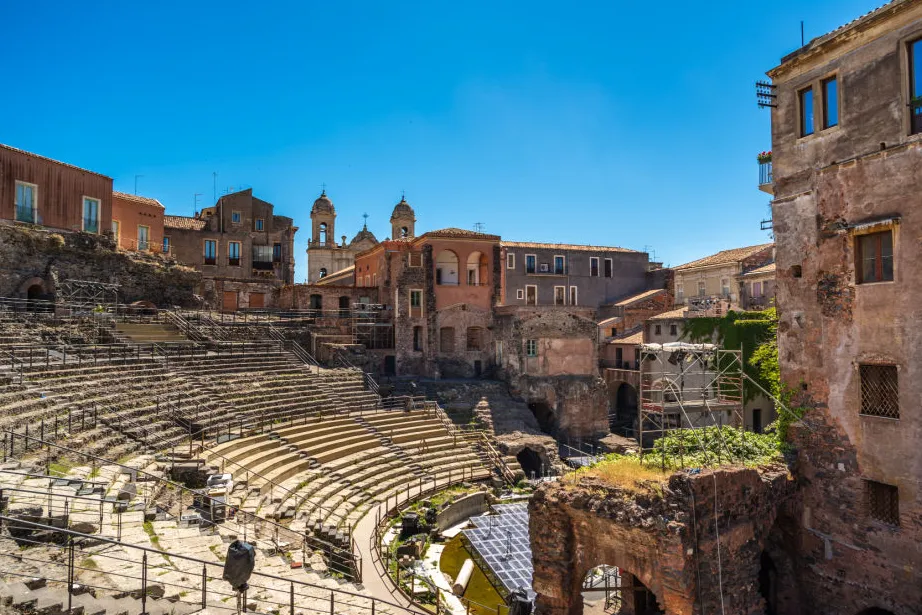
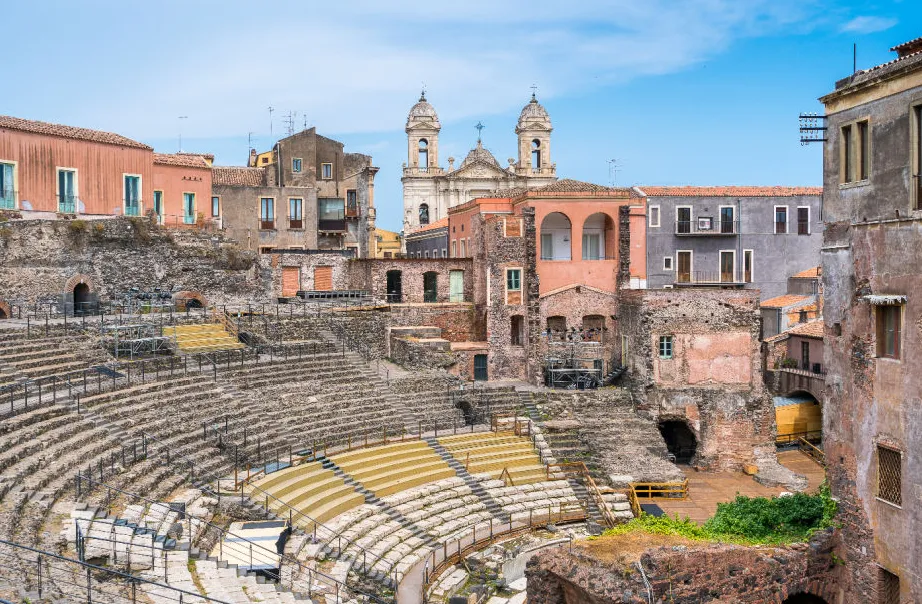
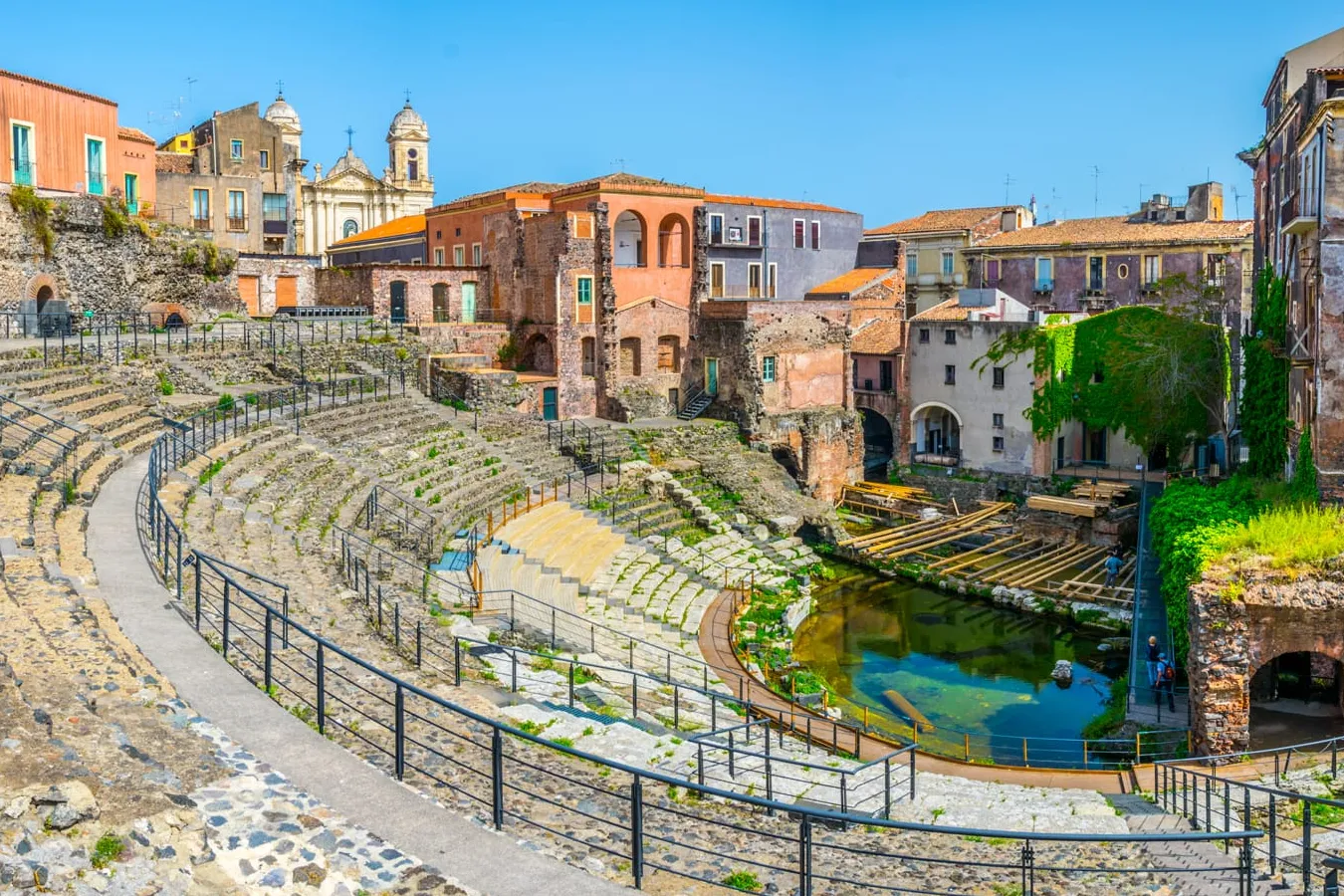
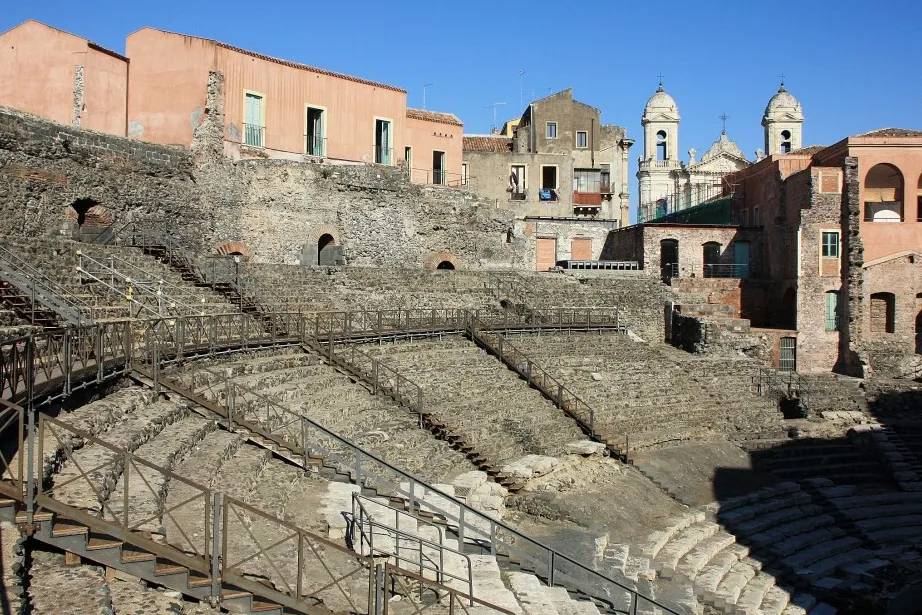
This Roman Theatre is incredibly significant, as it transports us to the glorious past of Catania under Roman rule. Built in the 2nd century AD, it was a vital center of social and cultural life at the time, with capacity for thousands of spectators. Its ruins, despite being surrounded by modern buildings, reveal the architectural sophistication and grandeur of ancient Catania.

What is the best time of day or year to visit the Roman Theatre of Catania?

The best time to visit the Roman Theatre of Catania is during spring (April-May) or autumn (September-October), when the weather is milder and there are fewer crowds. If you visit in summer, I recommend going early in the morning, just after opening, or later in the afternoon to avoid the intense heat and enjoy softer light for your photos.

Is the Roman Theatre of Catania accessible for people with reduced mobility?

Unfortunately, due to the nature of the ancient ruins, access to the Roman Theatre of Catania can be challenging for people with reduced mobility. There are steps and uneven ground in some areas. I advise contacting the museum directly at +39 095 7150508 before your visit to obtain detailed information about accessibility options and possible adapted routes.

What other points of interest are near the Roman Theatre of Catania to combine with my visit?

After visiting the Roman Theatre, you will be in the historic heart of Catania. Within walking distance, you can explore the impressive Piazza del Duomo with its iconic Elephant Fountain and the majestic Cathedral of Saint Agatha. I also recommend strolling along Via Crociferi, famous for its Baroque churches, or visiting Ursino Castle, an ancient Norman castle.

Do you have any practical tips to make the most of my visit to the Roman Theatre of Catania?

Of course! I recommend wearing comfortable shoes, as you will be walking on uneven ground. Consider downloading an audio guide or looking up information before your visit to better understand the history of the ruins. Also, do not forget your camera to capture the beauty of this archaeological site, and take your time to imagine what life was like in ancient Catania as you walk among its remains.

¿Prefieres escuchar en español?

🇪🇸 Escucha la audioguía de Roman Theatre of Catania en español