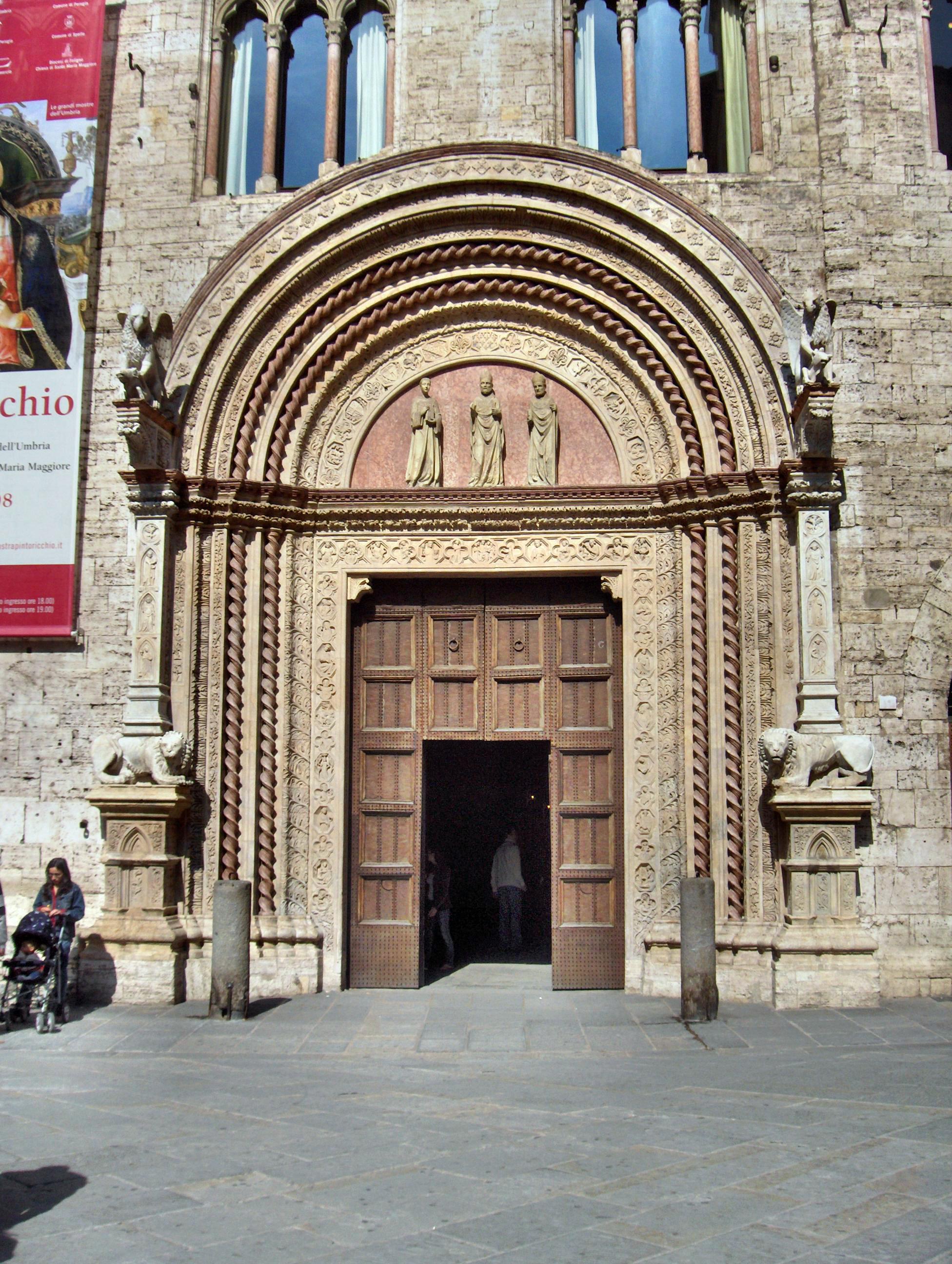
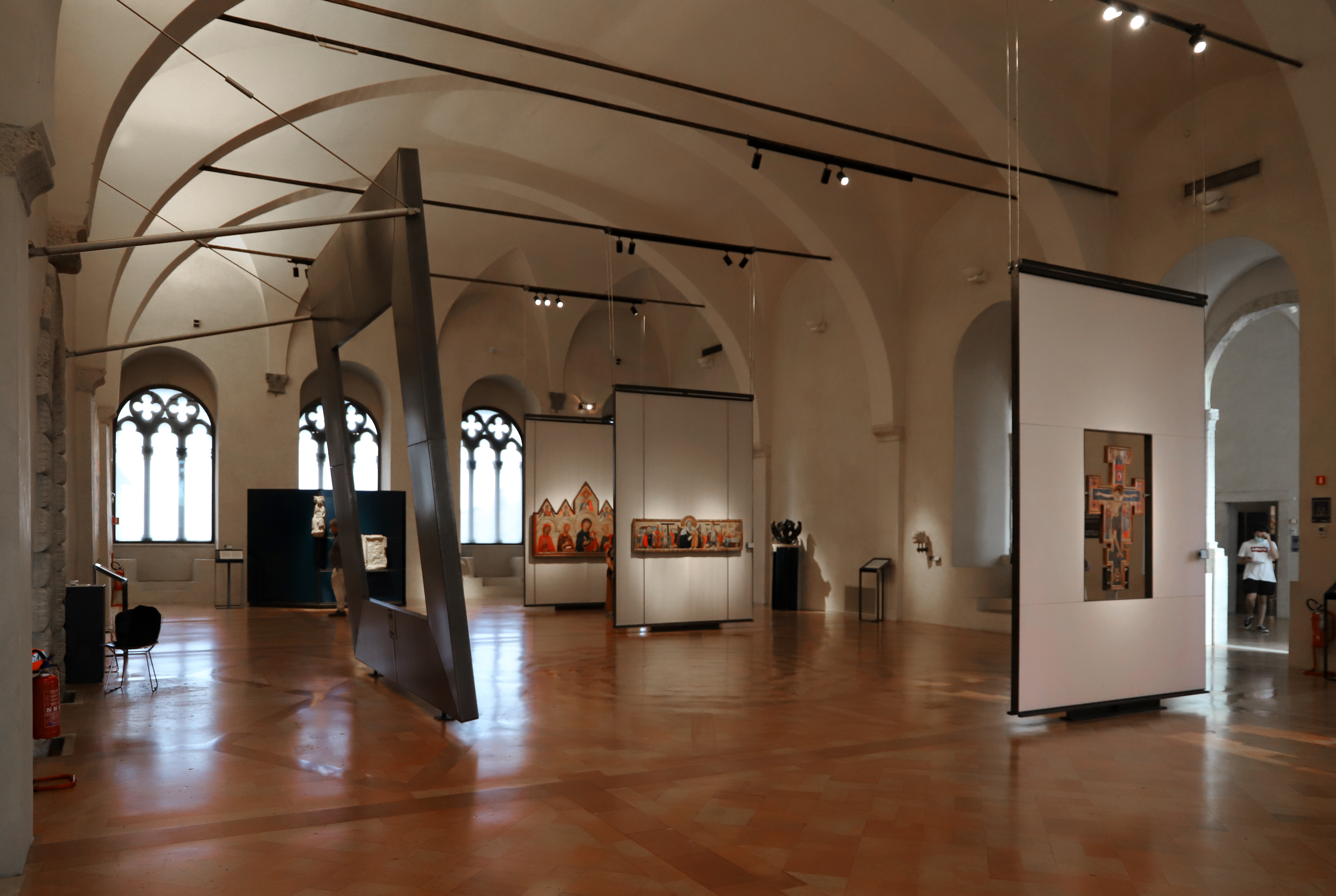
Donde los pinceles cuentan secretos de poder, traición y arte que desafía la gravedad.
Perugia is open year-round, 24 hours a day for walks through its streets, but museums and main sites such as the National Gallery of Umbria are generally open from 8:30 AM to 7:30 PM, Tuesday to Sunday. You can easily arrive by train from Rome or Florence via Perugia Fontivegge station, or by bus from nearby airports; for more details, visit the official tourism website Visit Perugia.
Most streets, squares, and Rocca Paolina are free to explore, but tickets to museums such as the National Archaeological Museum cost around 8 to 10 euros. Consider a Perugia Card for 13 euros, which includes unlimited access to several sites for 24 hours; check updated prices at Perugia Card.
For a basic immersion in its history and culture, spend at least one full day, but ideally 2 to 3 days to cover the historic center, museums, and a walk through the underground city. This allows you to enjoy its churches and panoramic views without rushing.
Perugia, an ancient Etruscan capital founded in the 6th century BC, is a treasure of Umbria with Roman, medieval, and Renaissance influences; the University of Perugia makes it a lively center of student culture. It stands out for events such as the International Jazz Festival and for its role in Italian history, including 19th-century unification.
Spring (April to June) and autumn (September to October) are ideal thanks to mild weather and fewer tourists, avoiding the summer heat and the crowds of July and August. Visit early in the morning to enjoy the soft light on its hills and avoid the midday bustle.
Perugia's historic center, with its steep hills and steps, presents challenges for wheelchair users, but there are elevators in Rocca Paolina and ramps at some sites such as San Lorenzo Cathedral. I recommend contacting the tourism service at +39 075 5736451 or checking guides at Perugia Tourism for adapted routes.
Near Perugia, just 20 km away, you will find Assisi, famous for Saint Francis and its basilica; or Gubbio, 40 km away, for an intact medieval town. Do not miss Lake Trasimeno, a 30-minute drive away, ideal for a relaxing day with beaches and lakeside villages.
Wear comfortable shoes for the slopes, try the local chocolate in shops near Corso Vannucci, and book guided tours for Etruscan history. Download the Umbria tourism app for offline maps and visit during the week for shorter museum lines.
¿Prefieres escuchar en español?
🇪🇸 Escucha la audioguía de the National Gallery of Umbria en español