Discover the history and secrets of this place with our audio guide.
The Basilica of Saint Anthony of Padua is open every day. Generally, opening hours are from 6:20 a.m. to 7:45 p.m. (or 7:00 p.m. in winter). It is advisable to check the exact times on the official website, as they may vary depending on the season or special events. The main entrance is usually open to the public. More details are available on the official Basilica website.
Admission to the Basilica of Saint Anthony of Padua is free. There is no charge to enter the Basilica. However, specific places such as the Antonian Museum or the Oratory of Saint George may require a ticket. You can confirm this on the Basilica's website.
For a complete and unhurried visit, including the cloisters and perhaps some of the main chapels, it is recommended to allow between 1.5 and 2 hours. If you only want to see the essentials, one hour may be enough. If you are interested in the museum, add extra time.
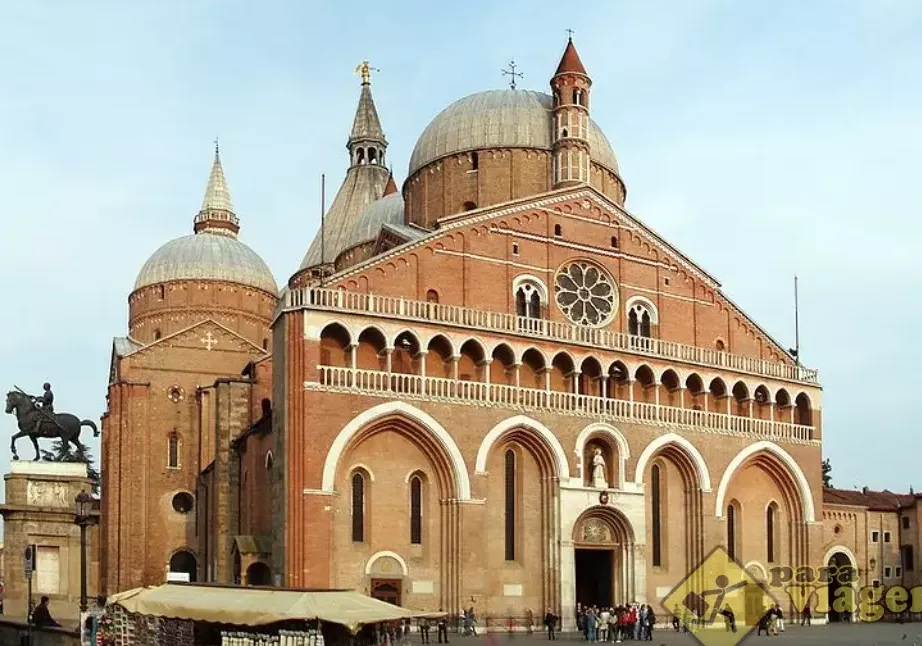
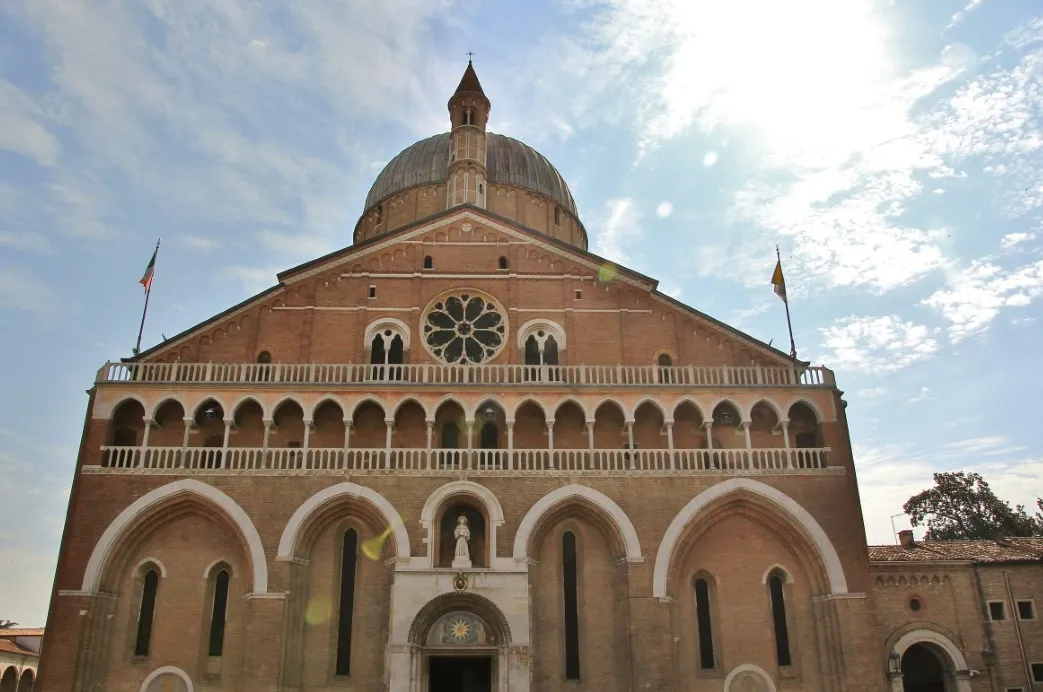
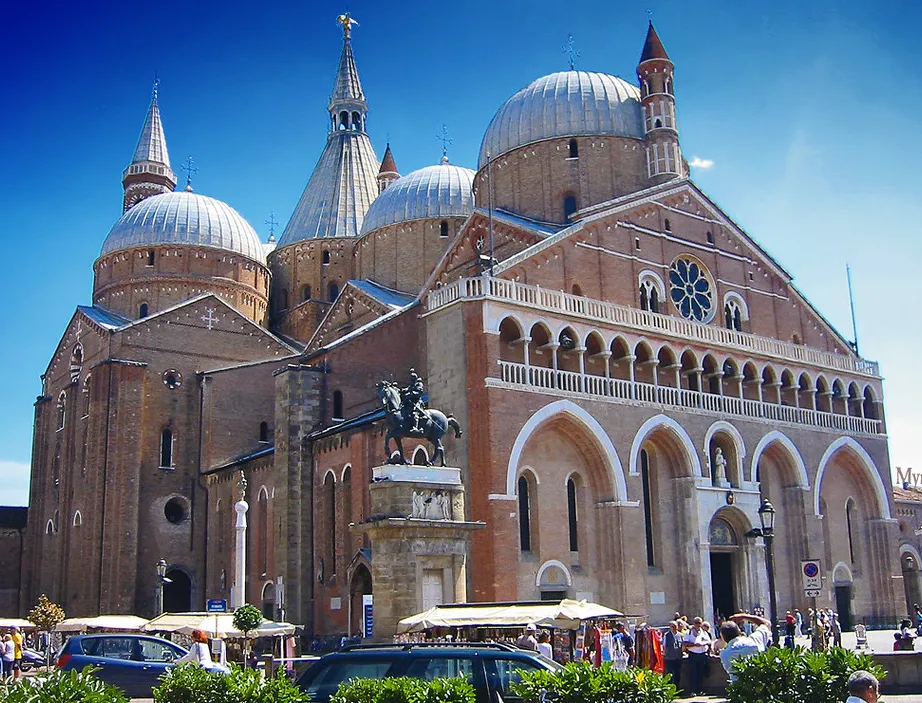
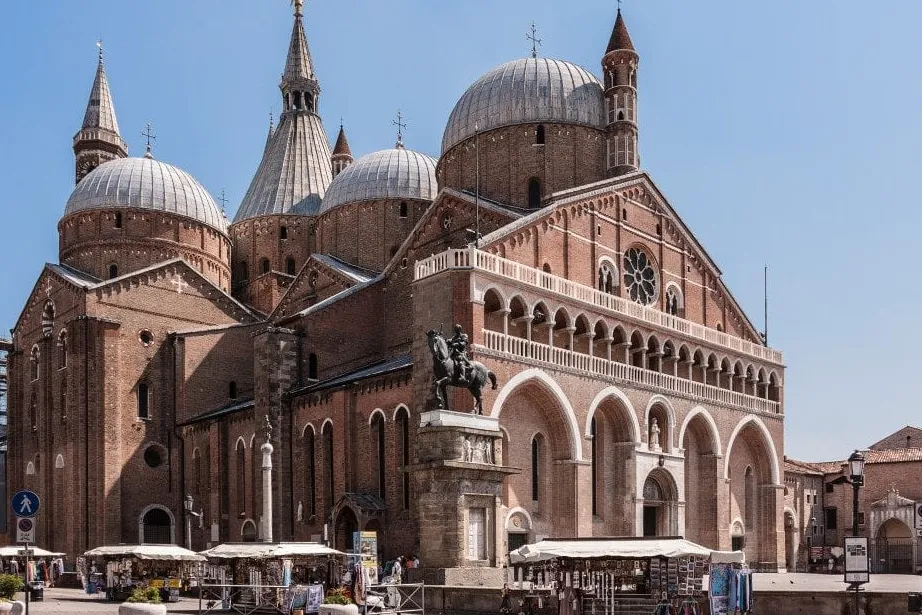
The Basilica of Saint Anthony of Padua is one of the most important shrines in Christianity and the main place of worship dedicated to Saint Anthony of Padua, whose relics are kept here. It is a worldwide pilgrimage center and an impressive example of Gothic and Romanesque architecture. Its construction began shortly after the saint's death in 1231.
To avoid the largest crowds, it is best to visit the Basilica early in the morning, just after opening, or late in the afternoon. Weekdays are usually less crowded than weekends. Avoid religious holidays, as these are peak times for pilgrims.
Yes, the Basilica of Saint Anthony of Padua strives to be accessible. There are ramps and elevators in several areas to facilitate access for people with reduced mobility and wheelchair users. It is recommended to contact the Basilica directly for specific details or particular needs through the contact information on the official website.
Very close to the Basilica, you can explore the University of Padua Botanical Garden, a UNESCO World Heritage Site, and Piazza delle Erbe, with its lively market. You can also visit Palazzo della Ragione and the Scrovegni Chapel, with frescoes by Giotto, although the latter requires advance booking. You can plan your visit with the help of the official Padua tourism website.
Wear respectful clothing, with shoulders and knees covered, as this is a sacred place. Consider renting an audio guide to better understand the history and art, if available, or download the one from IAudioguia. Keep quiet and be respectful toward worshippers and ceremonies. And do not forget to explore the beautiful cloisters.
¿Prefieres escuchar en español?
🇪🇸 Escucha la audioguía de the Basilica of Saint Anthony of Padua en español