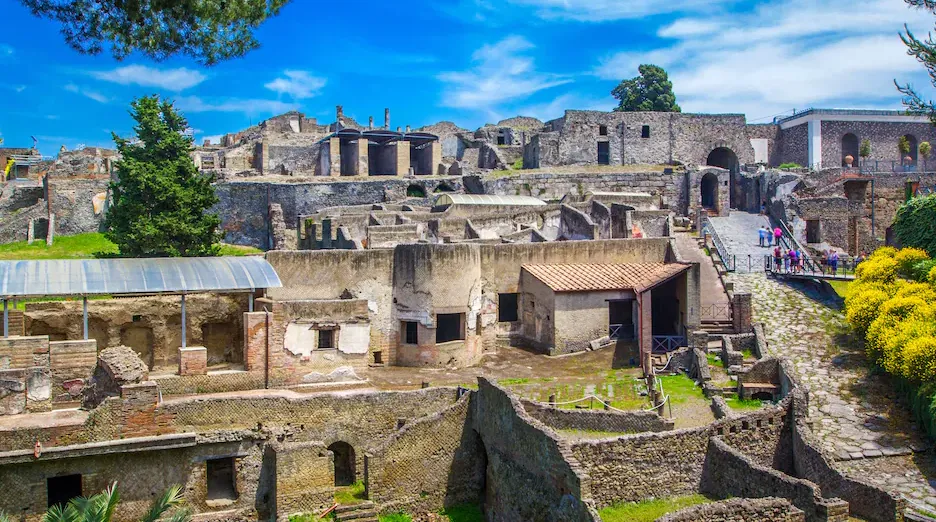
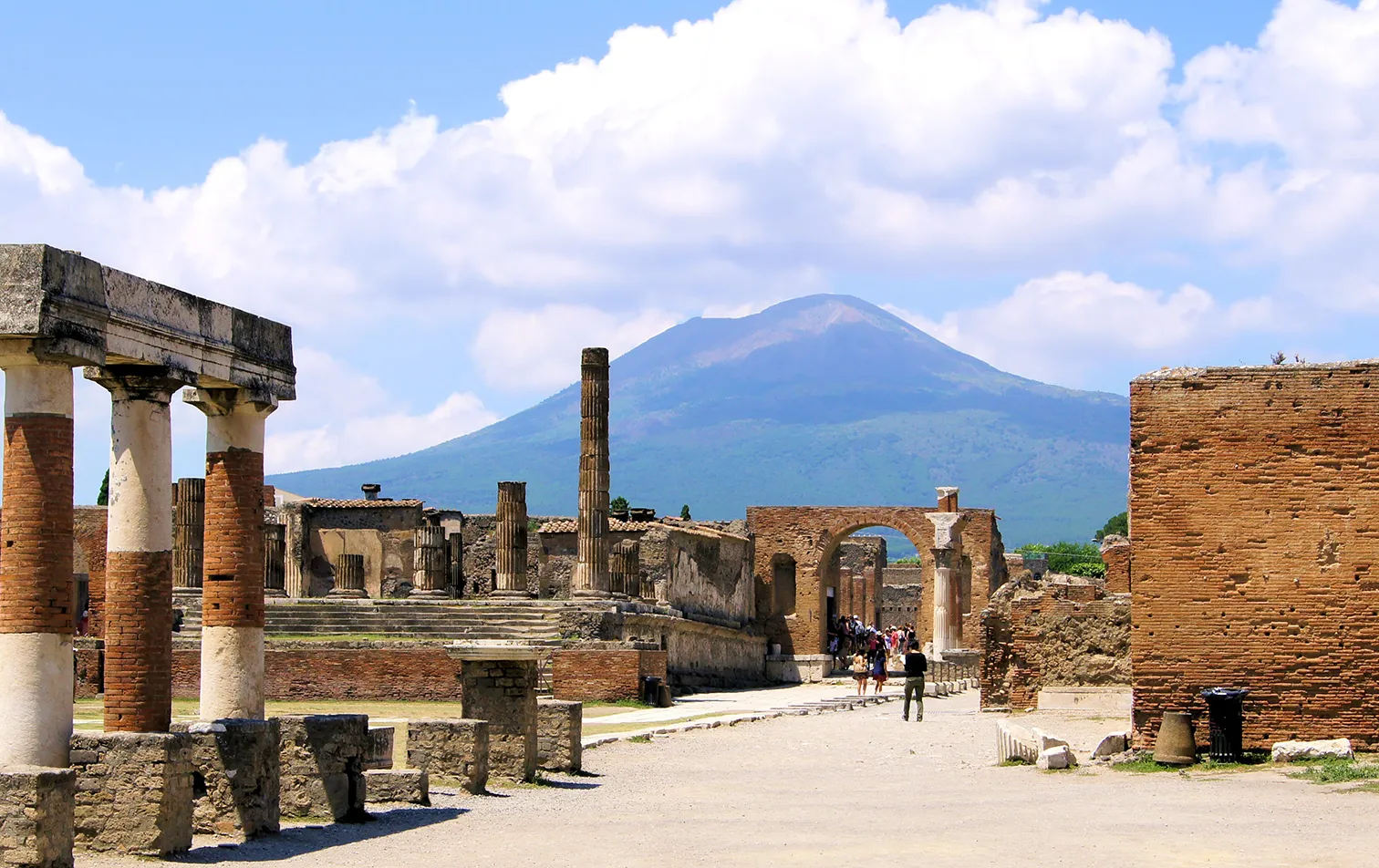
Discover the history, architecture, and secrets of the ancient Roman city of Pompeii, buried by the eruption of Mount Vesuvius.
The Pompeii Archaeological Park usually has opening hours that vary by season. From April 1 to October 31, it is open from 9:00 a.m. to 7:00 p.m. (last admission at 5:30 p.m.), and from November 1 to March 31, from 9:00 a.m. to 5:00 p.m. (last admission at 3:30 p.m.). You can get there by train on the Circumvesuviana line to the 'Pompei Scavi – Villa dei Misteri' stop. I always recommend checking the official website for any changes: Pompeii Hours and Tickets.
A standard adult ticket usually costs around 18 euros, with some discounts available for EU citizens between 18 and 25 years old. It is highly recommended to buy tickets online in advance to avoid long lines, especially in high season. You can do so through the official website: Buy Pompeii Tickets.
For a complete experience and to explore much of the site, I recommend allowing at least 4 to 5 hours. If you are a history enthusiast and want to explore at a relaxed pace or see temporary exhibitions, you may need a full day. Plan your route in advance using a map.
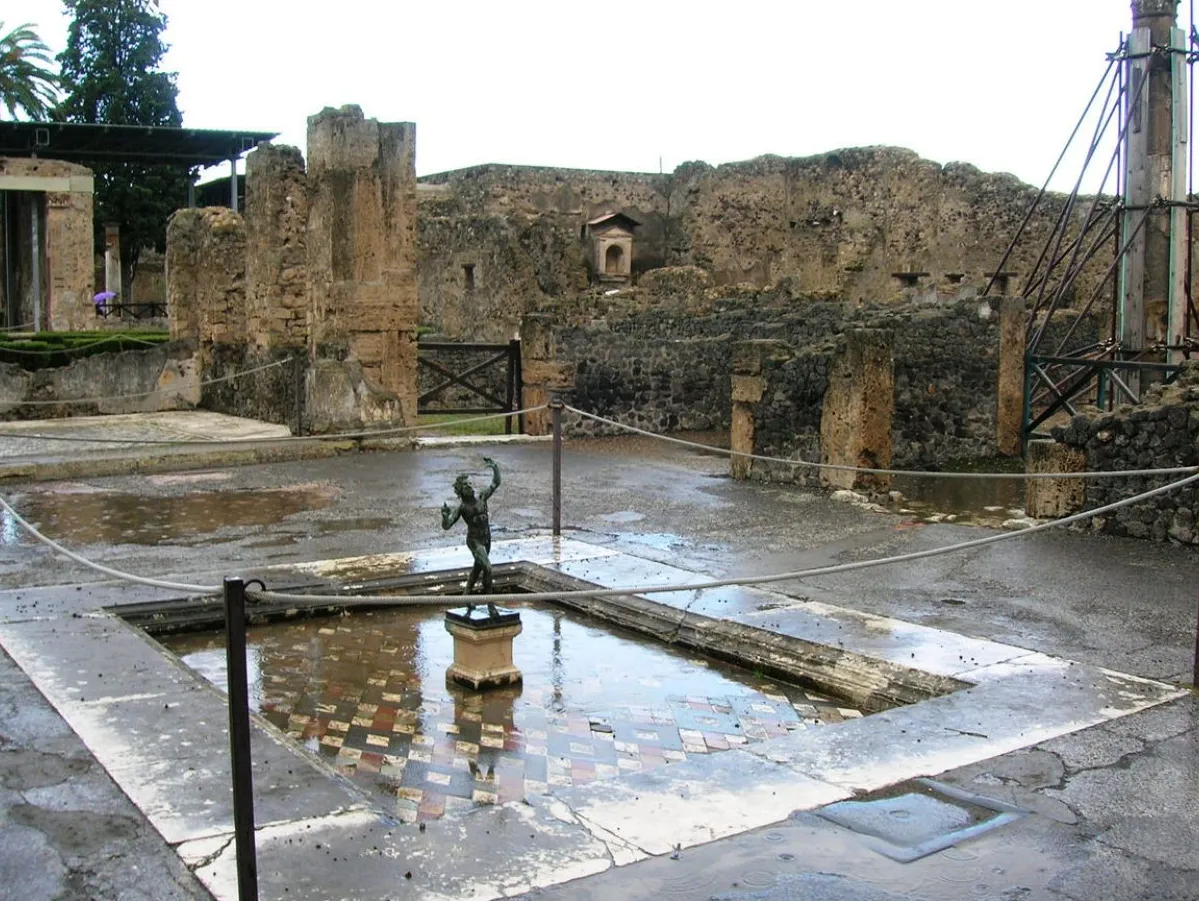
Pompeii is a unique window into the Roman world, astonishingly preserved beneath the ashes of Mount Vesuvius in AD 79. Its importance lies in the fact that it allows us to see the daily life, art, architecture, and urban organization of a Roman city as if time had stood still. It is an invaluable testimony to life two millennia ago.
The best time to visit Pompeii is in spring (April-May) or autumn (September-October), when the weather is pleasant and the crowds are smaller than in summer. If you go in high season, try to arrive early in the morning right at opening time, or late in the afternoon, to enjoy a quieter experience.
Pompeii has improved its accessibility in recent years, with designated routes for people with reduced mobility, known as 'Pompeii for All'. However, due to the ancient nature of the site (cobblestones, uneven streets), access can be challenging in some areas. I recommend checking the accessibility section on the official website for specific details about the available routes.
Very close to Pompeii, you can visit Herculaneum, another Roman city buried by Mount Vesuvius, which offers a different perspective and is often less crowded. You can also climb Mount Vesuvius to see the crater and enjoy panoramic views, or visit the beautiful Amalfi Coast and the fascinating Naples National Archaeological Museum, which houses many of the artifacts found in Pompeii.
Wear comfortable shoes, a hat, sunscreen, and bring plenty of water, as the site is large and there is little shade. Consider hiring an official guide or using an audio guide (like the ones we offer at iaudioguia.com) to better understand what you are seeing, as internal signage is limited. And most importantly, enjoy the magic of this ancient city!
¿Prefieres escuchar en español?
🇪🇸 Escucha la audioguía de the Pompeii Archaeological Park en español