No te vayas sin conocer la historia Suscribete
IAudioGuia iaudioguia
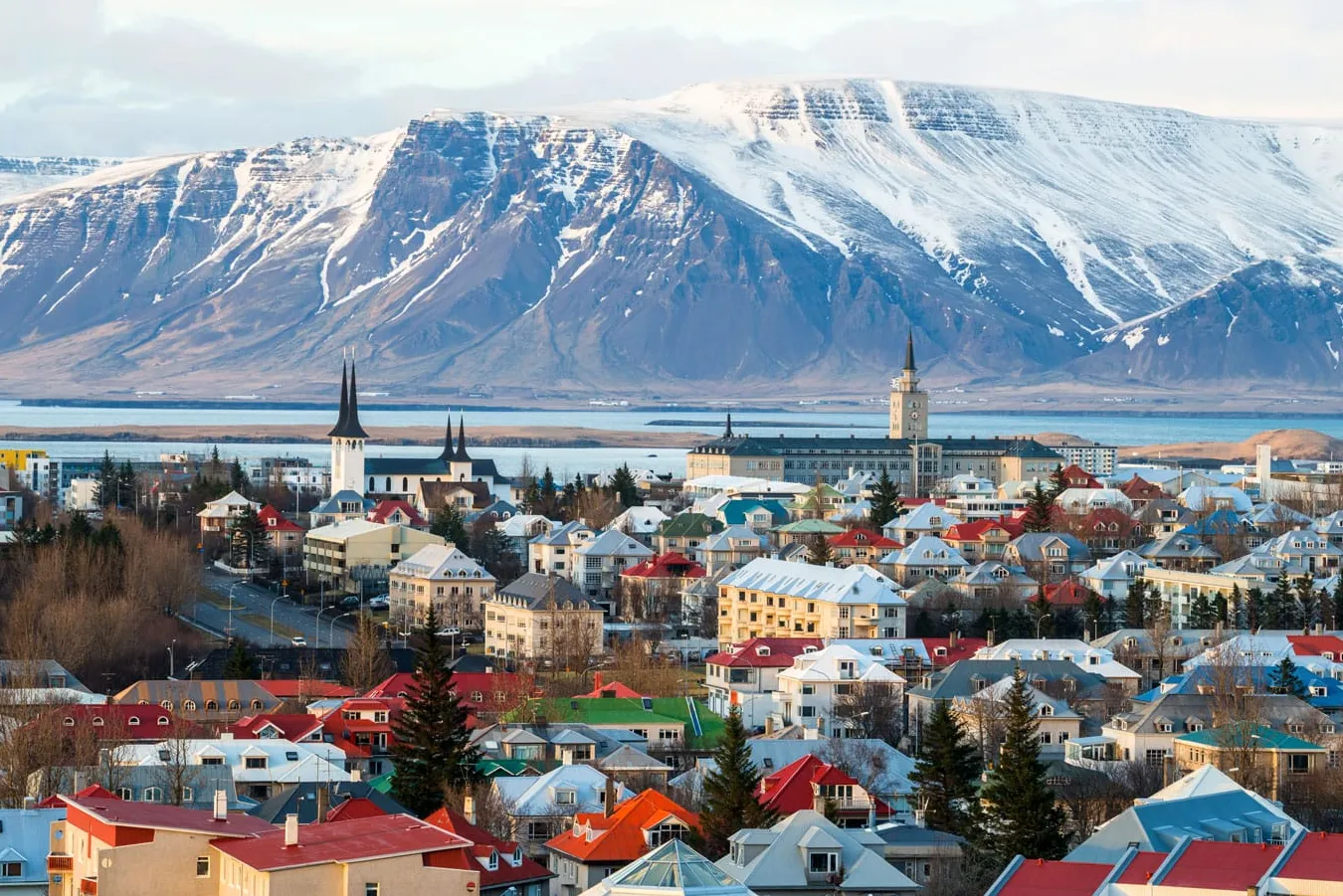
Audio Guides of Keflavik

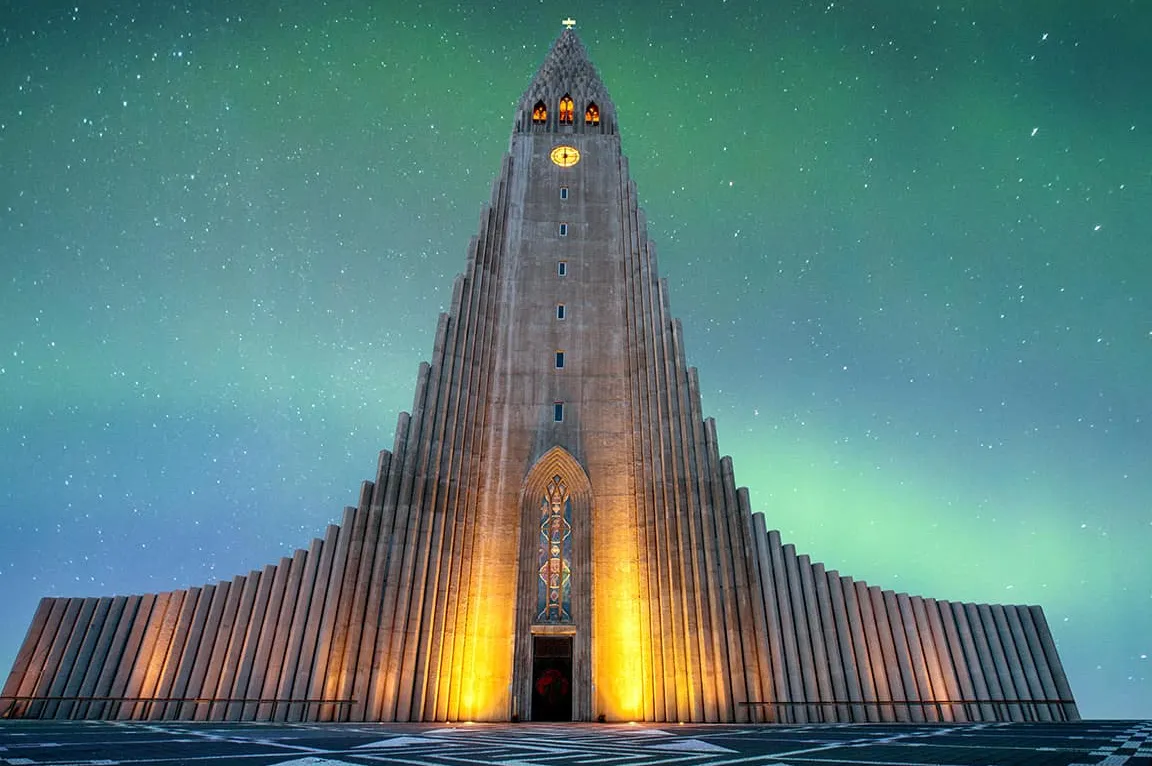
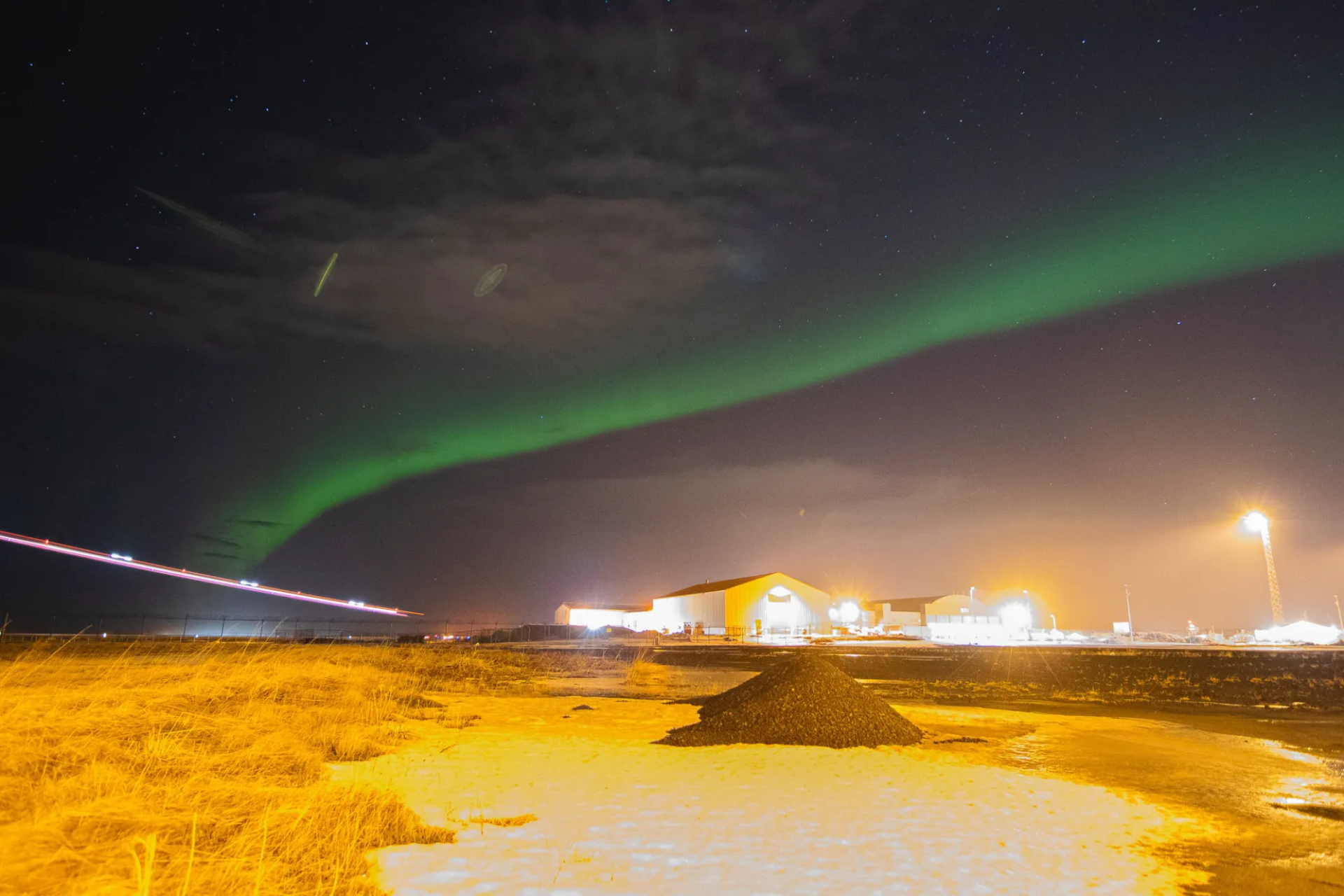
Audio Guide of the Northern Lights

Un enclave mágico en Keflavik donde el cielo islandés se transforma en un lienzo de colores danzantes, invitando a descubrir las auroras boreales en su esplendor natural.

✓ What guidebooks don't tell you
✓ Secrets other tourists miss
✓ Listen while you explore
Discover everything
00:00
00:00
Rate this audio guide

📖 Audio Guide Chapters

6 chapters

1. Introduction and History

🔒 Premium Content

Subscribe to access all chapters of this audio guide.

2. Architecture and Design

🔒 Premium Content

Subscribe to access all chapters of this audio guide.

3. Art and Decoration

🔒 Premium Content

Subscribe to access all chapters of this audio guide.

4. Historical Figures

🔒 Premium Content

Subscribe to access all chapters of this audio guide.

5. Curiosities and Legends

🔒 Premium Content

Subscribe to access all chapters of this audio guide.

6. Cultural Importance and Legacy

🔒 Premium Content

Subscribe to access all chapters of this audio guide.

❓ Frequently Asked Questions

What are the best times to see the Northern Lights in Keflavík and how do I get there?

As a natural phenomenon, there are no opening hours or ticket booths; the sky is your admission. The auroras usually appear most intensely between 9:00 PM and 2:00 AM, and you can easily reach good viewing spots by rental car, driving away from light pollution toward areas such as Garður Lighthouse.

How much does it cost to see the Northern Lights?

Seeing them on your own is completely free; nature charges no admission. If you prefer an expert guide who knows how to chase the best spots, organized tours usually range from €50 to €150 depending on whether you go by bus or private jeep.

How much time should I set aside for this nighttime visit?

I recommend allowing at least 3 to 4 hours per night. Aurora chasing requires patience; the spectacle can last from a few fleeting minutes to hours of dancing across the sky, and travel time from Keflavík is part of the experience.

What is the significance or myth behind these lights in Iceland?

Beyond the scientific explanation of solar particles, for ancestral Icelanders they held a mystical meaning, sometimes foretelling the weather or being associated with spirits. They are a symbol of national identity that connects the island with cosmic forces.

What is the best time of year to see them in this area?

The high season runs from late September to early April, when the nights are dark and long. January and February are often ideal because of the darkness, although temperatures are lower; try to avoid full-moon nights for better visibility.

Is the area accessible for people with reduced mobility?

Yes, it is quite accessible. Many of the best viewing points near Keflavík, such as coastal parking areas, let you enjoy the spectacle without leaving the vehicle or have flat paved areas ideal for wheelchairs.

What other attractions can I visit near Keflavík before night falls?

You are in a privileged location; you can visit the famous Blue Lagoon to relax before nightfall, or discover local history at Viking World, both very close to the airport and the town.

What practical advice would you give me for successfully seeing the lights?

Do not rely on luck alone; always check the official forecast on Vedur.is to track solar activity and cloud cover. Also, dress in layers and bring a tripod if you want sharp photos; the Icelandic wind shows no mercy.

¿Prefieres escuchar en español?

🇪🇸 Escucha la audioguía de the Northern Lights en español