No te vayas sin conocer la historia Suscribete
IAudioGuia iaudioguia
Audio Guides of Jokulsarlon

Audio Guide of Jökulsárlón Glacier Lagoon

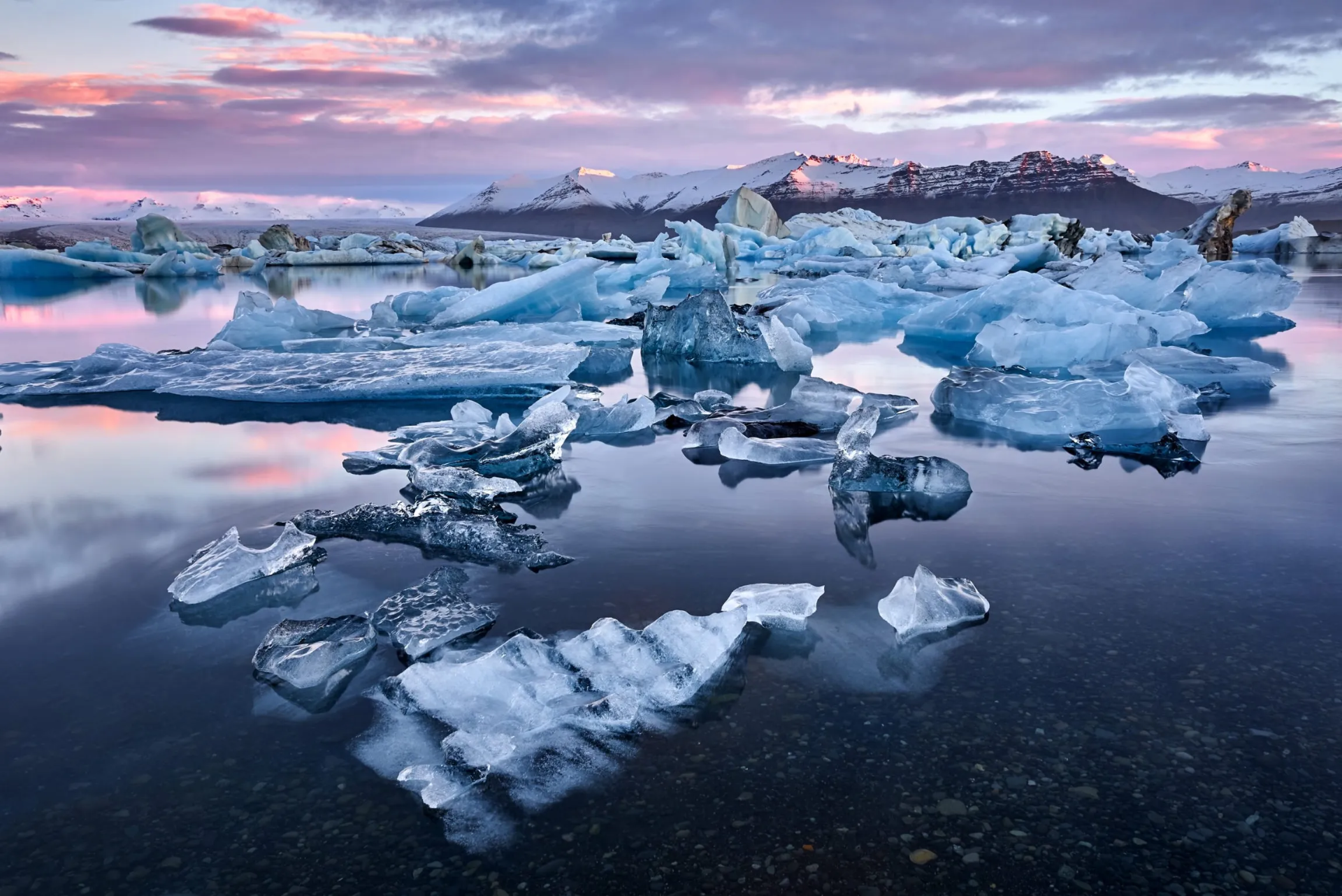
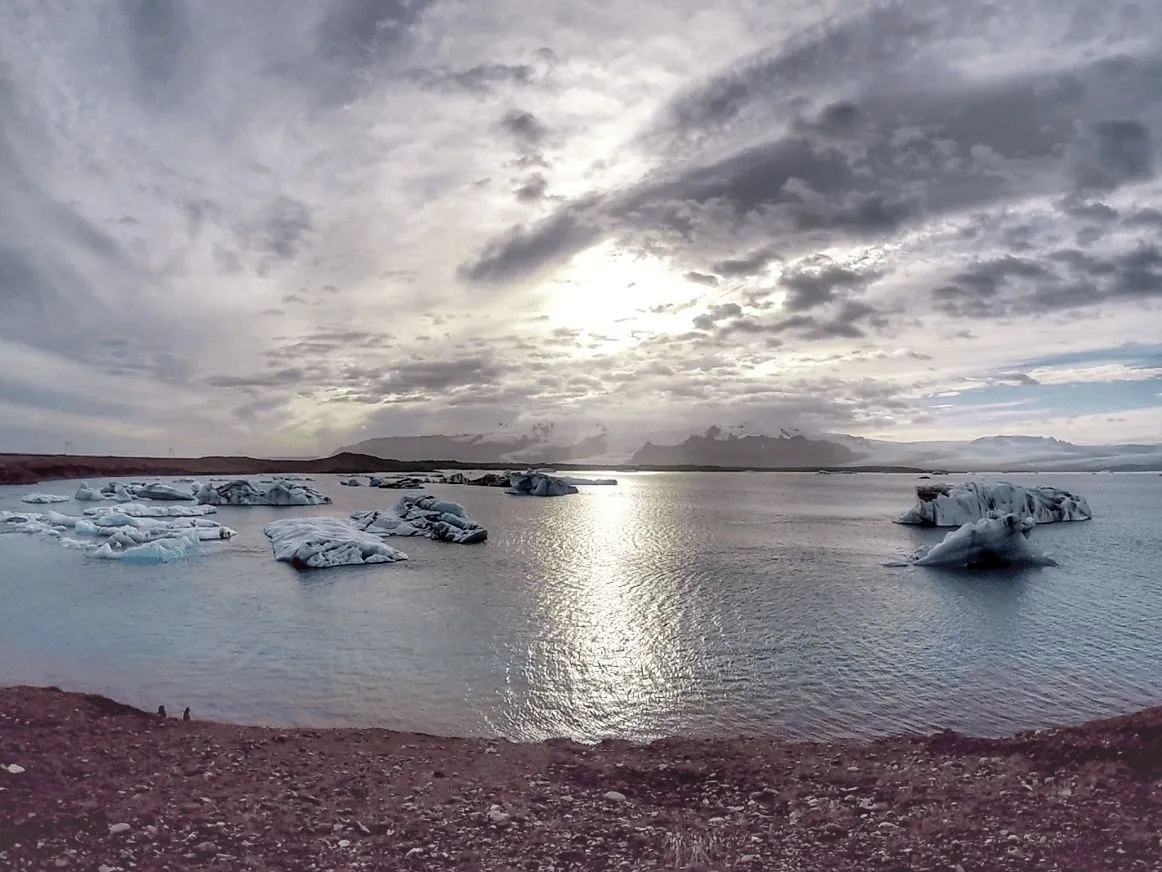
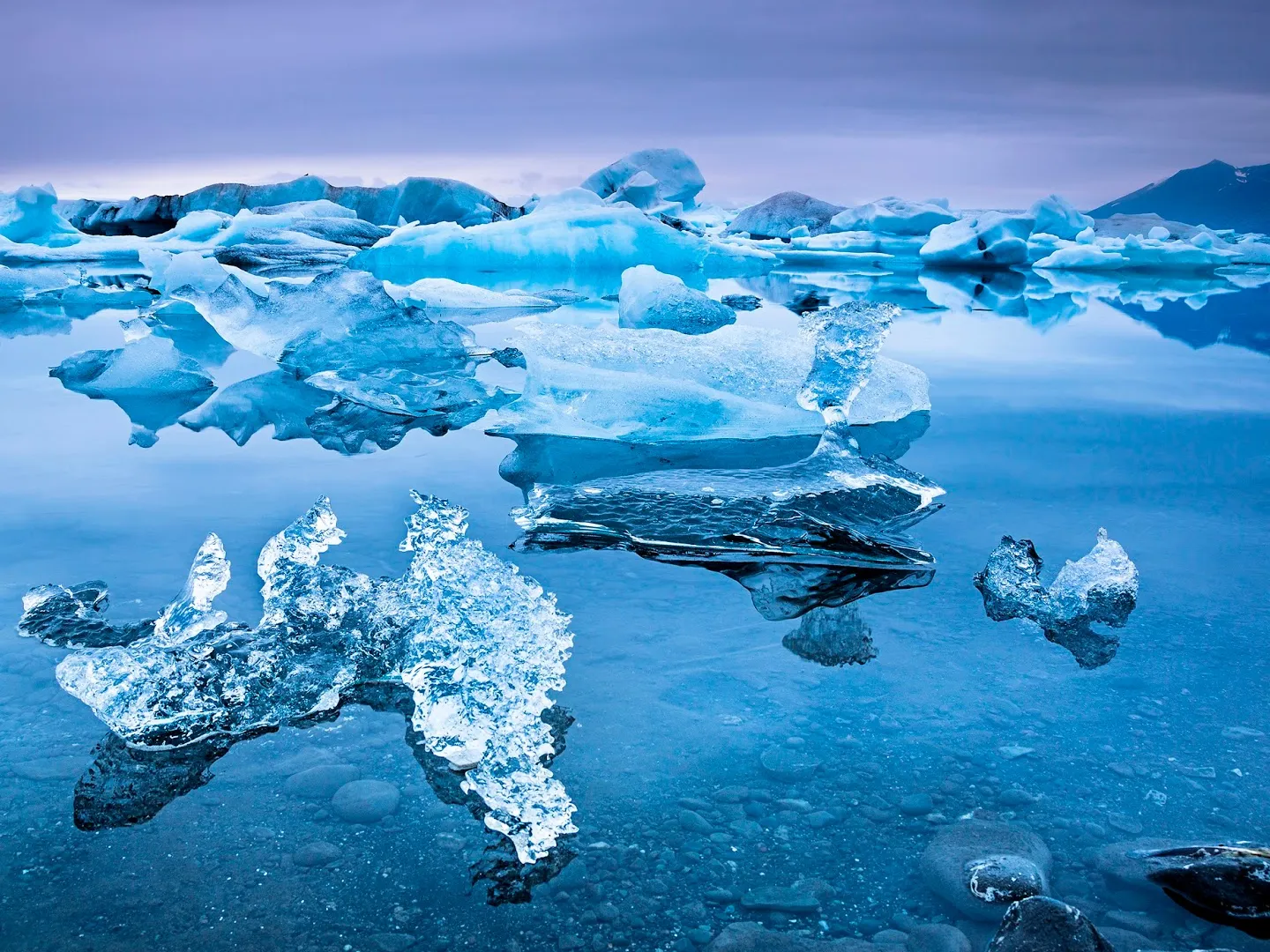
Espectáculo natural en el sureste de Islandia donde icebergs del glaciar Vatnajökull flotan en una laguna de aguas turquesas, rodeada de paisajes dramáticos y la famosa Playa de Diamantes.

✓ What guidebooks don't tell you
✓ Secrets other tourists miss
✓ Listen while you explore
Discover everything
00:00
00:00

📖 Audio Guide Chapters

6 chapters

1. Introduction and History

🔒 Premium Content

Subscribe to access all chapters of this audio guide.

2. Architecture and Design

🔒 Premium Content

Subscribe to access all chapters of this audio guide.

3. Art and Decoration

🔒 Premium Content

Subscribe to access all chapters of this audio guide.

4. Historical Figures

🔒 Premium Content

Subscribe to access all chapters of this audio guide.

5. Curiosities and Legends

🔒 Premium Content

Subscribe to access all chapters of this audio guide.

6. Cultural Importance and Legacy

🔒 Premium Content

Subscribe to access all chapters of this audio guide.

❓ Frequently Asked Questions

When is Jökulsárlón open and how can I get there?

The glacier lagoon is open 24 hours a day all year round, as it is a natural phenomenon. It is easily reached from the Ring Road (Route 1), 60 km from Höfn. Amphibian boat and zodiac tours (May-October) run on a regular schedule; check icelagoon.is. In winter, check road conditions at road.is.

Is it free to visit Jökulsárlón Glacier Lagoon?

Yes, access to the lagoon is completely free. You only pay if you book an amphibian boat tour (from €65) or a zodiac tour (from €85). Tour tickets can be booked at guidetoiceland.is.

How much time is needed to visit the site?

Most visitors spend 1-2 hours seeing the lagoon and walking along the shore. If you take a boat tour (+30-60 minutes), allow around 3 hours. It is ideal to combine it with Diamond Beach (500 m away), which requires an additional 30-40 minutes.

Does this glacier have any special significance?

Jökulsárlón is Iceland’s deepest glacier lagoon (260 m) and a symbol of climate change: it formed in 1934 when the Breiðamerkurjökull glacier retreated. Its icebergs are fragments of ice up to 1,000 years old.

What is the best time to visit Jökulsárlón?

Summer (June-August) offers better weather and boat tours. May and September are good for fewer crowds. Winter offers northern lights over the ice (December-February), but access is more difficult. Avoid stormy days by checking vedur.is.

Is it accessible for people with reduced mobility?

The main paths are gravel or compacted dirt and may be difficult for wheelchairs. Amphibian tours (not zodiac tours) have ramps but require assistance. Contact +354 478 2222 in advance if you need specific help.

What other places can I see near the glacier lagoon?

Just 5 minutes away is Diamond Beach (icebergs on a black-sand beach). In 30 minutes: Skaftafell (national park). In 1 hour: Höfn (the best place to eat lobster). 50 km west: the icebergs of Fjallsárlón.

What tips would you give to make the most of the visit?

1️⃣ Wear thermal layers and waterproof footwear (the wind is extreme!) 2️⃣ Bring binoculars to spot seals on the icebergs 3️⃣ Download an offline map (there is no signal) 4️⃣ Do not walk on floating ice. More safety information at safetravel.is.

¿Prefieres escuchar en español?

🇪🇸 Escucha la audioguía de Jökulsárlón Glacier Lagoon en español