No te vayas sin conocer la historia Suscribete
IAudioGuia iaudioguia
Audio Guides of Budapest

Budapest Central Market Hall Audio Guide

Discover the history and secrets of this place with our audio guide.

✓ What guidebooks don't tell you
✓ Secrets other tourists miss
✓ Listen while you explore
Discover everything
00:00
00:00

📖 Audio Guide Chapters

7 chapters

1. Introduction

🔒 Premium Content

Subscribe to access all chapters of this audio guide.

2. History of the Market

🔒 Premium Content

Subscribe to access all chapters of this audio guide.

3. Architecture and Design

🔒 Premium Content

Subscribe to access all chapters of this audio guide.

4. Local Products and Specialties

🔒 Premium Content

Subscribe to access all chapters of this audio guide.

5. Cultural Experiences

🔒 Premium Content

Subscribe to access all chapters of this audio guide.

6. Visitor Tips

🔒 Premium Content

Subscribe to access all chapters of this audio guide.

7. Conclusion

🔒 Premium Content

Subscribe to access all chapters of this audio guide.

❓ Frequently Asked Questions

What are the opening hours of Budapest Central Market Hall, and how can I get there easily?

The market opens Monday to Friday at 6:00 a.m., closing on Mondays at 5:00 p.m., from Tuesday to Friday at 6:00 p.m., and on Saturdays at 3:00 p.m.; it is closed on Sundays. To get there, the most convenient option is to take Metro line M4 or trams 2, 47, or 49 to the stop Fővám Square, which drops you right at the entrance.

Do I have to pay admission to visit Central Market Hall, or is entry free?

Entry to the building is completely free, so you can go in and enjoy its architecture at no cost. You will only need a budget if you decide to buy local products, souvenirs, or try Hungarian cuisine at the stalls on the upper floor.

How much time is recommended to explore Budapest Central Market Hall?

For a complete visit that includes seeing the architecture, exploring the ground-floor stalls and the basement, and perhaps having a snack upstairs, we recommend setting aside between 1 and 1.5 hours. If you are short on time, 45 minutes is enough for a quick walk-through and to capture the essence of the place with our audio guide.

What makes Central Market Hall so special, and what is its historical importance?

Opened in 1897, it is the largest and oldest covered market in Budapest, famous for its impressive steel structure and colorful Zsolnay tile roof. It is a symbol of the city's prosperity at the end of the 19th century and survived severe damage during World War II before being restored to its current glory.

What is the best time of day or week to visit the market and avoid crowds?

To avoid tourist crowds, the ideal time is from Tuesday to Friday early in the morning, between 8:00 and 10:00 a.m., when the atmosphere feels more local. Avoid going right at lunchtime (12:00-1:00 p.m.) or on Saturday mid-morning if you prefer a quieter experience.

Is Central Market Hall accessible for people with reduced mobility or wheelchairs?

Yes, the building is accessible; it has wide passageways on the main floor and elevators located at the corners to reach both the basement (where the supermarket and pickles are) and the first floor. However, keep in mind that the upper floor can feel narrow when it is very crowded.

What other tourist attractions can I visit near Budapest Central Market Hall?

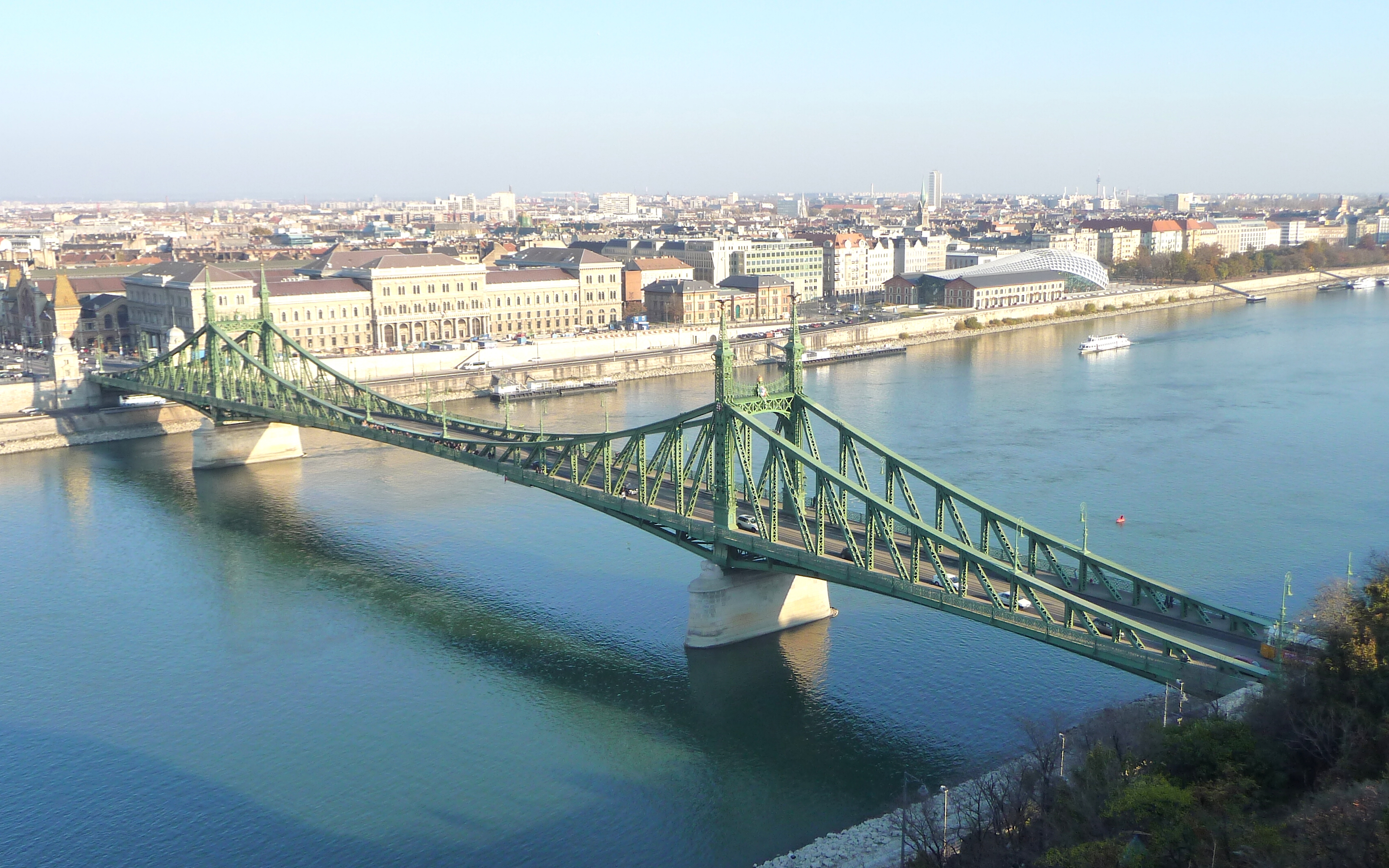
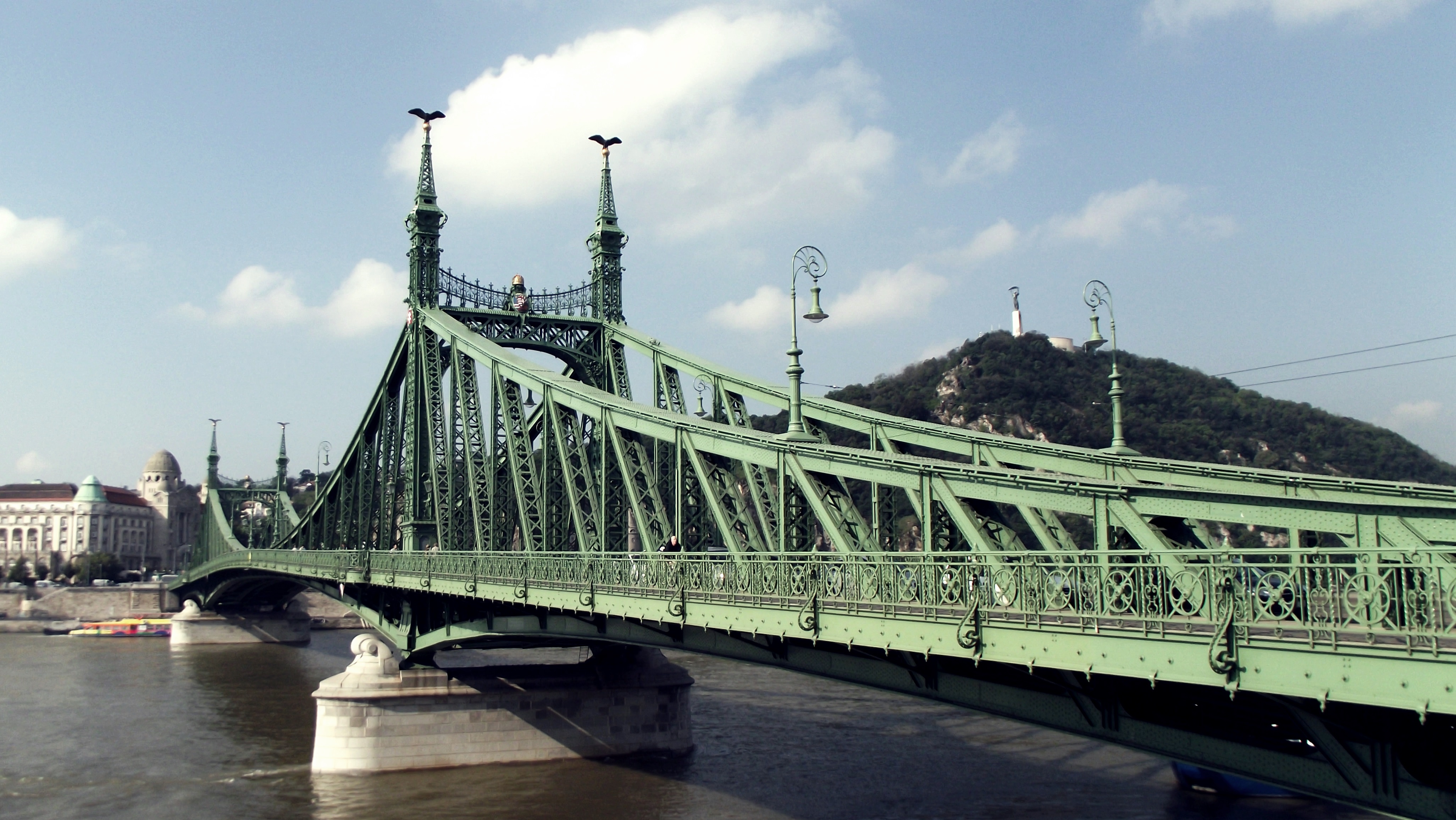
Just outside you will find the famous Liberty Bridge and the beginning of the popular shopping street Váci Street. In addition, crossing the bridge puts you just a short walk from the historic Gellért Baths and Corvinus University.

What practical tips would you give me for eating and shopping at Central Market Hall?

Bring some cash (Hungarian forints/HUF), as some smaller stalls do not accept cards, and do not leave without trying a lángos on the upper floor. A secret tip: visit the basement to see the famous 'smiling pickles'—it is a unique visual and sensory experience.

¿Prefieres escuchar en español?

🇪🇸 Escucha la audioguía de Budapest Central Market Hall Audio Guide en español