No te vayas sin conocer la historia Suscribete
IAudioGuia iaudioguia
Audio Guides of El Progreso

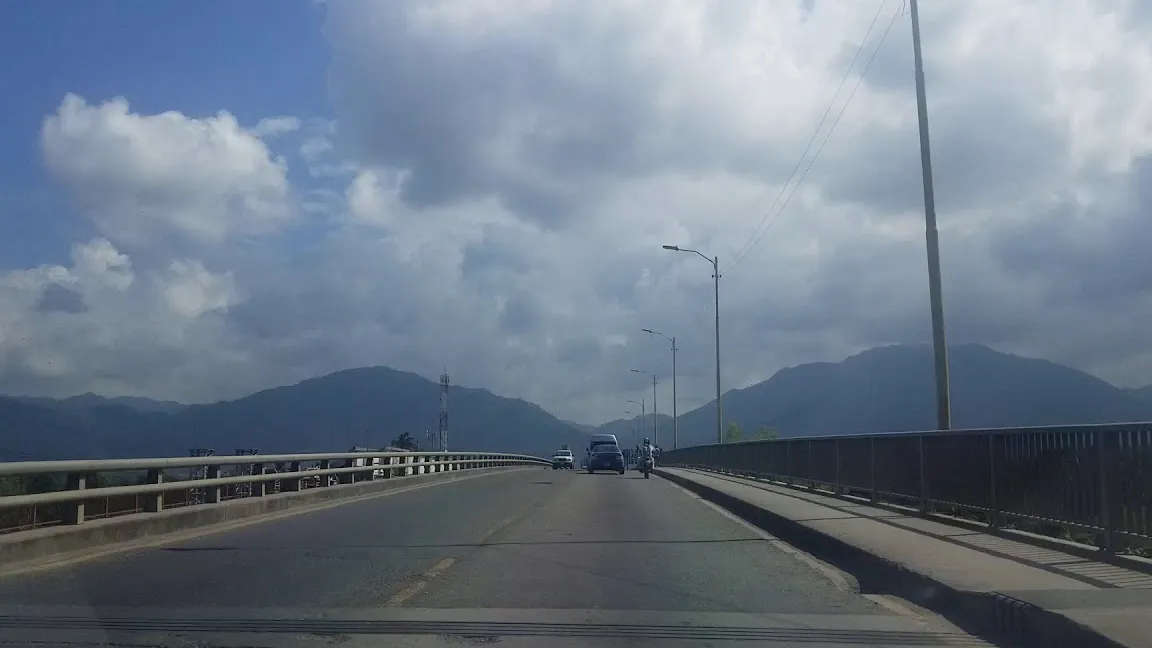
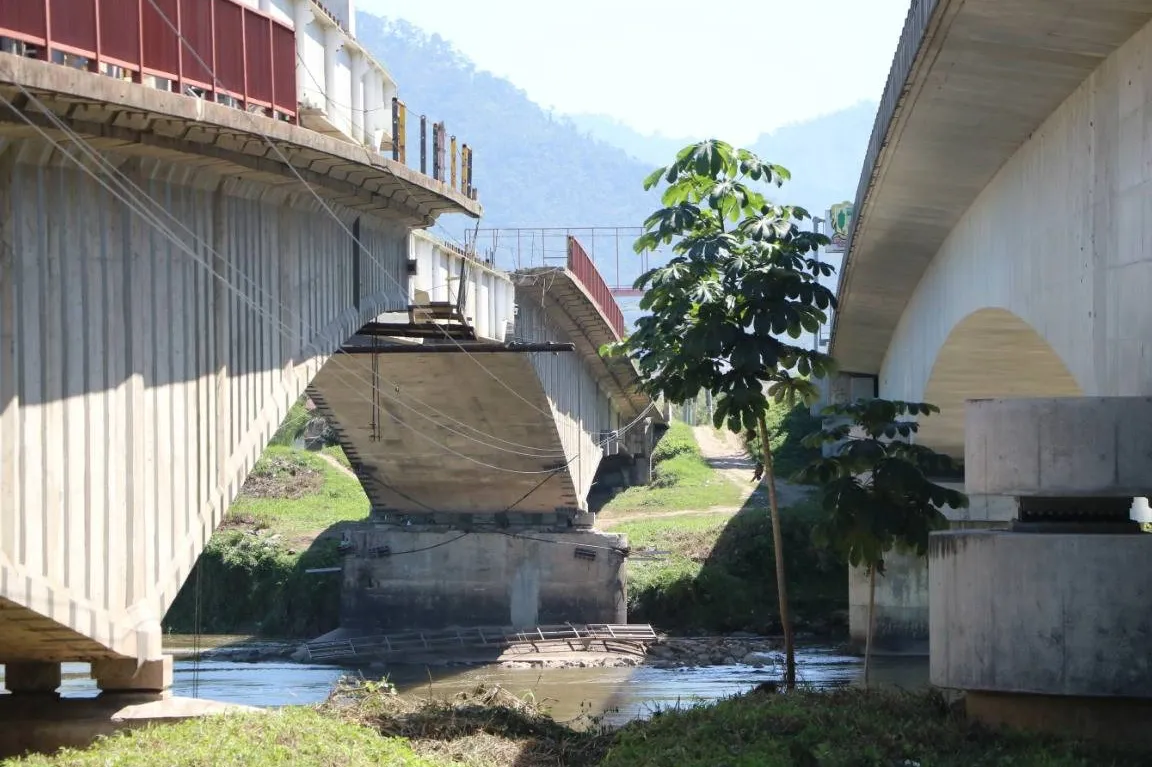
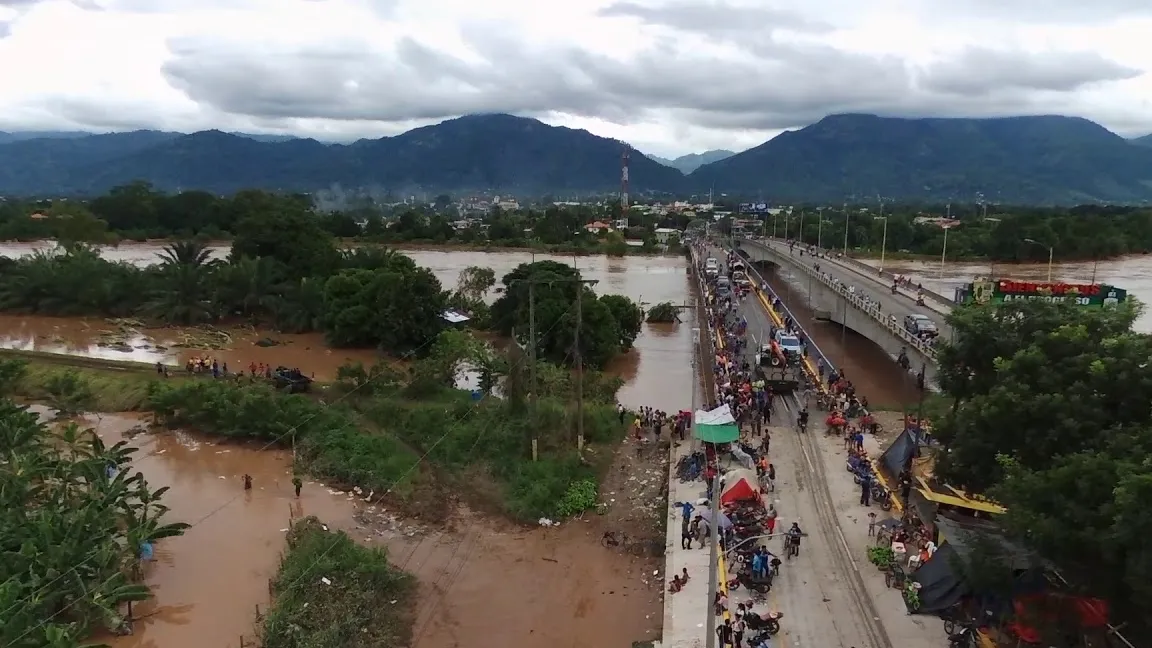
Audio Guide of Democracy Bridge

Donde los secretos del río Ulúa se encuentran con las pisadas impacientes del progreso - y alguna que otra vaca rebelde.

✓ What guidebooks don't tell you
✓ Secrets other tourists miss
✓ Listen while you explore
Discover everything
00:00
00:00

📖 Audio Guide Chapters

6 chapters

1. The day a cow stopped progress—literally

🔒 Premium Content

Subscribe to access all chapters of this audio guide.

2. The concrete scars that speak

🔒 Premium Content

Subscribe to access all chapters of this audio guide.

3. Sighs and protests over the Ulúa

🔒 Premium Content

Subscribe to access all chapters of this audio guide.

4. The ghost of the lovesick bricklayer

🔒 Premium Content

Subscribe to access all chapters of this audio guide.

5. Find the rebellious metal rose

🔒 Premium Content

Subscribe to access all chapters of this audio guide.

6. Touch the memory before you leave

🔒 Premium Content

Subscribe to access all chapters of this audio guide.

❓ Frequently Asked Questions

What are the opening hours and how can I get to Democracy Bridge in El Progreso?

Democracy Bridge is open 24 hours a day as a public outdoor attraction, but it is recommended to visit during daylight hours for better safety and visibility, ideally from 8:00 a.m. to 6:00 p.m. To get there, take Highway CA-13 from San Pedro Sula to El Progreso; the bridge is located in the city center and is accessible on foot or by vehicle. More details can be found on the official website of the Honduran Tourism Institute: iht.hn.

Is there an admission fee to visit Democracy Bridge, or is it free?

Visiting Democracy Bridge is completely free, as it is a public monument accessible to all tourists. No tickets or additional payments are required, although if you hire a local guide, there may be a negotiable fee of around 100 to 200 lempiras per hour.

How much time is needed to visit Democracy Bridge?

It is recommended to allow between 30 minutes and 1 hour for a complete visit, including time to walk across the bridge, take photos, and read the historical plaques. If you go with a guide, it could extend to 1.5 hours for a more detailed explanation.

What is the history or cultural importance of Democracy Bridge?

Built in 1935 during the dictatorship of Tiburcio Carías Andino, the iron bridge symbolizes a milestone in Honduras's infrastructure and was renamed 'Democracy' in 1980 to commemorate the country's transition toward democracy. It represents the resilience of El Progreso and is a local emblem of progress and community unity. For more history, see El Progreso on Wikipedia.

What is the best time of year or day to visit Democracy Bridge?

The best time is during the dry season from November to April, when the weather is sunny and pleasant, avoiding the rains from May to October. Choose early morning or late afternoon to enjoy ideal natural light for photos and less heat, around 8:00 a.m. or 4:00 p.m.

Is Democracy Bridge accessible for people with reduced mobility?

The bridge has stairs and uneven old metal surfaces, which makes it not very accessible for wheelchairs or people with reduced mobility; there are no installed ramps. It is suggested to visit the surrounding ground-level areas or contact El Progreso City Hall at +504 2235-2000 for alternative options or assistance.

What other attractions are near Democracy Bridge?

Near the bridge, you can visit the Cathedral of the Immaculate Conception in downtown El Progreso, just a 5-minute walk away, or Central Park for a relaxing stroll. You can also explore the Los Naranjos Mayan ruins, about 30 minutes away by car. More ideas are available at TripAdvisor El Progreso.

What are some practical tips to make the most of my visit to Democracy Bridge?

Wear comfortable shoes for walking on the metal structure and sunscreen, as there is no shade on the bridge; also consider a local guide for interesting anecdotes. Visit in a group for safety and combine your trip with lunch at a nearby restaurant serving typical pupusas. For updates, call local tourism at +504 2235-2000.

¿Prefieres escuchar en español?

🇪🇸 Escucha la audioguía de Democracy Bridge en español