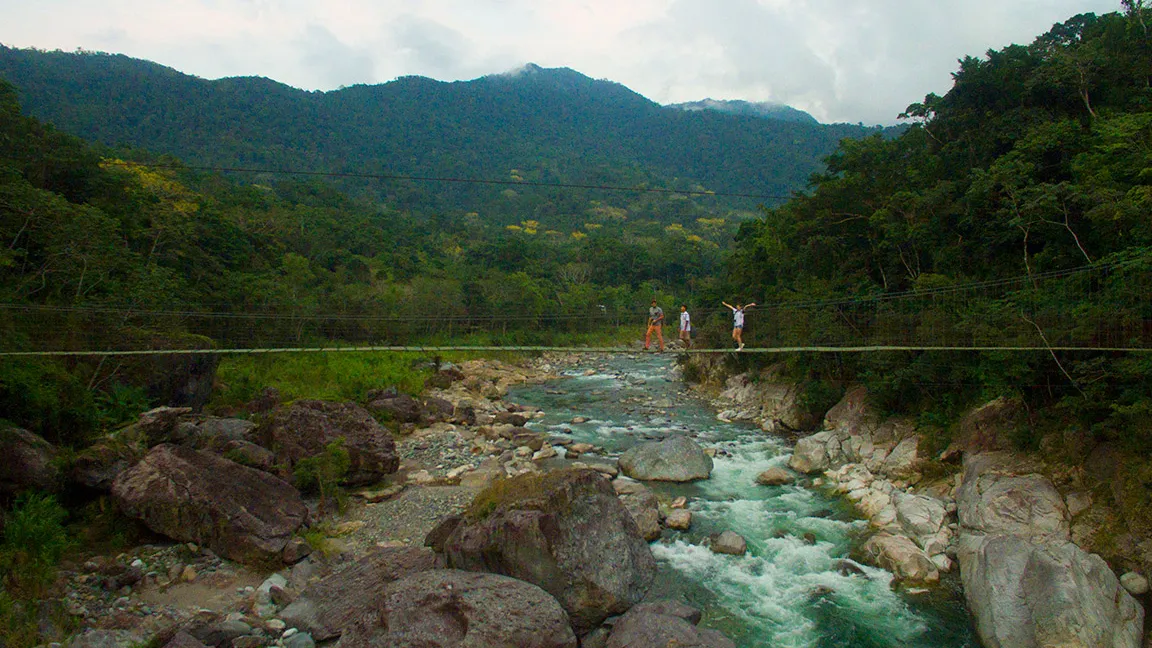
A natural paradise in Honduras, home to extraordinary biodiversity and breathtaking landscapes.
Pico Bonito National Park does not have fixed entry hours like a museum, as access depends on daylight and local regulations. Visitors usually enter through nearby visitor centers or eco-lodges, such as the Cangrejal River Basin Visitor Center. We recommend contacting them directly to arrange your visit and transportation. You can find more information on the Honduras Tourism Office website.
Yes, there is generally an entrance fee to visit Pico Bonito National Park, especially if you access it through protected or concession-managed areas, such as trails and suspension bridges operated by eco-lodges. The cost may vary depending on the access point and the activities you want to do. We recommend confirming current prices directly with local tour operators or visitor centers. For example, you can contact Rainforest Adventures Honduras, which offers tours and access.
The length of your visit to Pico Bonito can vary greatly depending on your interests. For a short hike and time in nature, half a day may be enough. However, if you want to explore longer trails, swim in waterfalls, or even go rafting on the Cangrejal River, I would recommend setting aside a full day or even two, with an overnight stay nearby. There are many routes and activities for different energy levels and time frames.
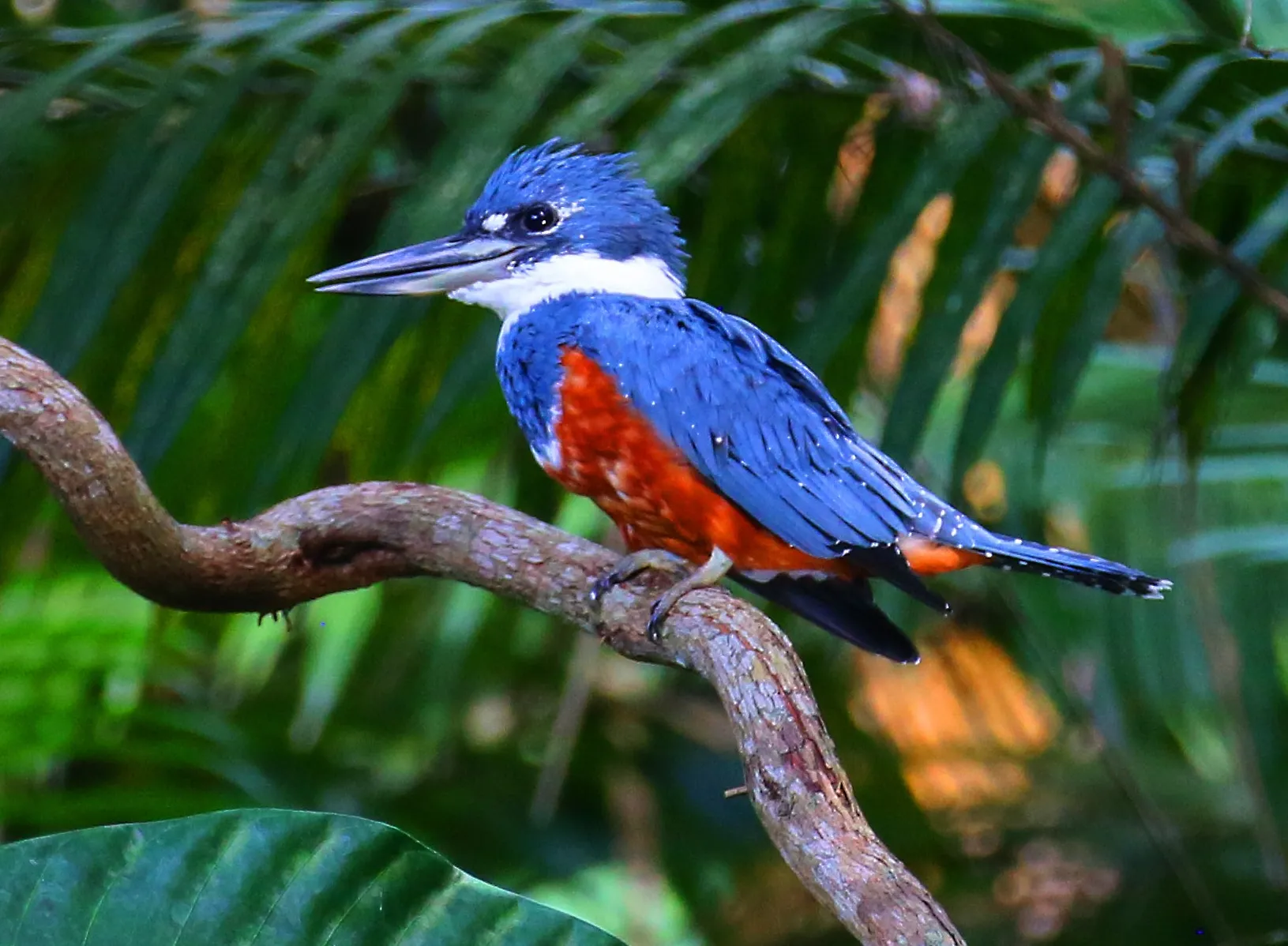
Absolutely. Pico Bonito is the highest mountain in the massif, but the park is much more than that. It is a biodiversity treasure, home to an incredible variety of flora and fauna, including jaguars, monkeys, and more than 400 bird species. Its importance lies in conserving these vital ecosystems and in its role in supplying water to nearby communities. It is also a center of ecotourism in Honduras, promoting sustainability and environmental education. Learn more at ICF Honduras.
The best time to visit Pico Bonito National Park is during the dry season, from February to May, when the trails are less muddy and the weather is more pleasant for hiking and outdoor activities. The rainy season runs from June to January, bringing more water to the waterfalls but also making the trails slippery. As for the best time of day, I recommend going early in the morning to avoid the midday heat and improve your chances of spotting active wildlife.
Unfortunately, accessibility for visitors with reduced mobility in Pico Bonito National Park is limited. Most of the trails are natural, with uneven ground, slopes, and obstacles that are not suitable for wheelchairs. Some visitor centers or specific areas may have ramps or more accessible paths, but enjoying the park’s main experience requires a certain level of physical ability. I suggest contacting tour operators directly to check the most accessible options.
There is plenty to explore near Pico Bonito. La Ceiba, the nearest city, is known as the ecotourism capital of Honduras and offers lively nightlife. You can also visit the idyllic Bay Islands (Roatán, Utila, Guanaja) for diving or relaxing on the beach, or explore the Cuero y Salado Wildlife Refuge to spot manatees. Rafting on the Cangrejal River is also a very popular activity and takes place right beside the park.
Of course. For a successful visit, bring insect repellent, sunscreen, and sturdy walking shoes. Carry enough water, snacks, and a rain jacket, as the tropical weather can change quickly. Consider hiring a local guide; not only will they show you the best spots, but they can also help you identify local flora and fauna and deepen your understanding of local culture. And don’t forget your camera to capture the natural beauty.
¿Prefieres escuchar en español?
🇪🇸 Escucha la audioguía de Pico Bonito National Park en español