No te vayas sin conocer la historia Suscribete
IAudioGuia iaudioguia
Audio Guides of Nacaome

Audio Guide of the Traditional Town of Nacaome

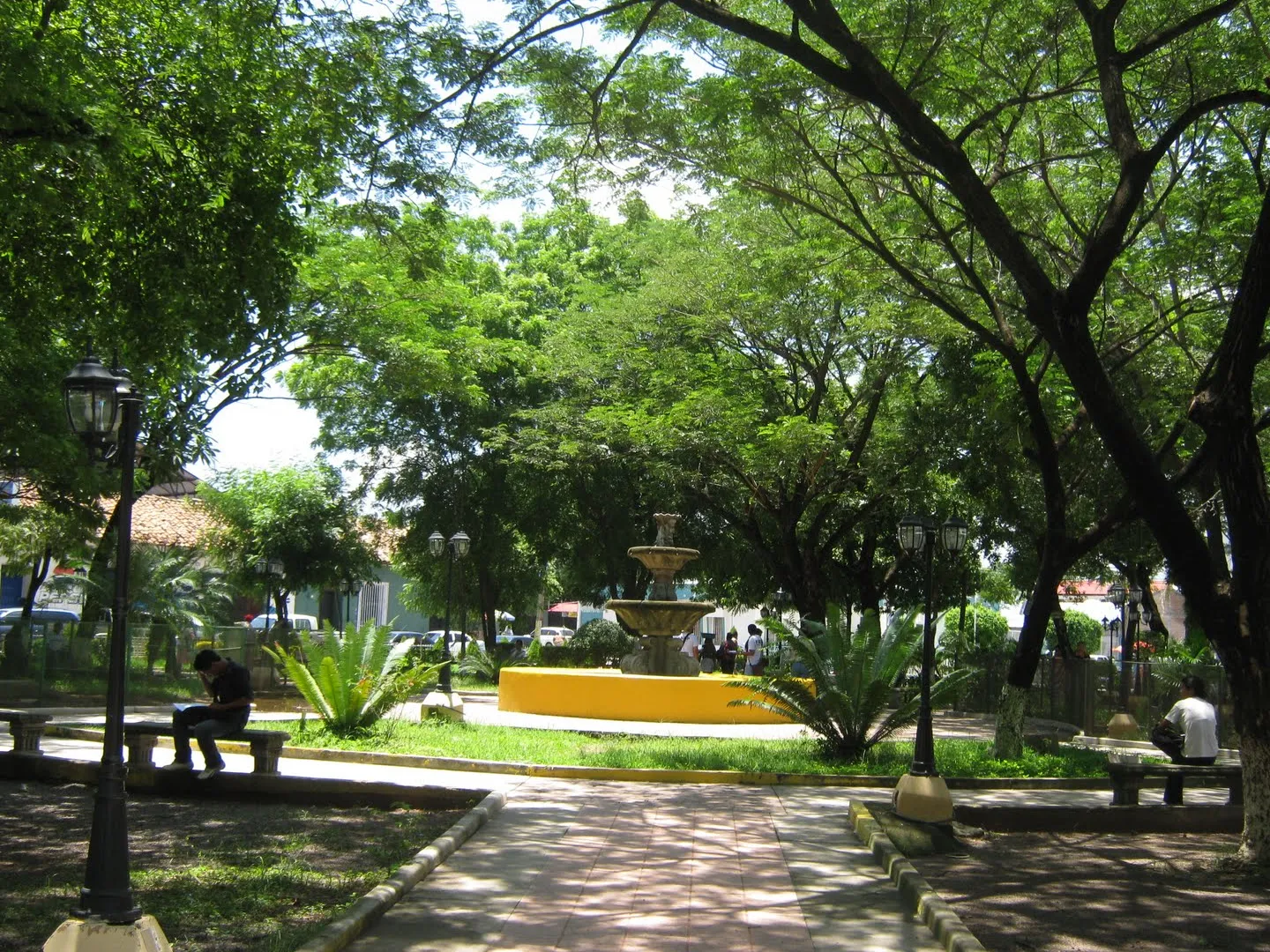
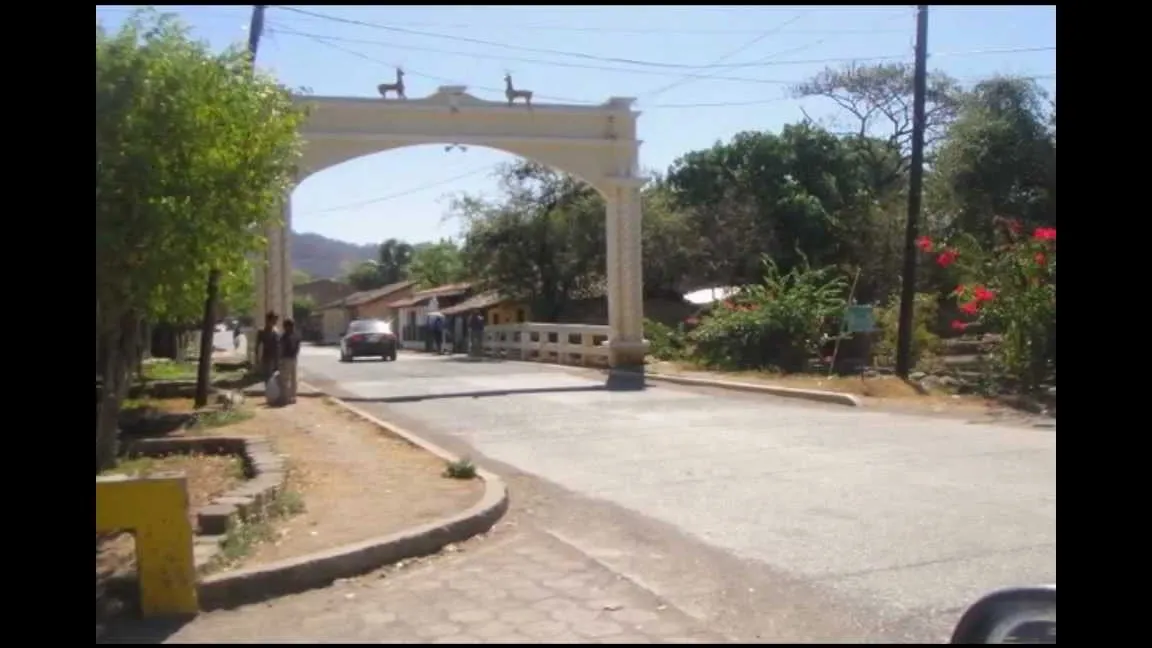
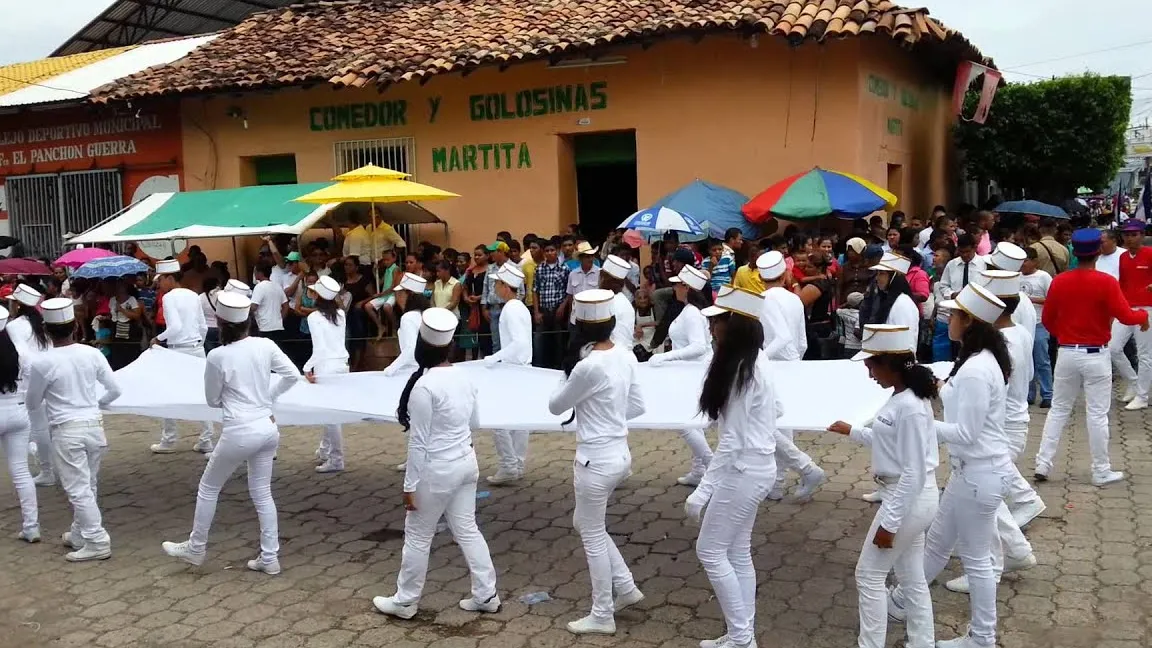
En este rincón colonial de Honduras, las casas de bahareque guardan ecos de terremotos imposibles y carnavales locos que te harán reír con los ancestros.

✓ What guidebooks don't tell you
✓ Secrets other tourists miss
✓ Listen while you explore
Discover everything
00:00
00:00

📖 Audio Guide Chapters

6 chapters

1. The Earthquake That Mocked Death

🔒 Premium Content

Subscribe to access all chapters of this audio guide.

2. Walls That Hide Deadly Flexibility

🔒 Premium Content

Subscribe to access all chapters of this audio guide.

3. Betrayed Loves Beneath Red Roof Tiles

🔒 Premium Content

Subscribe to access all chapters of this audio guide.

4. Carnivals Where the Cows Dance

🔒 Premium Content

Subscribe to access all chapters of this audio guide.

5. Marks That Scream in Silence

🔒 Premium Content

Subscribe to access all chapters of this audio guide.

6. The Soul You Carry in Your Pocket

🔒 Premium Content

Subscribe to access all chapters of this audio guide.

❓ Frequently Asked Questions

What time can I visit Nacaome, and how do I get there?

Absolutely! Nacaome is a vibrant city, and its attractions, such as the main square and the river, are generally open to the public during the day. To get there, you can take buses from Tegucigalpa or San Salvador, or if you prefer comfort, there are taxi and private transport services. I recommend asking locals about specific points of interest when you arrive.

Do I have to pay to enter any sites, or is Nacaome free to visit?

Most of Nacaome, including its streets, church, and local markets, has no admission fee. However, if you decide to visit a nearby private resort or join specific tours, there may be a charge. It is always a good idea to keep some cash on hand for small expenses or tips.

How much time is recommended to explore Nacaome fully?

To get a good feel for Nacaome, including its local atmosphere, market, and some key sites, a full day would be ideal. If you want to explore the surroundings more deeply, such as the nearby beaches or mangroves, you might consider staying for two days. That way, you will not miss a thing!

What is the most important history or cultural significance of Nacaome?

Nacaome has deep historical significance, as its name comes from the Chorotega language and means 'union of two towns', referring to the meeting of two rivers. It has long been an important commercial and agricultural center, with a rich blend of Indigenous and colonial traditions reflected in its people and architecture.

What is the best time of year or best time of day to visit Nacaome?

Nacaome has a warm climate all year round. The best time to visit is during the dry season, from November to April, when temperatures are more pleasant and there is less rain. During the day, I suggest avoiding the peak heat hours from 12 PM to 3 PM and making the most of the morning or late afternoon for a more comfortable visit.

Is Nacaome accessible for people with reduced mobility?

Like many cities in Honduras, Nacaome presents accessibility challenges. Sidewalks can be uneven, and not all establishments have ramps or accessible facilities. However, locals are very friendly and often willing to help. If you have special needs, I recommend asking your accommodation about adapted transportation or more accessible routes.

Are there other interesting places to visit near Nacaome?

Absolutely! Nacaome is an excellent starting point for exploring the Department of Valle. You can visit The Coast of Los Amates with its quiet beaches, or if you are interested in nature, the mangroves of the Gulf of Fonseca are spectacular for a boat tour. You can also explore the nearby town of San Lorenzo, an important port.

What practical tips would you give me to make the most of my visit to Nacaome?

I recommend bringing light, breathable clothing, a hat, and sunscreen, as the climate is warm. Do not forget to try the local cuisine, especially the area’s fresh seafood. For a more authentic experience, interact with the locals—they are very hospitable and can give you the best recommendations. Finally, always carry cash, as not all places accept cards.

¿Prefieres escuchar en español?

🇪🇸 Escucha la audioguía de the Traditional Town of Nacaome en español