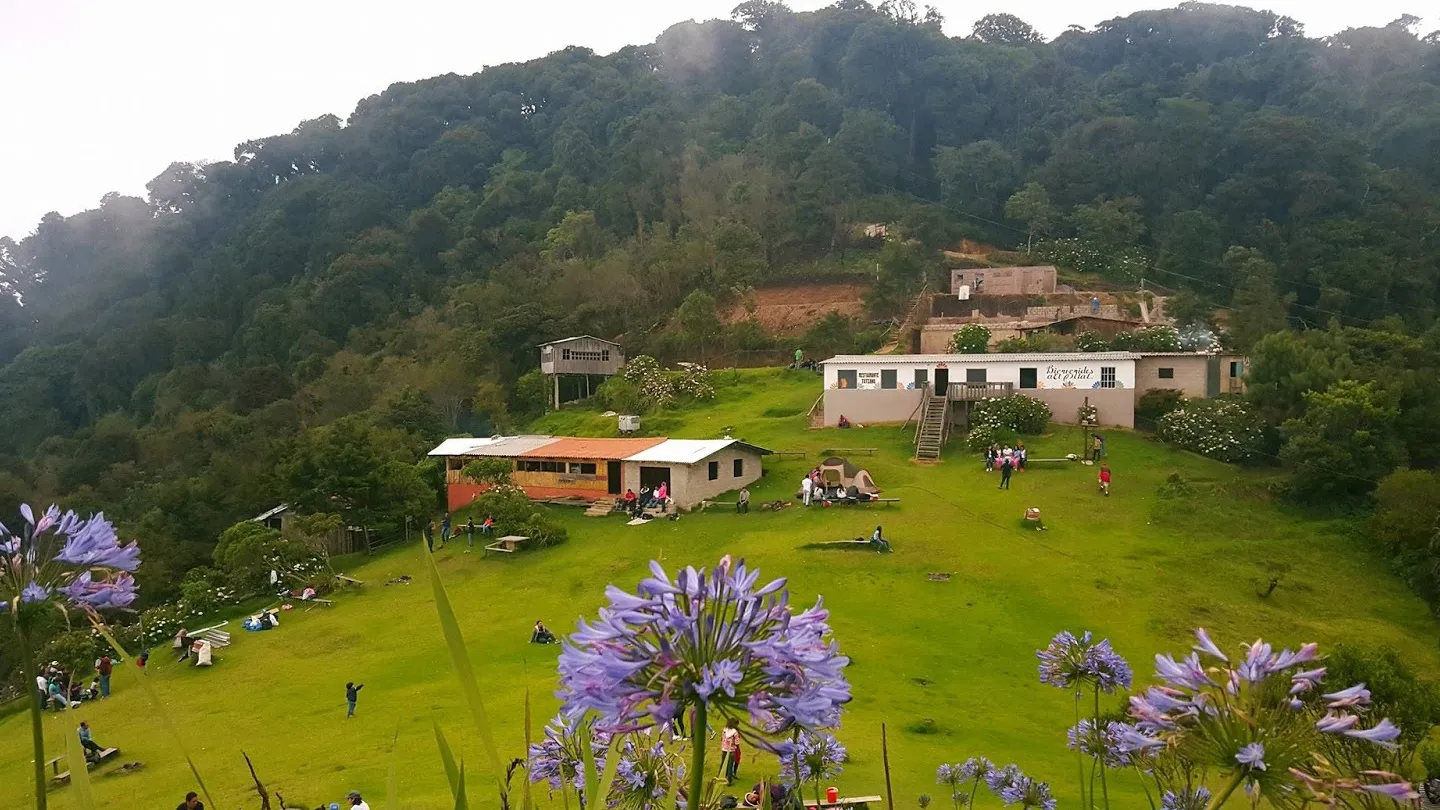
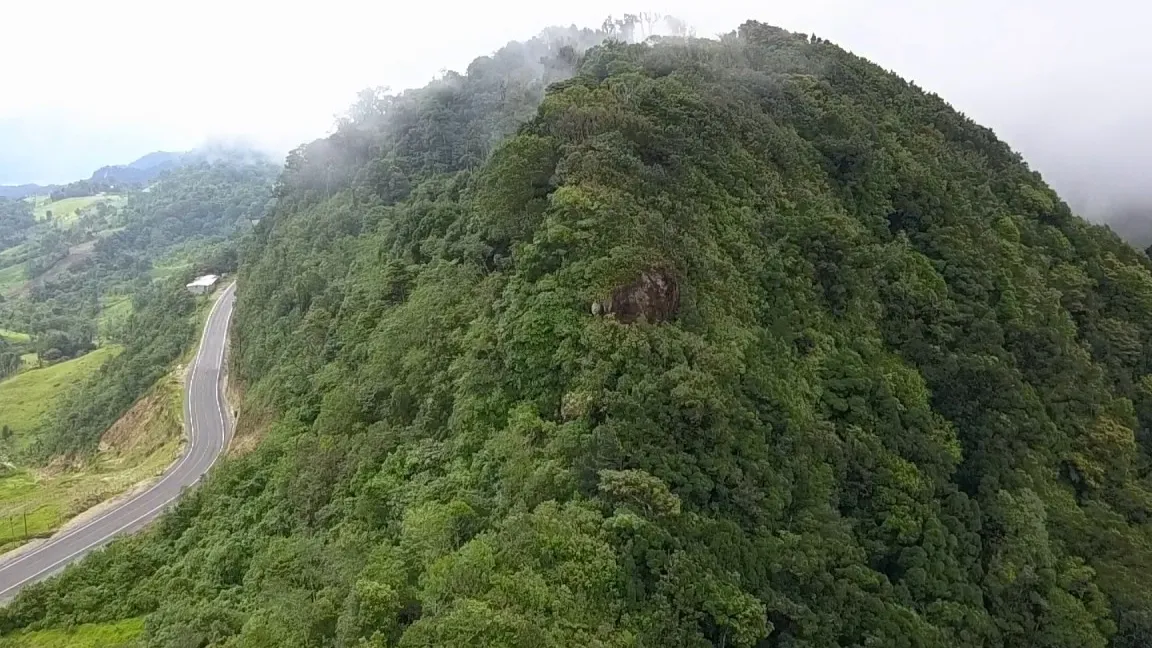
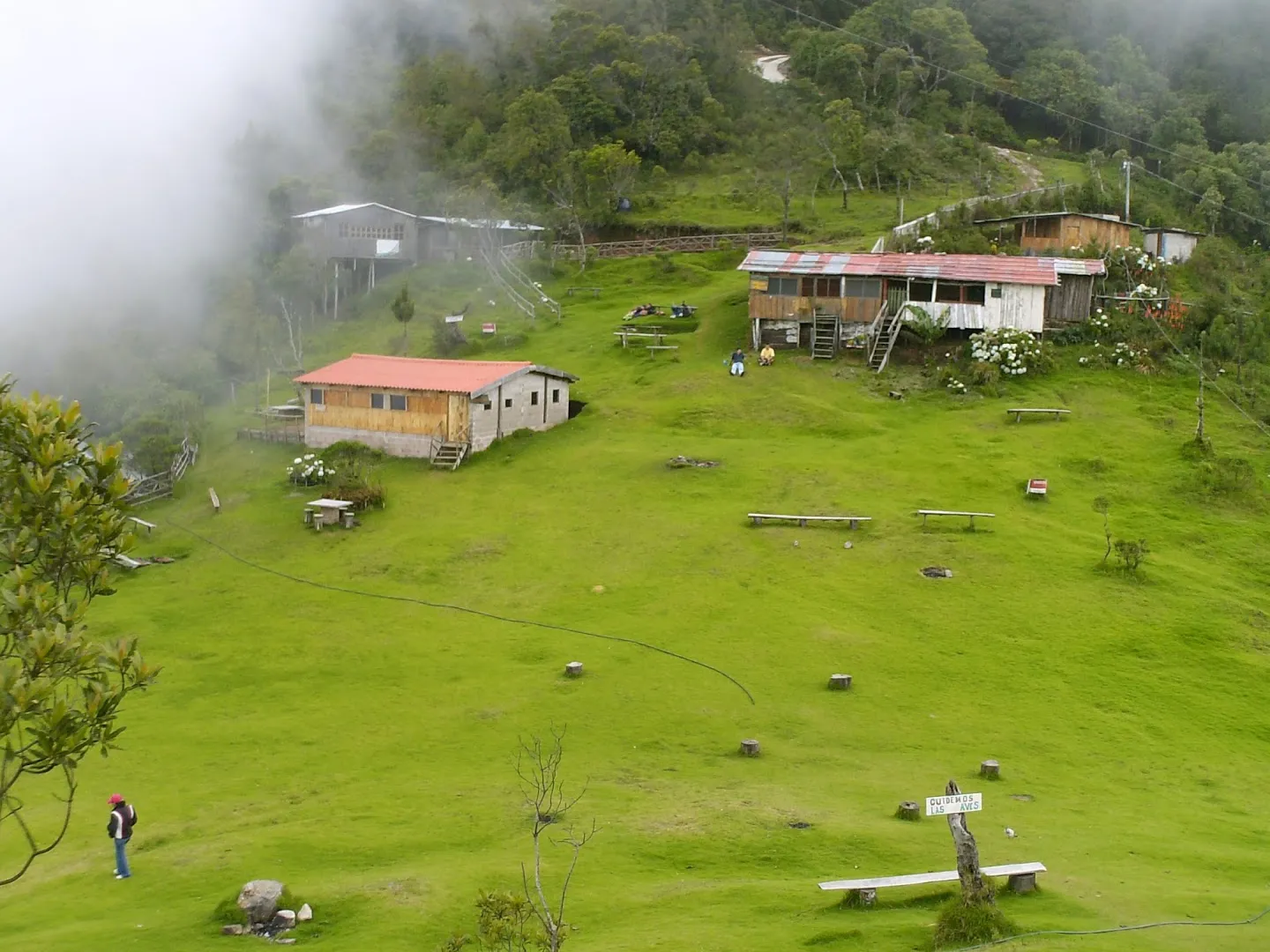
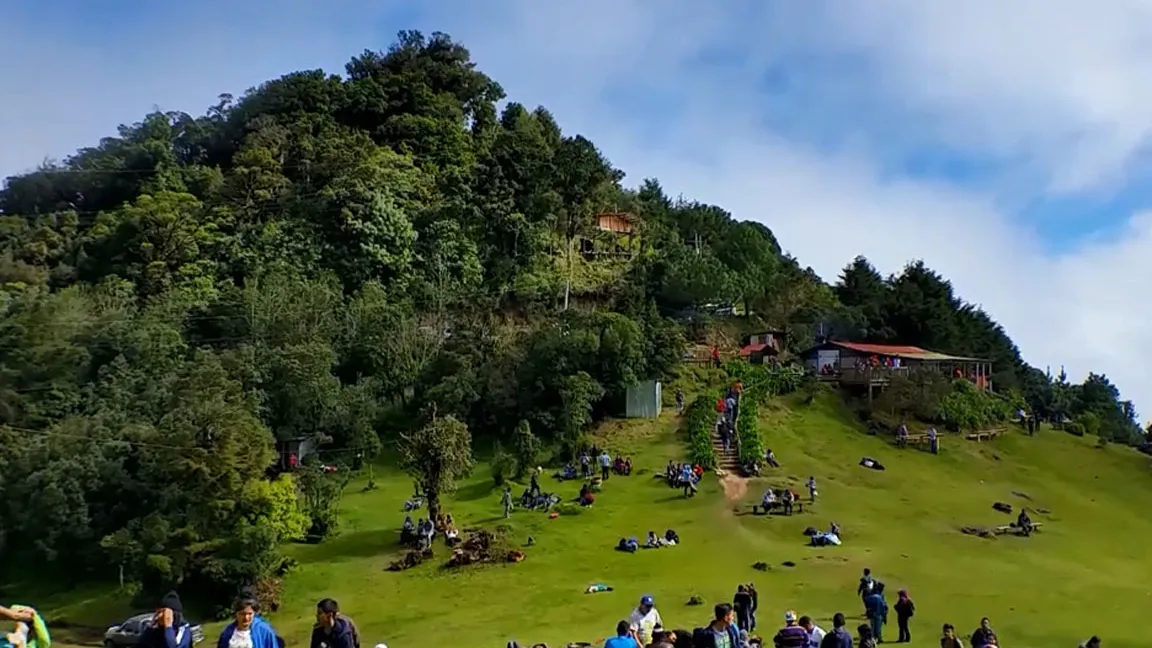
A sanctuary of biodiversity and unique ecosystems in the highlands of Ocotepeque, Honduras.
El Pital Biological Reserve is generally open during daylight hours. We recommend checking specific opening times in advance, as they may vary. To get there, the most common option is by private vehicle or by hiring local transport from the nearby towns of Ocotepeque or San Pedro Sula. The roads can be somewhat challenging at certain times of year, so a 4x4 vehicle is recommended. We suggest contacting the local administration for the latest updates on routes and schedules. You can look for information on sites such as TripAdvisor: El Pital.
Yes, there is usually a small entrance fee to access El Pital Biological Reserve. This money helps with the park’s maintenance and conservation. It is an investment in preserving this beautiful place. We recommend bringing cash, as card payment facilities are not always available. No specific prices have been found online, but they are usually affordable for tourists.
To fully enjoy El Pital Biological Reserve, we recommend setting aside at least half a day, around 3 to 5 hours. This will allow you to walk some trails, enjoy the panoramic views, and experience the biodiversity. If you are passionate about hiking and want to explore more extensive areas, you could even consider a full-day visit.
El Pital Biological Reserve is a crucial conservation area in Central America. Its significance lies in being the highest point in El Salvador and one of the highest in Honduras, although the summit is in El Salvador, while hosting a unique cloud forest ecosystem. It is vital for biodiversity, serving as home to endemic species and acting as a climate regulator. Its importance is primarily ecological and natural rather than historical or cultural in the traditional sense.
The best time to visit El Pital Biological Reserve is during the dry season, from November to April, as the trails are in better condition and there is less chance of rain. We recommend visiting early in the morning to avoid crowds, enjoy cooler temperatures, and have better opportunities to observe wildlife. In the afternoon, fog may roll in, giving the place a mystical touch, but also reducing visibility.
Because of its mountainous terrain and natural trails, El Pital Biological Reserve is not fully adapted for people with reduced mobility or wheelchair users. The paths are uneven and may include steep slopes. However, some areas around the entrance or the nearest viewpoints might be accessible with assistance. It is always advisable to contact the park administration directly if you have specific needs. No official accessibility information is available online.
Around El Pital Biological Reserve, you can explore other natural and cultural attractions. On the Salvadoran side, the areas of La Palma and San Ignacio offer handicrafts and a cool climate. On the Honduran side, the municipalities of Ocotepeque and Sinuapa can give you a sense of local life and customs. You can also visit Los Chorros Waterfall along the way. The border towns offer an authentic atmosphere for exploring mountain culture.
Absolutely. To make the most of your visit, bring warm and waterproof clothing, as the weather can change quickly in the mountains. Wear comfortable, sturdy walking shoes, and do not forget insect repellent and sunscreen. Pack your own water and some snacks, as options on site are limited. Bring a camera to capture the stunning landscapes and always respect the local flora and fauna. And remember, leave no trace. For more travel tips for Honduras, you can visit Honduras.com: Travel Tips.
¿Prefieres escuchar en español?
🇪🇸 Escucha la audioguía de El Pital Biological Reserve en español