Donde las piedras guardan secretos de fugitivos, indígenas rebeldes y tesoros... que siguen esperando a alguien con mejor mapa.
Father’s Cave is usually open every day from 8:00 am to 5:00 pm, but we recommend confirming opening hours before your visit. To get there, take the road toward Santa Ana (Father’s Alley), 3 km from the town center. Check updated routes at Visit Honduras.
Access is usually free or based on a voluntary donation for maintenance. Some local tour operators include transportation and a guide. Check with the Santa Ana tourism office (Santa Ana Municipality).
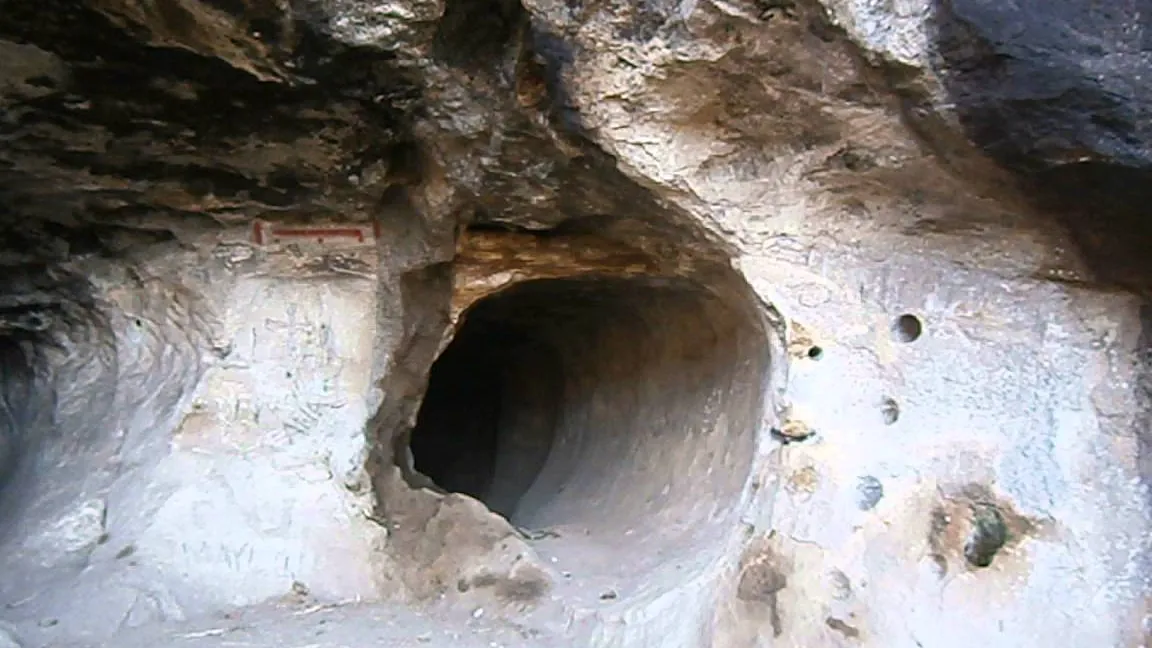
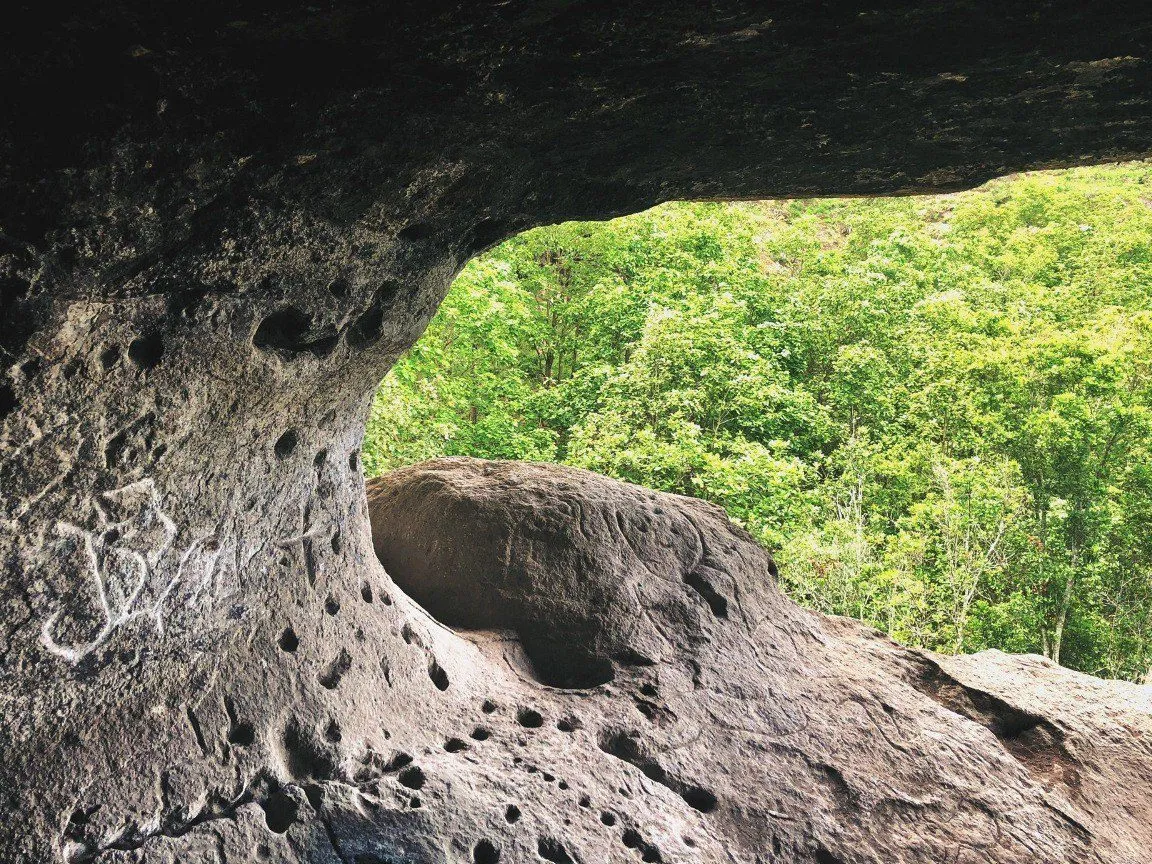
The visit lasts approximately 1–2 hours, depending on your pace. It includes exploring the main cavern, observing rock formations, and enjoying the natural viewpoint. Ideal to combine with a day of ecotourism in the area.
The cave served as a refuge for priests during 19th-century conflicts and as an Indigenous ceremonial site. Today it is a Natural Monument for its speleothems (limestone formations) and endemic biodiversity. More information at the Honduran Institute of Anthropology.
We recommend the dry season (November–April) to avoid muddy trails. The early morning hours are ideal because of the natural light inside the cave and the cool temperatures. Bring insect repellent during the rainy season.
Access presents challenges: uneven ground and rustic stairs inside the cave. There are no official ramps. Check with local guides for alternative routes or adapted experiences (+504 1234-5678).
Take the opportunity to visit: 1) Santa Ana Central Park (colonial architecture), 2) the Patron Saint Festival (January, handicrafts), 3) Copán Ruins (1.5 hours by car). More destinations at Honduras Routes.
Non-slip shoes, a flashlight (although there is basic lighting), water, and a camera. Improve your experience by downloading the audio guide from iaudioguia.com with stories of the site, including the famous Father’s Pulpit.
¿Prefieres escuchar en español?
🇪🇸 Escucha la audioguía de Father’s Cave en español