No te vayas sin conocer la historia Suscribete
IAudioGuia iaudioguia
Audio Guides of Intibuca

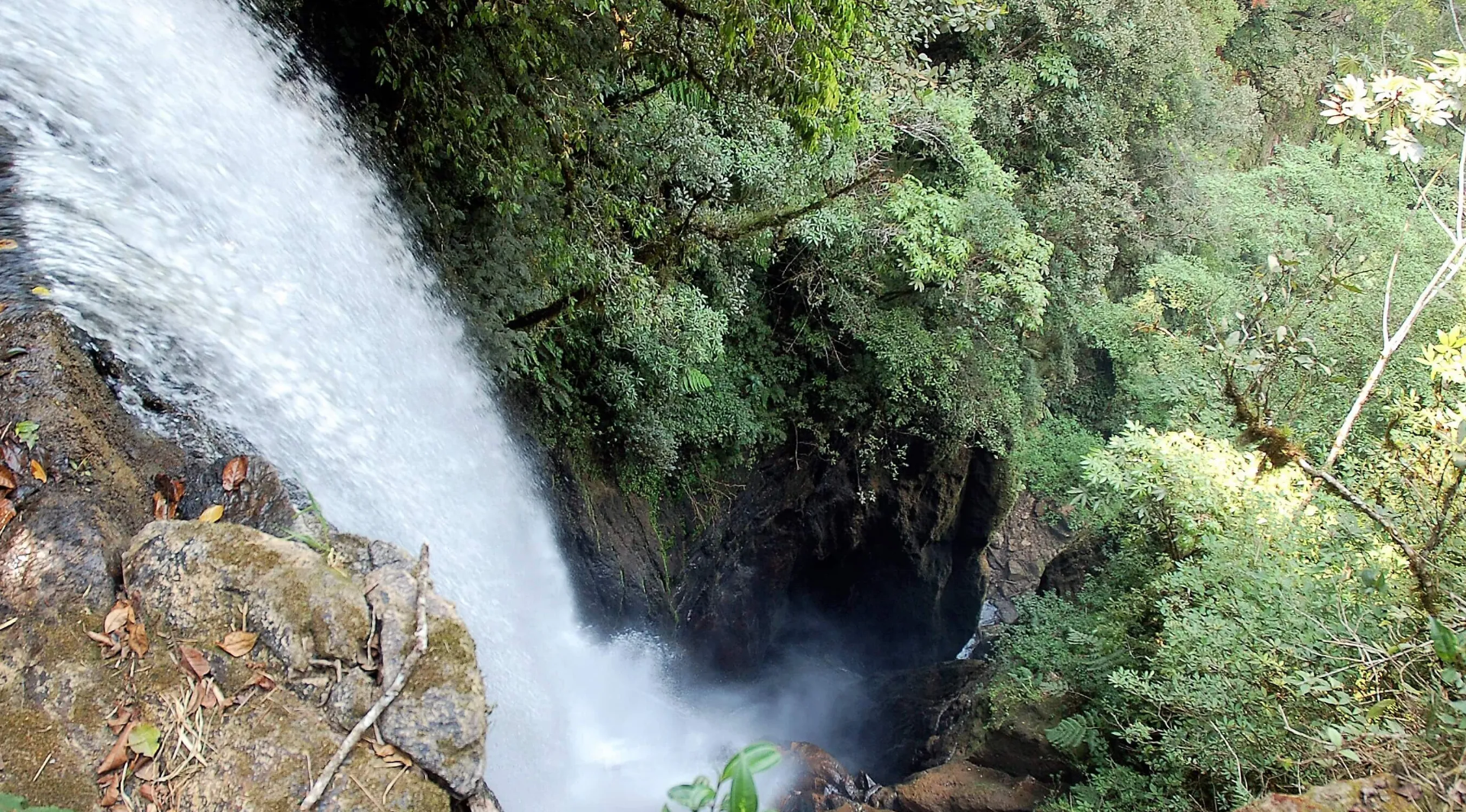
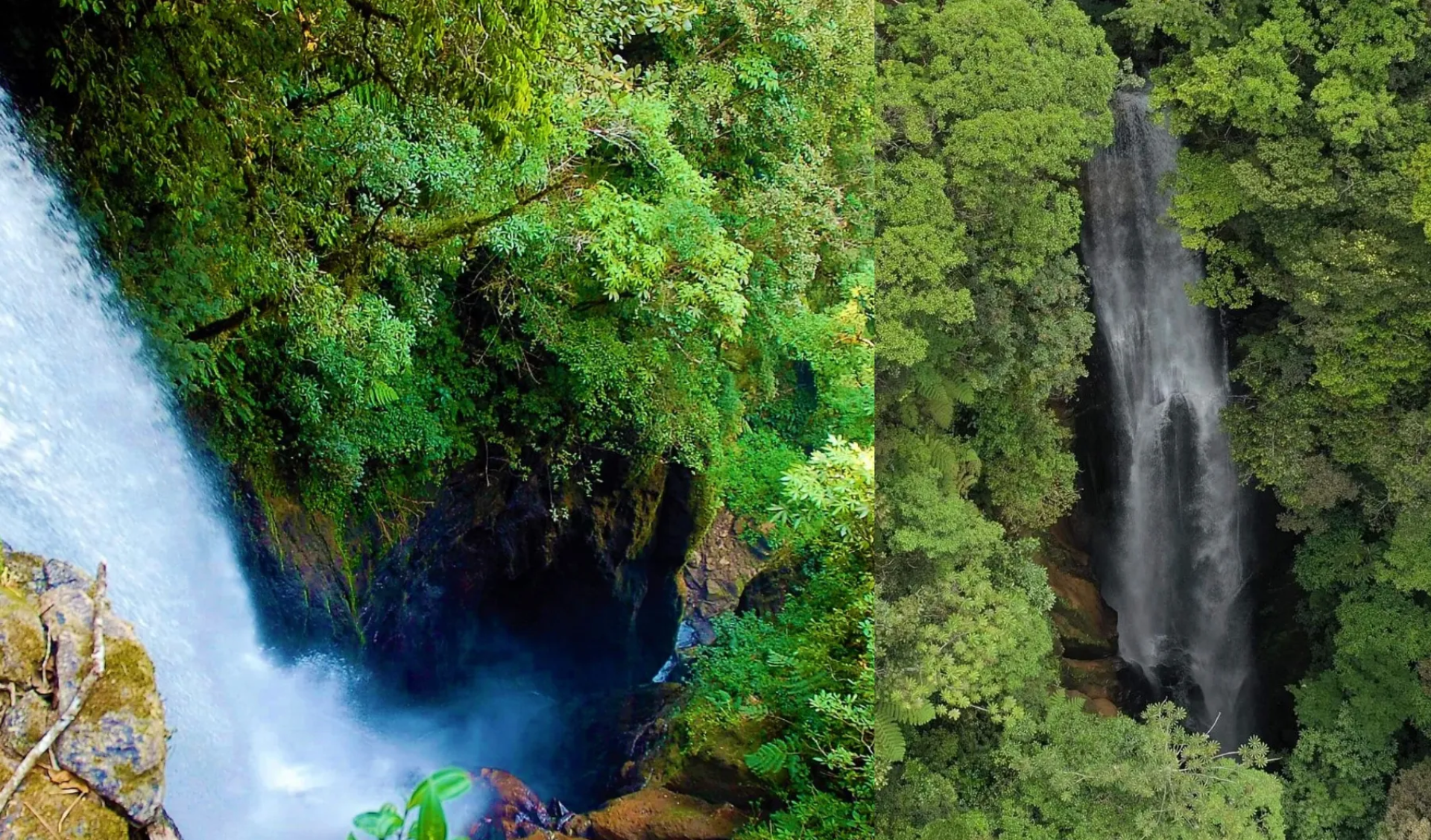
Audio Guide of Opalaca Biological Reserve

Discover Opalaca Biological Reserve in Intibucá. A unique experience to learn about its history and significance.

✓ What guidebooks don't tell you
✓ Secrets other tourists miss
✓ Listen while you explore
Discover everything
00:00
00:00
Rate this audio guide

📖 Audio Guide Chapters

6 chapters

1. The Roar No One Forgets

🔒 Premium Content

Subscribe to access all chapters of this audio guide.

2. The Giants That Guard Water

🔒 Premium Content

Subscribe to access all chapters of this audio guide.

3. The Lenca and Their Battle for Green

🔒 Premium Content

Subscribe to access all chapters of this audio guide.

4. The Quetzal and Other Forest Oddballs

🔒 Premium Content

Subscribe to access all chapters of this audio guide.

5. Marks Hidden by the Mist

🔒 Premium Content

Subscribe to access all chapters of this audio guide.

6. The Legacy Tattooed on Your Soul

🔒 Premium Content

Subscribe to access all chapters of this audio guide.

❓ Frequently Asked Questions

What are the opening hours of Opalaca Biological Reserve, and how can I access it for a visit?

Opalaca Biological Reserve, as a protected area of great ecological value, usually has access regulations in place to preserve its biodiversity. Although it does not have fixed 'commercial' opening hours like a museum, it is recommended to arrange your visit through local guides or conservation institutions to ensure permitted and safe access. It is essential to check in advance which hiking routes are open and whether a special permit is required. For more details, we suggest contacting the Ministry of Natural Resources and Environment (SERNA) of Honduras or the Intibucá municipal government.

Is there an entrance fee or charge to access Opalaca Biological Reserve?

Access to Opalaca Biological Reserve generally does not have a fixed entrance fee like theme parks, since its main purpose is conservation. However, donations are often requested for the maintenance of the area, or a small fee may be charged if you hire local guide services for excursions. These funds directly contribute to protecting the ecosystem and supporting nearby communities. Ask local guides about the cost of their services so you can budget your visit.

How much time is recommended for visiting Opalaca Biological Reserve to fully enjoy it?

To fully enjoy Opalaca Biological Reserve and appreciate its rich biodiversity, it is recommended to spend at least half a day or, ideally, a full day. This will allow you to explore the trails, observe the flora and fauna, and enjoy the landscapes without rushing. If you are interested in birdwatching or nature photography, you may want to consider a full-day tour or even staying overnight in a nearby community if lodging options are available.

Can you tell me a bit about the history or cultural importance of Opalaca Biological Reserve?

Opalaca Biological Reserve is of vital ecological and cultural importance to Honduras. It is a biodiversity stronghold, home to a wide variety of plant and animal species, many of them endemic and endangered. Culturally, its lands have long been inhabited by Lenca communities, who maintain a deep connection with the natural environment and its resources. The reserve not only protects nature, but also the cultural heritage of its Indigenous peoples, making it a national treasure that should be preserved.

What is the best time of year or time of day to visit Opalaca Biological Reserve?

The best time to visit Opalaca Biological Reserve is during the dry season, generally between November and May. During these months, the trails are more accessible, there is less chance of rain, and the weather is more pleasant for hiking. As for the time of day, the early morning hours at dawn and the late afternoon before sunset are usually ideal for observing birds and other animals, since that is when they are most active.

Is Opalaca Biological Reserve accessible for people with reduced mobility, or are there special facilities?

Given the nature of Opalaca Biological Reserve as a protected area with natural terrain and mountain trails, accessibility for people with reduced mobility may be limited. Most trails are not adapted for wheelchairs or walkers, and the terrain can be uneven. However, some entrance areas or viewpoints near the main roads may offer easier access. We recommend contacting local guides to learn about the most suitable options for your needs. You can find more information on the Honduras Tourism website.

Are there other attractions or places of interest near Opalaca Biological Reserve that I can visit?

Absolutely. The Intibucá region is rich in culture and nature. Near Opalaca Biological Reserve, you can visit the charming towns of La Esperanza and Intibucá, known for their Lenca traditions, craft markets, and cultural celebrations. You can also explore other natural attractions such as waterfalls or viewpoints in the surrounding area. For a more complete experience, consider visiting tourist destinations in Honduras. Do not forget to check the annual patron saint festivals celebrated in these municipalities.

What are some practical tips to make the most of my visit to Opalaca Biological Reserve?

To make the most of your visit to Opalaca Biological Reserve, I recommend bringing comfortable footwear suitable for hiking, light clothing with sun protection, insect repellent, and plenty of water. Do not forget your camera and binoculars for birdwatching. It is essential to respect the flora and fauna, not leave any litter, and follow the instructions of local guides or posted signs to preserve this beautiful ecosystem. If you are looking for inspiration, you can explore other tourist destinations at Visit Honduras.

¿Prefieres escuchar en español?

🇪🇸 Escucha la audioguía de Opalaca Biological Reserve en español