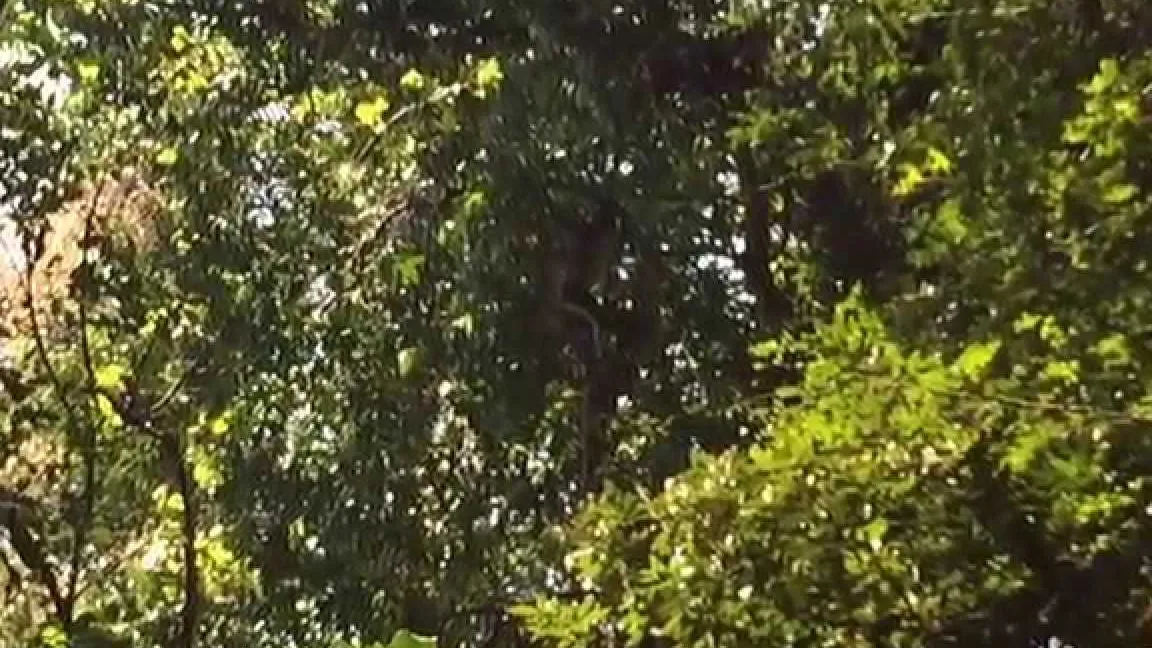
¿Sabías que en esta selva hondureña vive un jaguar que podría ser tu vecino sigiloso? Ven, te cuento los secretos que solo un local conoce.
Texiguat Biological Reserve does not have fixed opening hours like a museum. It is a protected natural area that can be visited with local guides. To organize your visit and review access options, we recommend contacting the local tourism office in Tocoa or authorized guides in the area directly. Access is usually by 4x4 vehicle and should be arranged in advance.
Yes, there is generally a small entrance fee to help maintain the reserve and support local communities. This is in addition to the cost of a local guide, which is highly recommended and often required because of the difficulty of the trails. We advise confirming these costs when arranging your tour.
A visit to Texiguat Biological Reserve can vary depending on your interests. For a basic visit and to enjoy nature, a minimum of 4 to 6 hours is recommended. If you want to do longer hikes and wildlife watching, it is best to devote a full day or even plan a two-day stay with an overnight stop near or in the surrounding communities.
Texiguat Biological Reserve is of great importance because of its biodiversity, hosting a wide variety of flora and fauna, including endemic and endangered species such as the howler monkey and the quetzal. Its significance lies in being a green lung and a key biological corridor in Honduras, essential for conserving sensitive ecosystems and supplying water to nearby communities. It is also an example of community-based conservation.
The best time to visit Texiguat is during the dry season, from November to May, when the trails are less muddy and access and wildlife viewing are easier. During the rainy season (June to October), the vegetation is more lush, but there may be more mosquitoes and rain can make travel more difficult. It is always a good idea to check weather conditions before you go.
Because Texiguat is a natural reserve with rocky, uneven, and steep trails, accessibility for people with reduced mobility is limited. It does not have adapted infrastructure such as ramps or paved paths. If mobility is a concern, it is recommended to consider a more accessible tour or perhaps explore less demanding peripheral areas with the help of a local guide.
Yes, near Texiguat you can explore the city of Tocoa, with its vibrant local market and culture. The Caribbean coast is also relatively close, offering beaches such as those in Trujillo or Balfate. For more activities in the region, we suggest checking the Honduras Travel website.
For the best experience, we recommend bringing insect repellent, sunscreen, comfortable quick-drying clothes, hiking boots, plenty of water, and snacks. Do not forget your binoculars and camera to capture the biodiversity. Hiring a local guide is essential not only for safety and orientation, but also to learn about the flora, fauna, and culture of the region. Remember to leave only your footprints and take only memories.
¿Prefieres escuchar en español?
🇪🇸 Escucha la audioguía de Texiguat Biological Reserve en español