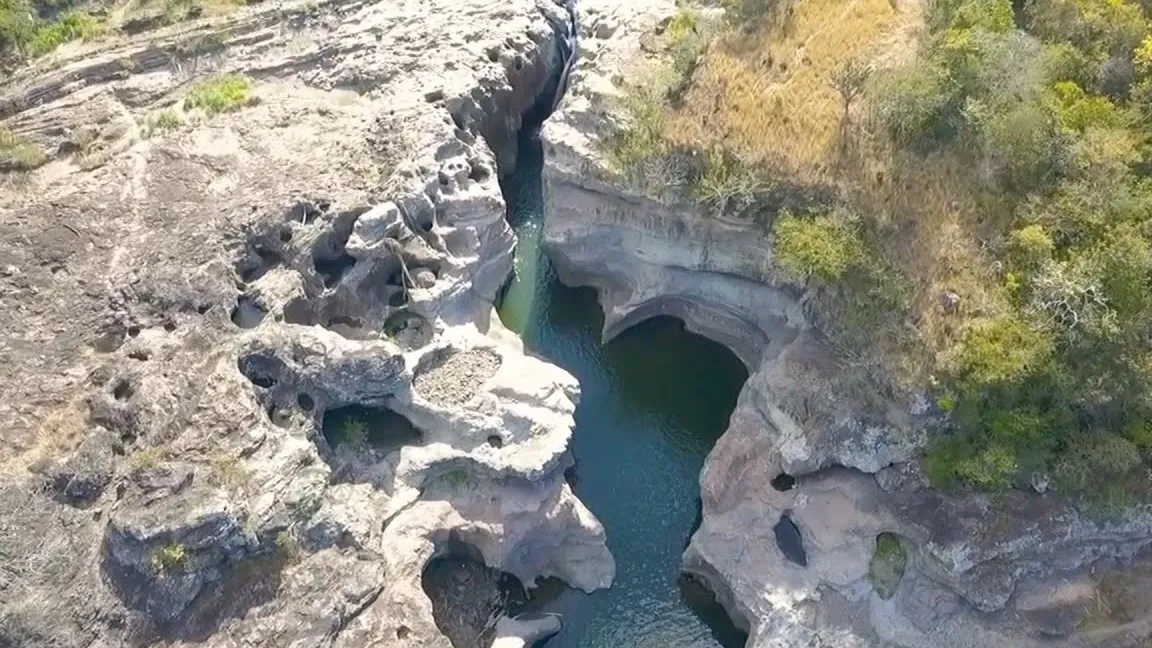
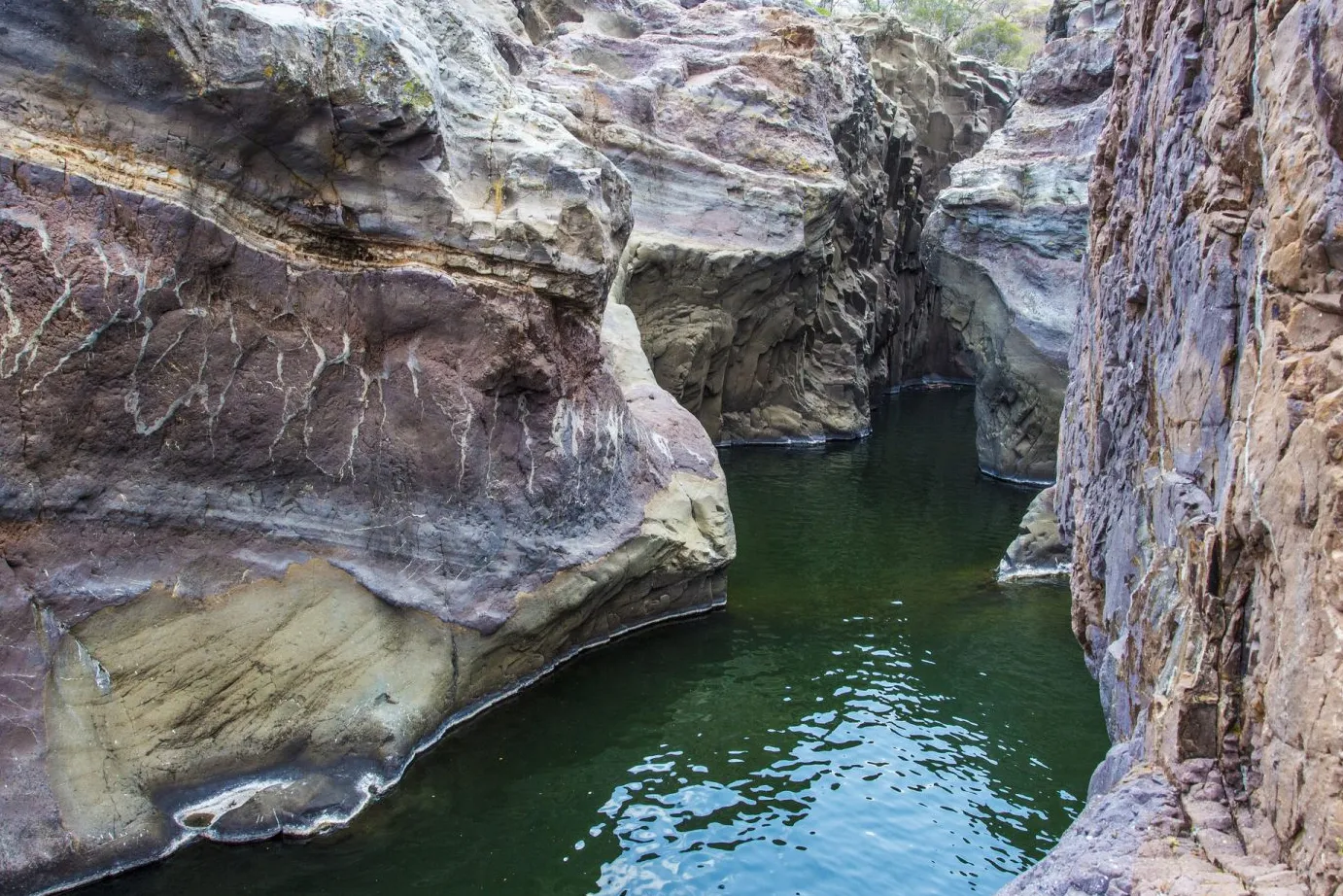
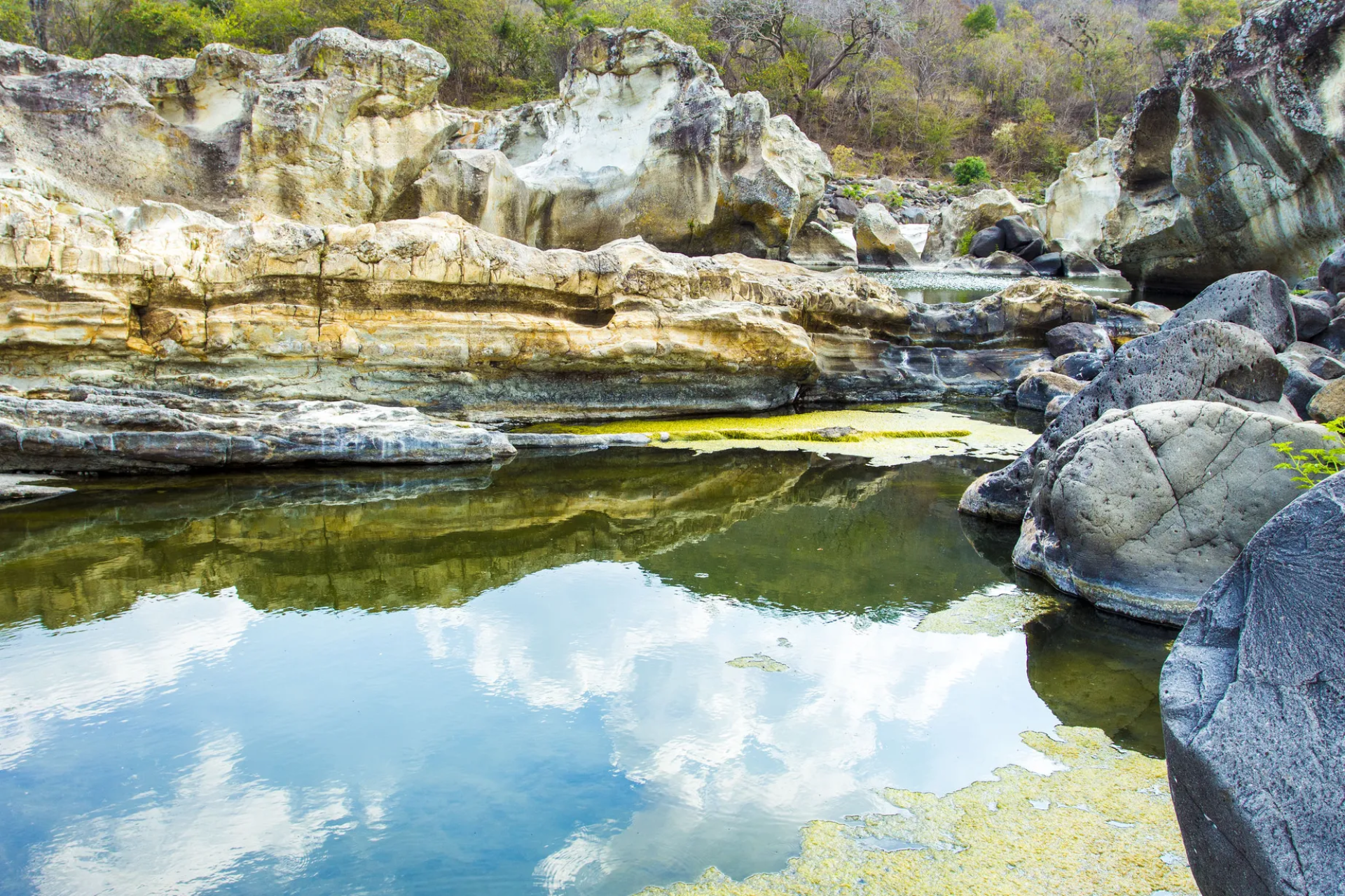
Un santuario natural en el sur de Honduras que protege bosques secos tropicales, con una impresionante diversidad de flora y fauna endémica, ideal para explorar la biodiversidad centroamericana.
Apacilagua Biological Reserve is generally open during daylight hours, although specific times may vary and it is advisable to confirm them in advance. Access is by road from San Marcos de Colón, and it is recommended to contact the local administration or tour guides in the area to arrange your visit. You can find more details on the Honduras Tips page about the reserve.
In general, natural reserves such as Apacilagua may have an access fee that is used for the maintenance and conservation of the site. However, this information is not always publicly available and may vary. I recommend contacting the local administration or the Honduran Tourism Institute, whose contact details are usually available on its official website: Honduras Travel.
To fully enjoy Apacilagua Biological Reserve, it is recommended to set aside at least half a day, around 3 to 5 hours. This will allow you to walk the trails, observe the local flora and fauna, and enjoy the peaceful surroundings without rushing. If you are a nature and hiking enthusiast, you could even extend your visit to a full day for a deeper exploration.
Apacilagua Biological Reserve is crucial for its rich biodiversity, hosting a wide variety of plant and animal species, some of them endemic or endangered. Although it does not have a 'monumental' history in the traditional sense, its cultural significance lies in its importance for local communities and scientific research, contributing to the preservation of Honduras's natural heritage. You can read more about its ecological value in articles related to the conservation of national parks in Honduras (ICF).
The best time to visit Apacilagua Biological Reserve is during the dry season in Honduras, which generally runs from November to May. During these months, the trails are more accessible and the weather is more pleasant for outdoor activities. Avoid the rainy season (June to October), as the paths can become muddy and visibility may be lower.
Because Apacilagua Biological Reserve is a natural environment with trails and possibly uneven terrain, accessibility for people with reduced mobility may be limited. It is advisable to contact the park administration or local tour guides directly before your visit to learn about the specific conditions and whether there are adapted areas or more accessible routes. A good starting point is to look for contact information on tourism websites in Honduras.
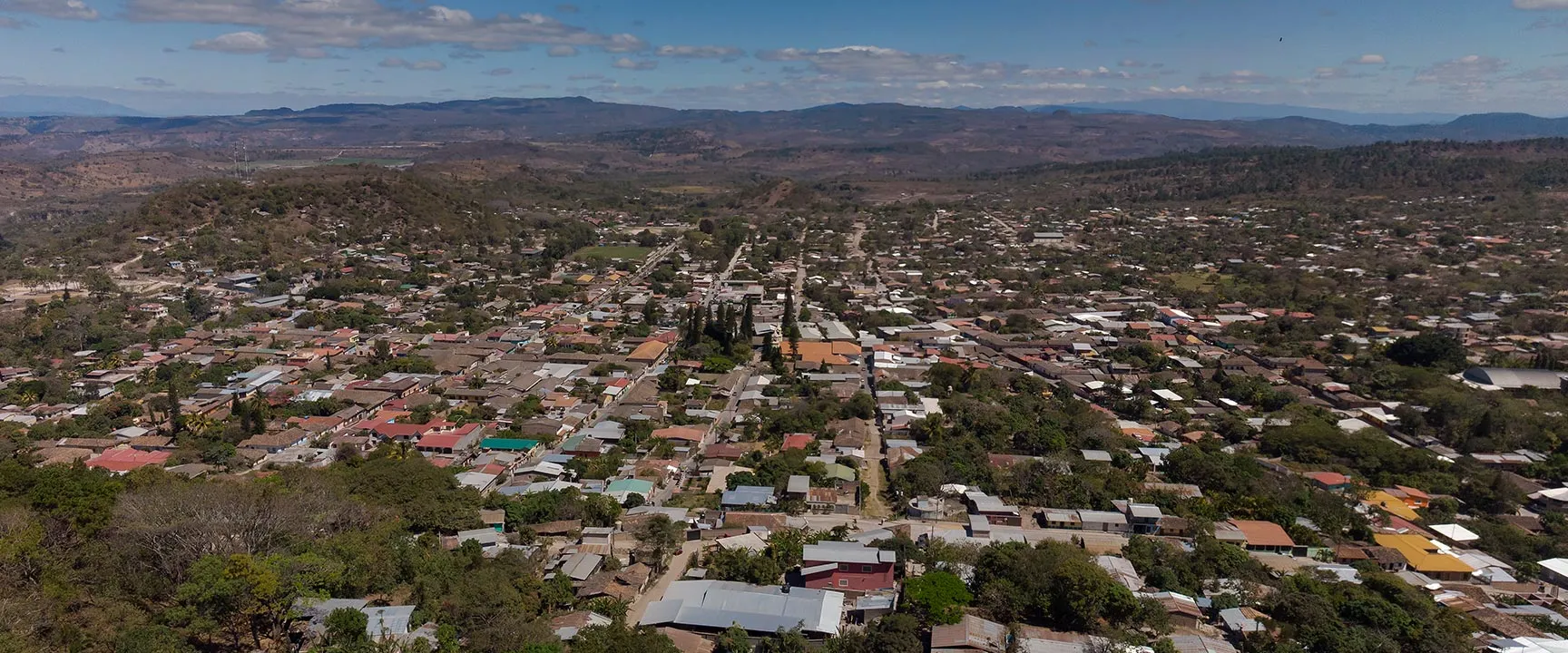
Near Apacilagua Biological Reserve, in the San Marcos de Colón area, you can explore the town itself with its picturesque atmosphere and border trade. In addition, its proximity to the border with Nicaragua offers the chance to visit small border communities and enjoy rural landscapes. For more options in southern Honduras, check guides from Lonely Planet Honduras or similar sources.
To make the most of your visit, I recommend bringing comfortable, lightweight clothing, proper hiking shoes, sunscreen, insect repellent, and plenty of water. Binoculars will be useful for birdwatching. Consider hiring a local guide; they know the best points of interest and can offer valuable information about the flora and fauna. Always remember to respect nature and do not leave trash on the trail.
¿Prefieres escuchar en español?
🇪🇸 Escucha la audioguía de Reserva Biológica Apacilagua en español